
Power Grid Failure Survival Planning for Seniors: Staying Safe during Extended Outages
This post may contain affiliate links. If you buy through them, I may earn a small commission at no extra cost to you.
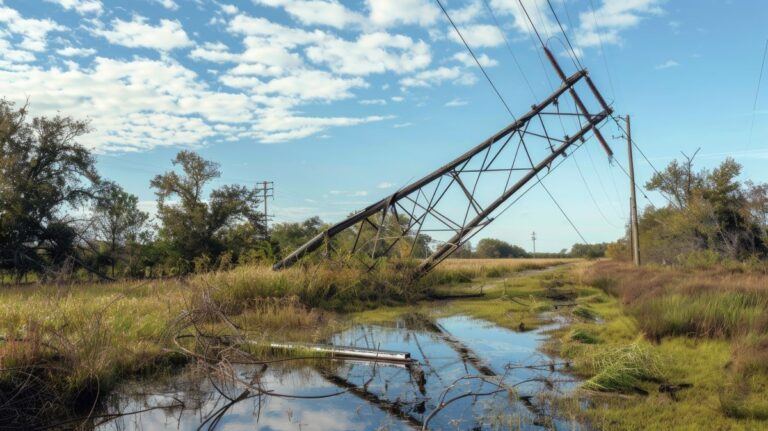
How many power failures can you count that you have been in? Luckily, being from north Florida, I don’t live in a place that has power grid issues. But living in the country all my life means we have power outages more often than those who live in the city. Actual power failures from a grid-down situation are much more complicated and can be long-term.
Power failures don’t just turn off the lights. They shut down the systems you depend on—heating, cooling, communication, food storage, and medical support. For seniors, a long outage can quickly turn uncomfortable conditions into dangerous ones.
This guide is part of the Ultimate Disaster Survival Guide, where you can explore 29+ emergency scenarios seniors should prepare for to protect their safety, independence, and home. It will show you how to prepare before the grid fails, and how to stay safe when it does, especially for those of us navigating our golden years.
Step 1: Understand What Happens When the Grid Fails
When power goes out, everything connected to it becomes unstable.
- Refrigerators warm up
- Water systems may stop working
- Medical devices lose power
- Communication becomes limited
When power returns, it often comes back unevenly. Surges and fluctuations can damage electronics that survived the outage.
Step 2: Build a Simple Outage Plan
Keep your plan clear and realistic.
- Decide where you will stay if power is out for days
- Identify a backup location if temperatures become unsafe
- Keep emergency contacts written down (not just in your phone)
- Plan how you will receive updates (radio, not just internet)
Practice this mentally. When the lights go out, confusion wastes time.
Trusted Disaster Preparedness Resources
Whether you’re preparing for hurricanes, floods, power outages, food shortages, or other emergencies, having reliable preparedness resources can make planning easier. These trusted companies offer emergency food, water storage, and preparedness supplies to help you build resilience before disaster strikes.
✅ My Patriot Supply
✅ Emergency Essentials / BePrepared
Step 3: Prepare for Temperature Extremes
Heat and cold are the biggest threats.
In heat:
- Stay hydrated
- Close blinds during the day
- Use battery-powered fans
In cold:
- Layer clothing
- Use blankets and sleeping bags
- Close off unused rooms
If conditions become unsafe, relocate early.
Step 4: Protect Food and Water
- Keep refrigerator and freezer doors closed
- Use coolers with ice if needed
- Have shelf-stable food ready
- Store at least 5–7 days of water
Clean water becomes even more important during outages. Make sure you’re prepared with a safe supply using our Water Contamination Survival Planning for Seniors guide.
Step 5: Plan for Medical Needs
This is critical.
- Know which medications need refrigeration
- Have extra prescriptions on hand
- Plan backup power for medical devices
- Keep a written list of medications and dosages
If you rely on powered equipment, you must have a backup plan.
Step 6: Use Power Safely
Generators and alternators can help, but they can also kill.
- Never run a generator indoors
- Keep it far from doors and windows
- Use flashlights, not candles
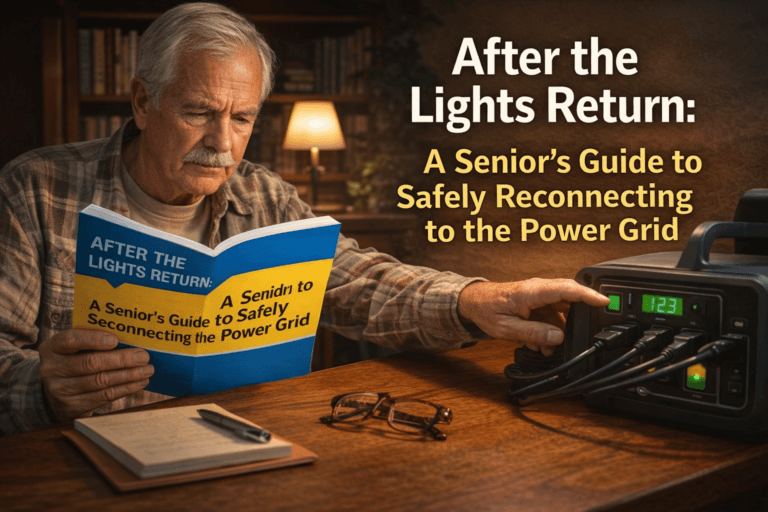
- Use surge protectors when power returns
If you rely on powered equipment, you must have a backup plan.
Step 7: Stay Informed
When the grid is down, information is limited.
- Use a battery or hand-crank radio
- Conserve phone battery
- Follow local emergency updates
Final Thoughts
A power outage tests your ability to adapt. Preparation turns a blackout into an inconvenience instead of a crisis.
Plan ahead. Keep it simple. Act early.
Power failures don’t happen in isolation.
This is just one of many emergencies seniors should prepare for. Build your full plan with our complete disaster guide.
See All Disaster Plans →Comment Section
How prepared are you for a power outage that lasts several days? Do you have a backup plan for staying cool in the summer or warm in the winter? Have you ever experienced a long blackout? What was the hardest part? Are your medical needs fully covered if the power goes out? Share your thoughts below—your experience could help someone else stay safe when the grid goes down.
FAQs
What should seniors do during a power grid failure?
Seniors should focus on staying safe, maintaining temperature control, and preserving food and water. Having a simple plan, emergency supplies, and a way to receive updates is essential during extended outages.
How long can food last during a power outage?
Refrigerated food is usually safe for about 4 hours if the door remains closed. A full freezer can keep food frozen for up to 48 hours. After that, food safety becomes a concern.
How can seniors stay warm or cool without electricity?
In hot weather, seniors should stay hydrated, close blinds, and use battery-powered fans. In cold weather, layering clothing, using blankets, and closing off unused rooms can help retain heat.
What medical preparations are needed for a power outage?
Seniors should keep extra medications, maintain a written list of prescriptions, and have backup power options for medical devices. Planning ahead is critical for anyone relying on powered equipment.
Is it safe to use a generator during a blackout?
Generators are safe only when used outdoors and away from doors or windows. Never run a generator inside the home, as it can cause deadly carbon monoxide poisoning.
How can you stay informed during an extended outage?
A battery-powered or hand-crank radio is the most reliable way to receive updates. Phones should be conserved for essential communication.