How to Plan for an Economic Collapse: Your Vault Against the Void

Introduction
An economic collapse doesn’t roar in like a hurricane or shake the ground like an earthquake. It creeps in quietly.
One week, the shelves are stocked.
The next week, prices double.
Then banks restrict withdrawals, supply chains stall, and people begin to panic.
When money loses trust, the entire system begins to fracture.
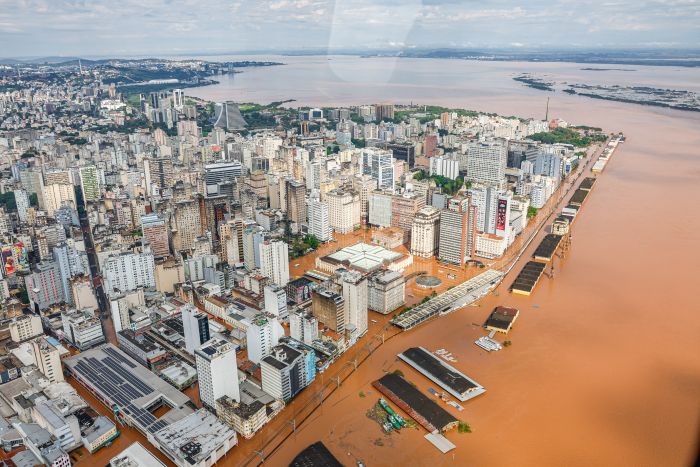
Economic collapse is a silent tsunami—banks sink, dollars rot, and trade’s the only tide. Shelves bare, desperation bites. At GoldenSurvivalist.com, we don’t beg—we barter. Here’s your plan to face the crash and stay rich in grit.
An economic collapse can trigger shortages, unemployment, civil unrest, and the breakdown of everyday services people depend on. Seniors are often hit hardest because retirement savings, pensions, and fixed incomes can evaporate quickly during financial instability.
But with preparation, you can soften the blow and maintain independence when others are scrambling.
This guide will help you build a practical plan to survive an economic collapse — especially for those of us navigating our golden years.
Understanding the Threat
Economic collapse rarely happens overnight. It builds through a series of failures:
• banking instability
• runaway inflation
• massive debt defaults
• government financial crises
• supply chain disruptions
History shows what can happen when financial systems unravel.
During the Great Depression, thousands of banks failed, and stock markets lost most of their value before recovering decades later. (AARP)
When confidence in money disappears, people begin hoarding food, fuel, and supplies.
Stores empty quickly.
Communities that prepared early remain stable.
Those who didn’t struggle to keep up.

Why Economic Collapse Hits Seniors Hard
Older adults face several unique risks during economic turmoil.
• retirement savings may shrink rapidly
• fixed incomes cannot keep up with inflation
• medical expenses remain constant or increase
• mobility issues can limit access to supplies
For seniors, preparation isn’t about stockpiling luxury goods.
It’s about stability and independence.
The goal is simple:
Stay comfortable.
Stay fed.
Stay medically supported.
Stay financially flexible.
Step 1: Strengthen Your Financial Resilience
Your first line of defense is financial flexibility.
When banks limit withdrawals or markets fall, having diversified access to resources can help you stay afloat.
Consider preparing with:
• emergency cash stored securely at home
• multiple bank accounts or credit unions
• low-debt living whenever possible
• essential bills automated or prepaid
• physical assets that hold value
Even government emergency guidance suggests keeping cash on hand during disasters in case electronic payments fail. (Ready.gov)
Think of it as fuel for your survival engine.
Without liquidity, every other plan becomes harder.
Hear the Market’s Crack
Collapse whispers then slams: X cries bank runs, gas pumps dry, or bread hits $15 in Tampa. Florida’s tourist veins—Orlando, Miami—bleed first when cash quits. Watch ATMs choke, streets empty fast—that’s your breach. Listen up—mark it

Step 2: Build a Practical Supply Buffer
During economic collapse, shortages become common.
Supply chains slow down.
Manufacturing pauses.
Transportation costs skyrocket.
The solution is not panic buying.
It’s building a calm reserve over time.
Focus on essentials first:
- Food
- Water
- Medicine
- Hygiene supplies
- Basic tools
Many preparedness experts recommend maintaining stored supplies that can sustain a household if supply chains fail. (The Provident Prepper)
For seniors, the most important items include:
• prescription medications
• shelf-stable food
• medical supplies
• batteries and lighting
• mobility aids and backups
Pack a Kit to Ride the Rush
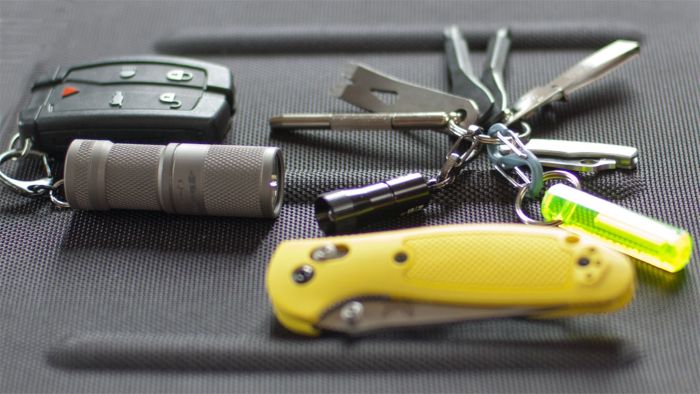
Gear’s your coin—stock for 5-7 days:
- Water: 1 gallon daily—rivers don’t take cards.
- Food: Sealed oats, peanut butter—hunger hits hard.
- Gear: Axe, solar lamp, barter stash—fix, light, trade.
- Health: Bandages, antibiotics—docs cost blood.
Stash it, split—check it; one raid can’t take all.
Step 3: Develop Barter and Trade Options
When currency loses value, communities often return to trade economies.
Skills and practical goods become valuable again.
Items commonly used for barter include:
• canned food
• medical supplies
• batteries
• seeds
• tools
• fuel
• hygiene products
Skills can be just as valuable.
- Gardening
- repair work
- medical knowledge
- food preservation
- animal care
Think of barter like a backup currency.
Instead of dollars, you’re trading usefulness.
Raise a Plan That Floats
Stock value—paper’s trash. Hoard 30 days—rice, beans, fish—stores fade fast. Water: 10 gallons per head—grids don’t care. Secure your hold—urban, lock tight; rural, fence up. Barter plan: ammo, rum, skills—gold’s dead weight. Florida edge? Salt trades—swampers crave it. Drill it—when wallets drown, you rise.
Step 4: Reduce Dependence on Fragile Systems
Modern life depends on fragile infrastructure.
- Electric grids
- banking systems
- transportation networks
- global supply chains
Economic collapse stresses all of them.
Strengthen your independence by learning basic resilience skills:
• food preservation
• gardening
• basic repairs
• cooking from scratch
• water purification
These skills transform you from a consumer into a survivor.
Dam Your Ground From the Surge
Fortress—chain doors, mesh windows, hide wealth—looters smell broke. Urban? No glow—lights draw eyes. Rural? Perimeter bells—bandits prowl. Florida twist?
Step 5: Build Community
Isolation is dangerous in any disaster.
Economic collapse is no different.
Strong communities survive financial hardship better than individuals alone.
Neighbors share tools.
Families combine resources.
Skills are spread across the group.
Start building connections now.
- Preparedness groups
- church communities
- gardening clubs
- local farmers
Your network becomes your real safety net.
Swim When It Breaks
Trade fast—need beats greed. If caught, ration—half a meal holds you. Post-crash, dodge thieves, rot—hunger festers. Stay up—despair fears height.
FAQs
What causes economic collapse?
Economic collapse can be triggered by banking failures, runaway inflation, massive debt crises, supply chain disruptions, or government instability.
How should seniors prepare for economic collapse?
Focus on emergency cash, essential supply storage, medical preparedness, and reducing financial vulnerabilities.
What items are valuable during economic collapse?
Food, medical supplies, fuel, hygiene items, tools, and seeds often become useful barter goods.
Can economic collapse affect food availability?
Yes. Supply chain disruptions and panic buying can lead to shortages and price spikes.
Related Disaster Preparedness Guides
Economic instability often triggers other emergencies. Strengthen your preparedness by exploring these guides:
Solar Flare Preparedness
A severe solar storm can disable power grids and financial systems overnight. Learn how to protect electronics and maintain communication.
Cybersecurity Threats
Digital banking failures and cyberattacks can freeze accounts and disrupt access to funds.
EMP Preparedness
Electromagnetic pulses could disable vehicles, power grids, and banking infrastructure.
Power Outage Survival
Economic crises often lead to infrastructure failures that cause extended blackouts.
Supply Chain Disruption Planning
When transportation and manufacturing slow down, shortages spread quickly.
Final Thoughts
Economic collapse is not just about money.
It’s about systems breaking down.
When stores empty, when banks limit withdrawals, and when prices spiral beyond reach, preparation becomes the difference between fear and stability.
The goal isn’t to predict the future.
The goal is to build resilience so that no matter what happens — recession, inflation, or financial crisis — you remain steady while others panic.
Preparedness gives you options.
And options are survival.
Economic collapse floods the frail, but we stand. Hear the crack, raise your plan, pack your kit, dam your base, and swim swift. When cash breaks, you’re steady atop. Act now—markets wobble. Stay fierce, stay alive!
Comment Section
What’s the first thing you would secure if the economy suddenly crashed tomorrow — food, cash, or community? Please share your thoughts below. We learn the most from each other.