Civil Unrest Survival Planning for Seniors: Staying Safe During Community Unrest
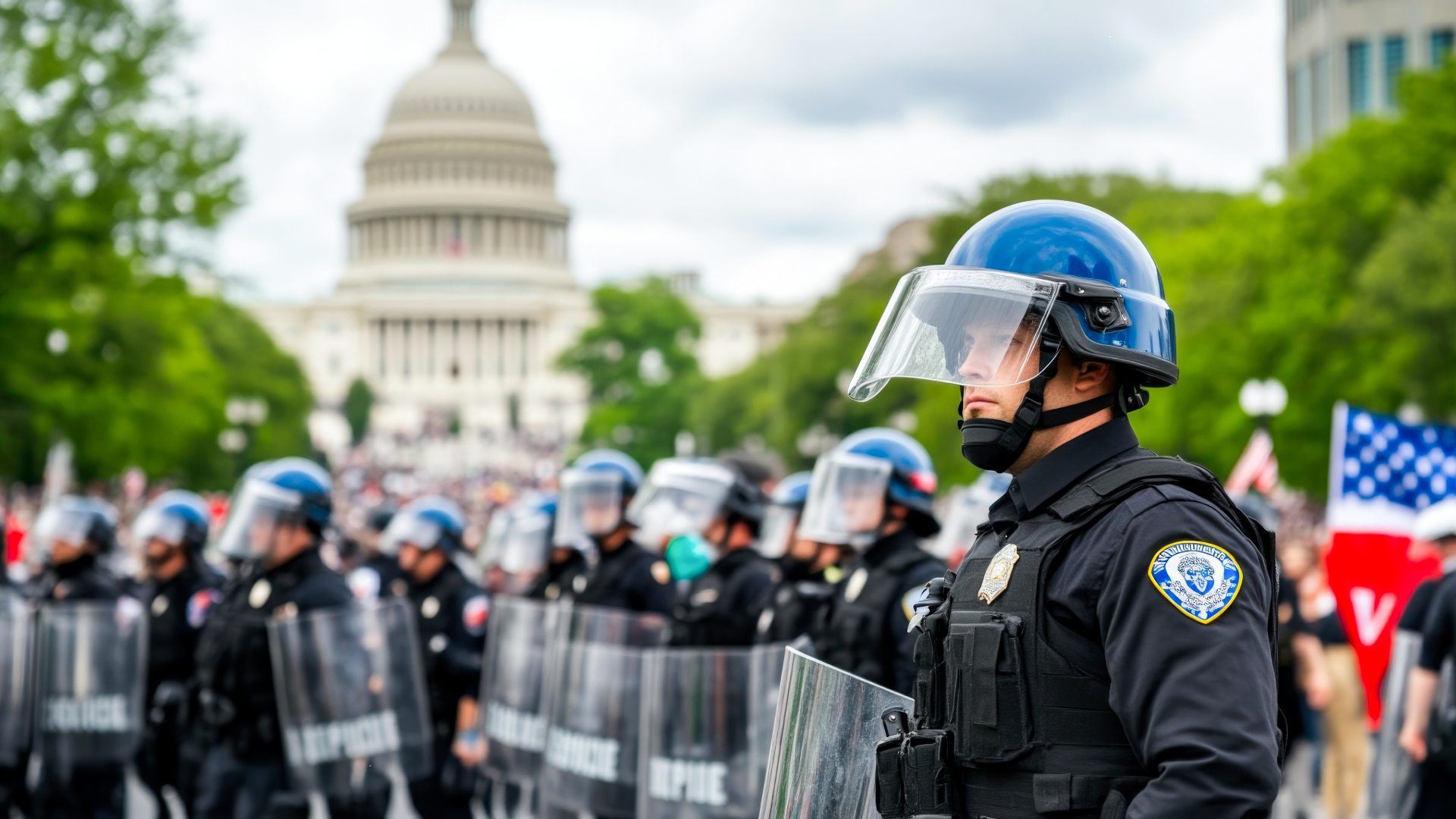
Why Civil Unrest Can Disrupt Communities Quickly
Civil unrest survival planning becomes important when protests or social tensions disrupt normal life. For older adults, disaster preparedness for seniors requires extra attention to home safety, medical needs, and supply independence.
Preparation is not about expecting chaos everywhere.
It’s about making sure that if unrest reaches your area, you already know what to do.
With a calm plan and a few practical preparations, you can stay safe, secure your home, and avoid the worst effects of community disruption.
This guide is part of the Ultimate Disaster Survival Guide, where you can explore 29+ emergency scenarios seniors should prepare for to protect their safety, independence, and home. It will help you build a practical plan to survive an economic collapse — especially for those of us navigating our golden years.
Step 1: Understand How Civil Unrest Disrupts Daily Life
Most people imagine riots and burning buildings.
The real problems usually start earlier.
Civil unrest commonly causes:
• road closures and transportation problems
• grocery and pharmacy shortages
• emergency service delays
• power outages and damaged infrastructure
• curfews or restricted movement
In other words, civil unrest behaves a lot like a localized supply chain disruption. Your goal is to reduce your dependence on unstable systems.
Step 2: Strengthen Your Home Security Before Trouble Starts
During unrest, opportunistic crime increases.
Homes that look unprepared become targets.
Basic security improvements include:
• reinforced door locks
• outdoor motion lights
• working cameras or alarms
• locking gates and fences
• trimmed shrubs to remove hiding places
Think of your home like a turtle shell.
When the outside world becomes chaotic, your house becomes your safe space.
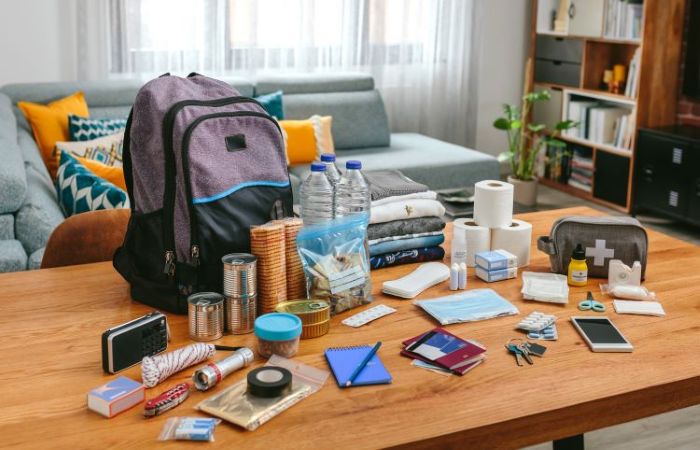
Step 3: Build a Two-Week Emergency Supply Buffer
Civil unrest often disrupts deliveries and temporarily closes stores.
A short supply buffer reduces stress.
Focus on essentials:
Food
• canned goods
• dried foods
• easy-to-prepare meals
Water
• bottled water
• stored water containers
Medical
• prescription medication refills
• first-aid supplies
Household items
• batteries
• flashlights
• hygiene supplies
This is not panic hoarding.
It is normal redundancy planning.
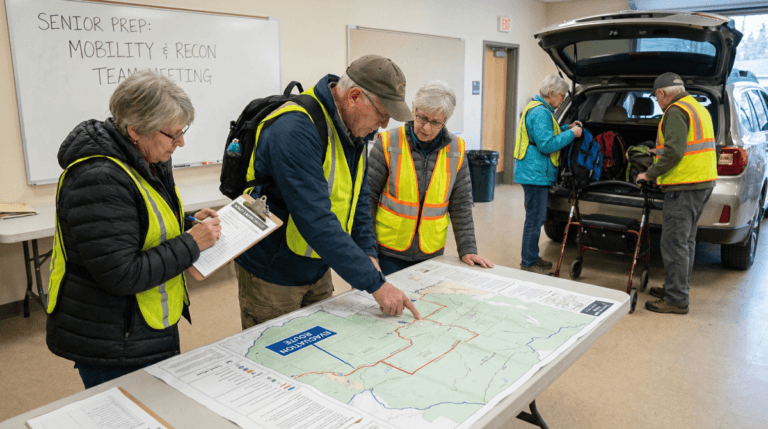
Step 4: Plan Safe Movement and Evacuation Routes
If unrest spreads into your neighborhood, leaving early is safer than leaving late.
Identify:
• alternate driving routes
• nearby safe locations
• friends or relatives outside the unrest area
• local shelters or community centers
For seniors, especially, transportation planning matters.
Make sure:
• your vehicle has fuel
• mobility aids are ready
• emergency bags are packed
The best evacuation is the one planned before you need it.
Step 5: Stay Informed Without Feeding Panic
Information is power during civil disturbances.
But misinformation spreads quickly.
Reliable information sources include:
• local emergency alerts
• NOAA weather radio
• trusted local news
• community messaging systems
Avoid relying solely on social media rumors.
Good decisions come from verified information.
Step 6: Build a Neighborhood Awareness Network
No one handles unrest completely alone.
Neighbors can help each other watch for problems.
Simple steps:
• exchange phone numbers
• check on elderly neighbors
• share updates on local conditions
• coordinate help if someone needs assistance
Community awareness reduces risk for everyone.
Isolation increases vulnerability.
FAQ Section
What causes civil unrest?
Civil unrest can be triggered by political protests, economic stress, social tensions, controversial events, or large demonstrations that escalate into violence or property damage.
How long does civil unrest usually last?
Some disturbances last only a few hours, while others can continue for several days or weeks, depending on the situation and the authorities’ response.
Should seniors evacuate during civil unrest?
Most of the time, the safest option is to stay home and avoid crowds. However, if unrest spreads into your neighborhood or essential services stop functioning, leaving early may be the safer option.
What supplies help during civil unrest?
Focus on basic needs such as food, water, medications, batteries, lighting, and communication devices to stay safe without traveling through unstable areas.
What other disasters should seniors prepare for?
You can explore our full preparedness library in the Ultimate Disaster Survival Guide.
Final Thoughts: Preparation Keeps Chaos Manageable
Civil unrest is unpredictable.
It may last hours.
It may last weeks.
But preparation turns chaos into a manageable situation.
Strengthen your home.
Store essential supplies.
Plan safe movement routes.
Stay informed.
Most importantly, stay calm.
Preparation is not about fighting the storm.
It is about standing steady while it passes.
Related Disaster Planning Guides
Civil unrest is only one type of crisis that can disrupt daily life. These guides will help you prepare for other emergencies that may affect seniors and families.
• Supply Chain Collapse Planning – How to stay stocked and prepared when deliveries and store shelves fail.
• Economic Collapse Preparedness – Protecting finances, supplies, and stability during major economic downturns.
• Power Grid Failure Planning – How to handle extended power outages safely.
• Cybersecurity Threat Preparedness – Protecting identity, finances, and digital systems during cyber attacks.
See the full preparedness library of all 29 articles that are part of the Ultimate Disaster Survival Guide.
Comment Section
Civil unrest affects every community differently. Have you ever experienced protests, riots, or major disruptions where you live? What preparations helped you stay safe? Share your experience in the comments so others can learn from it.