Key Survival Gear Seniors Often Forget
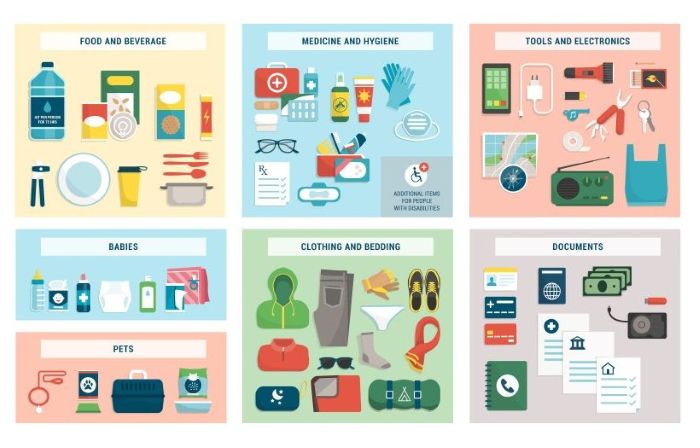
You’ve seen the perfectly staged bug-out bags and neatly stocked prepper pantries online. They look complete — but even thoughtful planning can leave small gaps. For seniors, overlooked details can quietly create stress or pose risks during an emergency.
This guide walks you through ten commonly missed categories so you can review your preparations calmly and strengthen your plan with confidence. Take your time, read each section, and build a checklist that truly supports your safety and peace of mind.
Overlooked Daily Use Items Seniors Forget
Small daily items are easy to ignore when planning for big disasters. But comfort and routine matter more than most people realize. For seniors, simple disruptions can create unnecessary stress and fatigue.
Check everyday items you rely on — reading glasses, spare batteries, nail care tools, hearing aid supplies, and personal comfort items. If you use it weekly, you likely need a backup plan for it.
Power and Light Prep Gaps for Seniors
Power outages hit seniors harder than most. Limited lighting increases fall risk. Medical devices and refrigerated medications depend on electricity.
Backup flashlights, headlamps, battery storage, and alternative charging methods are essential. If you depend on powered mobility devices or medical equipment, your power plan must support them first.
Low-Profile Safety Tools for Seniors
Security is not about aggression. It is about prevention and awareness. Seniors benefit from tools that increase safety without escalating conflict.
Discreet alarms, motion lighting, layered locks, and visibility strategies reduce risk quietly. Preparedness should feel steady, not confrontational.
Sanitation and Waste Oversights
Hygiene failures quickly become health risks. Seniors are more vulnerable to dehydration, infection, and skin breakdown.
Plan for waste disposal, hand sanitation, and backup toilet systems. Dignity and cleanliness are part of real preparedness.
Mental, Emotional, and Sleep Support
Stress multiplies physical risk. Poor sleep weakens decision-making and balance. Long emergencies strain emotional resilience.
Include comfort items, routine tools, and calming strategies in your plan. Mental stability protects physical health
Medical and Mobility Blind Spots for Seniors
Medical readiness goes beyond a basic first-aid kit. Prescription backups, organized medication lists, and accessible storage matter.
Mobility planning is equally important. Can you evacuate safely with your current physical ability? Realistic testing prevents dangerous surprises.
Overlooked Clothing and Wearables
Clothing protects against weather, injury, and exhaustion. Seniors often underestimate how quickly temperature changes affect them.
Layered garments, durable footwear, gloves, and weather protection should be staged and ready. Comfort supports endurance.
Barter and Backup Currency
Cash disruptions happen quickly in emergencies. Digital systems may fail. Access to small bills and tradeable items increases flexibility.
Preparedness includes financial resilience. Even modest backup funds reduce panic.
Security and Self-Defense Gaps for Seniors
Self-defense is a system, not a single tool. Avoidance, awareness, and layered protection are more effective than reactive force.
Seniors benefit most from prevention strategies and clear exit plans. Safety comes from planning, not bravado.
Mobility, Evacuation, and Recon Essentials
Evacuation plans must match reality. Routes, transportation readiness, and physical ability must align.
Walk through your exit plan. Time it. Adjust it. Confidence comes from testing, not assuming.
But when it actually matters, it’s never the gear you posted on Instagram that saves you. It’s the items you didn’t even think to pack. Most people prepping for emergencies get distracted by the big-ticket items and popular checklists.
As a Survival Prepper, What Am I Not Thinking About?
You may assume that if you have a water filter, a firearm, and some freeze-dried food, you’re good to go. But survival doesn’t work like a board game. It’s messy, stressful, full of curveballs, and it tests every part of your day-to-day functioning. That’s where most prepping plans fall apart—not from lack of effort, but from blind spots.
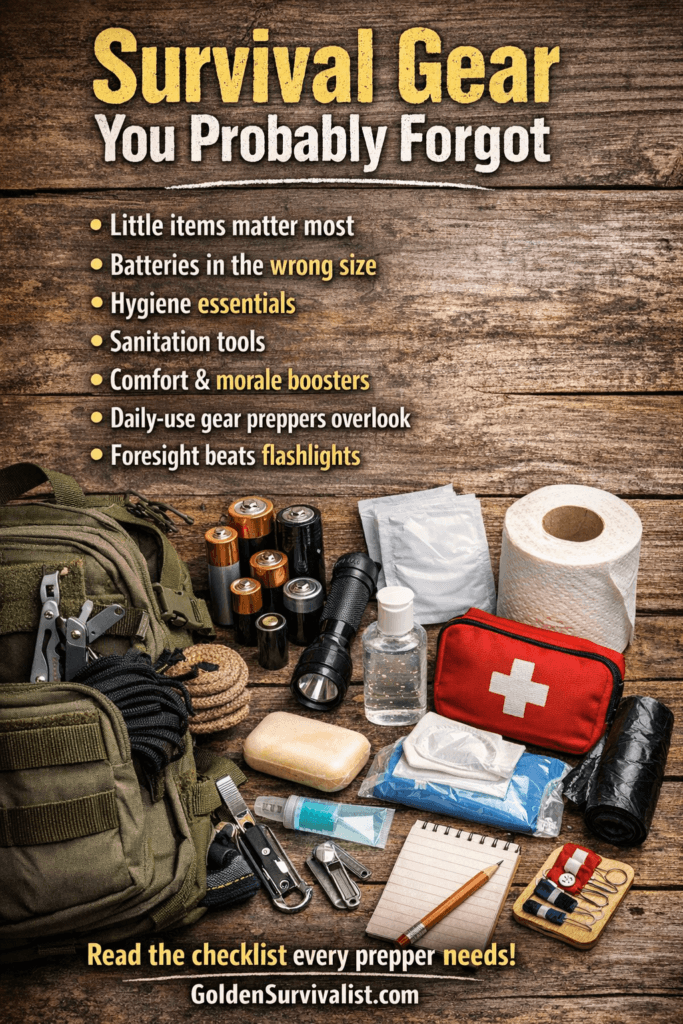
Missing just one overlooked item can mean the difference between calm control and total chaos. It’s not glamorous to talk about toenail clippers or duct tape. But when you’ve got an infected hangnail and no clean way to cut it, that tiny inconvenience can spiral fast.
When the lights go out, and you realize all your batteries are in AAA but your flashlight takes AA, it’s too late to care about how “minimalist” your packing was. When you’ve eaten well for days but haven’t gone to the bathroom comfortably because you forgot to think about sanitation, every bite starts to feel like a mistake.
These aren’t dramatic movie scenarios. These are the kinds of issues that quietly crush morale and push people to make bad decisions. Most preppers focus on surviving the event itself.
But what happens after the shock wears off? What happens when it’s day five without power, or week two without access to a store? That’s when forgotten items suddenly become the things you wish you had more than anything.
You can’t go back in time and pack differently. You have to suffer through the consequences or hope someone else planned better than you. And if you’re the one responsible for others—your kids, your spouse, an aging parent—that weight hits even harder.
It’s one thing to deal with your discomfort. It’s another thing to look into someone else’s eyes and realize you forgot something basic that could have made them safer, cleaner, warmer, or less scared.
Preparedness isn’t just gear. Preparedness is foresight. It’s asking, “What am I not thinking about?” before the answer shows up as a problem you can’t fix.
What Did You Forget?
Every survival prepper has that one thing they didn’t think of—until it was too late.
Now it’s your turn: What’s an item you forgot to pack but wish you hadn’t?
Do you have a clever multi-use tool not listed here?
How do you prep differently as a senior or for someone who is?
Drop your thoughts in the comments. Let’s help each other stay sharp and prepared.