
Month 8: The Emergency Power and Energy Challenge
This post may contain affiliate links. If you buy through them, I may earn a small commission at no extra cost to you.
Modern life is deeply reliant on a consistent flow of electricity. Power can go out fast. Storms. Grid failure. Equipment breakdown. From lighting our homes to powering communication devices and preserving food, energy keeps our lives running smoothly.
For seniors, this is serious. No power means:
- No cold food
- No air or heat
- No medical support
- No way to call for help
This month is simple.
Keep your home running when power stops.
🟢 Step 1: Decide What Actually Matters
Do this first. No guessing.
Write down what you must keep running:
- Fridge (food, meds)
- Lights
- Phone
- Medical devices
Ignore everything else.
This keeps your system small and affordable.
🟢 Step 2: Pick ONE Simple Power Setup
Start with one. You can add later.
Easiest Setup (Best for seniors)
- Portable solar panel
- Power station (battery box)
Use it for:
- Phones
- Lights
- Small devices
Why this works:
- No fuel
- No fumes
- Safe indoors
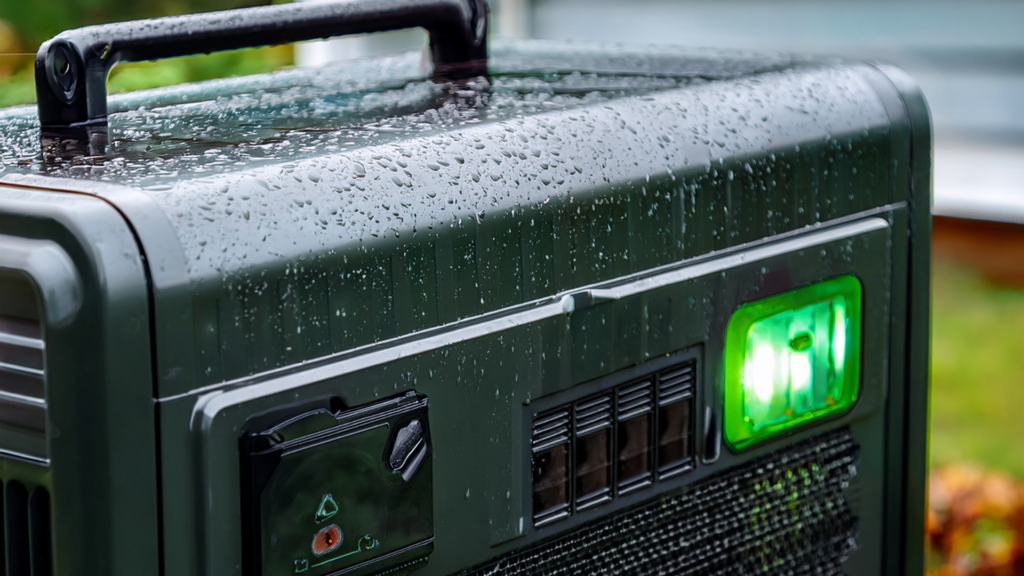
Next Level: Add a Generator
Use it only when needed.
Good for:
- Fridge
- Freezer
Simple rule:
Run it for a few hours. Then turn it off.
Do NOT:
- Run it inside
- Run it all day
Quiet Backup: Battery Only
Keep a charged power station ready.
Use at night.
Use for small things.
🟢 Step 3: Store Fuel without Risk
This is where people mess up.
Gas & Diesel
- Use proper containers
- Store outside living space
- Add stabilizer
- Rotate every few months
If it smells bad or looks off, don’t use it.
Propane (Better choice)
- Lasts for years
- Safer to store
- Easy to use
Keep tanks outside. Always.
🟢 Step 4: Use Less Power
Think simple.
Only run what you need.
Do this:
- Switch to LED lights
- Open fridge less
- Charge during daylight
- Turn things off fully
Think of power like stored food.
Use it slowly, or you run out.
This Challenge Is Part of Something Bigger
Stay Powered When Everything Else Fails
Want a full plan, not guesswork?
🟢 Step 5: Build a Solar Cooker (Smart Backup)
This is simple and powerful.
No fuel. No electricity.
You need:
- Box
- Foil
- Clear cover
- Dark surface
It cooks with sunlight.
Use it to:
- Cook food
- Boil water
This saves your fuel for later.
🟢 Step 6: Build a Small Energy Kit
Keep this ready in one place.
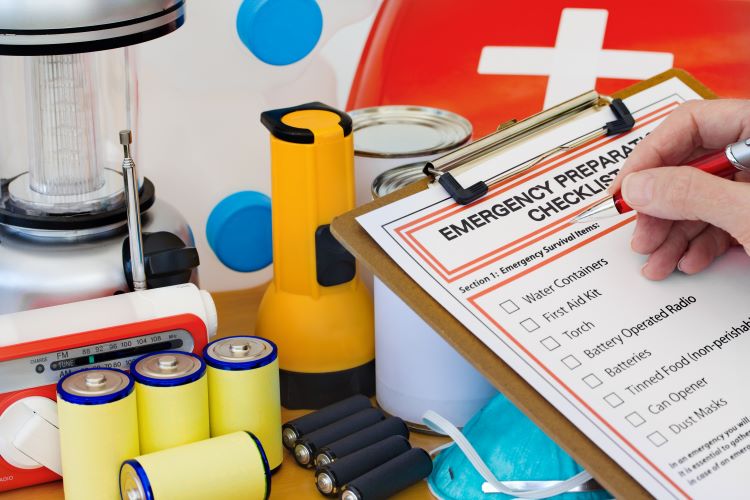
Your kit:
- Solar charger
- Power bank
- Flashlights
- Extra batteries
- Extension cords
- Fuel supply
Keep it simple. Easy to grab.
🟢 Step 7: Test It
Do not skip this.
Try a “no power day.”
Ask:
- What worked?
- What failed?
- What ran out fast?
Fix it now. Not during an emergency.
You already built strong medical readiness with the skills you developed in Month 7, and now those systems need reliable power to work.
🧠 Final Thoughts
You don’t need a complex system.
You need one that works.
If you can:
- Keep food safe
- Stay comfortable
- Charge your phone
You’re ahead of most people.
💬 Comment Section
What backup power do you have right now? Have you tested it? What surprised you? Share below. Someone else will learn from it.
This Challenge Is Part of Something Bigger
This is one piece of your plan.
Keep Going. Build the Full System.
Next, you will begin building self-sufficiency skills in Month 9 so you rely less on outside systems.
❓ FAQs
What is the easiest backup power for seniors?
A portable solar panel with a power station. It is simple, safe, and easy to use.
Can I run a generator inside my house?
No. It produces deadly carbon monoxide. Always use it outside.
How long does stored gasoline last?
About 3 to 6 months. Longer if you add stabilizer.
Is propane better than gasoline?
Yes for storage. It lasts longer and is more stable.
What should I power first in an outage?
Medical devices, refrigerator, lights, and communication.
Do solar panels work during outages?
Yes, if paired with a battery system.