
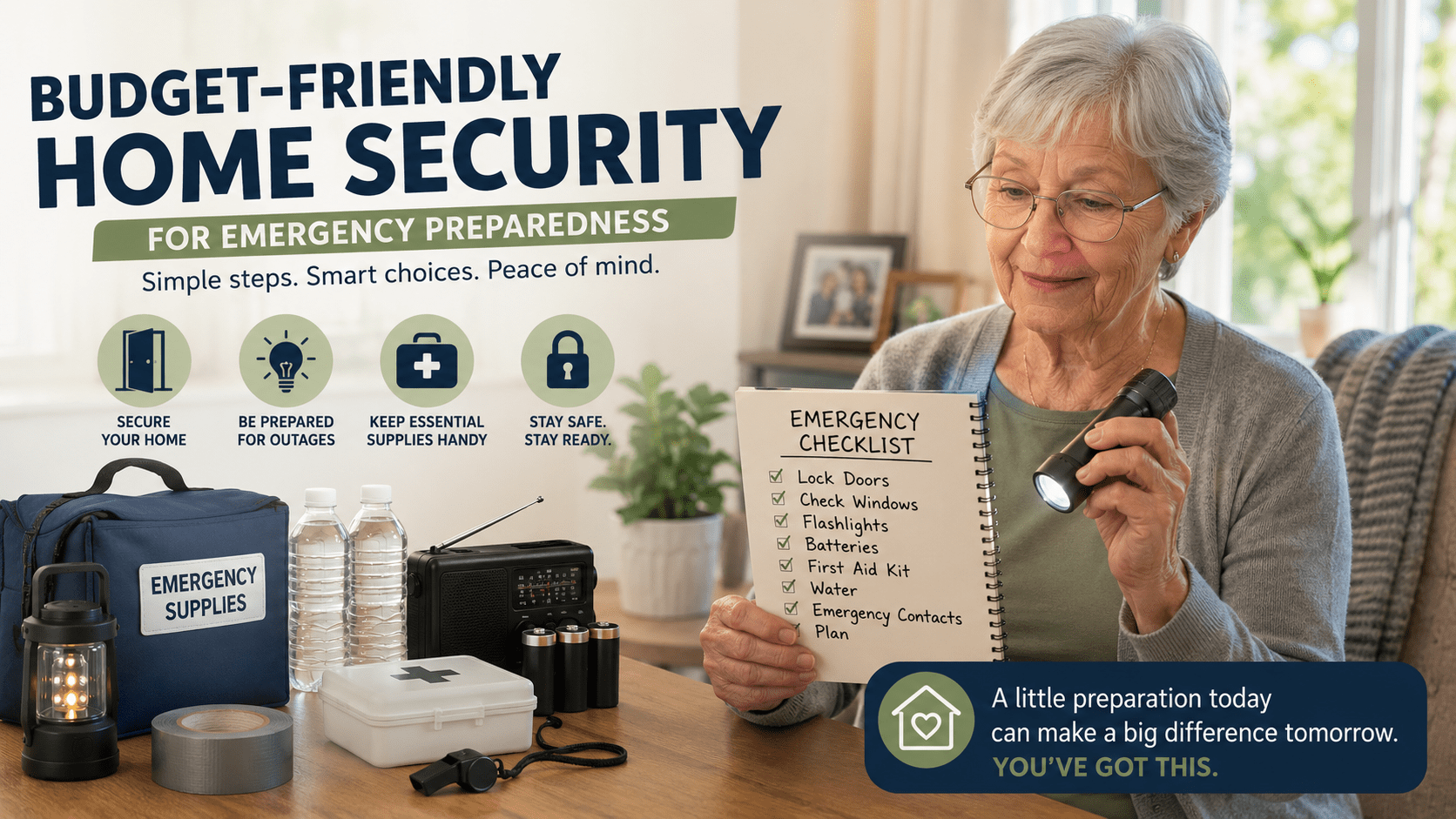
Budget-Friendly Home Security for Emergency Preparedness
This post may contain affiliate links. If you buy through them, I may earn a small commission at no extra cost to you.
Home security matters more than people realize when emergencies happen. I think it is kind of the first thing standing between your family and whatever is going on outside. That includes break ins or disasters or losing power or even unrest. It helps keep supplies safe too and just gives you a bit more peace of mind overall.
Many assume you need expensive systems or big renovations to make your place stronger. But it seems like that is not the only way.
Small upgrades and changing some habits can improve safety without spending too much.
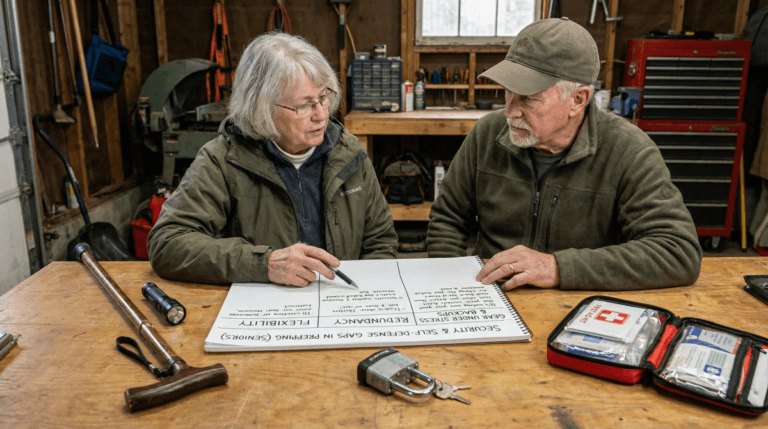
This guide supports the Security and Defense Challenge from the 12 Months of Survival Prepper Challenges on Golden Survivalist, helping seniors and families build practical protection strategies step-by-step.
Why Home Security Matters during Emergencies
When disasters strike, emergency services may be delayed. Power outages can disable alarms and streetlights. Civil unrest or panic buying can increase crime and trespassing.
A secure home helps:
- Protect your supplies
- Keep your family safer
- Reduce panic and stress
- Buy valuable time during emergencies
- Create a stronger shelter-in-place environment
Home security is not about turning your property into a fortress. It is about making your home harder to target and easier to defend.
Start by Identifying Weak Points
Before spending money, walk around your property and look for vulnerabilities.
Pay attention to:
- Weak door frames
- Sliding glass doors
- Dark areas around the home
- Overgrown landscaping
- Basement windows
- Easy access points
- Poor visibility from neighbors
Many security problems can be improved with simple repairs and maintenance.
Reinforce Doors without Spending a Fortune
Doors are one of the most common entry points during break-ins.
Affordable upgrades include:
- Heavy-duty deadbolts
- Reinforced strike plates
- Three-inch screws in door frames
- Door reinforcement bars
- Peepholes
- Video doorbells
Even a basic reinforcement kit can make a door much harder to kick open.
For seniors, easy-to-use locks and handles are important. Avoid complicated systems that are difficult to operate under stress.
Related Links
- Month 4: The Security and Defense Challenge
- Month 6: The Gray Man Skills Challenge
- Evacuation Planning for Seniors
Secure Windows on a Budget
Windows are another common weak point.
Simple improvements include:
- Window security film
- Window locks
- Wooden dowels in sliding tracks
- Motion alarms
- Security pins for sliding windows
Basement windows deserve extra attention because they are often hidden from view.
If you want extra privacy without drawing attention, consider plantation shutters or blackout curtains that also reduce visibility from outside.
Use Lighting as a Security Tool
Good lighting discourages intruders.
Focus on:
- Entryways
- Driveways
- Side yards
- Garages
- Back doors
- Dark corners
Motion-activated solar lights are inexpensive and easy to install.
Inside the home, timers can turn lights on and off automatically during power restoration periods or vacations to make the home appear occupied.
Landscaping Can Improve Security
Your yard can either help protect your home or create hiding places.
Helpful ideas include:
- Trim overgrown bushes
- Remove hiding spots near windows
- Use gravel walkways for noise
- Plant thorny bushes beneath windows
- Keep fences maintained
A clean, visible yard improves awareness and reduces hidden access points.
Affordable DIY Security Systems
Modern security systems are much cheaper than they used to be.
Many wireless systems now offer:
- Smartphone alerts
- Door sensors
- Window alarms
- Outdoor cameras
- Battery backup systems
DIY systems can often be installed without professional help.
Focus cameras on:
- Front doors
- Driveways
- Garages
- Back entrances
You do not need an expensive setup to improve awareness.
Create a Safe Room inside Your Home
Every household should have a secure location where family members can retreat during emergencies.
A safe room could include:
- Reinforced door lock
- Flashlights
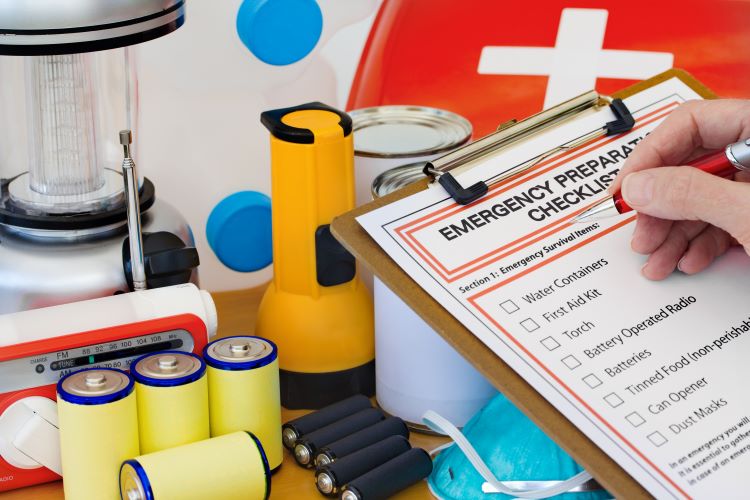
- Emergency radio
- Cell phone chargers
- Medications
- Water
- Important documents
For seniors, accessibility matters. The safe room should be easy to reach quickly, even with mobility limitations.
Related Links
- Power Grid Failure Survival Planning for Seniors
- Emergency Water Storage and Purification Basics
- Month 7: The First Aid and Medical Challenge
The Gray Man Approach to Home Security
One mistake many people make is making their homes look heavily fortified.
Visible barricades and aggressive security setups can attract attention during unstable situations.
A better approach is subtle preparedness.
Examples include:
- Reinforced doors hidden behind normal trim
- Security film instead of bars
- Quiet solar lighting
- Covered supply storage
- Neutral exterior appearance
The goal is to look normal while remaining prepared.
Build Security Habits That Cost Nothing
Some of the best security improvements are free.
Good habits include:
- Locking doors consistently
- Keeping blinds closed at night
- Avoiding oversharing on social media
- Knowing your neighbors
- Reporting suspicious activity
- Practicing emergency plans
A trusted community is one of the strongest security tools available.
Prepare for Natural Disasters, Too
Home security is not only about intruders.
Disasters can damage homes and create dangerous conditions.
Affordable improvements include:
- Storm shutters
- Precut plywood panels
- Weather stripping
- Securing furniture to walls
- Backup lighting
- Emergency battery banks
Preparation reduces damage and helps seniors remain safer during extended emergencies.
Practice Your Emergency Security Plan
Security equipment only works if everyone knows how to use it.
Practice:
- Lock down procedures
- Emergency communication
- Safe room access
- Flashlight placement
- Generator safety
- Evacuation routes
Simple practice builds confidence and reduces panic during real emergencies.
Continue Building Your Preparedness Skills
This tip is part of the 12 Months of Survival Prepper Challenges on Golden Survivalist.
👉 Continue the full challenge series here:
Final Thoughts
You do not need expensive gadgets or a bunker to improve your home security.
Small upgrades, smart habits, and practical planning can make a major difference during emergencies.
A well-prepared home helps protect your supplies, your peace of mind, and the people you care about most.
Preparedness is not about fear.
It is about stability, awareness, and making your home safer before problems begin.
Comment Section
What home security improvements have you made on a budget? Do you use motion lights, cameras, reinforced doors, or neighborhood watch systems? What security upgrade made you feel safest at home? Share your experiences and ideas in the comments below.
FAQs
What is the cheapest way to improve home security?
Improving door locks, adding motion lights, trimming landscaping, and reinforcing windows are some of the most affordable ways to improve home security.
Are wireless security systems good for emergency preparedness?
Yes. Many wireless systems are affordable, easy to install, and continue working with battery backups during power outages.
How can seniors make their homes safer during emergencies?
Seniors can improve safety by reinforcing entry points, improving lighting, creating emergency plans, and building a safe room with medical supplies and communication tools.
What is the gray man approach to home security?
The gray man approach focuses on blending in and avoiding attention while quietly improving security and preparedness.
Should I reinforce windows during emergencies?
Yes. Window security film, locks, and reinforced sliding tracks can help reduce break-ins and storm damage.