
Emergency Water Storage and Purification Basics
Water Is Survival
This is Tip #7 of the 12-Post Survival Prepper Blog Challenge series.
Water problems happen fast during disasters. Hurricanes, power outages, floods, contamination events, and infrastructure failures can leave families without safe drinking water for days or even weeks.
Learning how to safely store and purify water is one of the most important survival skills seniors can develop.
Clean water is one of the most important parts of emergency preparedness. While humans can go weeks without food, survival without water is measured in days. Yet, in times of crisis, clean and accessible water is often one of the first resources to vanish.
Whether due to infrastructure failure, natural disaster, or contamination, losing access to safe drinking water can quickly create serious health and safety problems. Safeguarding your water source isn’t just a preparation step—it’s a necessity for long-term resilience and survival.
The first step in safeguarding your water source is understanding your current vulnerabilities. Most people rely on municipal water systems, which are vulnerable to breakdowns or contamination.
A burst pipe, power outage, or even a cyberattack could disrupt the flow of clean water to your home. Even private wells aren’t immune to issues, as they depend on electrical pumps and are susceptible to contamination from flooding or agricultural runoff. Identifying the specific risks in your area helps you tailor your water preparedness strategy.
Stockpiling water is the most straightforward way to ensure access during short-term emergencies.
The general recommendation is:
- at least one gallon of water per person per day for drinking and hygiene
- with a minimum of a three-day supply.
However, this is a bare minimum. For extended emergencies, you’ll need significantly more. Calculate the needs of your household, including pets, and expand your stockpile accordingly.
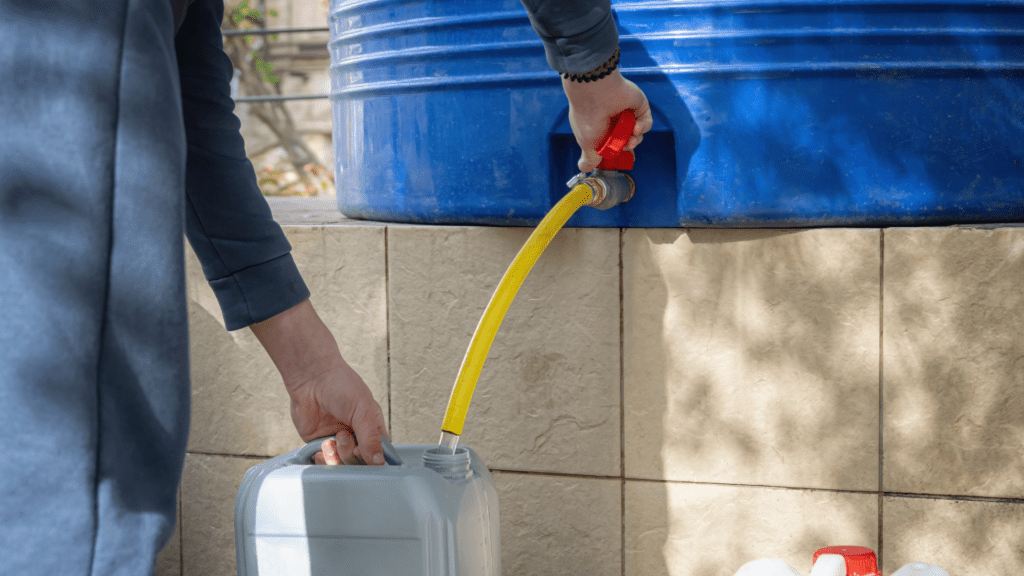
Seniors may also need extra water for medications, medical equipment, hygiene needs, and pets. Planning for these additional needs is important during long-term emergencies.
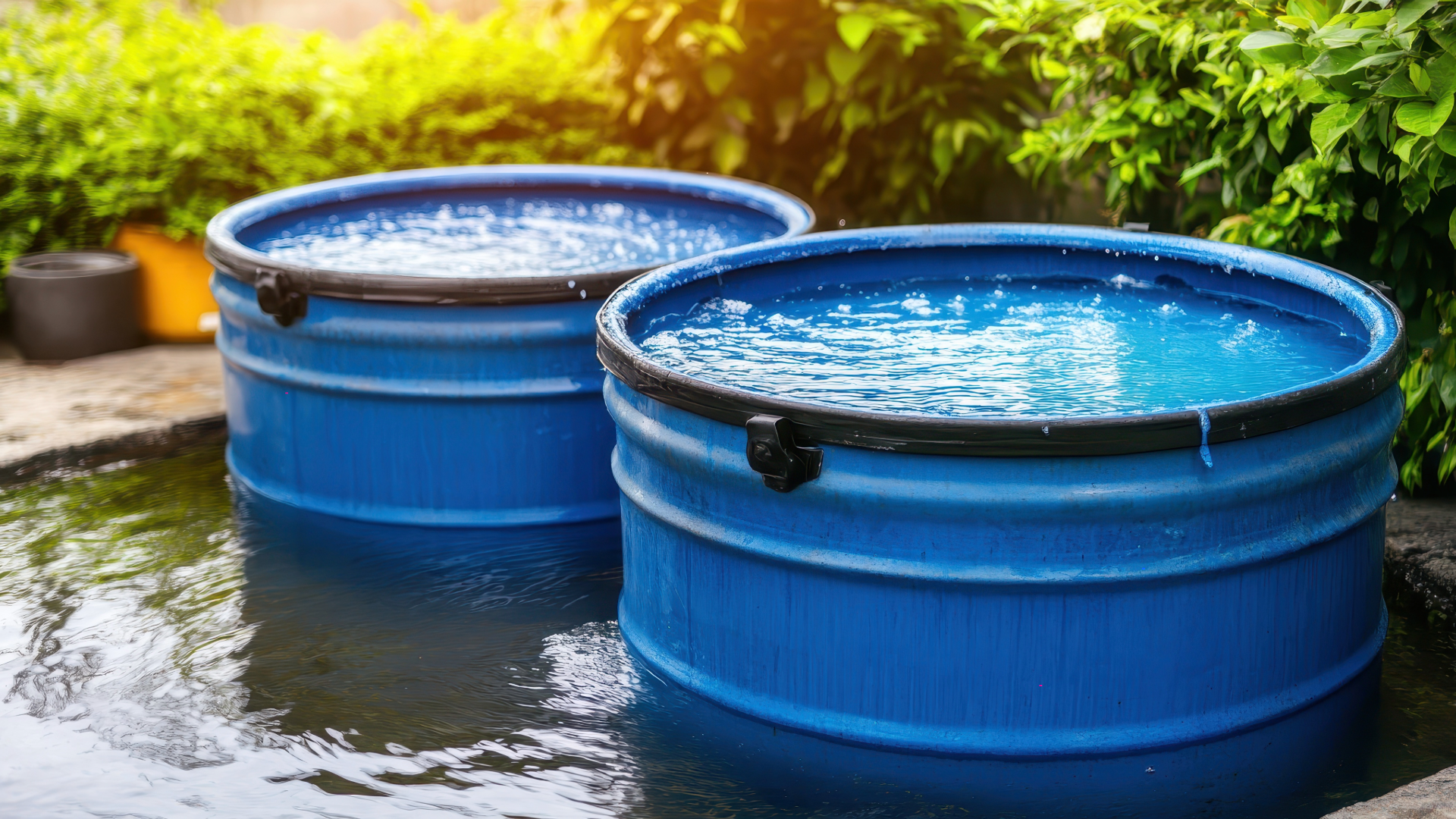
Store water in food-grade containers, avoiding materials like milk jugs that degrade over time. Larger containers, such as 55-gallon barrels, can store significant quantities but require space and careful planning to set up.
Build Your Water Preparedness One Step at a Time
Emergency water planning does not have to happen all at once.
Start with a few containers, basic purification supplies, and a realistic storage plan for your household. Small steps today can make a major difference during emergencies.
Explore more preparedness strategies in the full challenge series:
While stockpiling provides a buffer, it’s not a long-term solution. Once your stored water runs out, you’ll need to source, collect, and purify water to sustain yourself. Identifying local water sources is critical.
Streams, rivers, lakes, and ponds can all provide water, but they’re often contaminated and require treatment before use. Even rainwater, while seemingly pure, can pick up pollutants as it falls or collects on surfaces.
Understanding the risks associated with each source helps you prepare the tools and skills necessary for safe water consumption. Rainwater collection is one of the most effective ways to safeguard your water supply.
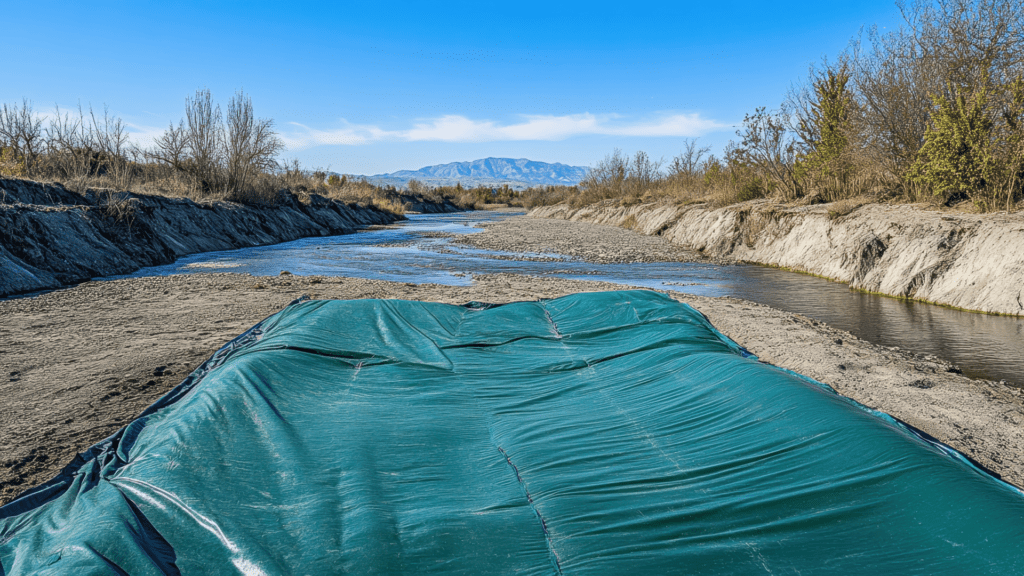
Installing a rainwater harvesting system allows you to capture and store water directly from rainfall. Basic systems can involve simple tarps and buckets, while more advanced setups use gutters, downspouts, and storage tanks.
Ensure your system includes filtration at the point of collection to remove debris, as well as a plan for purifying the water before use. In many regions, rainwater collection is legal and encouraged, but it’s important to check local regulations before setting up a system.
Water purification is a cornerstone of any survival plan. Contaminated water can carry bacteria, viruses, parasites, and harmful chemicals, all of which can cause serious illness.
Boiling is one of the simplest and most effective purification methods, killing most pathogens with just a few minutes of high heat. However, boiling doesn’t remove chemical contaminants or sediment, making it necessary to combine this method with other techniques.
Filtration systems are another essential tool. Portable water filters, like those made by LifeStraw or Sawyer, are lightweight and effective for individual use, making them ideal for evacuations or emergency travel situations.
Larger, gravity-fed filters, like Berkey systems, are better suited for families or stationary use. These filters remove particulates, bacteria, and some viruses but may not address chemical contaminants. Pairing filtration with chemical treatments, such as chlorine dioxide tablets or iodine drops, provides an added layer of protection.
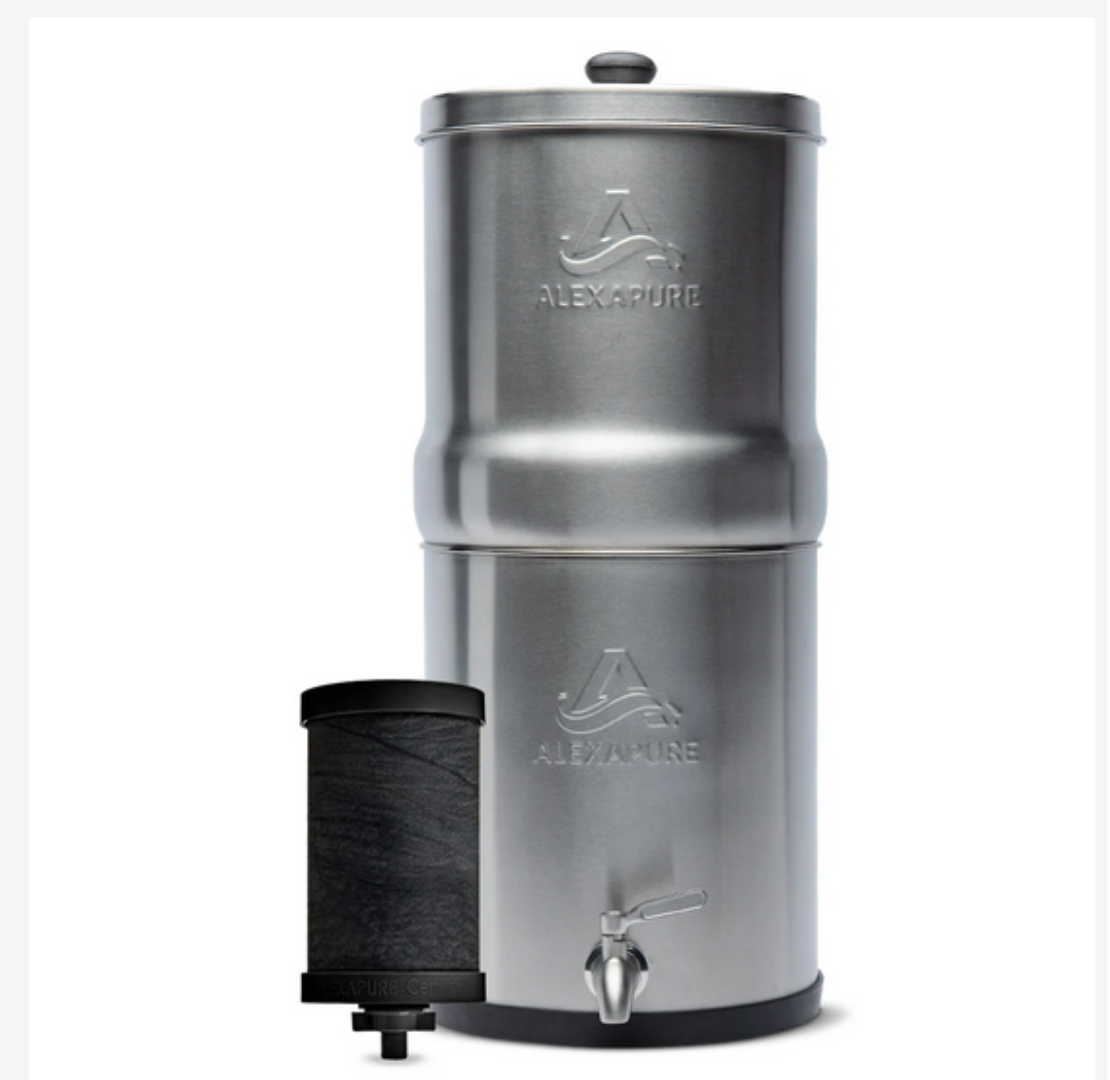
Alexapure Pro® Water Filtration System
The Alexapure Pro transforms water from virtually any freshwater source into drinking water.
It reduces 206 contaminants** commonly found in drinking water:
- Bacteria (> 99.9999%)
- Chlorine (> 99.9%)
- Fluoride (> 97%)
- Pesticides (> 95%)
- Pharmaceuticals (> 95%)
- Viruses (> 99.99%)
- Heavy metals
- Lead
Did You Know?
The Alexapure Pro Water Filtration System filter reduces 200+ contaminants** from water, while preserving essential trace minerals.

For those with access to advanced equipment, reverse osmosis systems and UV purifiers offer comprehensive water treatment. Reverse osmosis removes nearly all impurities, including dissolved solids and heavy metals, making it one of the most reliable purification methods.
UV purifiers use ultraviolet light to destroy microorganisms, providing chemical-free treatment. While these systems are highly effective, they rely on electricity, so it’s essential to have backup power sources if you choose to incorporate them into your plan.
In addition to filtration and purification, storing water safely is critical. Even treated water can become contaminated if stored improperly. Use containers specifically designed for water storage, and keep them in a cool, dark place to prevent algae growth and chemical leaching.
Regularly rotate your stored water supply to ensure freshness, and inspect containers for signs of wear or damage. Adding a few drops of unscented household bleach per gallon can help prevent bacterial growth in long-term storage, but always follow proper dilution guidelines.
Trusted Preparedness Resources
Ready to strengthen your preparedness plan? These trusted companies offer emergency food, water storage, and disaster-readiness supplies to help you prepare for the unexpected.
✅ My Patriot Supply
✅ Emergency Essentials / BePrepared
Knowing how to find water in the wild is another skill that can’t be overlooked. Nature offers subtle clues that water is nearby, such as lush vegetation, animal tracks, or damp soil.
Learning to read the landscape can lead you to hidden sources, such as underground springs or natural catchments. Carry tools like a portable shovel or digging rod to access water buried beneath the surface.
Even urban environments may hold unexpected water sources, like rooftop rain runoff or water trapped in appliances like hot water heaters. However, these sources often require intensive purification before use.
Security is an often-overlooked aspect of safeguarding your water source. In a prolonged emergency, water can become a highly valuable commodity, becoming a valuable resource during long-term emergencies.
Protecting your stored water and collection systems is essential. Consider securing barrels or tanks with locks and placing collection systems in less visible locations. If you’re using an open water source like a river or pond, keep outdoor water supplies secure and work with trusted neighbors when possible to ensure safety. Collaboration with trusted neighbors can also enhance security, creating a shared system of protection and support.
Sustaining your water supply also means preparing for different seasonal challenges. During the dry season, rainwater collection may be limited, requiring you to rely more heavily on stored water or alternative sources.
Don't Face Emergencies Without Water
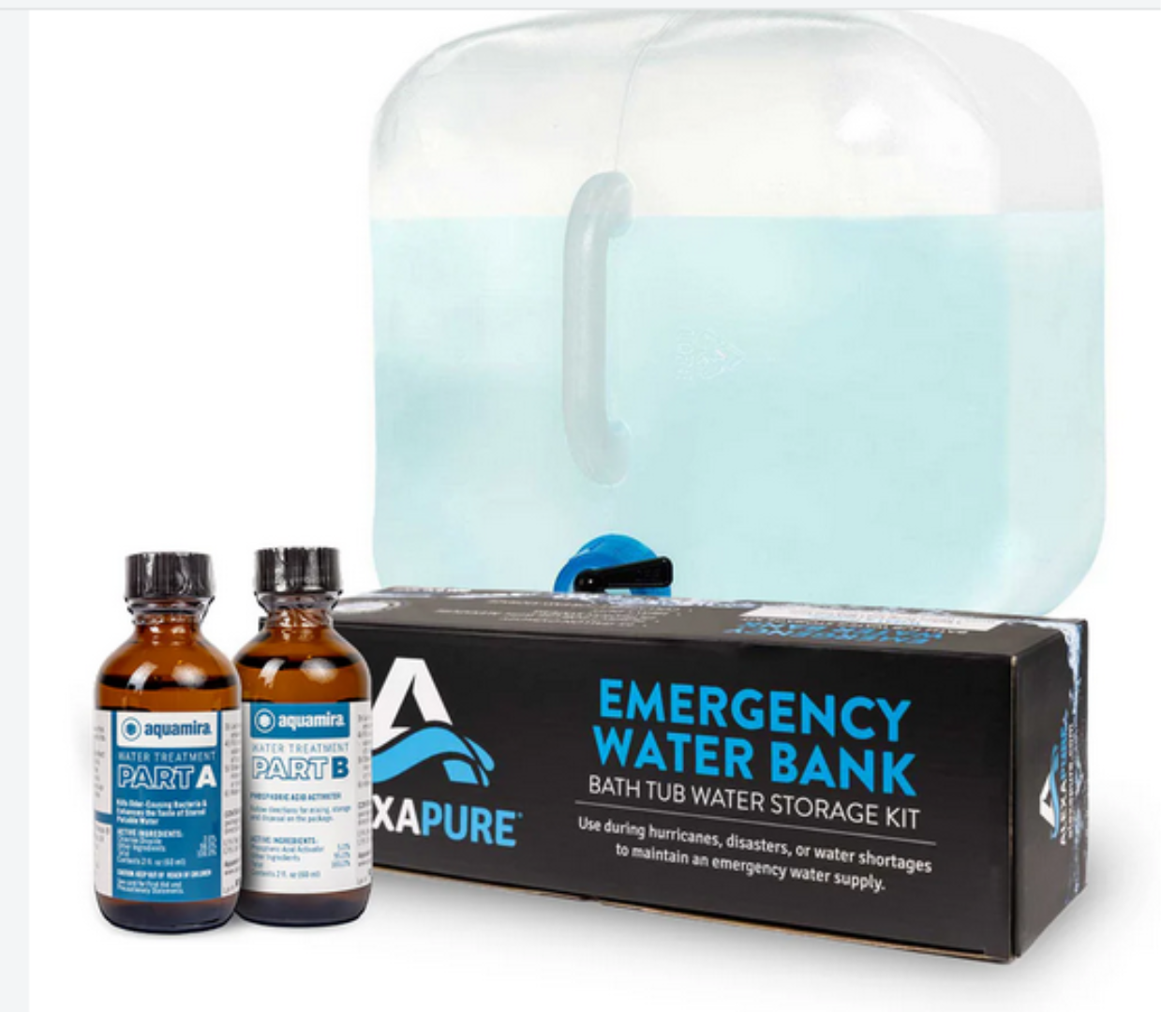
Keep your family hydrated through disasters with our Essential Water Storage Kit which includes:
Aquamira Chlorine Dioxide Water Treatment
Add this Aquamira treatment while you're filling up water containers or to existing water storage for treated water to drink.
Alexapure 5-Gallon Collapsible Water Container
This 5-Gallon Collapsible Water Tote is the best vessel for grab-and-go disaster preparedness you’ll find.
Alexapure Emergency Water Bank
Heavy-duty, BPA-free bathtub liner that fills with water. 65-gallon max capacity. Holds more than a "Big Blue Water Barrel" and takes up very little space.
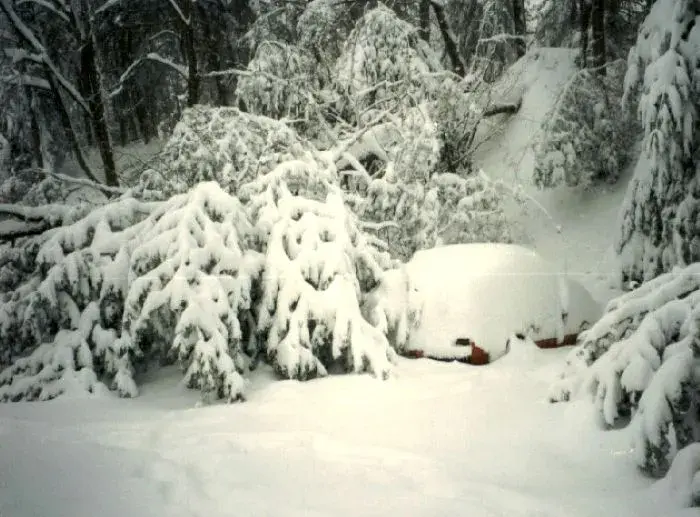
In colder climates, freezing temperatures can render outdoor storage containers unusable. Insulating barrels or storing water indoors can prevent freezing. Alternatively, keep portable propane heaters or fire pits on hand to melt snow and ice for drinking water. These preparations ensure that your water strategy is adaptable year-round.
Another vital consideration is water conservation. Even with a robust supply, it’s essential to use water wisely to stretch your resources. Implement rationing protocols for drinking, cooking, and hygiene, prioritizing essentials over luxuries.
Simple practices, like washing hands with hand sanitizer instead of water or reusing water for multiple purposes (e.g., using dishwashing water for flushing toilets), can significantly extend your supply. Teach your household members the importance of conservation so everyone understands their role in maintaining the system.
Finally, incorporate regular testing and maintenance into your water preparedness plan. Test your stored water periodically for quality, especially if it has been sitting for an extended period.
Continue the 12 Months of Survival Prepper Challenges
This tip is part of the 12 Months of Survival Prepper Challenges on Golden Survivalist.
Explore the full challenge series here:
Clean collection systems, filters, and storage containers to prevent buildup of debris or biofilm. Practicing these maintenance routines ensures that your water systems remain functional and reliable when you need them most.
Related Links
Month 2: The Water Resilience Challenge
Emergency Food Storage Basics for Long-Term Preparedness
Power Grid Failure Survival Planning for Seniors
Water Contamination Survival Planning for Seniors
Ultimate Disaster Survival Guide
Water preparedness is an ongoing part of preparedness that requires attention to sourcing, storing, purifying, and protecting your supply. By taking a comprehensive approach, you can safeguard this vital resource for both short-term emergencies and long-term survival. In times of crisis, a secure water source provides more than just hydration. It offers peace of mind, resilience, and the foundation for staying safer and more prepared during emergencies.
Comment Section
How much emergency water do you currently store at home? Have you tested any water purification methods yet? What concerns you most about losing access to clean water during an emergency? Share your thoughts and tips below.
FAQs
What is the best way to store emergency water?
Store water in food-grade containers in a cool, dark place away from chemicals and direct sunlight.
How much emergency water should seniors store?
Most experts recommend at least one gallon per person per day for a minimum of three days, but longer-term storage is safer.
What are simple ways to purify water during emergencies?
Boiling, water filters, purification tablets, and unscented household bleach can help make water safer during emergencies.
Why is water preparedness important during disasters?
Clean water is necessary for drinking, medications, cooking, sanitation, and preventing dehydration and illness.
How often should stored emergency water be replaced?
Many experts recommend rotating stored water every 6 to 12 months for freshness and safety.