
Water Contamination Survival Planning for Seniors: Safe Water After Floods, Spills, and Outages
This post may contain affiliate links. If you buy through them, I may earn a small commission at no extra cost to you.
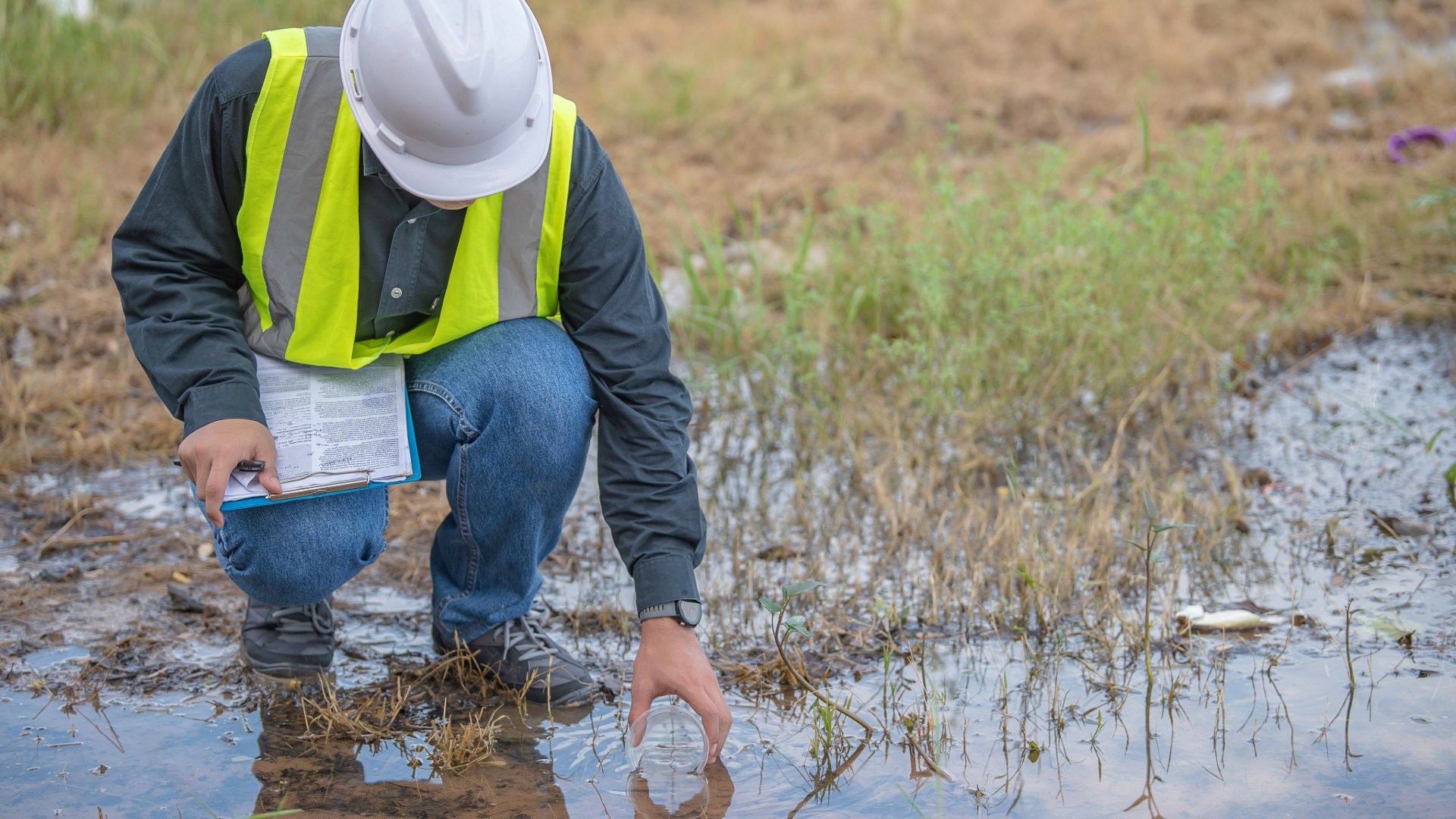
Clean tap water is easy to take for granted—until a disaster changes everything. Flooding, chemical spills, power failures, and damaged infrastructure can make water unsafe with little warning. When contamination happens, tap water may not be safe to drink, cook with, brush your teeth with, or use for medications.
This guide helps seniors recognize water contamination risks, respond safely, and protect health until clean water service returns.
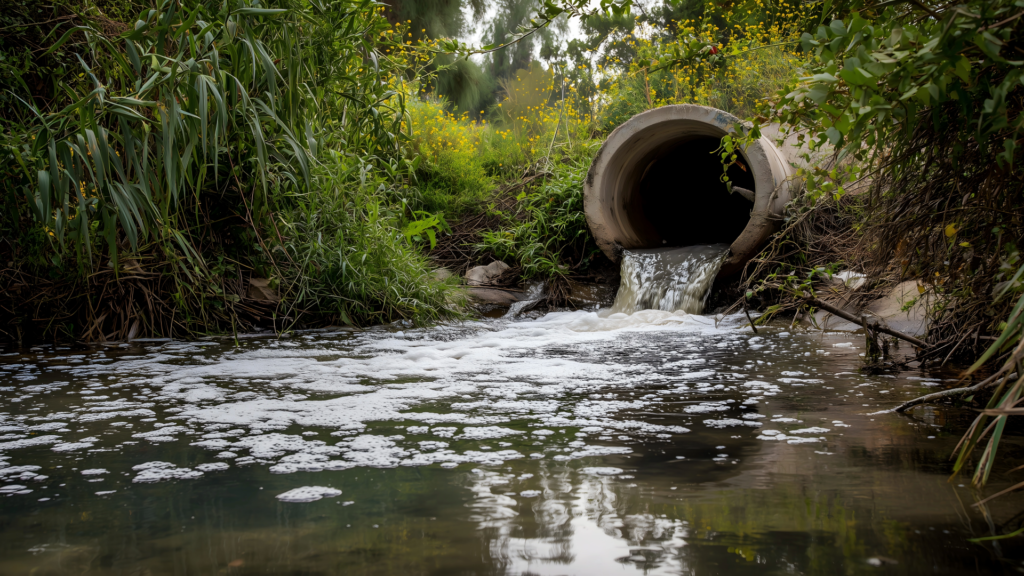
Flooding and chemical spills can contaminate rural and public water supplies. Damaged treatment plants or failing infrastructure can also contaminate public water supplies. When that happens, tap water may become unsafe to drink, cook with, or even brush your teeth with.
For seniors, water safety is especially important. Many medications require adequate hydration, and dehydration can become dangerous much faster for older adults.
This guide is part of the Ultimate Disaster Survival Guide, where you can explore 29+ emergency scenarios seniors should prepare for to protect their safety, independence, and home. Water contamination survival planning ensures you always have safe drinking water available—even when the system fails.
Common Causes of Water Contamination During Disasters
Many disasters damage the systems that provide safe drinking water.
Some common causes include:
• Flooding that overwhelms water treatment plants
• Chemical spills from industrial accidents
• Storm damage to pipelines and pumps
• Power outages that shut down treatment facilities
• Algae blooms that contaminate reservoirs
• Earthquakes or landslides that rupture water lines
When these events occur, local authorities often issue boil-water advisories or warnings to avoid tap water completely.
But disasters can spread quickly, and warnings may not always arrive immediately. That’s why preparation matters.
Warning Signs Your Water May Be Unsafe
Sometimes contamination is obvious. Other times it is invisible.
Watch for these warning signs:
• official boil-water advisories from local authorities
• unusual odor or chemical smell
• cloudy or discolored water
• sudden illness in your community
• flooding near water treatment systems
• damaged water pipes or infrastructure
If you suspect contamination, treat the water as unsafe until you confirm otherwise.
What Seniors Should Do Immediately
Emergency planners usually recommend one gallon of water per person per day.
For seniors, it is wise to store a little more because of medical needs.
A good preparedness goal is:
Three to fourteen days of drinking water.
Example:
One person
3 gallons per day for drinking, cooking, and minimal hygiene
Fourteen days
42 gallons
That sounds like a lot, but storing water gradually makes it manageable.
Use smaller containers if lifting heavy jugs is difficult.
Safe Water Options During an Emergency
Water storage is easier than many people think.
Use these guidelines:
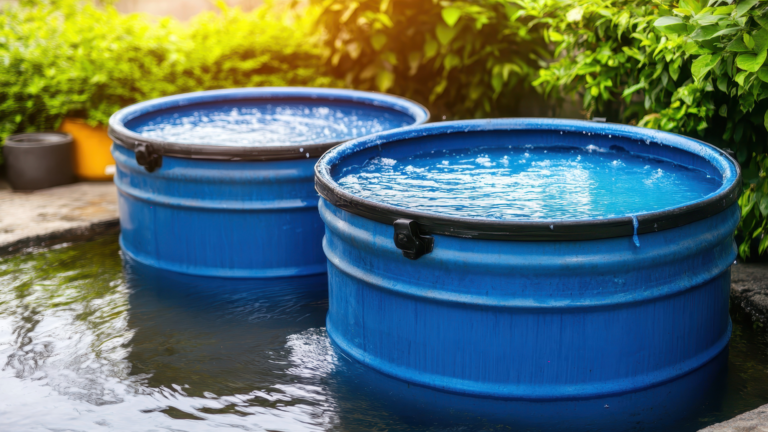
• store water in food-grade containers
• keep containers sealed and labeled
• store in a cool, dark location
• rotate stored water every 6–12 months
• keep some containers in multiple locations
Many people use:
• stackable water containers
• bottled water cases
• refillable water storage jugs
Smaller containers are often easier for seniors to handle.
Risks for Private Wells and Rural Homes
Clean drinking water is something most people take for granted. We just turn on the faucet, and the water appears.
We have had a 250-500 foot well at the most of the properties where we have lived. So far, we’ve never run out of water. But during disasters, that simple system can fail quickly. Loss of electricity means the water doesn’t run.
When to Use Stored Water Instead
If your stored water runs low, you may need to purify water from other sources.
Several methods can make contaminated water safer.
Boiling
Boiling is one of the most reliable purification methods.
Steps:
- Bring water to a rolling boil
- Boil for at least one minute
- Let it cool before drinking
Boiling kills most harmful microorganisms.
Water Purification Tablets
Portable purification tablets are useful for emergencies.
Advantages:
• lightweight
• easy to store
• long shelf life
Follow the instructions carefully for proper treatment.
Water Filters
Emergency water filters can remove bacteria and parasites.
Popular types include:
• gravity filters
• portable pump filters
• personal survival filters
These can be especially useful when boiling is not practical.
Recovery Steps After Service Returns
During a crisis, safe water may already be available in your home.
Possible emergency sources include:
• water stored in your water heater tank
• melted ice from freezers
• canned foods and juices
• bottled drinks
Outdoor sources may include:
• rainwater collection
• nearby streams or ponds
Always purify outdoor water before drinking.
Why Water Planning Is Critical for Seniors
Water shortages can affect seniors more quickly than younger people.
Older adults may experience:
• faster dehydration
• medication complications
• heat-related illness
Reliable water supplies help maintain:
• proper hydration
• medication schedules
• safe food preparation
Preparedness reduces stress and protects health during emergencies.
Trusted Disaster Preparedness Resources
Whether you’re preparing for hurricanes, floods, power outages, food shortages, or other emergencies, having reliable preparedness resources can make planning easier. These trusted companies offer emergency food, water storage, and preparedness supplies to help you build resilience before disaster strikes.
✅ My Patriot Supply
✅ Emergency Essentials / BePrepared
Related Disaster Preparedness Guides
Water contamination often happens alongside other emergencies.
You may also want to prepare for:
• Supply Chain Collapse – food and supply shortages
• Power Grid Failure – long-term outages affecting water treatment
• Flood Emergencies – contamination after heavy storms
These situations can all affect water safety.
Final Thoughts: Unsafe Water Can Become a Fast Emergency
What Seniors Should Do Immediately
- Stop using suspect tap water
- Use stored water first
- Follow local alerts
- Boil or treat only if officially advised
- Use bottled water for medications if possible
- Save extra water for pets
Many disaster plans focus on food, gear, and evacuation routes.
But clean water is the foundation of survival.
Most people notice food shortages first, but contaminated water can become dangerous even faster.
Recognizing warning signs early and switching to safe backup water can protect health and reduce panic.
Prepared seniors act quickly and stay calm.
For long-term storage, purification tools, and everyday readiness, read our Emergency Drinking Water Safety for Seniors guide.
Water contamination doesn’t happen in isolation.
This is just one of many emergencies seniors should prepare for. Build your full plan with our complete disaster guide.
See All Disaster Plans →Comment Section
How prepared are you if your water suddenly becomes unsafe? Do you currently store emergency drinking water, or rely on filtration methods? Have you ever experienced a boil-water advisory or water contamination event? What steps did you take to stay safe? Would you feel confident finding and purifying water if your supply ran out? Drop your thoughts below—your experience could help someone else prepare before the next emergency.
FAQs
What causes drinking water contamination during disasters?
Drinking water contamination during disasters is often caused by flooding, chemical spills, damaged treatment plants, and broken infrastructure. These events allow bacteria, chemicals, or debris to enter the water supply.
How much emergency water should seniors store?
Seniors should store at least one gallon of water per person per day, with a goal of 3 to 14 days of supply. Storing extra water is recommended to support hydration, medications, and basic hygiene.
How can you tell if water is unsafe to drink?
Warning signs include unusual smells, discoloration, cloudiness, or official boil-water advisories. However, some contamination is invisible, so when in doubt, treat water as unsafe.
Does boiling water make it completely safe?
Boiling water kills most bacteria, viruses, and parasites, but it does not remove chemical contaminants. Additional filtration or alternative water sources may be needed in some situations.
What is the safest way to purify water during an emergency?
Boiling is one of the most reliable methods for killing microorganisms. Water filters and purification tablets are also effective, depending on the type of contamination.
Where can you find emergency water at home?
Safe emergency water sources may include water heaters, melted ice, canned foods, and bottled drinks. Outdoor sources like rainwater or streams can be used if properly purified.