How to Build a Practical Emergency First Aid Kit for Survival
This post may contain affiliate links. If you buy through them, I may earn a small commission at no extra cost to you.
Survival Starts with Medical Preparedness
This is Tip #8 of the 12-Post Survival Prepper Blog Challenge Tips series. Medical emergencies do not stop during disasters. In many situations, help may be delayed or unavailable for hours, days, or longer.
A well-built first-aid kit gives you options when every minute matters.
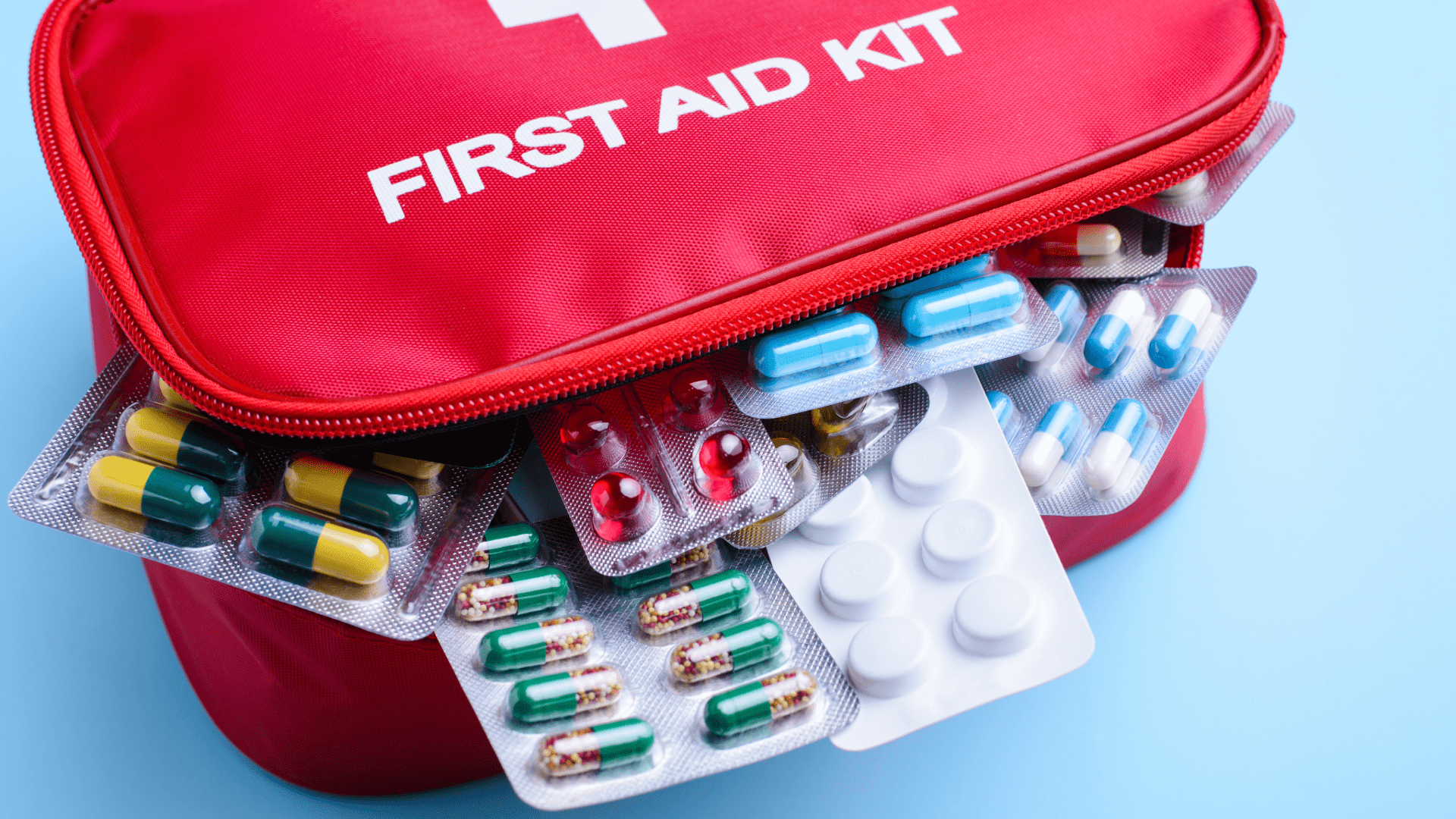
Most people throw a few bandages and pain relievers into a plastic container and call it good. Real preparedness goes deeper. Your kit should help you handle injuries, infections, burns, dehydration, and ongoing medical needs when normal healthcare systems fail.
A properly stocked survival medical kit can protect your independence, reduce panic, and help keep small problems from becoming deadly ones.
Why Every Prepper Needs a Serious Medical Kit
Food and water matter. Shelter matters. But untreated injuries can become deadly fast.
A deep cut can turn into an infection. A bad burn can limit mobility. Severe dehydration can cause confusion, weakness, or shock.
Your first-aid kit becomes your front line defense when hospitals are overwhelmed, roads are blocked, or emergency services are delayed.
Older adults face additional risks during emergencies:
• Slower healing
• Prescription medication dependence
• Reduced mobility
• Higher risk of dehydration
• Greater danger from infections and falls
That is why senior survival planning should always include advanced medical preparedness.
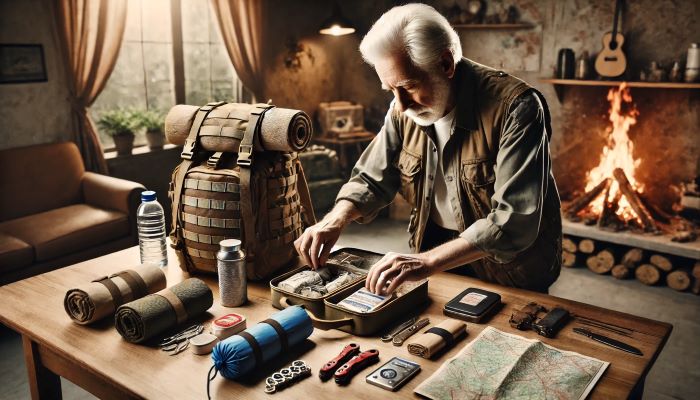
Start with the Right Container
Your medical supplies need protection from water, dirt, and damage.
Choose a durable waterproof container with compartments or pouches that keep supplies organized. In an emergency, you do not want to dig through clutter while someone is injured.
Good locations for separate kits include:
• Home
• Vehicle
• Bug-out bag
• Barn or workshop
• RV or camper
• Boat or fishing gear
Do not split one large kit between locations. Each kit should contain full essentials.
Essential Wound Care Supplies
Cuts and punctures are common during disasters, especially when cleaning debris, cooking outdoors, or using tools.
Your kit should include:
• Adhesive bandages in multiple sizes
• Sterile gauze pads
• Medical tape
• Antiseptic wipes
• Antibiotic ointment
• Medical scissors
• Tweezers
• Butterfly closures or wound strips
• Sterile gloves
Infections spread quickly when sanitation breaks down. Cleaning and protecting wounds early can prevent much bigger problems later.
Burn Treatment Supplies
Cooking fires, camp stoves, generators, lanterns, and heaters all increase burn risks during emergencies.
Keep these supplies ready:
• Burn gel or aloe vera gel
• Non-stick sterile pads
• Burn dressings
• Medical wrap
• Cooling packs
More advanced preppers may also store prescription burn creams with guidance from a healthcare provider.
Sprains, Fractures, and Mobility Injuries
Falls become more dangerous during disasters.
Power outages, storm debris, icy conditions, and evacuation stress increase injury risks, especially for seniors.
Helpful supplies include:
• Elastic bandage wraps
• Triangular bandages
• Finger splints
• SAM splints
• Cold packs
• Slings or support braces
Mobility injuries can stop you from carrying water, gathering firewood, or evacuating safely.
Dehydration and Heat Emergencies
Many survival situations increase dehydration risk.
Heat waves, stomach illness, physical labor, and limited clean water supplies can quickly become dangerous.
Include:
• Oral re-hydration salts (ORS)
• Electrolyte packets
• Thermometer
• Water purification tablets
Electrolytes help replace sodium and minerals lost through sweating or illness.
Medications You Should Stock
Every survival medical kit should include basic over-the-counter medications.
Suggested items:
| Medication | Purpose |
| Ibuprofen | Pain and inflammation |
| Acetaminophen | Fever and pain relief |
| Antihistamines | Allergic reactions |
| Antidiarrheal medication | Prevent dehydration |
| Antacid tablets | Digestive issues |
| Cough medicine | Respiratory illness |
If you take prescription medications, try to maintain extra supplies when legally possible.
Talk with your doctor about emergency preparedness planning for:
• Blood pressure medication
• Insulin
• Inhalers
• Heart medication
• Mobility aids
• Backup eyeglasses
Advanced Survival Medical Supplies
More experienced preppers often add trauma care supplies.
These may include:
• Tourniquets
• Hemostatic gauze like QuikClot
• CPR mask
• Irrigation syringes
• Medical forceps
• Headlamp
• Sterile sutures
These tools are valuable, but training matters.
Never rely on gear you do not know how to use safely.
Learn Medical Skills Before You Need Them
A first-aid kit is only as useful as the person using it.
Take time to learn:
• CPR
• Bleeding control
• Burn care
• Splinting injuries
• Infection warning signs
• Heat illness symptoms
Practice using your supplies before a real emergency happens.
Confidence reduces panic.
Maintain Your Kit Regularly
Preparedness is not a one-time project.
Every few months:
• Replace expired medications
• Restock used supplies
• Check batteries
• Inspect packaging for moisture damage
• Update prescription needs
Keep a printed inventory list inside the container so family members can quickly find items during emergencies.
Trusted Medical Preparedness Resources
Medical emergencies do not stop during disasters. These trusted preparedness companies offer emergency supplies, long-term preparedness resources, and essential equipment to help you build a more complete emergency plan.
Final Thoughts
A comprehensive first-aid kit gives you more than supplies.
It gives you time.
Time to stabilize injuries. Time to prevent infections. Time to protect your family when outside help may not arrive quickly.
Medical preparedness is one of the most overlooked parts of survival planning, yet it may become the most important when disaster strikes.
The people who prepare now will handle emergencies with far more confidence later.
Related Links
• Month 8: The Emergency Power and Energy Challenge
• Water Contamination Survival Planning for Seniors
• Month 7: The First Aid and Medical Challenge
• Month 5: The Bug-Out Readiness Challenge
• Power Grid Failure Survival Planning for Seniors
This Challenge Is Part of the 12 Months of Survival Prepper Challenges
This guide is part of the 12 Months of Survival Prepper Challenges on Golden Survivalist, designed to help seniors and families build practical preparedness skills one step at a time.
Explore the full challenge series here:
FAQs
What should every survival first-aid kit include?
Every survival first-aid kit should include wound care supplies, medications, bandages, antiseptics, hydration support, gloves, trauma supplies, and emergency tools.
Why are first-aid kits important during disasters?
First-aid kits help treat injuries, infections, burns, and dehydration when professional medical help may be delayed or unavailable.
How often should you update a first-aid kit?
Check your first-aid kit every few months to replace expired medications, damaged supplies, and used items.
What medications should seniors keep in an emergency kit?
Seniors should store prescription medications, pain relievers, antihistamines, anti-diarrheal medicine, and backup medical supplies when possible.
Should you have multiple first-aid kits?
Yes. It is smart to keep first-aid kits in your home, vehicle, bug-out bag, and other important locations.
Comment Section
Do you have an emergency first aid kit for disasters? Does your first aid kit have your special medications? Is the kit set up for seniors’ special considerations? Do you have first aid kits in your vehicles, in your home, and does each of you family members have their own first aid kit in their bug-out bags? Share your thoughts and tips below.