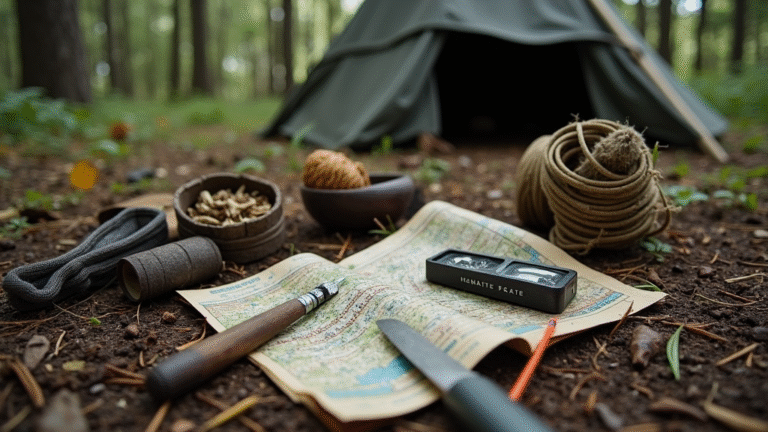

Month 5: The Bug-Out Readiness Challenge
This post may contain affiliate links. If you buy through them, I may earn a small commission at no extra cost to you.
Most people believe they will always be able to stay safely in their homes. That is not always true. Floods, fires, civil unrest, or power failures can force you to leave quickly. When that moment comes, you do not want to hesitate. You need a clear plan, packed bags, and the ability to move fast without confusion.
This month focuses on building that ability step by step so you can leave safely when staying is no longer an option.
This Challenge Is Part of Something Bigger
Be ready to leave fast if needed. This month builds your ability to move safely, follow a plan, and relocate under pressure.

Bug-out readiness means you can leave quickly, safely, and with a clear plan.
- Choose 2 to 3 safe zones before an emergency happens.
- Plan more than one evacuation route.
- Pack a 72-hour bug-out bag for each person.
- Test your gear before you trust it.
- Include children, pets, vehicles, and medical needs in your plan.
“The best bug-out plan is the one you have already practiced.”
Takeaway: Leaving safely takes more than a packed bag. It takes planning, practice, and calm action.
Why Bug-Out Readiness Matters
Emergencies are unpredictable. You may have minutes, not hours. Roads may be blocked. Fuel may be limited. Stores may be empty.
Without a plan:
- You waste time
- You forget critical items
- You put your family at risk
Bug-out readiness solves this.
It means:
- You know where you are going
- You know how to get there
- You can leave immediately
Safe Zones
You need at least 2 to 3 locations planned ahead.
Good safe zones may include:
- Family or friends outside the danger zone
- A campground or rural property
- A public shelter as a last option
Each location should be:
- Within 50 to 100 miles
- Reachable by more than one route
- Safe and stable
Write these locations down. Keep them with your emergency papers. Make sure your family knows where they are.
Evacuation Routes
Never rely on one route.
Plan:
- Primary route
- Backup route
- Emergency route
Practice:
- Day and night
- Good weather and bad
- Driving and walking
Keep a paper map and compass. GPS may fail when towers are down, batteries die, or service disappears.
Bug-Out Bag Basics
Your bag should support you for at least 72 hours.
Water:
- About 3 liters per person
- Water filter
- Purification tablets
Food:
- Protein bars
- Trail mix
- Dehydrated meals
- Jerky or shelf-stable snacks
Shelter:
- Tarp or tent
- Emergency blanket
- Paracord
- Compact sleeping bag or bivy sack
Clothing:
- Layers
- Extra socks
- Rain protection
- Comfortable walking shoes
Tools:
- Multi-tool
- Flashlight or headlamp
- Fire starter
- Duct tape
- Zip ties
First Aid:
- Basic first aid kit
- Prescription medications
- Pain relievers
- Bandages
- Antiseptic wipes
Hygiene:
- Wipes
- Hand sanitizer
- Toothbrush
- Small towel
- Personal hygiene items
Trusted Preparedness Resources
Ready to strengthen your preparedness plan? These trusted companies offer emergency food, water storage, and disaster-readiness supplies to help you prepare for the unexpected.
✅ My Patriot Supply
✅ Emergency Essentials / BePrepared

Packing Rule
Keep your bag under about 20 to 25 percent of your body weight. If it is too heavy, you will slow down when speed matters most.
This is especially important for seniors. A bag that looks useful at home may become painful after walking half a mile.
Test Your Plan
Do a real practice run.
Grab your bags. Load your vehicle. Leave your home.
Time yourself.
Then test the basics:
- Set up your shelter
- Start a fire safely
- Prepare food
- Filter or purify water
- Walk with your bag
You will find problems quickly. Fix them now, not during an emergency.
Family Prep
Everyone needs a role.
Adults:
- Carry main gear
- Handle navigation
- Manage communication
Children:
- Carry light bags
- Include snacks
- Include comfort items
Pets:
- Food
- Water
- Leash or carrier
- Medications
- Vaccination records
Vehicles:
- Backup supplies
- Tools
- Blankets
- Jumper cables
- Tire repair kit
Senior-Specific Bug-Out Needs
Seniors need to think beyond food and water.
Add:
- Extra glasses – prescription and OTC glasses
- Hearing aid batteries
- Medication list
- Doctor contact information
- Mobility aids
- Copies of insurance cards
- Written emergency contacts
Comfort matters too. Pain, fatigue, and stress can slow you down. Plan around your real body, not an imaginary perfect one. Anyone over 30 knows … “why do I hurt here?”
Mid-Post Reminder
This skill works best when combined with the previous month’s training. Security, awareness, and evacuation planning all support each other.
Related: 7 Survival Prepper Mistakes That Leave People Unprepared
Final Thought
Bug-out readiness is not about fear. It is about control. When you are prepared, you can act quickly, think clearly, and protect your family when it matters most.
This Challenge Is Part of Something Bigger
Be ready to leave fast if needed. This month builds your ability to move safely, follow a plan, and relocate under pressure.
Comment Section
If you had to leave your home tonight, would you be ready in minutes or would you be scrambling to figure things out? Do you already have a bug-out bag packed, and have you ever tested it in a real situation? What is the one thing you still need to fix or improve? Share your thoughts below. Your experience could help someone else prepare before it is too late.
FAQs
What is bug-out readiness?
Bug-out readiness means having the supplies, routes, safe zones, and practice needed to leave home quickly during an emergency.
How much should a bug-out bag weigh?
A bug-out bag should usually stay under 20 to 25 percent of your body weight. Seniors may need a lighter bag based on health, strength, and mobility.
What should be in a 72-hour bug-out bag?
A 72-hour bug-out bag should include water, food, shelter, clothing, first aid, hygiene items, tools, lighting, medications, and copies of important documents.
Do seniors need a different bug-out plan?
Yes. Seniors should include medications, mobility needs, medical contacts, glasses, hearing aid batteries, and realistic walking limits in their bug-out plan.
Should pets have their own bug-out supplies?
Yes. Pets need food, water, a leash or carrier, medication, waste bags, and vaccination records in case you need to evacuate with them.