
How Bartering Can Help You Survive during Emergencies
This post may contain affiliate links. If you buy through them, I may earn a small commission at no extra cost to you.
During long-term emergencies, shortages, or economic instability, money may not always solve problems. Communities often return to trading goods, services, and practical skills when supplies become limited.
Understanding how bartering works before a crisis gives you a major advantage. People who can trade fairly, solve problems, and build strong community relationships are often better prepared to adapt during difficult situations.
This guide supports the self-sufficiency and community preparedness goals from the 12 Months of Survival Prepper Challenges on Golden Survivalist.
What Is Emergency Bartering?
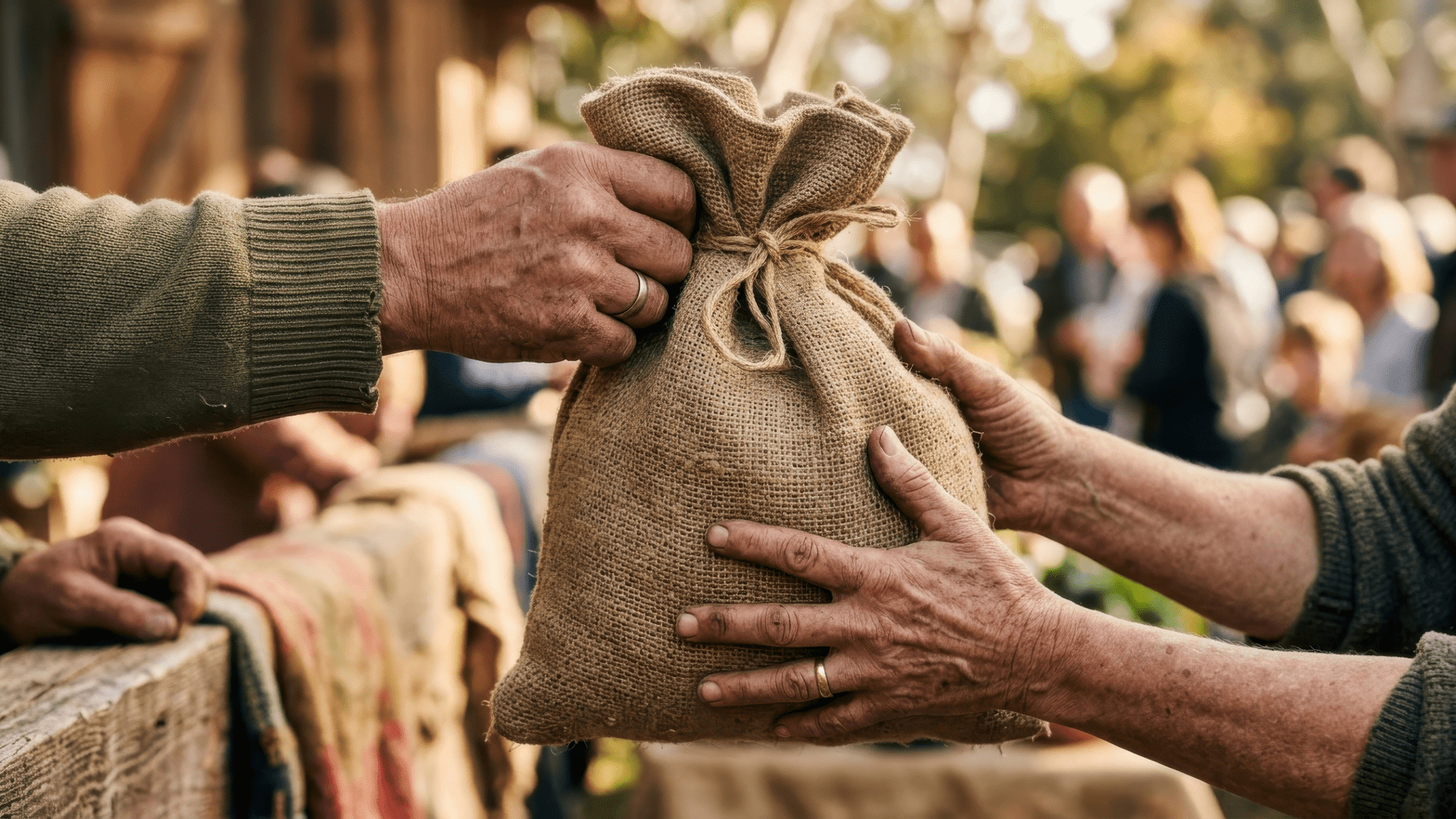
Bartering is the direct exchange of goods or services without using money.
Examples include:
- Trading food for batteries
- Exchanging repair work for medical supplies
- Swapping gardening help for eggs or canned goods
- Trading water filters for tools or fuel
During emergencies, useful items and practical skills often become more valuable than cash.
Communities naturally begin trading when stores are empty, deliveries stop, or supply chains fail.
Build a Small Barter Inventory before Emergencies Happen
One of the best ways to prepare for bartering is by slowly setting aside extra supplies specifically for trade.
Helpful barter items may include:
- Batteries
- Flashlights
- Lighters and matches
- Hygiene supplies
- Coffee and tea
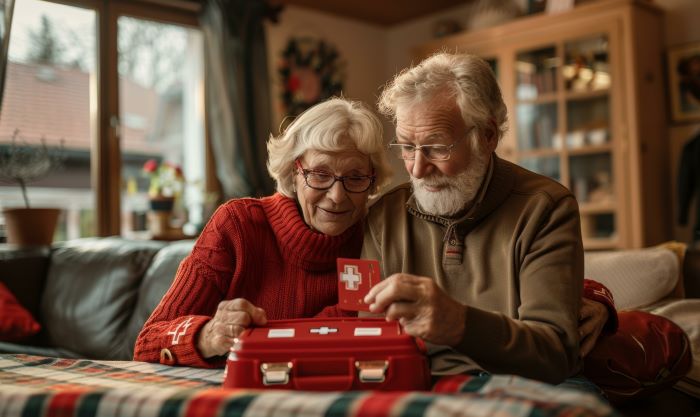
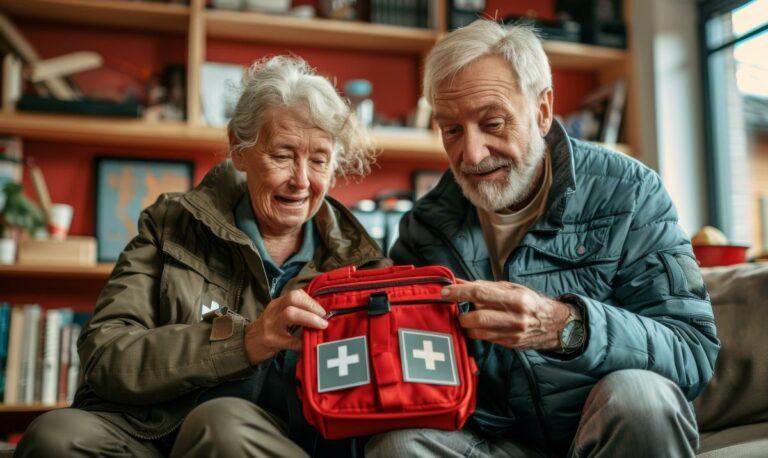
- First-aid items
- Water filters
- Sewing kits
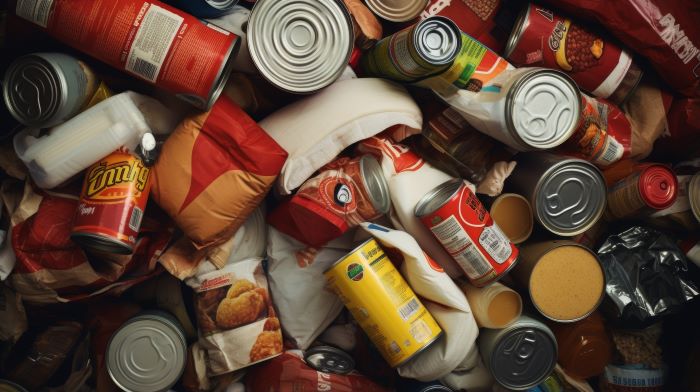
- Canned food
- Hand tools
- Toilet paper
- Zip ties
- Work gloves
Small practical items are often easier to trade than expensive equipment.
Many people overlook comfort items during preparedness planning. Coffee, chocolate, hard candy, and hygiene products may become surprisingly valuable during stressful situations.
Related Posts
- Month 1: The Food Security Challenge
- Emergency Water Storage and Purification Basics
- Power Grid Failure Survival Planning for Seniors
Skills Can Be More Valuable Than Supplies
Supplies eventually run out.
Skills stay with you.
People who can solve problems often become valuable during emergencies because practical knowledge can be traded repeatedly.
Useful barter skills may include:
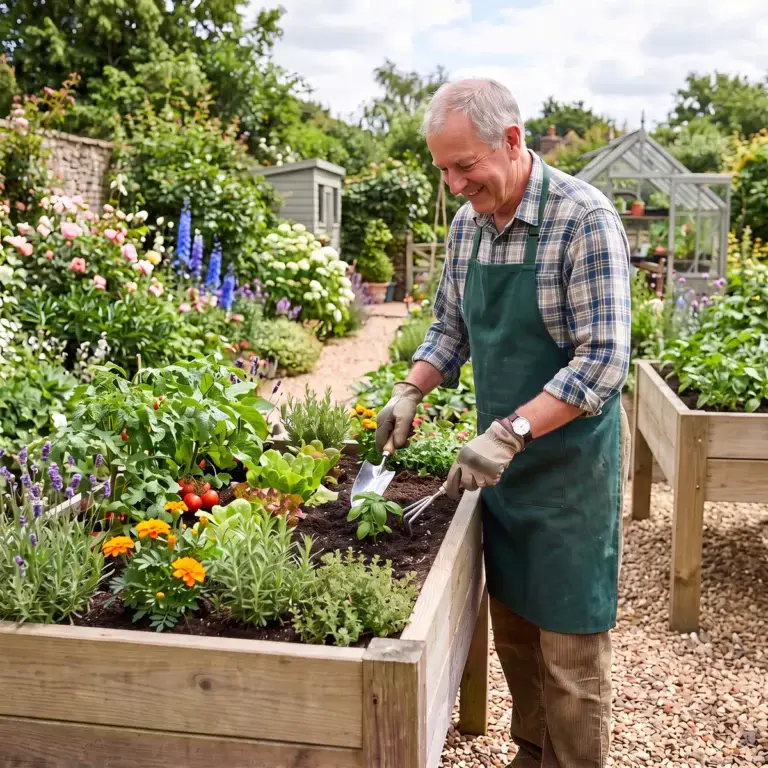
- Gardening
- Food preservation
- Sewing and clothing repair
- Animal care
- Mechanical repair
- First aid
- Water purification
- Carpentry
- Cooking from scratch
- Sharpening tools
For seniors, skills can sometimes provide more barter value than physical labor.
Retirees often have decades of experience that younger people may not possess.
Examples of useful senior barter skills include:
- Teaching gardening
- Baking bread
- Repairing clothing
- Bookkeeping
- Tutoring
- Canning food
- Caring for livestock
- Teaching practical skills
- Organizing supplies
Experience and knowledge are valuable resources during difficult times.
Build Community before You Need It
Bartering works best when trust already exists.
Preparedness is not only about supplies. It is also about relationships.
Helpful places to build connections include:
- Church groups
- Gardening clubs
- Farmers markets
- Local prepper groups
- Community events
- Neighborhood projects
- Skill-sharing groups
People are more likely to trade fairly with individuals they already know and trust.
Strong communities are often more resilient during emergencies.
Everyday Items That May Become Valuable during Emergencies
The value of supplies changes depending on the situation.
Items that seem ordinary today may become difficult to replace during shortages.
Examples include:
- Coffee for comfort and morale
- Batteries during power outages
- Water filters during contamination events
- Lighters for cooking and heat
- Sewing kits for clothing repair
- Soap and hygiene products during shortages
- Fuel containers during evacuations
- Manual can openers during grid failures
Preparedness is partly about recognizing future value before shortages happen.
Learn Basic Negotiation Skills
Good bartering requires flexibility and patience.
The value of an item may change quickly during emergencies.
For example:
- Water becomes extremely valuable during contamination events
- Medical supplies may become harder to find during disasters
- Fuel may become critical during evacuations
- Batteries may become essential during long power outages
Good negotiation is not about taking advantage of people.
Fair trading helps build long-term trust and stronger community relationships.
Protect Your Privacy while Bartering
Safety matters during emergencies.
Avoid revealing the size of your stockpile or discussing all the supplies you own.
Helpful safety practices include:
- Meeting in public or neutral locations
- Keeping trades simple and discreet
- Bringing another person if possible
- Inspecting items before trading
- Avoiding rushed decisions
Privacy is an important part of preparedness.
The less attention you attract, the safer you may remain during unstable situations.
Related Posts
- Month 6: The Gray Man Skills Challenge
- Budget-Friendly Home Security for Emergency Preparedness
- Month 4: The Security and Defense Challenge
Never Trade Away Critical Supplies
One common mistake is over trading during stressful situations.
Never trade away:
- Essential medications
- Critical food reserves
- Primary water supplies
- Important medical equipment
- Necessary fuel reserves
Preparedness starts with protecting your own household first.
Only barter with extra supplies you can afford to lose.
Small Local Trade Networks Can Help Everyone
Communities often become stronger when people cooperate.
Local barter systems may include:
- Neighborhood swap days
- Gardening exchanges
- Tool-sharing groups
- Repair networks
- Livestock feed exchanges
- Community canning groups
These systems reduce dependence on outside supply chains and improve local resilience.
Even small rural communities can benefit from organized sharing and trade systems.
Practice Bartering before Emergencies Happen
You do not need to wait for a disaster to learn how bartering works.
Simple ways to practice include:
- Trading vegetables with neighbors
- Swapping homemade goods
- Exchanging repair help
- Joining local community groups
- Participating in flea markets or swap meets
These experiences help build confidence and negotiation skills before emergencies happen.
Preparedness Is about Adaptability
Bartering teaches an important preparedness lesson.
Survival is not only about stockpiling supplies.
It is also about adapting, solving problems, and working with others when systems become unstable.
People who provide value and build trust are often better positioned to handle difficult situations than people who try to isolate themselves completely.
Continue Building Your Preparedness Skills
This tip is part of the 12 Months of Survival Prepper Challenges on Golden Survivalist.
👉 Continue the full challenge series here:
Final Thoughts
Bartering may become an important survival skill during shortages, disasters, or economic instability.
You do not need expensive supplies to participate in a barter economy. Practical items, useful skills, and strong community relationships all have value.
Preparedness is not only about what you own.
It is also about what you know, what you can do, and how well you work with others.
Comment Section
What barter items do you think would become most valuable during an emergency? Do you already have practical skills that could be traded for supplies or services? Have you ever bartered with neighbors or local groups before? Share your thoughts and ideas in the comments below.
FAQs
What is bartering in survival preparedness?
Bartering is the exchange of goods or services without using money, often during emergencies, shortages, or economic disruptions.
What are good barter items for emergencies?
Useful barter items include batteries, food, water filters, hygiene supplies, lighters, tools, coffee, and medical items.
Why are skills important in a barter economy?
Skills like gardening, repair work, sewing, food preservation, and first aid provide long-term value because they can be traded repeatedly.
How can seniors participate in emergency bartering?
Seniors can barter valuable skills, knowledge, gardening experience, food preservation techniques, tutoring, bookkeeping, and other practical services.
How can you barter safely during emergencies?
Trade in secure locations, avoid revealing your full stockpile, inspect items carefully, and work with trusted people whenever possible.