
Bartering for Seniors: How to Trade Safely and Get What You Need in an Emergency

This post may contain affiliate links. If you buy through them, I may earn a small commission at no extra cost to you.
When normal systems break down, cash may not help you much. Stores can close, supply chains can fail, and basic goods can become hard to find. In these situations, bartering—trading goods and services—becomes one of the most practical ways to get what you need.
Bartering works best when you prepare ahead of time. With a little planning, you can avoid common mistakes, trade safely, and make fair exchanges that benefit everyone involved.
This is part of the 12 Months of Survival Prepper Challenges series. Build your preparedness plan one month at a time.
Step 1: Build a Simple Barter Inventory
Start by setting aside items specifically for trading.
Look at What You Already Have
Check for:
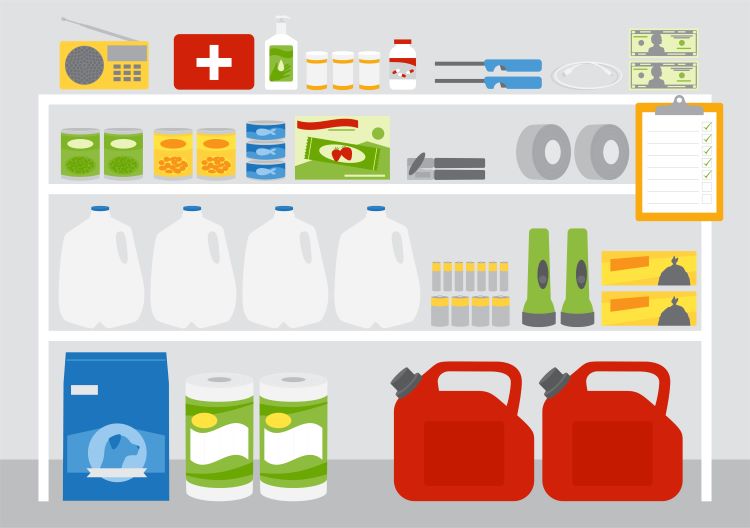
- Extra canned food
- Hygiene products
- Batteries
- Tools
- Medical supplies
Only set aside what you can afford to trade. Your personal needs come first.
Add Small, High-Value Items
Focus on items that are:
- Easy to carry
- Long-lasting
- Widely useful
Good examples:
- Matches and lighters
- Flashlights
- Soap and toothpaste
- Coffee or tea
- Chocolate or candy
These items may seem simple, but they become valuable quickly during shortages.
Step 2: Don’t Overlook the Value of Skills
Skills are often more reliable than physical goods.
Useful Skills to Develop
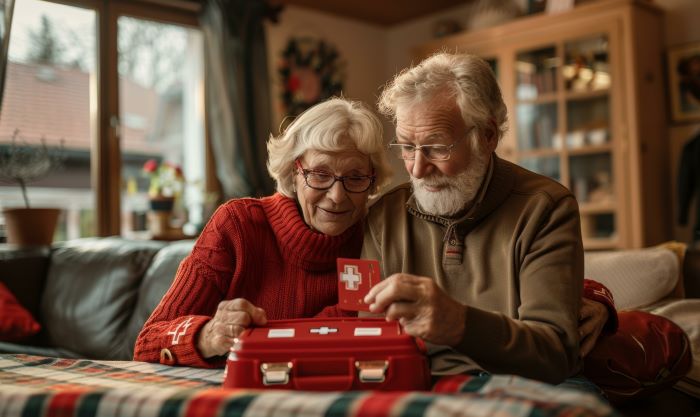
- Basic first aid
- Cooking with shelf-stable foods
- Sewing and clothing repair
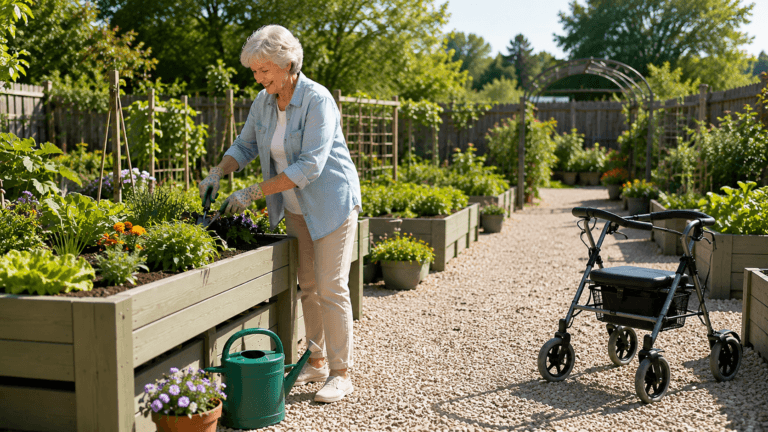
- Gardening
- Small equipment repair
Why Skills Matter
- They can’t be stolen
- They don’t run out
- They can be traded repeatedly
For example, fixing a neighbor’s generator could earn you food, water, or other supplies.
Step 3: Build Trust before You Need It
Bartering works best when people trust each other.
Start Locally
Get to know:
- Neighbors
- Local community groups
- Church or senior groups
Build a Good Reputation
- Be honest
- Follow through on agreements
- Offer fair trades
People are more likely to trade with someone they know and trust.
Step 4: Understand Basic Trade Value
In a barter system, value is not fixed.
Value Depends On:
- Supply (how rare the item is)
- Demand (how badly it’s needed)
- Timing (what’s happening at the moment)
Examples
- During a water shortage, clean water becomes extremely valuable
- During a power outage, batteries and flashlights may be more valuable
Create a Simple Mental Scale
You don’t need anything complicated. Just have a rough idea:
- High value: water, medical supplies
- Medium value: food, batteries
- Lower value: comfort items
This helps you make quick decisions during trades.
Step 5: Learn Basic Negotiation
Bartering requires clear communication.
Before You Trade
Know:
- What you need
- What you’re willing to give
- What you won’t accept
During the Trade
- Stay calm and polite
- Be willing to adjust
- Don’t rush into decisions
Be Open to Creative Trades
Not all trades are item-for-item.
Examples:
- Goods + service (food in exchange for repairs)
- Partial trades (some now, some later)
A flexible approach often leads to better outcomes.
Step 6: Prioritize Safety at All Times
Safety should always come first.
Safer Trading Practices
- Meet in public or neutral locations
- Trade during daylight hours
- Bring someone with you if possible
Protect Your Information
- Don’t reveal your full stockpile
- Don’t share where everything is stored
Watch for Warning Signs
- Pressure to rush the deal
- Refusal to let you inspect items
- Unclear or changing terms
If something feels wrong, walk away.
Step 7: Consider Group Bartering
Group trading can reduce risk.
Examples
- Neighborhood swap days
- Community barter groups
- Informal local markets
Benefits
- More variety of goods
- Safer environment
- Easier to compare value
If your area doesn’t have one, consider organizing a small, local exchange with trusted people.
Step 8: Inspect Everything before You Trade
Never assume items are in good condition.
Check for:
- Expired food or medicine
- Damaged packaging
- Non-working tools or electronics
Test When Possible
- Turn on flashlights
- Check batteries
- Inspect tools closely
A quick check can prevent a bad trade.
Step 9: Set Boundaries and Know When to Walk Away
Not every deal is worth accepting.
Protect Yourself from Unfair Trades
- Don’t trade out of desperation
- Avoid giving up essential items
- Be willing to say no
Stay Firm but Respectful
You don’t need to argue. A simple “That doesn’t work for me” is enough.
Step 10: Practice before an Emergency
Bartering is easier when you’ve done it before.
Try Small Trades Now
- Exchange home-cooked meals
- Trade garden produce
- Swap services with neighbors
Benefits of Practice
- Builds confidence
- Helps you understand value
- Strengthens community ties
The more familiar it feels, the easier it will be under pressure.
FAQs
What are the best items for bartering?
Small, useful items like batteries, lighters, canned food, and hygiene products are always in demand.
Can I barter with skills instead of goods?
Yes. Skills like repair work, cooking, and first aid can be just as valuable as physical items.
Is bartering safe?
It can be, if you follow basic precautions like meeting in safe locations and protecting your information.
How do I know if a trade is fair?
Compare how much you need the item versus what you’re giving up. If it feels unbalanced, it probably is.
Should I start bartering now?
Yes. Practicing in low-risk situations helps you build confidence and experience.
Final Thoughts
Bartering is a practical skill that becomes valuable when normal systems are unavailable. It allows you to meet your needs using what you already have, while building relationships that can support you during difficult times.
Start by setting aside a few useful items. Learn a skill or improve one you already have. Build trust with people around you. Most importantly, focus on safety and fairness in every trade.
With preparation and practice, bartering can become a reliable way to stay supplied, connected, and independent.
Continue the 12-Month Challenge
This is part of the 12 Months of Survival Prepper Challenges series. Each month builds another layer of readiness so you can prepare with confidence.
Comment Section
Have you ever traded goods or services instead of using money? What items do you think would be most valuable in your area during an emergency? Share your thoughts. Your experience could help others prepare smarter.