
Emergency Food Storage Basics for Long-Term Preparedness
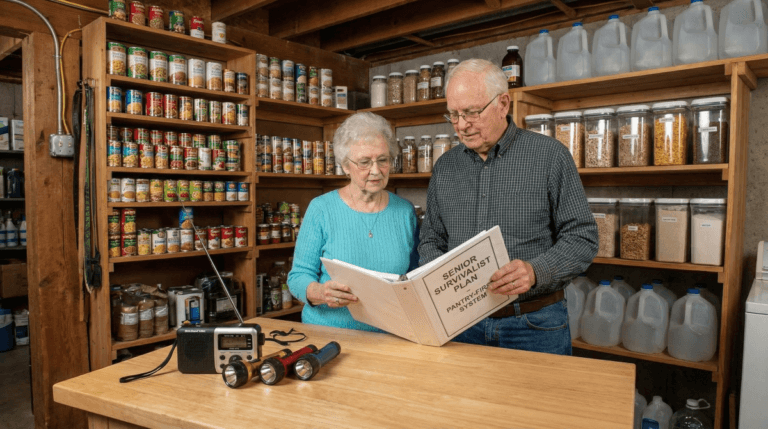
Food matters a lot when things go wrong. Having enough around can make emergencies less stressful and help keep things steady at home. But lots of us just grab whatever they can find without thinking much about how it all fits together. We seniors, especially, need to be very careful how we plan and store food in emergencies.
I think people end up with too much of one thing and not enough of others. Nutrition gets overlooked sometimes and so does how long stuff lasts or when you need to use it up. It is more than just stacking cans in the cupboard.
You need a system that works over time and keeps you fed no matter what happens. Maybe rotation is important but I am not totally sure how people manage that part. I have a hard time checking my stores for the expiration dates.
The first step in securing your food supply is understanding your family’s specific needs. Every household is different, and your stockpile should reflect factors like dietary restrictions, allergies, and preferences.
Seniors should also consider medications, low-sodium foods, easy-to-prepare meals, digestive issues, and foods that support long-term health conditions when building a food supply.
A family with young children may prioritize easily prepared meals, while a household in a cold climate might focus on calorie-dense foods for warmth and energy. Begin by calculating how much food your family needs for a specific period such as two weeks, three months, or a year, then expand from there.
This ensures you have a baseline to work with and prevents overstocking items you don’t need. Diversity is key to a successful stockpile. Relying on just a few types of food, like rice and beans, can lead to getting tired of eating the same foods repeatedly, where monotony reduces morale and appetite.
Incorporate a variety of food groups:
- including grains,
- proteins,
- fruits,
- vegetables,
- and fats.
Canned goods are a staple of any stockpile, offering long shelf life and convenience, but don’t overlook other options like freeze-dried meals, dehydrated snacks, and vacuum-sealed pouches.
These items provide portability and often require minimal preparation, making them ideal for evacuations or emergency travel situations. Food preservation methods play a critical role in stockpiling. Even the most well-stocked pantry will eventually run out if you can’t replenish it.
Learning how to preserve food allows you to extend your supply and reduce waste. Canning is a time-tested method for storing fruits, vegetables, and even meats. Invest in a pressure canner and practice the process to ensure safety and effectiveness.
People usually keep this.


Dehydrating is another excellent option, particularly for lightweight and portable foods like fruit slices, jerky, and herbs. Freeze-drying, while more expensive, offers excellent shelf life and strong nutritional value.
Proper storage conditions are essential for maintaining the quality of your stockpile. Heat, moisture, and direct light can shorten the life of stored food. Store your supplies in a cool, dry, and dark environment, such as a basement, pantry, or dedicated storage room.
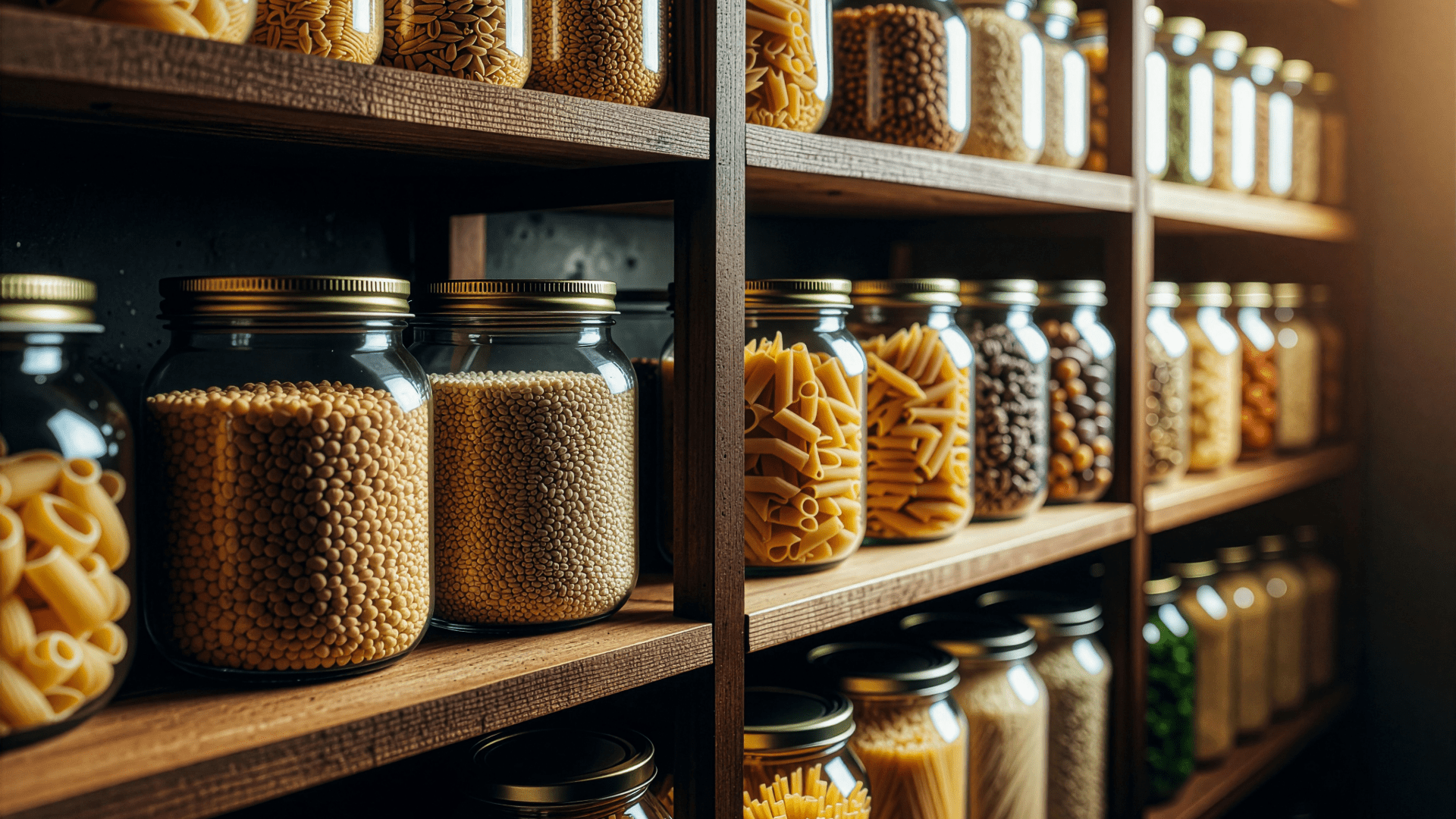
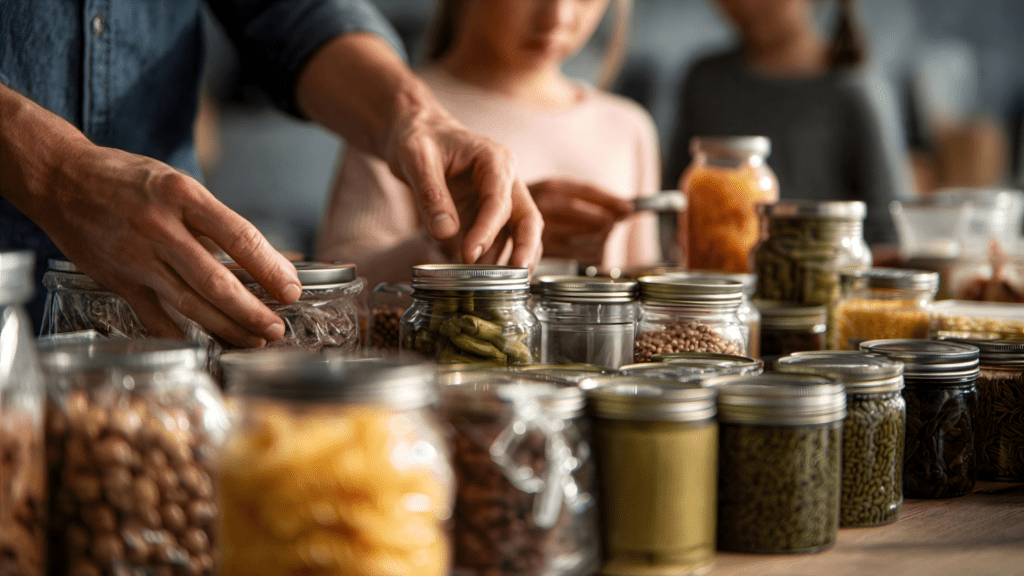
Use airtight containers to protect against pests and moisture, and consider adding oxygen absorbers to extend shelf life further. Label all items with purchase or preservation dates and organize them for easy rotation.
Placing older items at the front ensures they’re used first, preventing waste and keeping your stockpile fresh. Stockpiling isn’t just about the food itself—it’s also about preparation.
In an emergency, you may not have access to your usual cooking tools or appliances. Practice cooking with alternative methods like propane stoves, solar ovens, or campfires.
Familiarize yourself with recipes that use minimal ingredients and don’t rely on perishables. For example, a simple soup made from canned vegetables, beans, and broth can provide comfort and nourishment without requiring refrigeration or advanced equipment.
Having a collection of go-to recipes ensures you can create satisfying meals even under challenging conditions. Water is another crucial consideration in food stockpiling. Many preserved foods, especially freeze-dried meals and dehydrated snacks, require water for preparation.
Without a reliable water source, these items become unusable. Ensure your water stockpile is sufficient not only for drinking and hygiene but also for rehydrating food. Test your water purification methods to guarantee you can safely use collected or stored water for cooking.
Don’t overlook the importance of comfort foods in your stockpile. While staples like rice and beans provide sustenance, treats like chocolate, coffee, or canned fruit can boost morale during stressful times.
These items may not be essential for survival, but they play a critical role in maintaining mental and emotional well-being. Including a few indulgent items in your stockpile ensures you have something to look forward to, even in difficult circumstances.
Planning for special dietary needs is another vital aspect of stockpiling. If a family member has food allergies, diabetes, or other medical conditions, ensure your stockpile includes appropriate options.
For example, individuals with gluten intolerance may need alternatives like quinoa or rice-based products. Similarly, those managing chronic illnesses may require specific foods to support their health.
Tailoring your stockpile to meet these needs prevents unnecessary hardship during emergencies.
One of the most common mistakes in food stockpiling is failing to account for rotation.
Even long-lasting items like canned goods and freeze-dried meals have expiration dates. Regularly inspecting and rotating your stockpile ensures that nothing goes to waste.
Develop a system where you use and replace items on a schedule, such as incorporating canned goods into your weekly meals and restocking them during your next grocery trip.
Trusted Preparedness Resources
Ready to strengthen your preparedness plan? These trusted companies offer emergency food, water storage, and disaster-readiness supplies to help you prepare for the unexpected.
✅ My Patriot Supply
✅ Emergency Essentials / BePrepared
This habit keeps your stockpile fresh and familiarizes you with the foods you’ll rely on in an emergency. While building your stockpile, don’t forget to include tools and accessories that support food storage and preparation. Items like manual can openers, durable containers, and resealable bags are indispensable for maintaining and using your supplies.
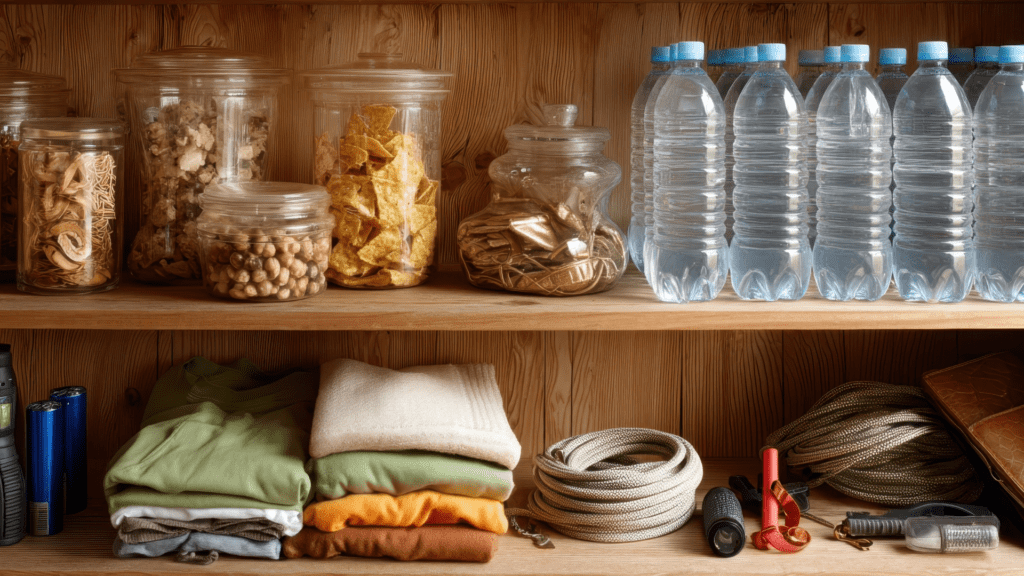
Additionally, consider investing in equipment like vacuum sealers, which allow you to preserve bulk items like grains, nuts, and dried fruit for extended periods. As you refine your stockpiling efforts, think beyond short-term needs and plan for sustainability.
Growing your own food through gardening or small-scale farming can supplement your stockpile and reduce dependency on stored items. Even a small vegetable garden or a few fruit trees can provide fresh produce that enhances your diet.
Learn to save seeds from your harvests to create a renewable food source, ensuring your preparedness extends far into the future. Finally, practice using your stockpile regularly to ensure it meets your needs.
Preparing meals from your stored items not only helps you identify gaps but also familiarizes you with the flavors, textures, and preparation methods. This practice builds confidence in your ability to rely on your stockpile when it matters most.
Stockpiling food is more than an exercise in accumulation. It’s a thoughtful process that requires planning, organization, and ongoing effort. By focusing on variety, preservation, storage, and sustainability, you can create a food supply that provides security, nourishment, and peace of mind.
Related Links
Month 1: The Food Security Challenge
Emergency Water Storage and Purification Basics
Survival Gardening Basics for Growing Your Own Food
Power Grid Failure Survival Planning for Seniors
Ultimate Disaster Survival Guide
In a world of uncertainties, having a well-prepared stockpile ensures that you and your family are ready to face whatever challenges come your way, helping your family stay calmer and more prepared during difficult times.
Comment Section
What foods do you currently store for emergencies? Have you started a long-term pantry or food rotation system yet? What food storage lessons have you learned over the years? Share your tips and experiences below.