Self-Sufficiency Skills Every Survival Prepper Should Learn

This post may contain affiliate links. If you buy through them, I may earn a small commission at no extra cost to you.
Survival Is More Than Gear
This is Challenge #4, Self-Sufficiency Skills for Emergency Preparedness, for the 12 Months of Survival Prepper Challenges. This series is designed to help you master essential survival skills, one challenge at a time, building from foundational knowledge to advanced readiness.
As many senior preppers understand, preparedness isn’t just about emergency gear or a stocked pantry. It’s about mastering self-sufficiency skills that let you adapt, create, and thrive. When grocery stores, utilities, or essential services fail, your ability to handle problems on your own becomes your greatest asset.
Self-sufficiency means regaining control, reducing reliance on others, and producing and repairing what you need. These DIY survival skills make the difference between staying prepared and falling behind when disaster strikes.
Related: 12 Months of Survival Prepper Challenges
Food and Water Security
Gardening is more than a hobby—it’s gardening for survival. Grow crops suited to your climate, prepare soil correctly, and practice crop rotation and pest control. Even a small backyard garden or container setup can feed you during food shortages.
Preserve your harvest with:
- canning,
- dehydrating,
- or fermenting to ensure a year-round food supply.
These food preservation skills help reduce waste, stretch your food supply, and improve long-term preparedness.
Related: The Food Security Challenge
My Patriot Supply, with whom I’ve partnered, has a fantastic promo for a Starter Plan, where they are giving away a 4-week food kit on every 3-month food kit purchase.
Clean water is critical for survival. Learn water storage and purification methods such as:
- rainwater harvesting,
- boiling,
- filtering,
- or using chemical treatments.
Related: The Water Resilience Challenge
Safe water storage and purification are essential during any emergency.

Shelter, Power, and Health Preparedness
Your home is your first defense. Learn basic DIY home repairs like sealing drafts, fixing leaks, and reinforcing weak points. If you must evacuate, practice building emergency shelters from tarps, rope, and natural materials.
Energy independence boosts your safety during power outages.
- Harness solar,
- wind,
- or wood heat to run essentials.
Related: The Shelter Mastery Challenge
Even a portable solar charger for phones and radios can keep you connected and informed.
Health preparedness is vital. Learn senior first-aid and medical prepping skills like:
- wound care,
- splinting,
- burn treatment,
- and herbal remedies for common ailments.
Related: The First Aid and Medical Challenge
Practice mental health tools—like breathing exercises—to stay calm and focused in stressful situations.
Resourcefulness and Lifelong Learning
Resourcefulness means repurposing what you already have.
- Turn tarps into shelters,
- jars into storage,
- and broken items into functional tools.
Resourcefulness helps supplies last longer and keeps you adaptable.
Self-sufficiency is a lifelong learning process. Start small:
- gardening,
- carpentry,
- or first aid, and grow through
- hands-on training,
- survival workshops,
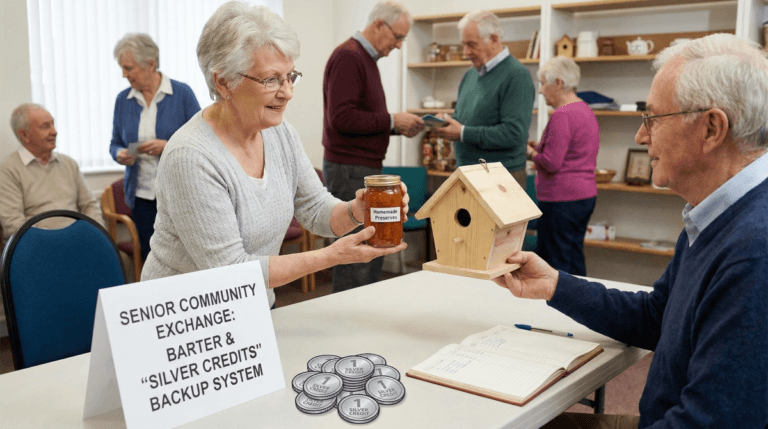
- and community prepping and skill-sharing.
Independence doesn’t mean isolation—connecting with others strengthens your preparedness network and creates valuable skill-sharing opportunities.
Mindset: Confidence through Capability
Believing you can meet your own needs builds resilience and security. Each skill mastered—whether fixing a broken tool, cooking off-grid, or producing your own food—boosts your readiness to face the unexpected.
Preparedness is more than storing supplies—it’s about becoming the kind of person who can survive and thrive under any circumstances.
What’s the one self-sufficiency skill you think every prepper should learn first? Do you have other tips, tools, or stories that could help fellow Golden Survivalists? Drop a comment below—your insight might be exactly what another reader may need. I’d love to hear your ideas and experiences. I read every comment and reply when I can. Let’s learn from each other.
Related Challenges