Month 7: The First Aid and Medical Challenge

This post may contain affiliate links. If you buy through them, I may earn a small commission at no extra cost to you.
Introduction
When emergencies hit, medical help may not be there. Hospitals get overwhelmed. Pharmacies run out. For seniors, that risk is real and immediate. This month focuses on learning just enough to stay safe, independent, and in control.
I’ve asked myself this question more than once. I depend on medication. I live with aches, limitations, and worries just like you. And when the system breaks down, we’re the ones who feel it first — and the hardest. How will I cope without my meds? It’s a scary thought.
Why This Month Matters
Most people assume help will come. In a real crisis, that assumption fails fast.
You are facing:
- Small wounds becoming serious infections
- Dehydration that creeps up quietly
- Injuries that limit movement
- Stress that affects decision-making
When systems fail, you become the first responder.
Start With Skills, Not Supplies
You do not need to be a medical professional. You need the basics.
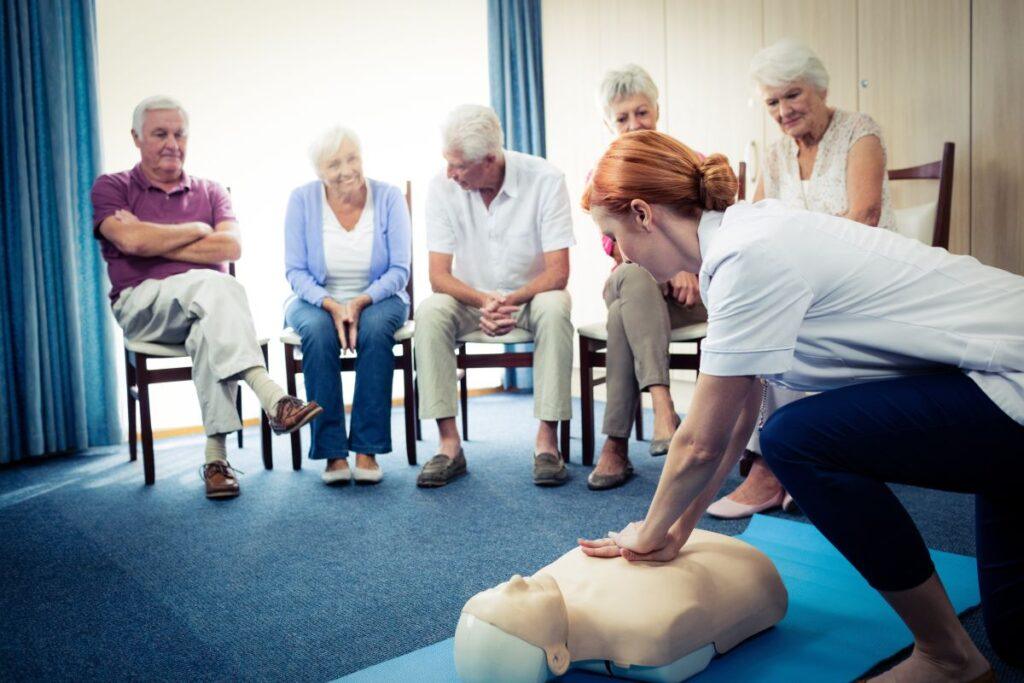
Focus on learning:
- How to clean and dress wounds
- CPR and chest compressions
- How to use an AED
- Signs of stroke or heart attack
Training builds confidence. Confidence saves lives.
Basic First Aid You Must Know
Cuts and Scrapes
Clean with water or saline. Avoid peroxide. Apply ointment and cover. Check daily for infection.
Burns
First degree: cool water and aloe
Second degree: cool and protect, do not pop blisters
Third degree: cover dry and keep calm
Dehydration
Watch for dry mouth, fatigue, and dark urine. Sip water slowly. Rest if dizzy.
Fractures and Sprains
Splint the area. Do not realign. Elevate and cool if possible.
Infections
Clean wounds daily. Use iodine or honey if needed. Rest and hydrate.
Prevention Is Survival
Preventing problems is easier than treating them.
- Carry a basic first aid kit
- Keep supplies organized
- Teach family members simple care
- Check supplies every few months
The best emergency is the one you avoid.
This Challenge Is Part of Something Bigger
Continue your preparedness journey with the 12 Months of Survival Challenges. Each month builds real skills you can use when systems fail. Start where you are. Build one layer at a time.
Natural Remedies That Help
When supplies run low, simple options still matter.
- Honey for wound care
- Plantain for bites and stings
- Yarrow to slow bleeding
- Ginger for stomach issues
- Willow bark for pain
- Lavender for sleep and stress
These support you when options are limited.
Mental Health Matters
Stress reduces clear thinking.
Use simple tools:
- Write things down
- Practice slow breathing
- Drink calming herbal teas
A calm mind makes better decisions.
Build Your Medical Kit
Start small. Build over time.
Include:
- Bandages, antiseptics, gloves
- Pain relievers and allergy medication
- Thermometer and tweezers
- Burn gel
- Prescription backups
- Herbal support items
Keep one kit at home, one in your car, and one in each bug-out bag.
Trusted Medical Preparedness Resources
Medical emergencies do not stop during disasters. These trusted preparedness companies offer emergency supplies, long-term preparedness resources, and essential equipment to help you build a more complete emergency plan.
Continue Your Preparedness Plan
This month builds on your previous work.
Go back and review:
Month 6: The Gray Man Skills Challenge
Then continue with:
Month 8: Emergency Power and Energy Challenge
Each month strengthens your system.
Final Thoughts
This challenge is about control.
You are not helpless.
You are not waiting.
You are preparing.
That is what survival looks like.
This Challenge Is Part of Something Bigger
If this month opened your eyes, don’t stop here. Preparedness is built step by step, not all at once. Keep going. Your future self is counting on you.
Comment Section
What is one medical item you always keep nearby? Have you taken a first aid or CPR class? Do you have any home remedies or natural treatments that work for you? What’s one medical item you never want to be without? Your stories, tips, and even your questions help others like us prepare better. Let’s learn from each other—leave a comment below and join the conversation. We’re in this together.
FAQs
What first aid skills should seniors learn first?
Basic wound care, CPR, and recognizing heart attack or stroke symptoms are the most important.
How can seniors prepare for medical emergencies at home?
Keep a stocked medical kit, organize medications, and learn basic care skills ahead of time.
What should be in a survival medical kit?
Bandages, antiseptics, medications, gloves, tools, and backup remedies.
Are natural remedies reliable in emergencies?
They can help when supplies are limited but should support, not replace, proper care.
How often should a medical kit be checked?
Every 3 to 6 months.