
Vertical Gardening for Seniors: Grow More in Small Spaces
This post may contain affiliate links. If you buy through them, I may earn a small commission at no extra cost to you.

Gardening Doesn’t Have to Take Up Your Whole Yard
🌱 From My Garden
Over the years, I’ve learned that gardening isn’t about how much land you have. It’s about using the space you have wisely.
Living on five acres sounds like every gardener’s dream, but I’ve discovered that spreading everything out means a lot more walking, carrying, bending, and hauling. These days I appreciate anything that lets me garden smarter instead of harder.
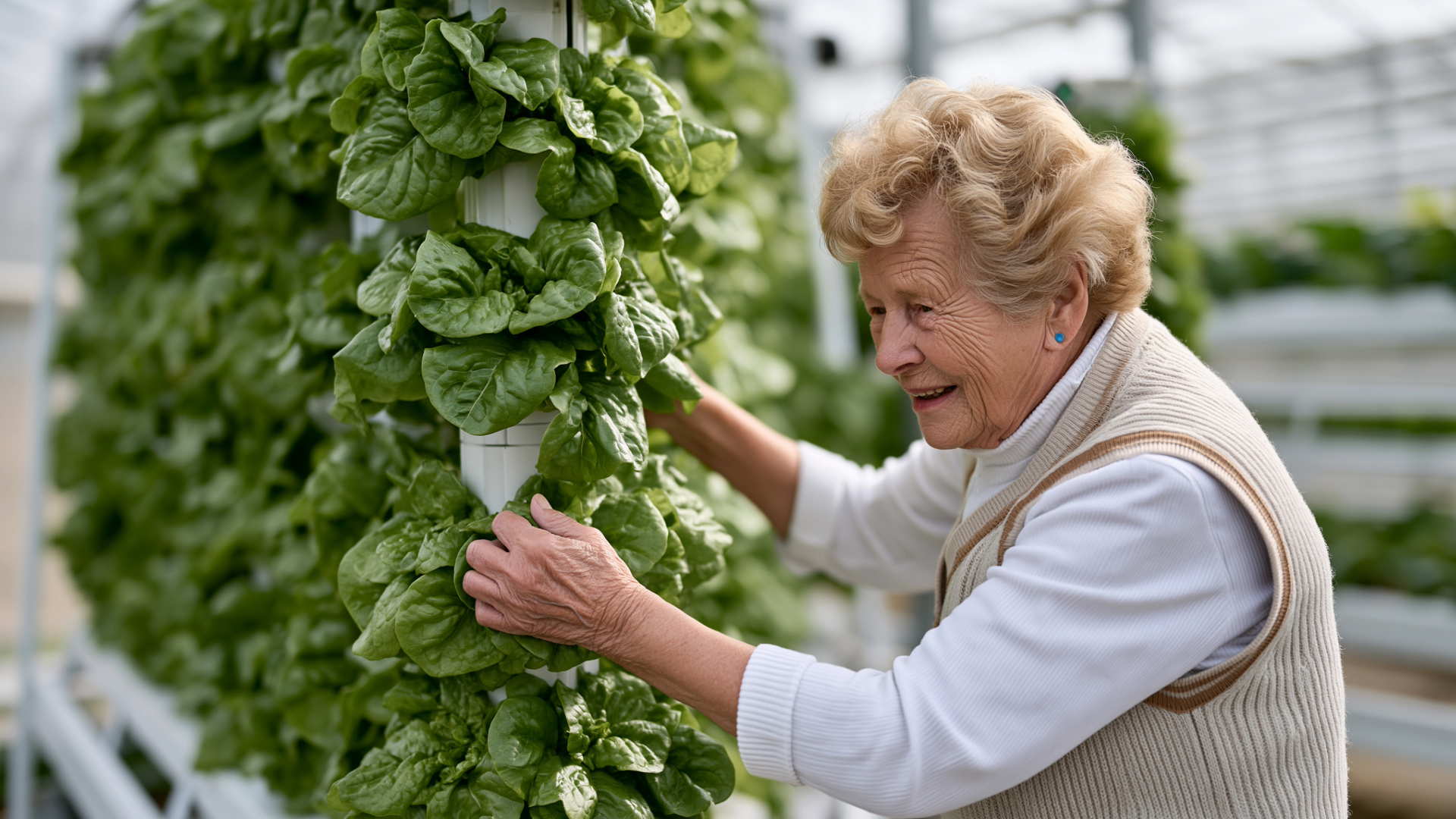
Vertical gardening has become one of my favorite ways to grow more food while doing less work. Bringing plants up off the ground makes them easier to reach, easier to harvest, and easier on an aging body.
If growing upward can save my back and knees, I’m all for it.
Grow Up Instead of Out
Many people think they need a large garden to grow plenty of vegetables.
The truth is just the opposite.
One sturdy trellis can produce baskets of tomatoes, cucumbers, or beans while taking up only a few square feet of ground.
Even better, growing vertically naturally reduces bending, kneeling, and crawling around searching for vegetables hidden beneath leaves.
Whether you have a patio, a tiny backyard, raised beds, or acres of property, vertical gardening helps you grow more food with less effort.
TL;DR for Seniors: Vertical Gardening
Vertical gardening helps you grow more while bending less. It’s a smart way to save space, make harvesting easier, and enjoy gardening with greater comfort.
🌿 Key Points:
✅ Grow upward to save space.
✅ Harvest vegetables without constant bending.
✅ Improve air circulation and reduce disease.
✅ Keep fruits cleaner and easier to find.
✅ Use sturdy supports that last for years.
✅ Pair vertical growing with raised beds for maximum comfort.
✅ Perfect for patios, decks, and small yards.
🌻 Takeaway: Growing up instead of out lets you enjoy a bigger harvest while putting less strain on your back, knees, and shoulders.
Why Vertical Gardening Works So Well
Think about how difficult it is to pick cucumbers lying on the ground.
Now imagine those same cucumbers hanging at waist height.
That’s the beauty of vertical gardening.
Plants naturally climb toward sunlight. By giving them support, you’re working with nature instead of against it.
Benefits include:
- Less bending
- Easier harvesting
- Better air circulation
- Cleaner vegetables
- Fewer fungal diseases
- Better use of small spaces
- Easier watering and pruning
Many gardeners are surprised by how much healthier climbing plants become once they’re off the ground.
Best Vegetables to Grow Vertically
Many favorite vegetables actually prefer growing upward.
Excellent choices include:
- Pole beans
- Cucumbers
- Tomatoes
- Peas
- Malabar spinach
- Small squash
- Mini pumpkins
- Luffa gourds
Some melons can also be grown vertically by supporting the fruit with inexpensive fabric slings.
Flowers That Love to Climb
Vertical gardens aren’t just for vegetables.
Beautiful flowering vines include:
- Clematis
- Morning glories
- Sweet peas
- Black-eyed Susan vine
- Nasturtiums
- Hyacinth bean vine
They add color while attracting bees, butterflies, and other pollinators.
Herbs That Fit Small Spaces
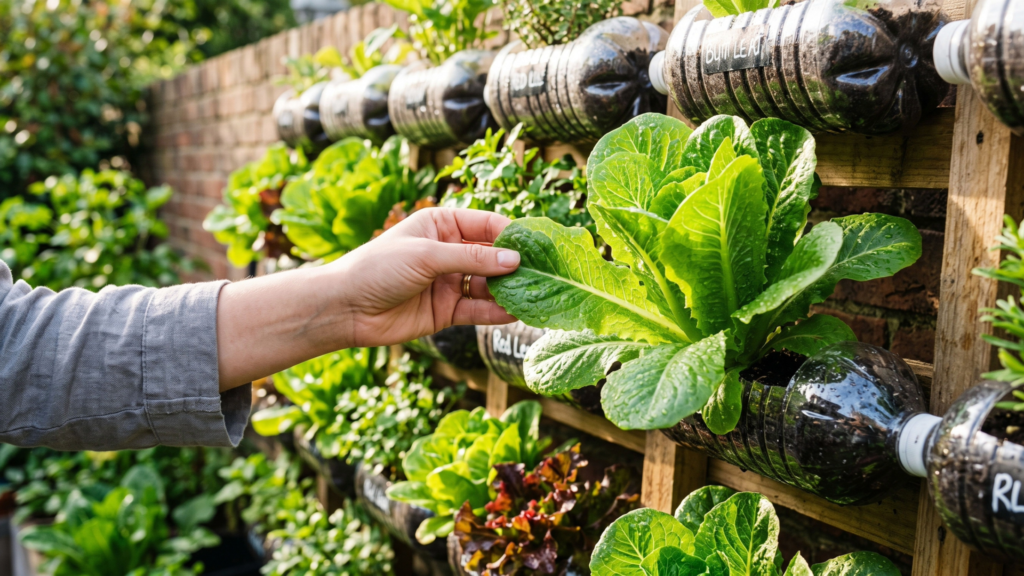
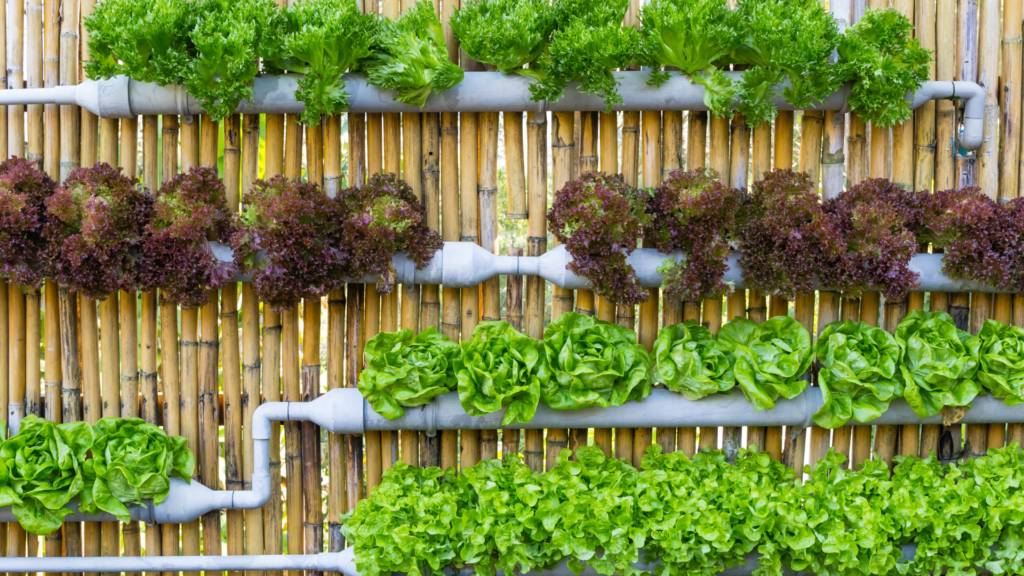
Many herbs thrive in wall planters, stacked containers, or hanging baskets.
Favorites include:
- Basil
- Parsley
- Chives
- Oregano
- Thyme
- Mint (grown in its own container)
Keeping herbs near the kitchen also makes harvesting quick and convenient.
Easy Supports Anyone Can Build
You don’t need expensive garden structures.
Some of the best supports are simple and affordable.
Consider using:
- Cattle panels
- Wire garden fencing
- Bamboo teepees
- Tomato cages
- Wooden A-frame trellises
- Garden netting
- Obelisks
- Arbors
Choose sturdy materials that can withstand summer storms and heavy crops.
Vertical Gardening in Raised Beds
Raised beds and trellises make a perfect combination.
Raised beds reduce bending. Vertical supports reduce reaching.
Together they create one of the easiest gardening setups for older adults.
Install the trellis along the north side of the bed whenever possible so taller plants don’t shade shorter crops.
Container Gardening Goes Vertical
Don’t have room for raised beds?
No problem.
Large containers can support:
- Tomatoes
- Cucumbers
- Beans
- Peas
- Flowers
Look for:
- Tall containers
- Rolling planters
- Self-watering pots
- Elevated planter boxes
- Hanging baskets
These options bring plants closer to a comfortable working height while making the most of patios and decks.
Make Harvesting Easier
One of the biggest advantages of vertical gardening is that vegetables are easier to see.
Instead of crawling through vines searching for hidden cucumbers, you’ll often find them hanging right in front of you.
Harvesting becomes:
- Faster
- Cleaner
- Easier on your joints
- More enjoyable
You’ll also notice fewer vegetables accidentally left to become oversized.
Watering Vertical Gardens
Climbing plants usually need consistent moisture.
Simple watering methods include:
- Drip irrigation
- Soaker hoses
- Self-watering containers
- Mulch around plant roots
- Rain barrels for collecting water
Water the roots instead of the leaves whenever possible.
Safety First
Large climbing plants can become surprisingly heavy.
Keep your garden safe by:
- Anchoring trellises securely
- Checking supports regularly
- Replacing damaged netting
- Avoiding overloaded structures
- Keeping walkways clear
A sturdy support protects both your plants and yourself.
Great Vertical Garden Ideas
Need inspiration?
Try these ideas:
- Cucumbers climbing an archway
- Pole beans growing on bamboo teepees
- Tomatoes trained on sturdy cages
- Hanging strawberry baskets
- Herb wall planters
- Trellises attached to raised beds
- Decorative obelisks covered with flowering vines
Even a small patio can become a productive vegetable garden.
Common Mistakes to Avoid
Many beginners make a few simple mistakes.
Avoid:
- Weak supports
- Overcrowded plants
- Forgetting to prune tomatoes
- Letting vines block walkways
- Ignoring watering needs
- Growing oversized squash on lightweight trellises
A little planning makes maintenance much easier.
My Favorite Tools for Easier, Safer Gardening
Gardening should not leave you hurting for days.
I put together this collection of senior-friendly gardening tools, raised planters, trellises, and helpful accessories. I own and use several of them myself. Others were chosen because they may reduce bending, lifting, gripping, and reaching.
Select any image below to see product details.




Why This Matters
Gardening should become easier as we gain experience. Vertical gardening lets you use every square foot more efficiently while putting less strain on your body.
Whether you’re growing food for your family or simply enjoying time outdoors, lifting your garden upward often means fewer aches, easier harvests, and more time doing what you love. Sometimes the smartest gardening improvement isn’t buying more land.
It’s simply growing up instead of out.
🌱Continue the Smart Gardening Series
Every gardener faces different challenges. These practical guides can help you reduce pain, conserve energy, and grow more with less work.
Popular Guides
🌱 Raised Bed Gardening for Seniors
🌼 Planning a Low-Maintenance Garden
🧰 Best Ergonomic Gardening Tools for Seniors
🪶 Choosing Lightweight Garden Equipment
🛒 Garden Carts, Kneelers, and Rolling Seats
🥕 Best Vegetables to Grow for Survival
👉 See Every Smart Gardening for Seniors Article
Discover practical gardening tips that make growing vegetables, herbs, and flowers easier, safer, and more enjoyable for older adults.
FAQs
What vegetables grow best on a trellis?
Pole beans, cucumbers, peas, tomatoes, Malabar spinach, and many small squash varieties all perform well when grown vertically.
Is vertical gardening good for seniors?
Yes. It reduces bending, kneeling, and reaching while making harvesting much easier.
Can I build a vertical garden on a patio?
Absolutely. Containers with trellises, wall planters, and hanging baskets work well on patios, decks, and balconies.
How tall should a garden trellis be?
Most vegetables do well on supports between 5 and 7 feet tall, depending on the crop.
Do climbing vegetables produce more?
They often produce healthier crops because of improved sunlight, airflow, and easier harvesting.
🌱 Continue the Gardening without Pain Series
Every gardener faces different physical challenges, but that doesn’t mean giving up a hobby you love.
Explore the rest of the Gardening without Pain series for practical tips on adapting your garden, protecting your joints, and staying active for years to come.
Articles in the Series
- 🌱 Raised Bed Gardening for Seniors
- 💪 Gardening with Shoulder Pain
- 🪴 Gardening with Back Pain
- 🦵 Gardening with Knee Pain
- 🚶 Gardening with Hip Pain
- ✋ Gardening with Weak Hands
- 🩹 Gardening with Arthritis
- 🌼 Gardening after a Stroke
- ♿ Gardening with Limited Mobility
- 🌿 Gardening with Parkinson’s Disease
- ♿ Best Ergonomic Gardening Tools for Seniors
- 🌱 Planning Your First Senior-Friendly Vegetable Garden
👉 Visit the Smart Gardening for Seniors Hub
Part of the Smart Gardening for Seniors: Growing More. Hurting Less. Series
Discover more practical gardening tips for shoulder pain, back pain, knee pain, hip pain, arthritis, and other challenges that affect senior gardeners.
We’d Love to Hear from You
Have you tried vertical gardening? What’s your favorite trellis, climbing vegetable, or space-saving tip?
Share your experience in the comments below. Your ideas may help another gardener discover an easier way to grow.