
Gardening with Hip Pain: Enjoy Your Garden with Less Pain and More Comfort

🌱 From My Garden
Hip pain has a way of slowing you down, especially in the garden. Simple tasks like kneeling, bending to plant flowers, or carrying bags of potting soil can become much harder than they used to be.
TI don’t write these articles because I read about them. I write them because I’ve lived them. Between multiple shoulder surgeries, including two left shoulder replacements, breast cancer surgeries, chronic back pain, knee surgery, and surgeries on my right hand for carpal tunnel syndrome and Dupuytren’s contracture, I’ve had to learn how to keep gardening without making my pain worse.
The tips I share come from real experience, along with research and current gardening best practices. My goal is simple: help you keep gardening safely, comfortably, and for many years to come.
Introduction
Hip pain can make even simple gardening tasks feel exhausting. Walking across the yard, kneeling to plant flowers, carrying bags of potting soil, or bending to pull weeds can quickly turn an enjoyable afternoon into hours of aching afterward.
The good news is that you don’t have to give up gardening. By making a few smart changes, you can continue growing flowers, vegetables, and herbs while putting much less stress on your hips.
Whether your hip pain comes from arthritis, an old injury, muscle weakness, or years of wear and tear, these practical tips can help you keep doing what you love.
Why Gardening Can Be Hard on Your Hips
Your hips support nearly every movement you make in the garden. Standing, walking, squatting, kneeling, lifting, and carrying all place stress on the hip joints.
Common gardening tasks that often increase hip pain include:
- Kneeling for long periods
- Squatting while planting
- Twisting while carrying heavy buckets
- Walking across uneven ground
- Reaching across wide garden beds
- Lifting bags of soil or mulch
The goal isn’t to stop gardening. It’s to reduce the movements that irritate your hips.
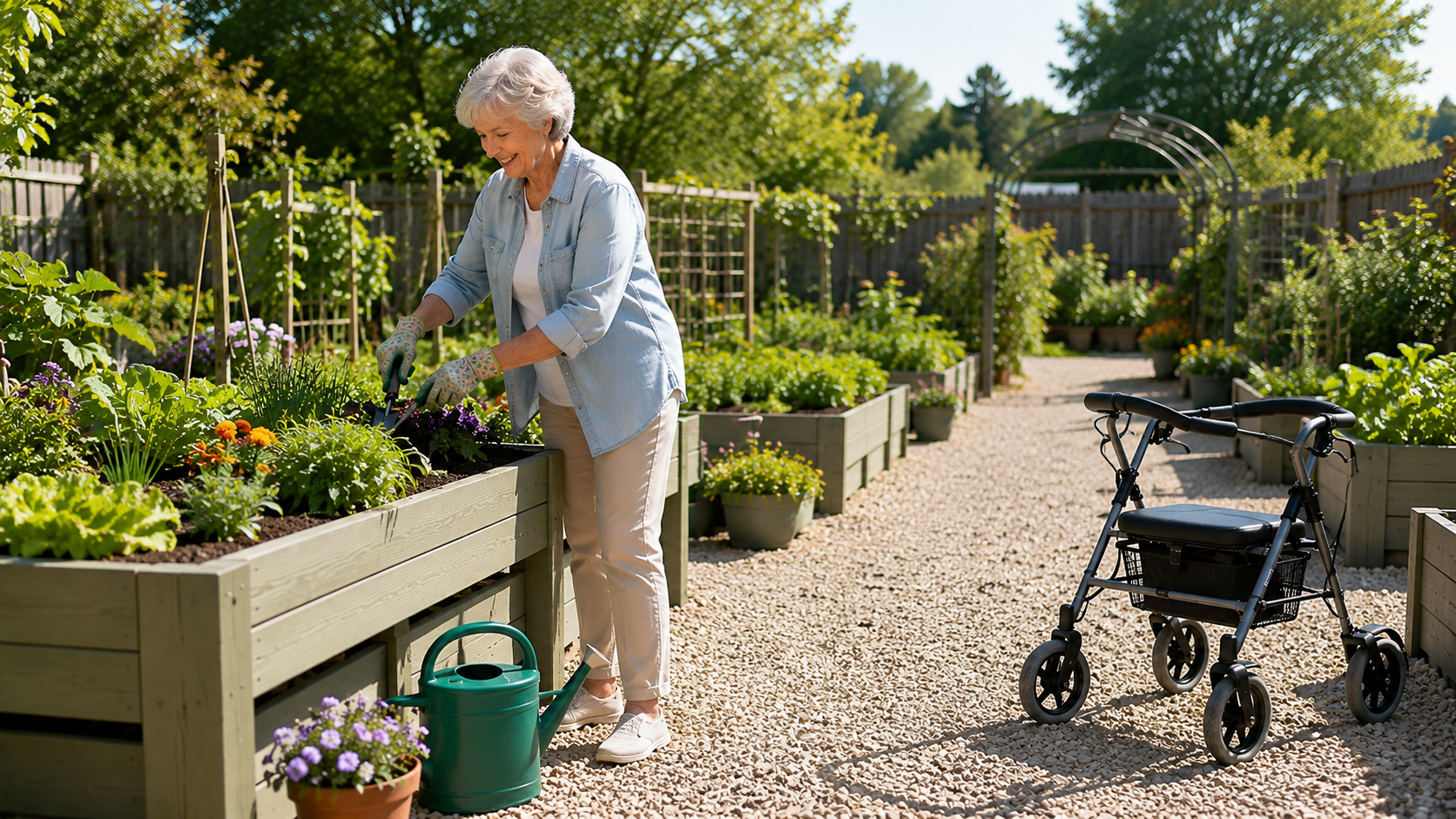
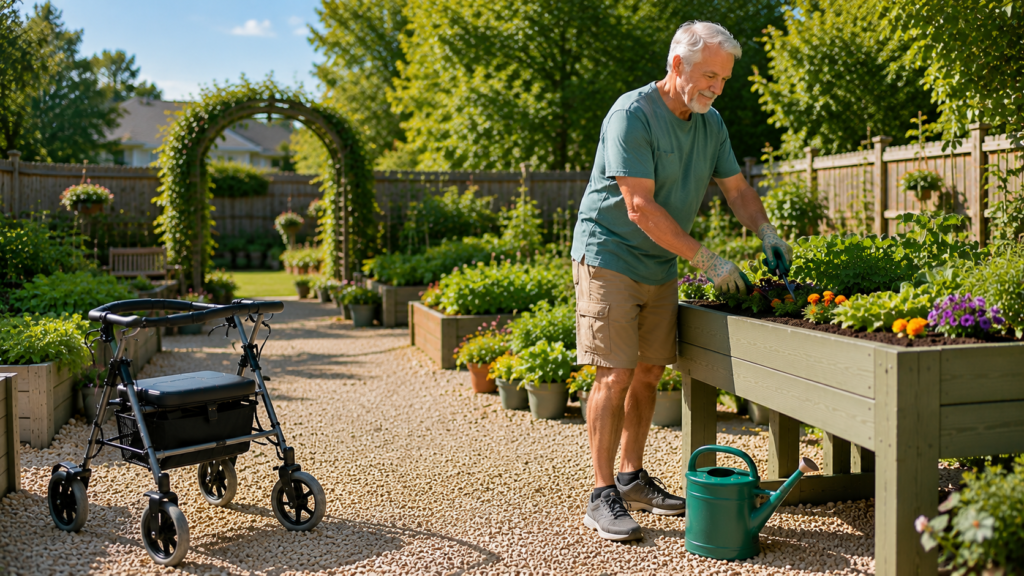
Raised Beds Make Gardening Easier
Raised beds are one of the best ways to reduce stress on painful hips.
They allow you to:
- Bend less
- Squat less
- Harvest more comfortably
- Weed with better posture
- Spend longer in the garden
Extra-tall raised beds or elevated planters can make gardening even easier.
Sit Instead of Squatting
Many gardeners assume they have to kneel or squat.
You don’t.
Instead, consider using:
- A rolling garden seat
- A sturdy garden stool
- A folding chair
- A kneeling bench with handles
Changing positions throughout the day helps reduce stiffness and fatigue.
🌿 Trusted Gardening Resources
Enjoying your garden is easier when you have the right tools. These trusted gardening products can help reduce strain on your shoulders, protect your joints, and make everyday gardening tasks safer and more comfortable.
Whether you’re dealing with arthritis, recovering from surgery, or simply looking for easier ways to garden, these are products worth considering.
Use Long-Handled Garden Tools
Long-handled tools allow you to work while standing more comfortably.
Helpful choices include:
- Long-handled cultivator
- Hoe
- Weeder
- Soil rake
- Extended-reach trowel
Reducing repeated bending is one of the easiest ways to protect sore hips.
My Favorite Tools for Easier, Safer Gardening
Gardening should not leave you hurting for days. I put together this collection of senior-friendly gardening tools, raised planters, and helpful accessories. I own and use several of them myself, while others were chosen because they may reduce bending, lifting, gripping, and reaching.
-
 $14.43Buy Now
With Ultra Sharp Japanese Steel Titanium Blade, Arthritis Friendly
We earn a commission if you make a purchase, at no additional cost to you.
09/27/2026 09:39 pm GMT -
 Buy Now
LifeFone Medical Alert System
Be prepared for any injury, disaster, health problem.
We earn a commission if you make a purchase, at no additional cost to you.
-
 $109.99Buy Now
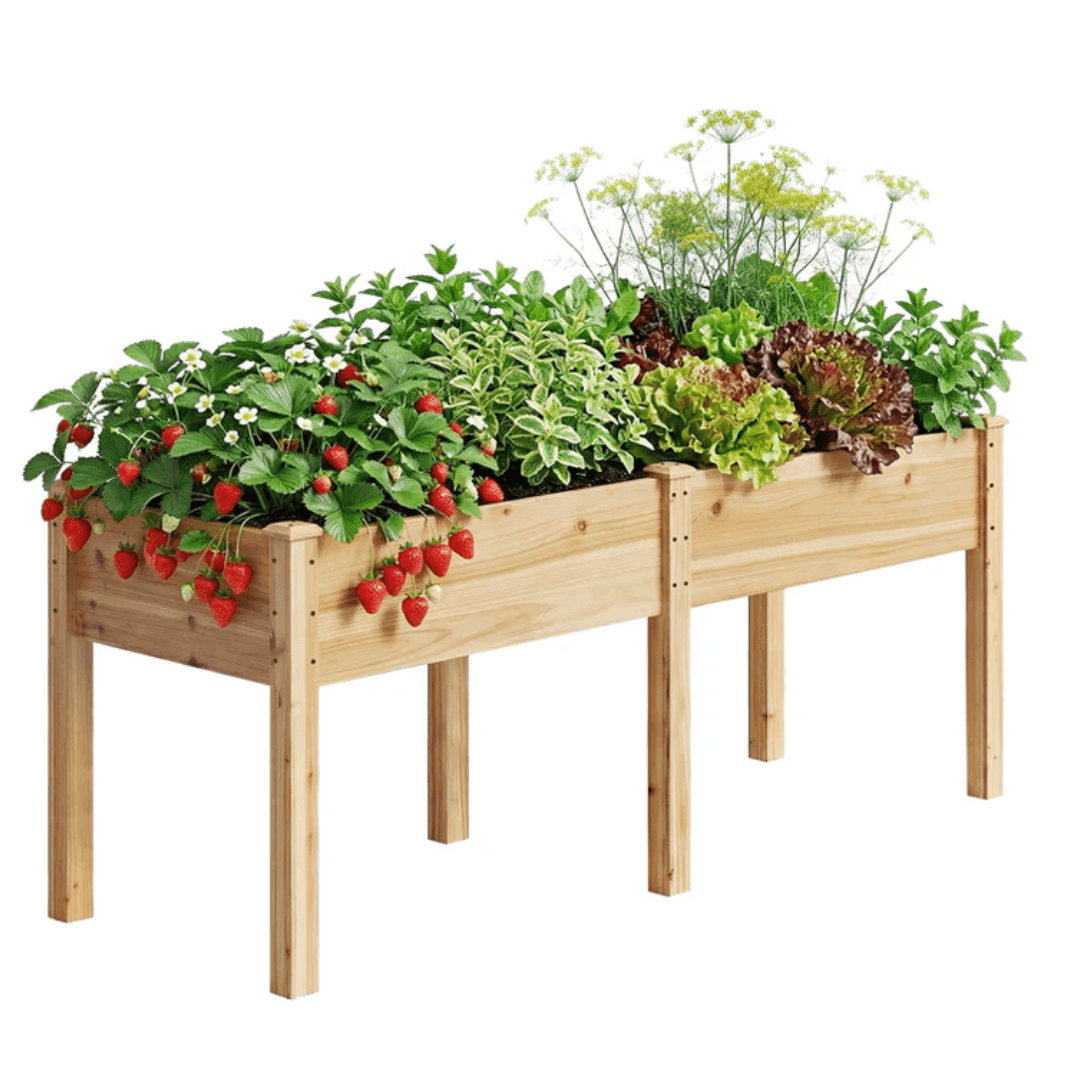
72" x 26 X 30" Wooden Raised Garden Bed with Legs, Elevated Reinforced Planter Box with Divider Panel & Drainage Holes, Natural Fir Wood Garden Planter for Vegetables, Herbs, Flowers, Patio, Balcony & Backyard
We earn a commission if you make a purchase, at no additional cost to you.
-
 $157.99Buy Now
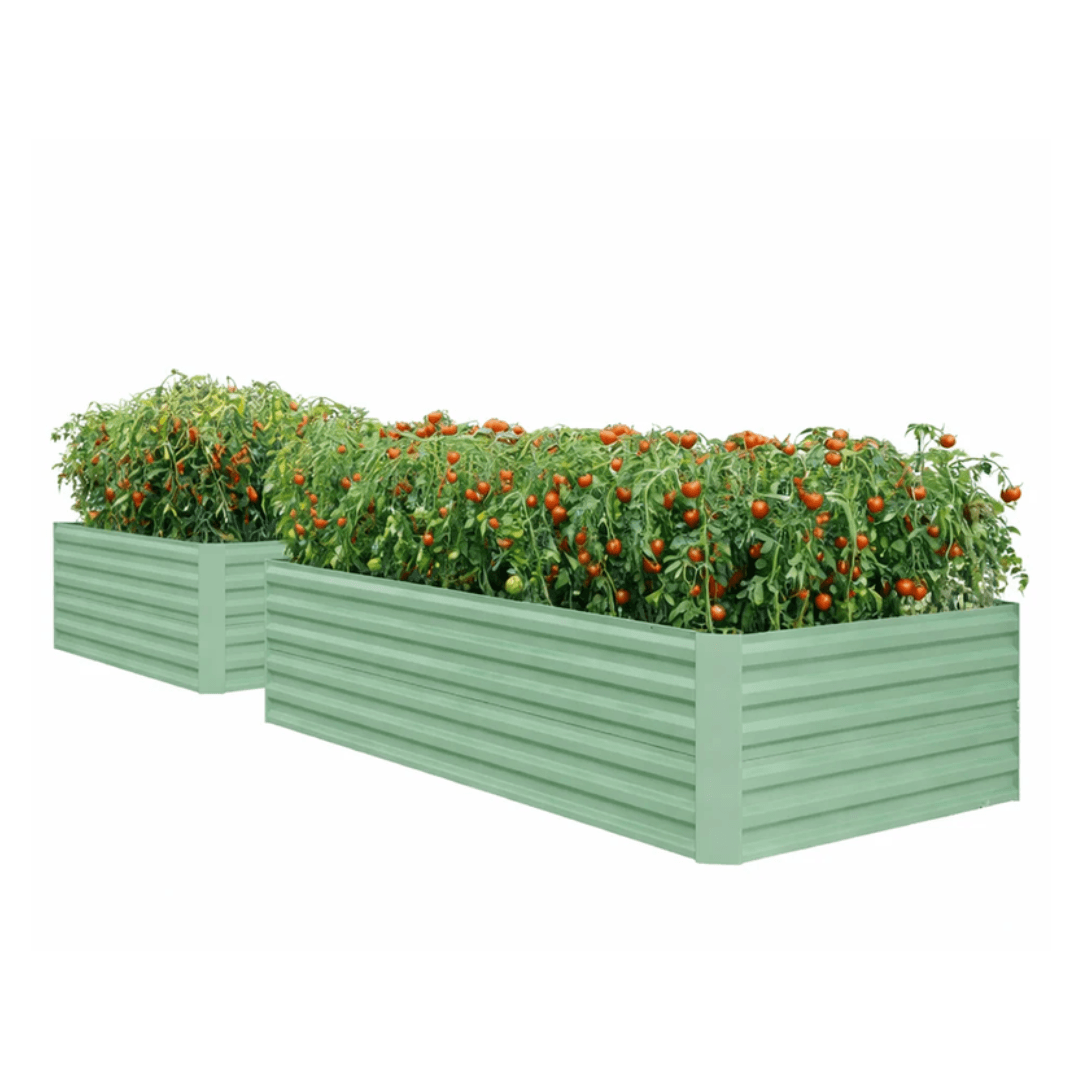
24-Inch Deep Open-Bottom Planter Boxes for Vegetables, Herbs & Flowers
We earn a commission if you make a purchase, at no additional cost to you.
-
 $89.99Buy Now
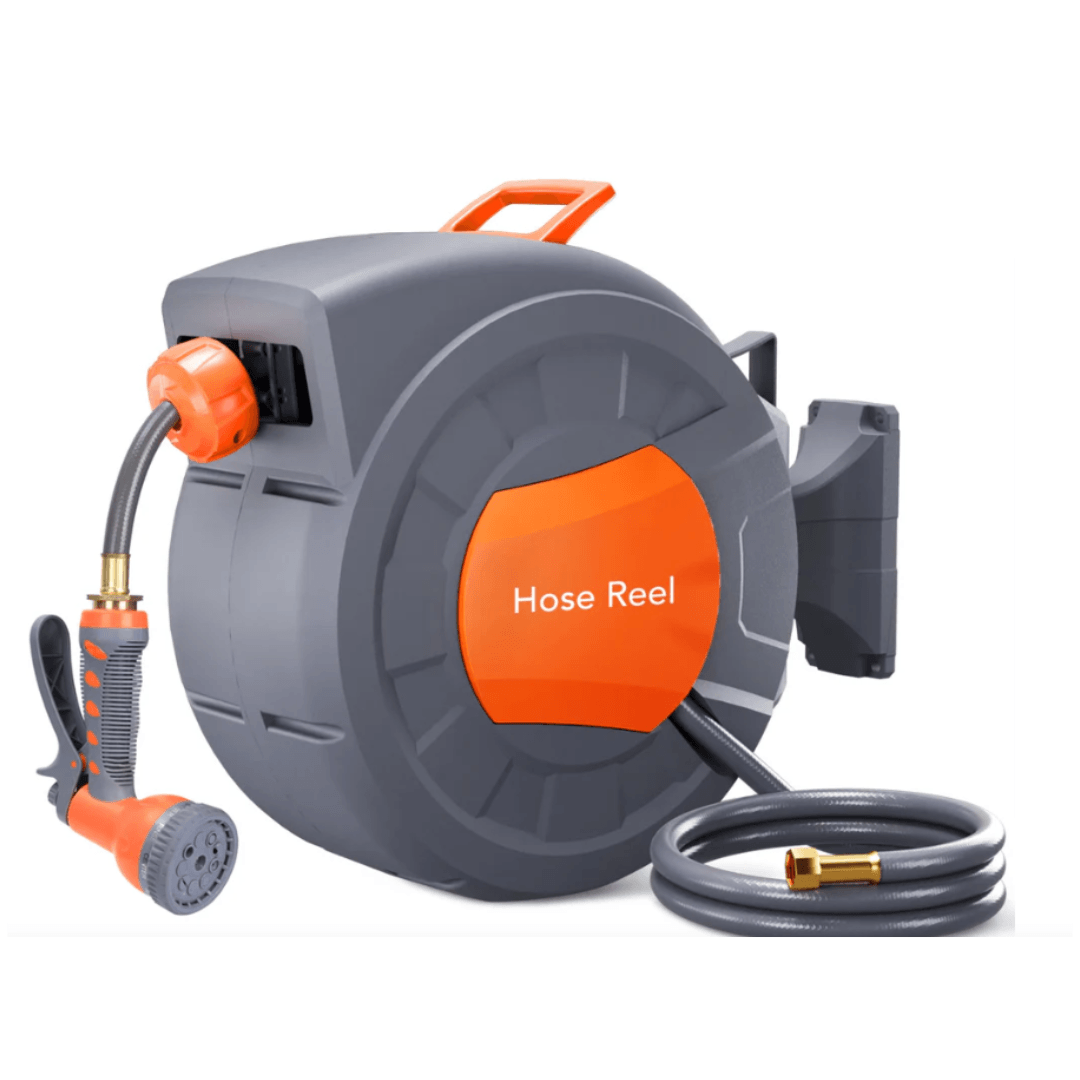
Garvee 1/2 in × 100 ft Retractable Garden Hose Reel, Wall Mount Auto Rewind, 9-Pattern Nozzle
We earn a commission if you make a purchase, at no additional cost to you.
-
 Buy Now
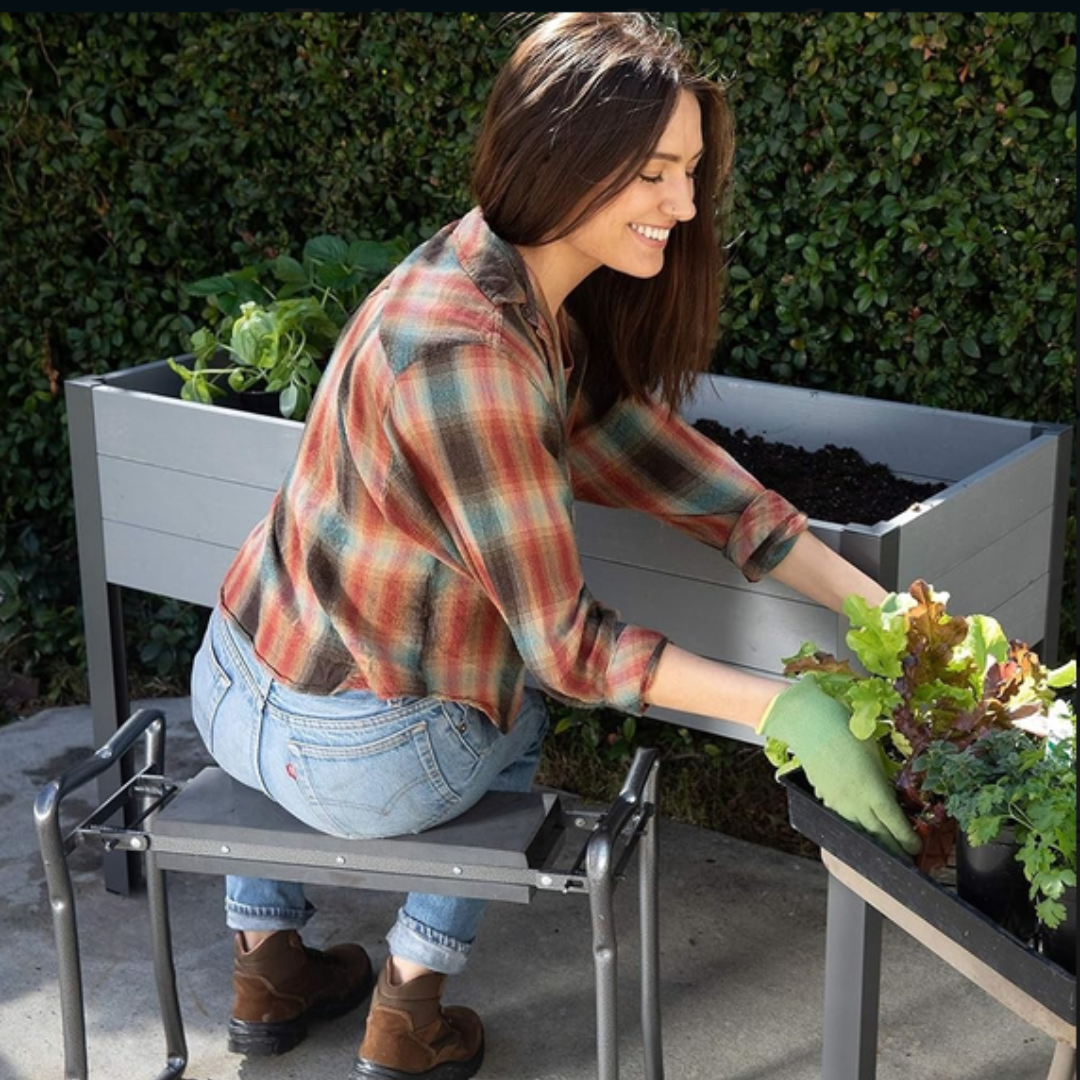
Converts from a comfortable bench for sitting to a cushioned kneeler by simply flipping it over.
We earn a commission if you make a purchase, at no additional cost to you.
-
 $16.99Buy Now
Beach Hiking Summer Wide Brim UPF 50+ Outdoor Protection Foldable Bucket Hat Beige, One Size
I own 2 of these! I even wear it in the pool.
We earn a commission if you make a purchase, at no additional cost to you.
09/27/2026 09:58 pm GMT -
 $38.99Buy Now
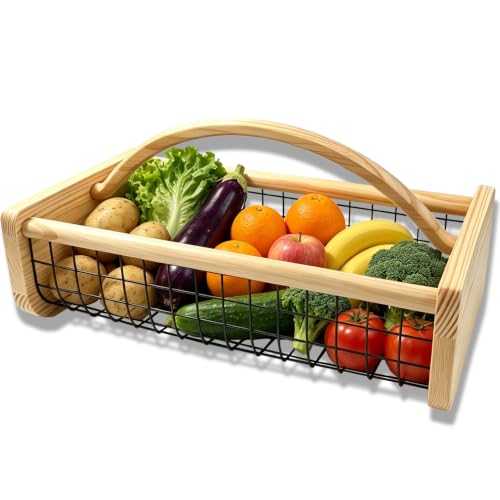
With Bent Solid Handle and Coated Mesh, Rinse & Deain Fresh Produce Easily for Kitchen and Outdoor Pick...
We earn a commission if you make a purchase, at no additional cost to you.
09/10/2026 12:11 am GMT -
 $6.99Buy Now
Super-sharp. Orange 1-Pack
I own 2 of these, 'cuz I use them everywhere!
We earn a commission if you make a purchase, at no additional cost to you.
09/27/2026 10:00 pm GMT -
 $57.94Buy Now
Heavy-Duty Tree Trimmer for Thick, Dry, Dead Branches, Ratchet Design Compounds Force for Easy Use, Low-Friction Steel Blades
We earn a commission if you make a purchase, at no additional cost to you.
09/27/2026 10:01 pm GMT -
 $28.99Buy Now
I LOVE THIS!: Fiskars 15-Inch Anvil PowerGear Super Pruner glides through branches up to 1.25" thick for easy cuts on dry, dead growth; trim tree branches to maintain your yard and garden and maintain overall plant health and appearance.
This is so light to carry around while you work.
We earn a commission if you make a purchase, at no additional cost to you.
09/27/2026 10:03 pm GMT -
 $14.80Buy Now
I OWN 2 PAIR OF THESE! Hand Protection with Touch Screen for Gardeners, Farmers, Landscapers and Movers
We earn a commission if you make a purchase, at no additional cost to you.
09/27/2026 10:04 pm GMT -
 $109.90Buy Now
400lbs Weight Capacity, Gardening Cart Bench, Ergonomic Backrest & Tool Storage, for Yard, Patio
We earn a commission if you make a purchase, at no additional cost to you.
09/27/2026 10:05 pm GMT -
 $59.95Buy Now
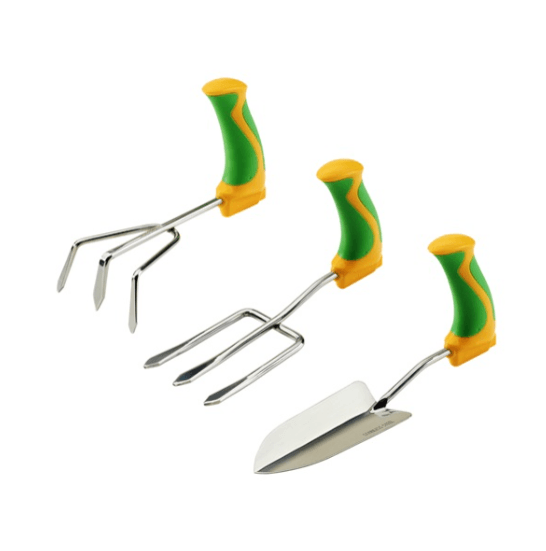
Upright handle, ergonomic hand tools set
Set of 3 adapted gardening tools with patented handle design.
We earn a commission if you make a purchase, at no additional cost to you.
-
 $99.99Buy Now
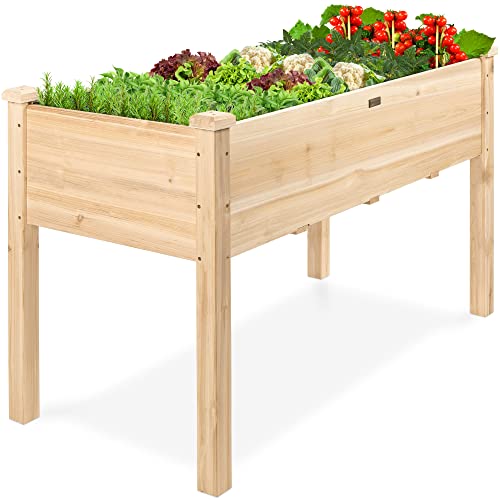
for Backyard, Patio, Balcony with Bed Liner, 200 Pound Capacity - Natural
We earn a commission if you make a purchase, at no additional cost to you.
09/27/2026 09:52 pm GMT

Lift Smarter, Not Harder
Heavy lifting is one of the quickest ways to aggravate hip pain.
Instead:
- Buy smaller bags of potting soil.
- Divide mulch into smaller buckets.
- Use a rolling garden cart.
- Ask for help moving heavy items.
Making two lighter trips is usually much easier than one heavy one.
Avoid Twisting While You Work
Twisting your body while lifting or carrying puts extra stress on your hips.
Instead:
- Turn your entire body.
- Move your feet instead of twisting.
- Keep loads close to your body.
- Face the direction you’re working.
These small changes can prevent painful flare-ups.
Wear Shoes That Support Your Hips
Supportive footwear helps absorb impact every time you walk through the garden.
Choose shoes with:
- Good arch support
- Cushioned soles
- Slip-resistant bottoms
- Stable support
Old, worn-out shoes often contribute to hip discomfort without you realizing it.
Work in Short Sessions
Many gardeners stay outside until the pain becomes severe.
A better approach is to:
- Garden for 20 to 30 minutes.
- Take a short break.
- Stretch gently.
- Drink plenty of water.
- Return only if you’re comfortable.
Stopping before the pain becomes intense usually allows you to enjoy gardening again tomorrow.
Make Your Garden Work for You
Your garden should fit your abilities, not the other way around.
Simple improvements include:
- Raised beds
- Elevated containers
- Wide, level walkways
- Frequently used tools stored nearby
- Drip irrigation systems
- Rolling garden carts
These changes reduce unnecessary bending, lifting, and walking.
Final Thoughts
Hip pain may change how you garden, but it doesn’t have to end your love of gardening.
With raised beds, supportive tools, better lifting habits, and a slower pace, you can continue growing beautiful flowers and fresh vegetables while protecting your hips.
The smartest gardeners aren’t the ones who work the hardest. They’re the ones who learn to work comfortably.
🌱 Continue the Gardening without Pain Series
Every gardener faces different physical challenges, but that doesn’t mean giving up a hobby you love.
Explore the rest of the Gardening without Pain series for practical tips on adapting your garden, protecting your joints, and staying active for years to come.
Articles in the Series
- 🌱 Raised Bed Gardening for Seniors
- 💪 Gardening with Shoulder Pain
- 🪴 Gardening with Back Pain
- 🦵 Gardening with Knee Pain
- 🚶 Gardening with Hip Pain
- ✋ Gardening with Weak Hands
- 🩹 Gardening with Arthritis
- 🌼 Gardening after a Stroke
- ♿ Gardening with Limited Mobility
- 🌿 Gardening with Parkinson’s Disease
- ♿ Best Ergonomic Gardening Tools for Seniors
- 🌱 Planning Your First Senior-Friendly Vegetable Garden
👉 Visit the Smart Gardening for Seniors Hub
Part of the Smart Gardening for Seniors: Growing More. Hurting Less. Series
Discover more practical gardening tips for shoulder pain, back pain, knee pain, hip pain, arthritis, and other challenges that affect senior gardeners.
FAQs
Is gardening good for people with hip pain?
Gentle gardening can help maintain flexibility and strength. Avoid movements that increase pain, and check with your healthcare provider if you’re recovering from surgery or managing a medical condition.
Are raised beds better for hip pain?
Yes. Raised beds reduce bending, squatting, and reaching, making gardening much easier on the hips.
Should I avoid kneeling?
If kneeling causes discomfort, use a garden stool, rolling seat, or raised planter instead.
What gardening tools help reduce hip strain?
Long-handled tools, rolling garden carts, lightweight watering wands, and elevated planters all help reduce stress on the hips.
When should I stop gardening?
Stop if your pain increases significantly, you feel unstable, or your hips become swollen or difficult to move.
🌱 Helpful Online Gardening Resources
If you’d like to learn more about adaptive gardening, healthy aging, and fall prevention, these trusted organizations offer excellent free information.
🌼CDC STEADI Fall Prevention Program
🌼National Institute on Aging
🌼American Horticultural Society
🌼National Garden Bureau
🌼USDA Cooperative Extension System
What changes have helped you continue gardening with hip pain? Share your favorite tools, raised beds, or gardening techniques in the comments. Your experience may help another gardener stay active and continue enjoying the outdoors.