
Easiest Crops for Senior Gardeners: Grow More with Less Work

🌱 From My Garden
I know how frustrating it is when gardening leaves you sore for days.
I don’t write these articles because I read about them. I write them because I’ve lived them. Between multiple shoulder surgeries, including two left shoulder replacements, chronic back pain, knee surgery, and surgeries on my right hand for carpal tunnel syndrome and Dupuytren’s contracture, and most recently, breast cancer surgeries, I’ve had to learn how to keep gardening without making my pain worse.
The tips I share come from real experience, along with research and current gardening best practices. My goal is simple: help you keep gardening safely, comfortably, and for many years to come.
Some vegetables make you work for every bite.
They need constant staking, pruning, watering, pest patrol, tying, bending, or crawling around looking for produce hidden under leaves.
Others are much more cooperative.
For senior gardeners, that difference matters.
An easy vegetable is not simply one that germinates quickly or grows well for beginners. It should also be reasonably easy to plant, maintain, reach, and harvest.
That means the easiest crop for a 30-year-old gardener may not be the easiest crop for someone dealing with arthritis, back pain, limited mobility, weak hands, or reduced stamina.
The good news is that plenty of vegetables and herbs give you a good return without demanding constant attention.
- Leaf lettuce can be snipped repeatedly.
- Bush beans stay relatively compact.
- Green onions need little room. Wild onions come back every year and can exceed your ground space.
- Swiss chard can produce for a long time.
- Herbs can give repeated harvests from a small container right outside the kitchen door.
That is the kind of gardening I like.
Good food without turning the garden into a second job.
This guide will help you choose crops that are generally easier for older gardeners to grow while also showing you where a supposedly “easy” vegetable may have drawbacks.
Because easy gardening is not about growing less.
It is about choosing better.
Easier Plants Make Gardening More Enjoyable
The easiest crops for seniors are usually plants that grow reliably, need limited fussing, are easy to reach, and provide a worthwhile harvest.
Choose crops that match your climate, available space, physical abilities, and the foods you actually enjoy eating.
TL;DR for Seniors: Easiest Crops for Senior Gardeners
You do not need to grow difficult vegetables to have a productive garden. Start with forgiving crops that require less bending, pruning, staking, and maintenance.
🌿 Key Points:
✅ Leaf lettuce is quick, compact, and easy to harvest a little at a time.
✅ Swiss chard can produce for a long period with relatively little fuss.
✅ Bush beans stay compact and usually require less support than pole beans.
✅ Green onions need little space and are easy to grow in containers or raised beds.
✅ Radishes grow quickly but are best for gardeners who actually enjoy eating them.
✅ Peppers are productive and generally need less training than large tomato plants.
✅ Herbs such as basil, parsley, chives, and thyme give repeated harvests from small spaces.
✅ Cherry tomatoes can be productive, but choose compact varieties if you want less staking and pruning.
✅Summer squash can be easy to grow but needs more space and frequent harvesting.
✅ Grow crops suited to your local climate rather than following one national planting calendar.
🌻 Takeaway: Choose vegetables that make gardening easier on your body as well as easier in the soil. A manageable garden you enjoy is more valuable than a demanding garden filled with difficult crops.
What Makes a Crop “Easy” for a Senior Gardener?
Before we start naming vegetables, we need to define what easy actually means.
A vegetable might be simple to grow but physically difficult to maintain.
Pole beans are a good example. They can be productive and straightforward to grow, but a tall trellis can put beans above comfortable reach.
A sprawling squash plant might thrive with little encouragement, yet force you to bend, reach beneath prickly leaves, and hunt for fruit.
Large indeterminate tomato plants can produce all season, but they may need tall supports, regular tying, pruning, and frequent inspection as I can attest to.
For this article, I consider a senior-friendly easy crop one that meets several of these conditions:
- Grows reliably when planted in suitable conditions
- Does not require constant pruning or training
- Can be grown at an accessible height
- Has an easy-to-see harvest
- Produces enough food to justify the work
- Does not demand excessive watering or special care
- Can grow in containers or raised beds when appropriate
- Does not require heavy digging or complicated equipment
No crop checks every box.
Your climate also matters.
A vegetable that is nearly effortless in one part of the country may struggle with heat, cold, humidity, insects, or a short growing season somewhere else.
Use this list as a starting point, then choose varieties and planting dates suited to your area. Check your local Cooperative Extension, Farmer’s Almanac or another reliable regional gardening source.
1. Leaf Lettuce
Leaf lettuce is one of my favorite choices for senior gardeners because you do not have to wait for a large head to form. Smaller leaves also tastes so good from your own garden.
You can harvest the outside leaves and allow the center of the plant to keep growing. This is often called cut-and-come-again harvesting.
That gives you fresh lettuce over a longer period instead of one enormous harvest all at once.
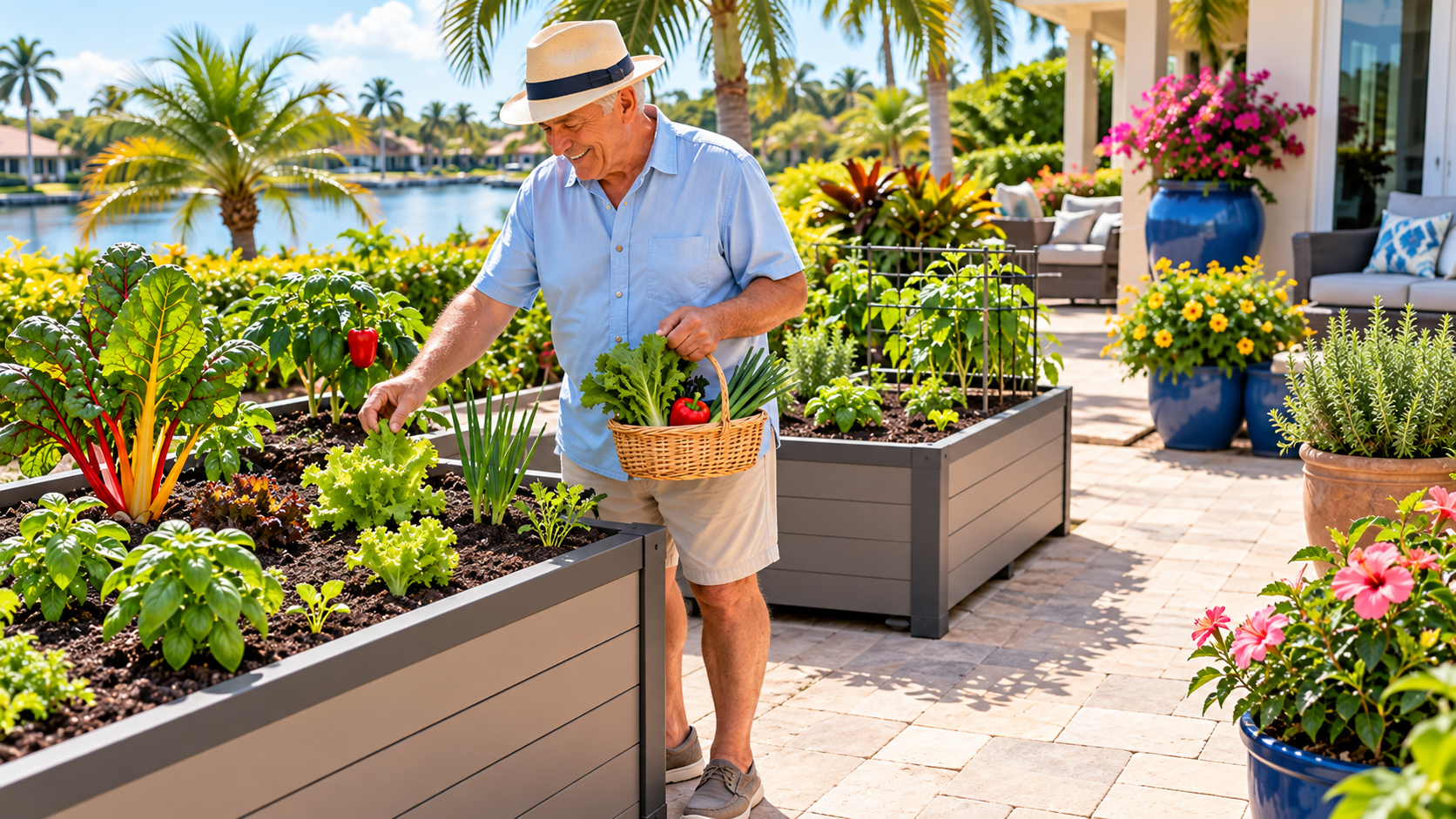
Leaf lettuce also works beautifully in elevated planters, containers, and raised beds. Because the roots do not require extremely deep soil, you can bring the growing area closer to a comfortable working height.
Another advantage is speed.
Many leaf lettuces mature fairly quickly, so you get the satisfaction of harvesting something without waiting half the season.
The major limitation is temperature.
Lettuce prefers cooler growing conditions and can become bitter or bolt when temperatures become too warm. In many regions, that makes it better for spring and fall than the hottest part of summer; or, in the winter for us Florida residents.
Senior-Friendly Tip
Plant a small amount at a time instead of an entire seed packet.
Then plant another small batch a week or two later.
That helps spread out the harvest and prevents the familiar problem of suddenly having more lettuce than you can possibly eat.
2. Swiss Chard
Swiss chard deserves more attention from senior gardeners. It’s one of my favorite “greens” to grow.
It is attractive, productive, and you can harvest the outer leaves while leaving the rest of the plant growing.
That means one plant can provide repeated harvests rather than requiring you to pull the whole vegetable at once.
The leaves are also easy to see.
You are not hunting beneath dense vines or digging through the soil to find your crop.
Swiss chard can grow in raised beds and containers, making it easier to bring the plant closer to a comfortable height.
It is also useful in the kitchen. Younger leaves can be used in salads, while larger leaves can be cooked much like other greens.
If you have never grown it, try just a few plants first.
You may discover that it gives you a surprisingly large amount of food for the effort involved.
3. Bush Beans
Beans are productive, familiar, and useful in a home garden. They are easy to grow in my Florida homestead and they grow abundantly.
For many seniors, I would choose bush beans before pole beans. I like bush beans because they can grown in a raised bed or a fabric 30 liter grow bag.
Have you tasted the difference in fresh grown bush beans vs purchased store or even produce beans?
Bush beans stay relatively compact and generally do not require a tall trellis. That removes one more structure you need to build, maintain, and reach.
The beans are also fairly easy to see and harvest.
One drawback is that bush beans can produce heavily over a relatively short period. If you plant a large row all at once, you may suddenly find yourself picking far more beans than you need.
Planting smaller batches can help spread the harvest.
Another consideration is height.
Bush beans grown directly in the ground still require bending. I found out how hard they can be to harvest the first couple of years I started my garden.
If bending is difficult for you, grow them in a raised bed or elevated planter where you can reach the plants comfortably.
Bush beans also work well when space is limited. See our Growing Food in Small Spaces guide for more ways to make a compact garden productive without overcrowding it.
4. Green Onions
Green onions are one of those wonderfully uncomplicated crops that can fit almost anywhere. Did a planting of green onions somehow fall to the ground to make the wild onions that have popped up around my garden in these past 20 years?
They require little horizontal space, and you can grow a useful number in a relatively small container or section of raised bed.
They are also easy to harvest.
You do not need to wrestle with vines, support the plant, or search beneath foliage.
And because green onions are used in so many meals, even a small planting can be practical.
Snip the tops for flavor or harvest the entire onion, depending on how you are growing them and what you want to use.
For a gardener with very limited space, green onions can be a much better use of a container than a huge sprawling vegetable plant.
5. Radishes
Radishes regularly appear on lists of easy vegetables, and there is a good reason.
They grow quickly.
Some varieties can go from seed to harvest in roughly a month under suitable conditions.
They also require relatively little growing space.
But here is my qualification:
Only grow radishes if you actually like radishes which my family does.
An easy vegetable that no one in your household wants to eat is not a useful crop.
Radishes are best suited to cooler growing periods in many climates. Hot weather can affect quality and may cause problems. I grow them in the early spring in my location.
They can also be excellent for succession planting because they mature so quickly.
Plant a small number, harvest them, and reuse the space.
6. Peppers
Peppers are a favorite recommendation for gardeners who want a productive plant without dealing with an enormous vine. Sadly, for me, I am allergic to peppers unless they are hot and pickled like pepperoncini and jalapenos.
A healthy pepper plant can produce repeatedly through the appropriate growing season, and the fruit is generally easy to see.
Peppers can also grow well in appropriately sized containers, which means you can place them near the house or at an easier working height.
They may need a simple stake or cage when heavily loaded with fruit, but they usually do not require the same amount of training as a large indeterminate tomato plant.
Choose pepper varieties you actually use.
If you do not enjoy hot peppers, do not plant six jalapeño plants just because they are productive.
Sweet peppers may be much more useful to you.
Likewise, if you love cooking with hot peppers, one or two plants may provide more than you expect.
7. Herbs
Herbs may be the easiest edible plants to fit into a senior-friendly garden. My garden is filled with herbs including four raised beds for mint.
They can grow in containers near the kitchen, in raised beds, or in small spaces between other appropriately spaced plants.
Good possibilities include:
- Basil
- Parsley
- Chives
- Rosemary
- Thyme
- Oregano
- Cilantro
- Mint
Mint deserves one special warning.
It can spread aggressively when planted directly in the garden.
I prefer keeping mint contained in a pot where it cannot wander wherever it pleases. I learned this early on when the mint I planted in the ground spread everywhere!
Herbs also give you a lot of usefulness from a small footprint.
You may only need a few basil leaves, a sprig of thyme, or some chopped parsley for dinner.
That makes them ideal for growing close to the house.
For preparedness, herbs also have another benefit.
Rice, beans, pasta, canned vegetables, soups, and other stored foods taste much better when you can add something fresh.
8. Kale
Kale is another leafy vegetable that can provide repeated harvests. Kale has become another favorite of mine and my family, especially fresh kale.
Instead of harvesting the entire plant, you can remove outer leaves while allowing the center to continue growing.
That gives you more food from each plant and reduces the need to constantly replant.
Kale is also easy to identify and harvest, especially when grown at a comfortable height.
The biggest consideration is climate.
It is generally better suited to cooler conditions than extreme heat. Grow it in the winter in your southern garden locations.
Pests can also be an issue in some areas, particularly insects that feed on cabbage-family plants.
So although kale can be easy, it may not be completely maintenance-free where you live.
This is another reason local gardening advice matters.
A crop that grows effortlessly in one state can become an insect buffet in another.
9. Cherry Tomatoes, with One Important Qualification
Tomatoes appear on many lists of easy vegetables. In my case, I can grow a bumper crop of cherry tomatoes, but not so much for regular tomatoes.
So, I agree with them being easy to grow only partly.
Tomato plants themselves are not especially difficult to grow under good conditions.
But a six-foot indeterminate tomato can require a substantial cage or trellis, regular tying, pruning, pest checks, and a lot of reaching.
That may not qualify as easy for every senior gardener.
If you want tomatoes with less work, look for determinate, patio, dwarf, or compact cherry tomato varieties.
Cherry tomatoes are especially nice because you can harvest them as they ripen rather than waiting for one large fruit.
Grow them in a raised bed or large container where you can reach them easily.
Then give them sturdy support from the beginning.
Trying to install a tomato cage after a plant has already become large and tangled is much harder than setting up the support when you plant it.
If you would rather keep tomatoes and other vegetables close to the house, see our Container Gardening Made Easy for Seniors guide for ideas on choosing and arranging containers.
10. Summer Squash and Zucchini: Easy to Grow, Not Always Easy to Manage
Summer squash has a reputation for being one of the easiest vegetables to grow. Sometimes it absolutely is.
One healthy zucchini plant can produce so much that you may find yourself giving squash to everyone you know.
But I hesitate to put zucchini near the very top of a senior-friendly list.
The plants become large.
The leaves can be rough or prickly.
Fruit can hide underneath the foliage.
And zucchini seems to go from finger-sized to baseball-bat-sized when you turn your back for two days.
It also needs fairly frequent harvesting when producing heavily.
That does not make it a bad choice.
It simply means you should allow enough space around the plant to reach it safely.
Do not wedge it into a corner where harvesting requires leaning across other plants.
One or two plants may be plenty for most households.
I just wish my son liked squash. He’s a no to all squashes, so I have to hope my neighbor grows them and will share.
Not really worth growing squash it if I cook dinner for all of us and he won’t eat them.
11. Cucumbers Can Be Easy if You Grow Them Up
Cucumbers are productive and can be easy to grow in the right conditions.
But allowing vines to sprawl across the ground can create problems for seniors.
The fruit becomes harder to see, vines spread into walking areas, and harvesting may require more bending.
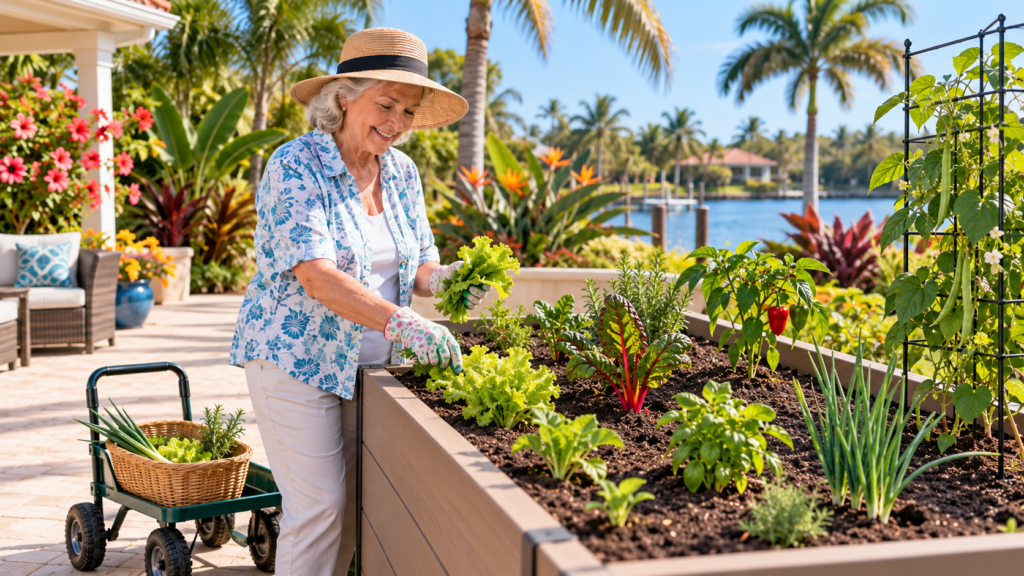
A sturdy, moderately sized trellis changes that.
Training cucumbers upward keeps much of the fruit visible and easier to reach.
Do not build the trellis taller than you can comfortably harvest.
There is no point growing a cucumber seven feet above the ground if retrieving it requires a ladder.
For smaller gardens, look for bush or compact cucumber varieties.
For safer ways to bring climbing crops upward without making them difficult to reach, see our Vertical Gardening for Small Spaces guide.
12. What about Carrots and Beets?
Carrots and beets are often included on beginner gardening lists.
They can certainly be grown successfully, but I would put them slightly lower on my senior-friendly list.
Why?
Because the edible portion is underground.
You need to thin seedlings, judge when the roots are ready, and pull or dig the vegetables from the soil.
That may be perfectly easy for you.
But if hand strength, gripping, kneeling, or bending is difficult, leafy vegetables and above-ground crops may be simpler.
One solution is an elevated container.
Growing root vegetables in a tall container or raised bed lets you work at a more comfortable height and gives you loose soil that can make harvesting easier.
I let a grow bag of carrots grow for months until they were finally ready, although small, they were good.
13. Buy Transplants When They Make Gardening Easier
There is nothing wrong with starting every plant from seed.
There is also nothing wrong with not starting every plant from seed.
For crops such as tomatoes and peppers, buying healthy transplants can eliminate weeks of indoor seed starting, grow lights, thinning, watering, and hardening plants before moving them outside. Much easier for me to do.
If starting seeds is something you enjoy, absolutely do it.
But do not turn it into a rule you must follow to be a “real gardener.”
Gardening should fit your energy and abilities.
Sometimes buying six healthy vegetable plants is the smarter choice.
For vegetables that are easily direct seeded, such as bush beans, radishes, and many greens, planting the seed directly where it will grow can be wonderfully simple.
14. Choose Disease-Resistant Varieties When You Can
One of the easiest gardening chores is the one you never have to do.
If a vegetable variety has resistance to common diseases in your region, that can mean fewer problems later.
Seed packets and plant labels often include disease-resistance information.
Local garden centers may also stock varieties that perform well in your area.
This is a good place to use your local Cooperative Extension recommendations too.
You do not need to become a plant-disease expert.
Just give yourself better odds from the beginning.
15. Do Not Grow Too Many “Easy” Crops
This may sound contradictory. If a crop is easy, why not grow a lot of it?
Because 20 easy plants can quickly become a difficult garden.
Twenty lettuce plants need watering and harvesting.
Twenty pepper plants produce peppers.
Twenty bush bean plants eventually need picking.
The workload adds up.
Start with modest amounts.
Pay attention to how much food you actually harvest and eat.
Then adjust next season.
Gardening gets easier when you stop measuring success by how many plants you can fit into the garden.
Measure it by how well the garden fits you.
Choosing easier crops is only part of reducing the workload. Our Planning a Low-Maintenance Garden guide shows how layout, watering, mulch, and garden design can reduce routine work too.
16. Grow the Foods You Already Eat
This sounds obvious, but it is one of the most commonly overlooked gardening rules. Do not choose vegetables only because someone tells you they are easy.
Choose from the easy crops that you actually enjoy eating.
If you love salads, lettuce, green onions, cucumbers, peppers, and herbs make sense.
If you cook with greens regularly, Swiss chard and kale may be excellent choices.
If you eat beans constantly, give bush beans some garden space.
If nobody in your household eats radishes, leave them at the garden center.
Garden space, water, time, and physical energy are limited resources.
Spend them on food you want.
17. Match the Crop to Your Body
The easiest vegetable on paper may not be the easiest vegetable for you. I have many bodily pains from previous injuries from me being a lifelong horseback rider and competitor. so I have to work around this in my garden.
My senior body works differently than yours.
If bending is painful, move crops into elevated planters or raised beds.
If your hands are weak, avoid garden setups that require constant tying, clipping, or manipulating tiny fasteners.
If balance is difficult, keep plants out of walkways and avoid harvesting methods that require reaching or stretching.
If stamina is limited, keep the garden close to the house and group your vegetables together instead of scattering containers across the property.
The plant is only half of the equation.
The growing setup determines how easy the plant really becomes.
My Top Choices for an Easy Senior Garden
If I were helping someone create a small first garden and the main goal was easy food with reasonable maintenance, I would start with a short list.
Try:
- Leaf lettuce
- Swiss chard
- Bush beans
- Green onions
- Peppers
- Basil and parsley and/ or another favorite herb
Then add one compact cherry tomato if you really want tomatoes.
That is enough variety to learn from without creating an enormous workload.
Once you know what grows well in your location and what you enjoy maintaining, add more.
You do not have to prove anything by growing 25 kinds of vegetables your first season.
A small successful garden is much more encouraging than a big garden that overwhelms you.
🌿 Trusted Gardening Resources
Enjoying your garden is easier when you have the right tools. These trusted gardening products can help reduce strain on your shoulders, protect your joints, and make everyday gardening tasks safer and more comfortable.
Whether you’re dealing with arthritis, recovering from surgery, or simply looking for easier ways to garden, these are products worth considering.
My Favorite Tools for Easier, Safer Gardening
The right tools can make gardening much easier on aging hands, shoulders, backs, hips, and knees. I’ve gathered some of my favorite senior-friendly gardening tools, raised planters, and accessories below. I own and use several of these myself because they help reduce bending, lifting, gripping, and reaching.
-
 $14.43Buy Now
With Ultra Sharp Japanese Steel Titanium Blade, Arthritis Friendly
We earn a commission if you make a purchase, at no additional cost to you.
09/27/2026 09:39 pm GMT -
 Buy Now
LifeFone Medical Alert System
Be prepared for any injury, disaster, health problem.
We earn a commission if you make a purchase, at no additional cost to you.
-
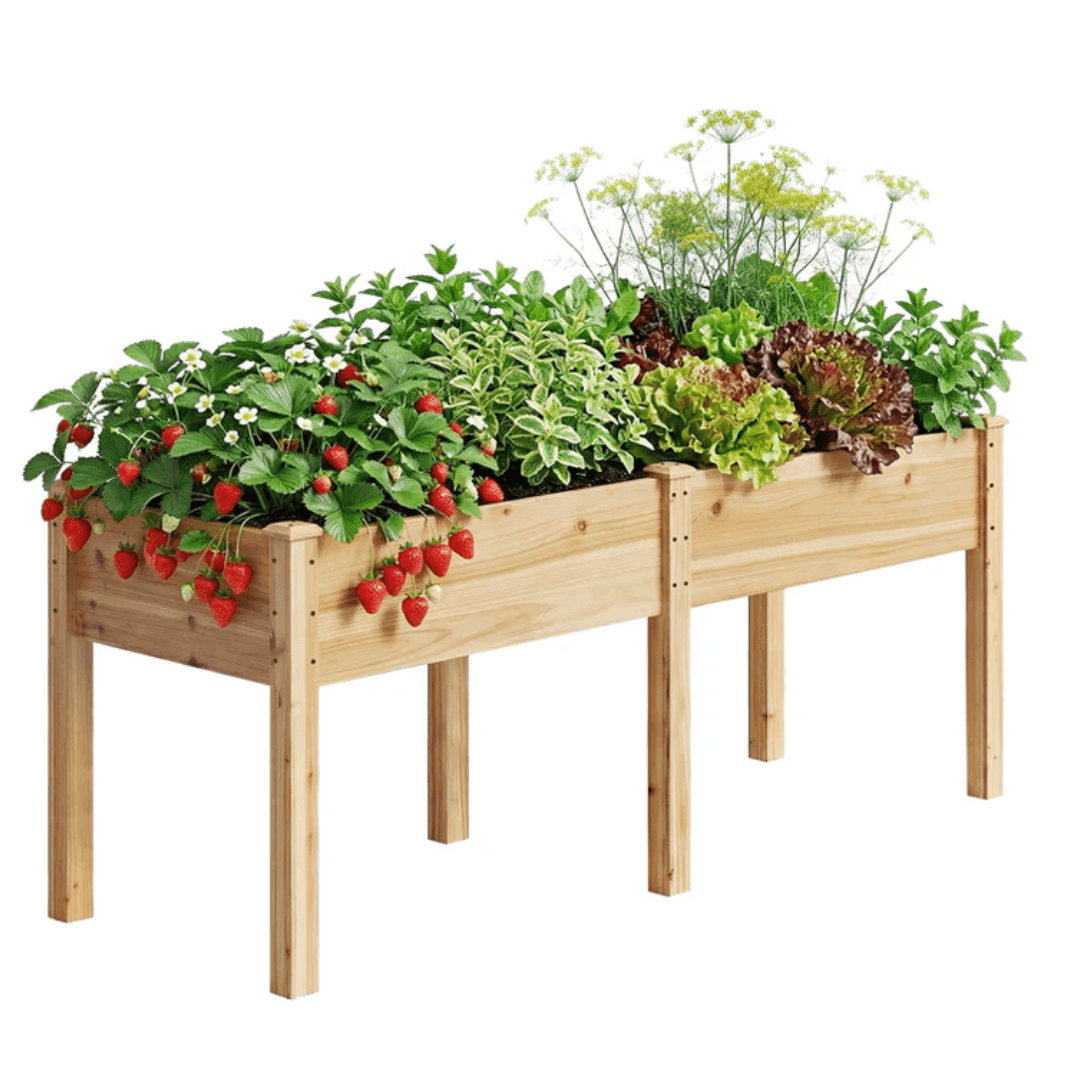 $109.99Buy Now
72" x 26 X 30" Wooden Raised Garden Bed with Legs, Elevated Reinforced Planter Box with Divider Panel & Drainage Holes, Natural Fir Wood Garden Planter for Vegetables, Herbs, Flowers, Patio, Balcony & Backyard
We earn a commission if you make a purchase, at no additional cost to you.
-
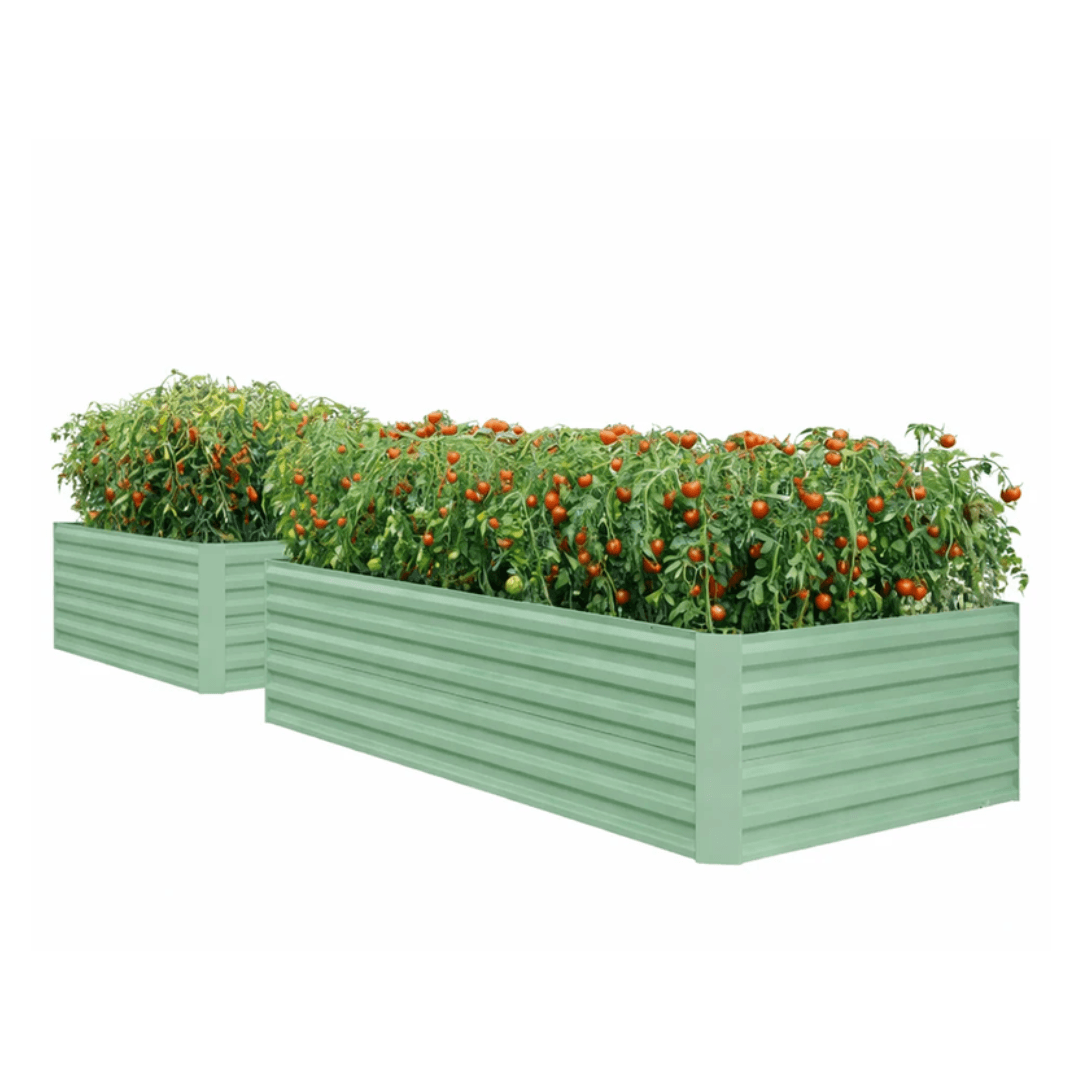 $157.99Buy Now
24-Inch Deep Open-Bottom Planter Boxes for Vegetables, Herbs & Flowers
We earn a commission if you make a purchase, at no additional cost to you.
-
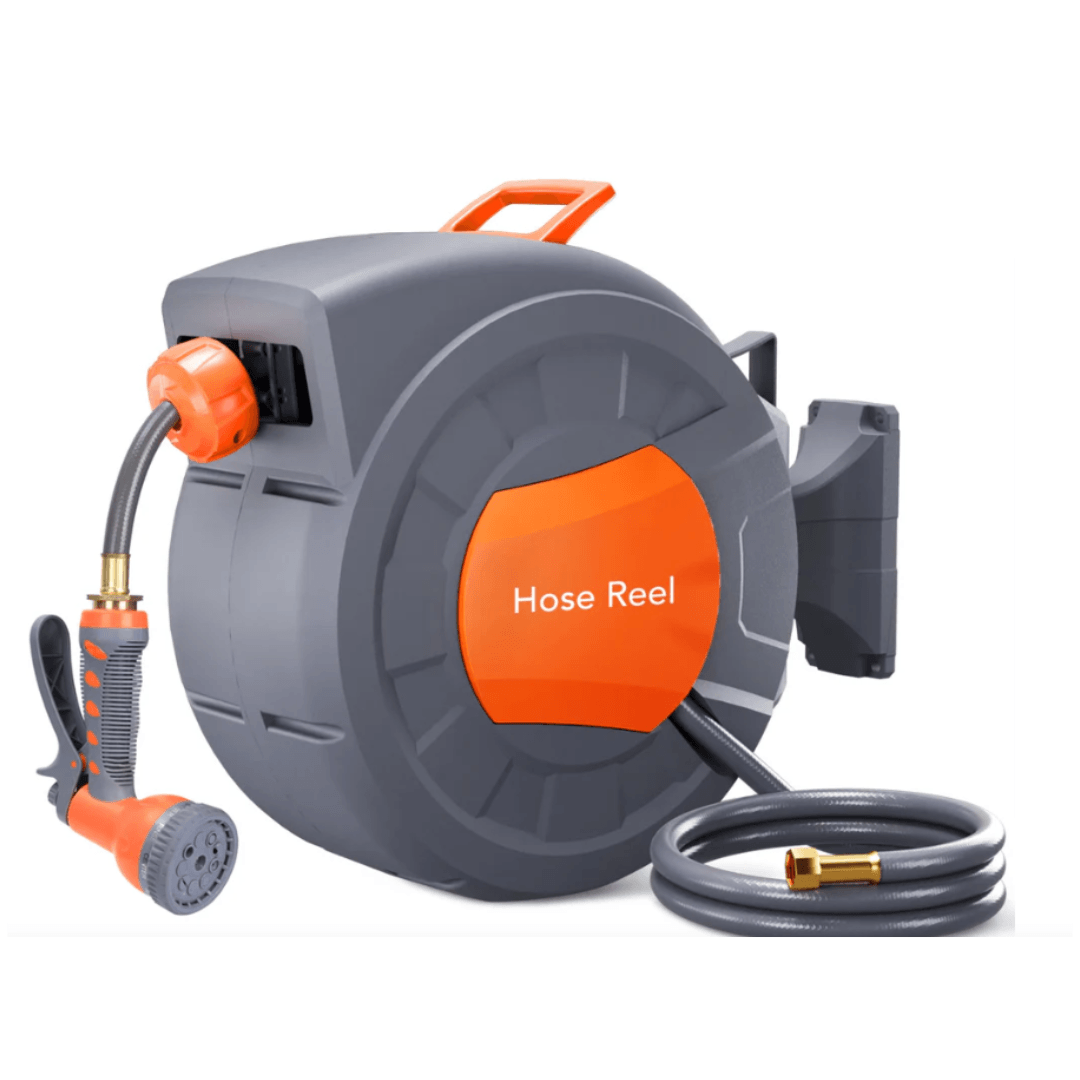 $89.99Buy Now
Garvee 1/2 in × 100 ft Retractable Garden Hose Reel, Wall Mount Auto Rewind, 9-Pattern Nozzle
We earn a commission if you make a purchase, at no additional cost to you.
-
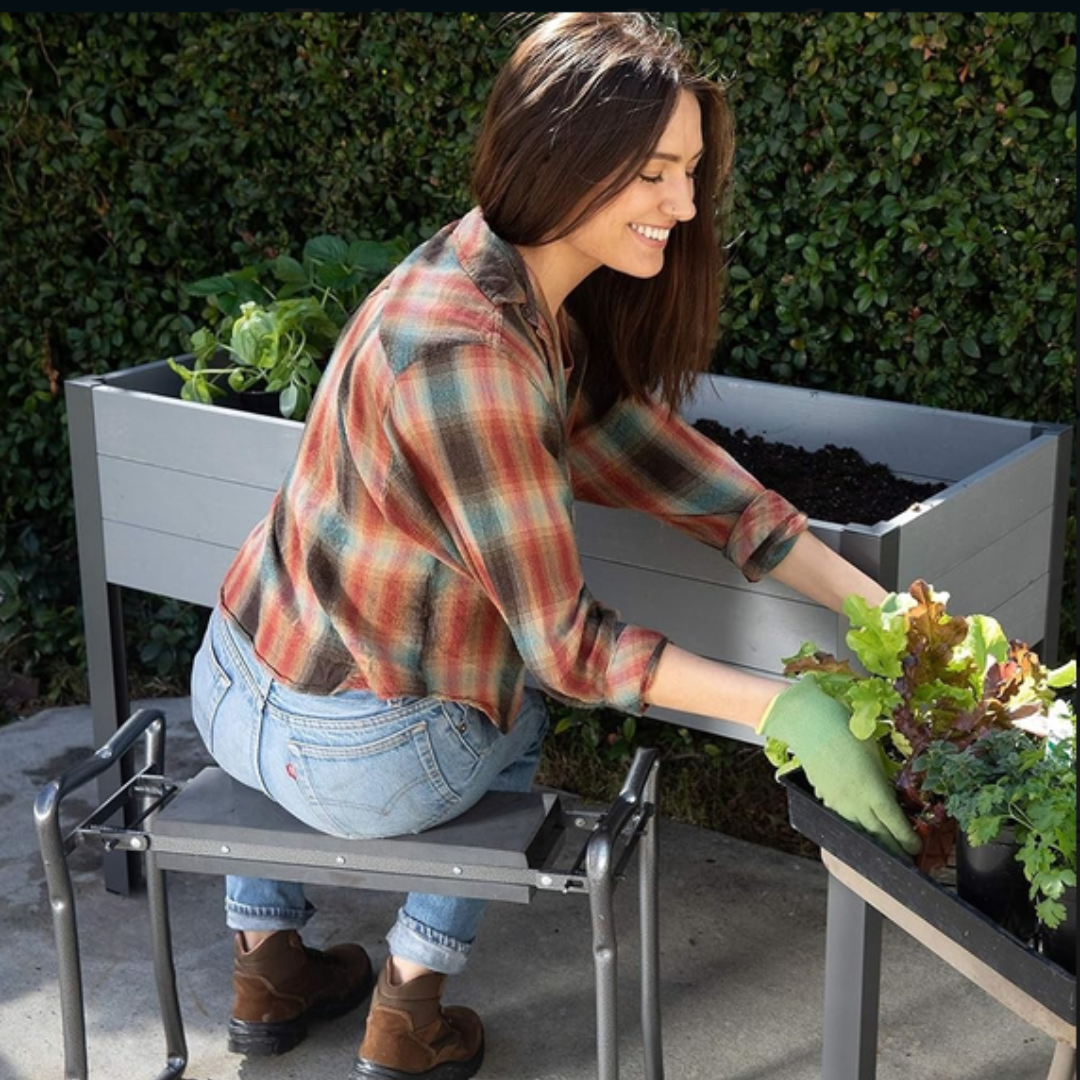 Buy Now
Converts from a comfortable bench for sitting to a cushioned kneeler by simply flipping it over.
We earn a commission if you make a purchase, at no additional cost to you.
-
 $16.99Buy Now
Beach Hiking Summer Wide Brim UPF 50+ Outdoor Protection Foldable Bucket Hat Beige, One Size
I own 2 of these! I even wear it in the pool.
We earn a commission if you make a purchase, at no additional cost to you.
09/27/2026 09:58 pm GMT -
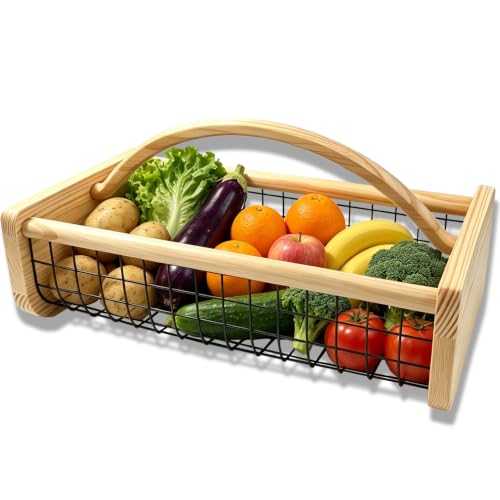 $38.99Buy Now
With Bent Solid Handle and Coated Mesh, Rinse & Deain Fresh Produce Easily for Kitchen and Outdoor Pick...
We earn a commission if you make a purchase, at no additional cost to you.
09/10/2026 12:11 am GMT -
 $6.99Buy Now
Super-sharp. Orange 1-Pack
I own 2 of these, 'cuz I use them everywhere!
We earn a commission if you make a purchase, at no additional cost to you.
09/27/2026 10:00 pm GMT -
 $57.94Buy Now
Heavy-Duty Tree Trimmer for Thick, Dry, Dead Branches, Ratchet Design Compounds Force for Easy Use, Low-Friction Steel Blades
We earn a commission if you make a purchase, at no additional cost to you.
09/27/2026 10:01 pm GMT -
 $28.99Buy Now
I LOVE THIS!: Fiskars 15-Inch Anvil PowerGear Super Pruner glides through branches up to 1.25" thick for easy cuts on dry, dead growth; trim tree branches to maintain your yard and garden and maintain overall plant health and appearance.
This is so light to carry around while you work.
We earn a commission if you make a purchase, at no additional cost to you.
09/27/2026 10:03 pm GMT -
 $14.80Buy Now
I OWN 2 PAIR OF THESE! Hand Protection with Touch Screen for Gardeners, Farmers, Landscapers and Movers
We earn a commission if you make a purchase, at no additional cost to you.
09/27/2026 10:04 pm GMT -
 $109.90Buy Now
400lbs Weight Capacity, Gardening Cart Bench, Ergonomic Backrest & Tool Storage, for Yard, Patio
We earn a commission if you make a purchase, at no additional cost to you.
09/27/2026 10:05 pm GMT -
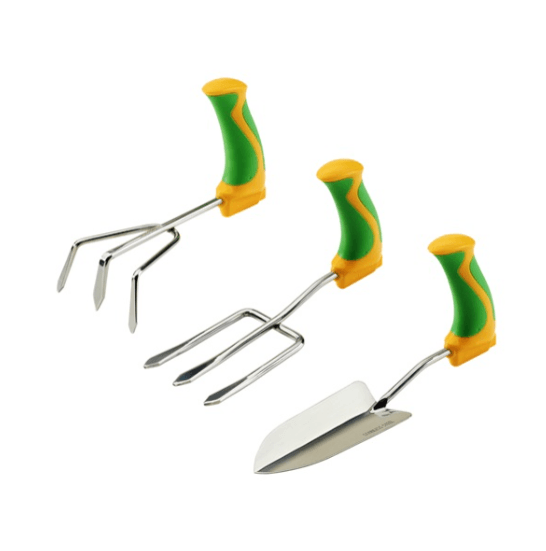 $59.95Buy Now
Upright handle, ergonomic hand tools set
Set of 3 adapted gardening tools with patented handle design.
We earn a commission if you make a purchase, at no additional cost to you.
-
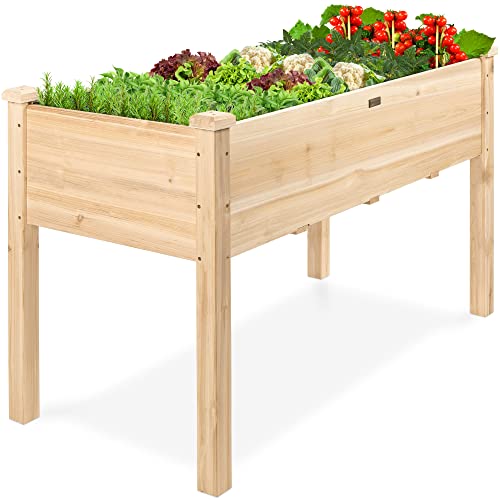 $99.99Buy Now
for Backyard, Patio, Balcony with Bed Liner, 200 Pound Capacity - Natural
We earn a commission if you make a purchase, at no additional cost to you.
09/27/2026 09:52 pm GMT

Why This Matters
Gardening gets harder when we insist on growing plants that fight us every step of the way.
There is no prize for choosing the most difficult vegetable.
As we get older, our garden should start working with us.
That may mean replacing a sprawling vine with a compact variety. It may mean growing lettuce in an elevated planter instead of bending to the ground. It may mean buying a tomato transplant instead of spending weeks starting seeds indoors.
Those are not shortcuts.
They are smart decisions.
The best senior garden is not the garden with the most plants.
It is the garden that gives you fresh food, keeps you active, and still leaves enough energy to enjoy the rest of your day.
Choose crops that reward you.
Keep the garden manageable.
And remember that gardening is supposed to be something you look forward to, not something you dread walking outside to maintain.
FAQs
What is the easiest vegetable for seniors to grow?
There is no single easiest vegetable for everyone, but leaf lettuce is an excellent place to start. It grows quickly, works well in containers and raised beds, and can be harvested a few leaves at a time.
What vegetables require the least maintenance?
Leafy greens, bush beans, green onions, Swiss chard, peppers, and many herbs can require relatively little maintenance when grown in suitable conditions. Climate, pests, watering, and growing setup can change how much work any plant requires.
What vegetables are easiest to grow in raised beds?
Lettuce, Swiss chard, bush beans, green onions, peppers, herbs, radishes, and many compact vegetable varieties work well in raised beds. Raised beds can also reduce bending when built at a comfortable working height.
What are the easiest vegetables to grow in containers?
Leaf lettuce, green onions, herbs, peppers, compact tomatoes, bush beans, radishes, and Swiss chard can all be grown in containers when the container is large enough for the mature plant.
Are tomatoes easy for senior gardeners?
They can be, but variety matters. Large indeterminate tomatoes may require tall supports, tying, pruning, and more reaching. Compact, dwarf, patio, or determinate tomatoes may be easier to manage.
Are zucchini plants easy for seniors to grow?
Zucchini is often easy to grow, but the plant becomes large and the fruit may hide beneath rough foliage. It can also produce very quickly. Give the plant plenty of accessible space and avoid growing more than you can use.
Should seniors grow vegetables from seed or buy plants?
Either is fine. Direct-seeding easy crops such as beans, radishes, and greens is simple. Buying transplants for tomatoes and peppers can reduce the time and work involved in indoor seed starting.
What herbs are easiest for seniors to grow?
Basil, parsley, chives, thyme, oregano, cilantro, and mint are common choices. Keep mint in a container because it can spread aggressively.
How can I make vegetable gardening easier on my body?
Use raised or elevated beds, keep water nearby, grow crops within comfortable reach, choose compact varieties, use lightweight tools, keep paths wide and level, and grow only the amount you can comfortably maintain.
Should I grow vegetables just because they are considered easy?
No. Grow vegetables you actually eat. Garden space and physical energy are valuable, so use them on crops that will be useful to you.
What about You?
Which vegetables have been the easiest for you to grow?
Have you found one crop that produces year after year without demanding much work?
And which supposedly “easy” vegetable has given you nothing but trouble?
Tell us in the comments section below. Your experience may save another senior gardener a lot of work.