
Growing Food in Small Spaces: A Senior-Friendly Guide to Big Harvests

🌱 From My Garden
I know how frustrating it is when gardening leaves you sore for days.
I don’t write these articles because I read about them. I write them because I’ve lived them. Between multiple shoulder surgeries, including two left shoulder replacements, chronic back pain, knee surgery, and surgeries on my right hand for carpal tunnel syndrome and Dupuytren’s contracture, and most recently, breast cancer surgeries, I’ve had to learn how to keep gardening without making my pain worse.
The tips I share come from real experience, along with research and current gardening best practices. My goal is simple: help you keep gardening safely, comfortably, and for many years to come.
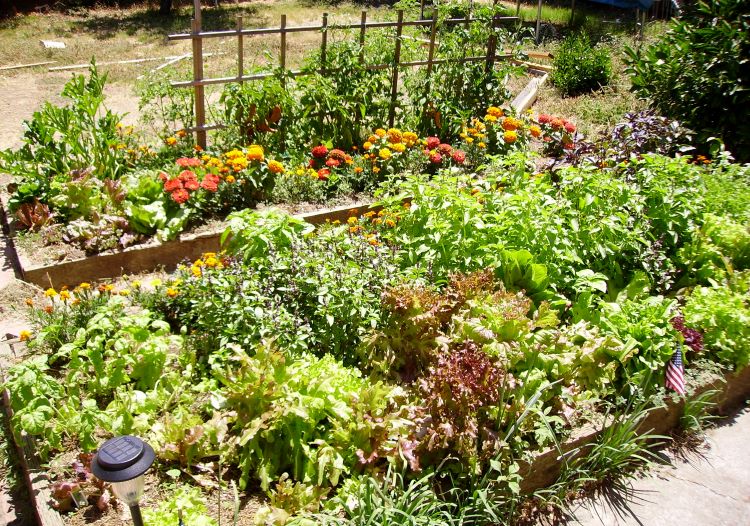
You do not need acres of land to grow a useful amount of food. You do not even need a traditional vegetable garden.
A sunny patio, deck, balcony, courtyard, side yard, or small patch of backyard can become a surprisingly productive food garden when you use the space wisely. For seniors, that can actually be an advantage because a smaller garden often means less walking, less weeding, less digging, and fewer plants demanding your attention.
The goal is not to cram the greatest possible number of plants into every square foot. The goal is to make every square foot work harder without making you work harder.
A garden that produces 15 different vegetables but leaves you exhausted is not necessarily better than a small garden that reliably gives you tomatoes, peppers, greens, herbs, beans, and other foods you actually eat.
Small-space gardening is about choosing wisely. Choose the right location, select productive plants, grow upward when it makes sense, use containers and raised beds strategically, and plant another crop when one finishes.
Most importantly, design the garden around what you can comfortably maintain. Whether you have a small suburban yard or nothing more than a sunny patio, you can grow fresh food without turning gardening into another exhausting chore.
Small Space Doesn’t Have to Mean Small Harvest
A productive garden is not measured by acreage. Good planning, compact crops, vertical supports, containers, and repeated plantings can help you harvest a surprising amount of food from a relatively small area.
The best small garden is one you can comfortably plant, water, maintain, and harvest.
TL;DR for Seniors
You do not need a large vegetable garden to grow meaningful amounts of food. A well-planned patio, balcony, small yard, or collection of raised beds and containers can provide vegetables, herbs, and even some fruits throughout the growing season.
🌿 Key Points:
✅ Start with the sunniest convenient location you can comfortably reach.
✅ Grow foods you actually eat instead of trying to grow everything.
✅ Use vertical space for beans, cucumbers, peas, and other climbing crops.
✅ Choose bush, dwarf, patio, and compact varieties when space is limited.
✅ Use containers large enough for mature plants because tiny pots often need more watering.
✅ Put frequently harvested crops such as herbs and salad greens close to the house.
✅ Use succession planting to grow more than one crop in the same space during the season.
✅ Keep paths wide, level, and easy to navigate.
✅ Keep water nearby so gardening does not become a hose-dragging workout.
✅ Start smaller than you think you need. You can always expand later.
🌻 Takeaway: A small garden can provide a substantial amount of fresh food when every part of the space has a purpose. Grow smarter rather than simply growing bigger.
Growing Food in Small Spaces Starts with a Different Mindset
When people picture a vegetable garden, they often imagine long rows stretching across a large backyard. That is only one way to grow food.
A small-space garden works differently. Instead of spreading plants across a large area, you make better use of the space you already have.
That could mean:
- putting a trellis behind a raised bed,
- growing lettuce beneath taller plants,
- keeping herbs near the kitchen door,
- or replacing sprawling vegetable varieties with compact ones.
You can also reuse the same growing area more than once.
For example, cool-weather lettuce or radishes might occupy a container early in the season. When those crops finish, you can replace them with a warm-season crop, and another cool-weather crop may take their place later.
This is called succession planting. It allows the same few square feet to produce food more than once during the growing season. This is how I have gardened for the last 15-20 years.
This year, tree limbs, that are too tall to reach, have grown over two of my other beds blocking a lot of sun. They worked really well for sweet potatoes. So I added 2 more round raised beds farther away in the sun inside a small fenced area. I also have the soft material-type 30lb garden bags I used for carrots.
I also tried the tower planting for potatoes that used plastic milk-jug type containers, stacked 4 tall. Each container had hay/straw beds with soil bottoms and a seed potato in each corner. Wow! This worked great. Talk about multiply from one potato seed!
The exact crops and timing depend on where you live. Gardeners in northern climates may have a shorter outdoor growing season but long summer days, while gardeners in hot climates may grow during spring, fall, and sometimes winter while taking a break during extreme summer heat.
Where August may be a perfect time to work in your garden, if you live in the north. In Florida, August is sometimes even too hot to swim if you have an above-ground pool like me. It gets like bathtub water and the pool is what lets me garden. Hence, I don’t do much in August and into September, except mow.
That is why we do not recommend one planting calendar for everyone. Your local climate, frost dates, heat, rainfall, and growing season should determine when you plant, but the small-space principles in this guide work almost anywhere.
1. Start with Sunlight, Not with Plants
Before buying containers, building beds, or ordering seeds, spend a few days watching the sun. This simple step can prevent a lot of disappointment.
Tomatoes, peppers, eggplants, cucumbers, and squash generally perform best with plenty of direct sunlight. Leafy greens and some herbs can tolerate less, so your sunniest location might not be where you originally planned to garden.
It could be beside the driveway, along a fence, on a deck or patio, or even in the front yard. Do not automatically hide your food garden in the farthest corner of the property unless it’s for survival security.
For a senior gardener, convenience matters almost as much as sunshine.
If reaching the garden requires walking down a slope, crossing uneven ground, carrying tools a long distance, or dragging 100 feet of hose, you may eventually avoid going out there.
A slightly smaller garden close to the house may be far more useful than a larger garden that is difficult to reach.
Try the Morning Coffee/Tea Test
Here is an easy way to evaluate a possible garden location.
Ask yourself:
Could I comfortably walk out here with my morning coffee/tea (I drink tea), check my plants, pick a tomato or some basil, and walk back inside without it becoming a project?
If the answer is yes, you are probably looking at a senior-friendly location. If getting there already feels like work, think twice.
Convenience encourages consistency, and consistent attention often matters more than garden size.
2. Decide What Is Worth Your Space
Space is valuable in a small garden, so do not give it to vegetables you do not particularly enjoy eating.
Before planting, make a simple list of the vegetables and herbs you buy most often. Then ask yourself which of those you would actually enjoy growing.
Your list might include tomatoes, lettuce, peppers, green beans, cucumbers, kale, Swiss chard, radishes, green onions, basil, parsley, cilantro, rosemary, or strawberries.
Your list will be different from someone else’s, and that is exactly how it should be.
For a preparedness garden, you may also want to consider calories, nutrition, storage potential, and how reliably a crop grows in your climate. But do not let preparedness turn your small garden into a collection of plants you will not eat.
A vegetable you enjoy and know how to cook is usually more valuable than a theoretically perfect survival crop that sits untouched after harvest.
3. Think Up before You Think Out
One of the easiest ways to increase production in a small garden is to stop thinking only about the ground. You have vertical space too.
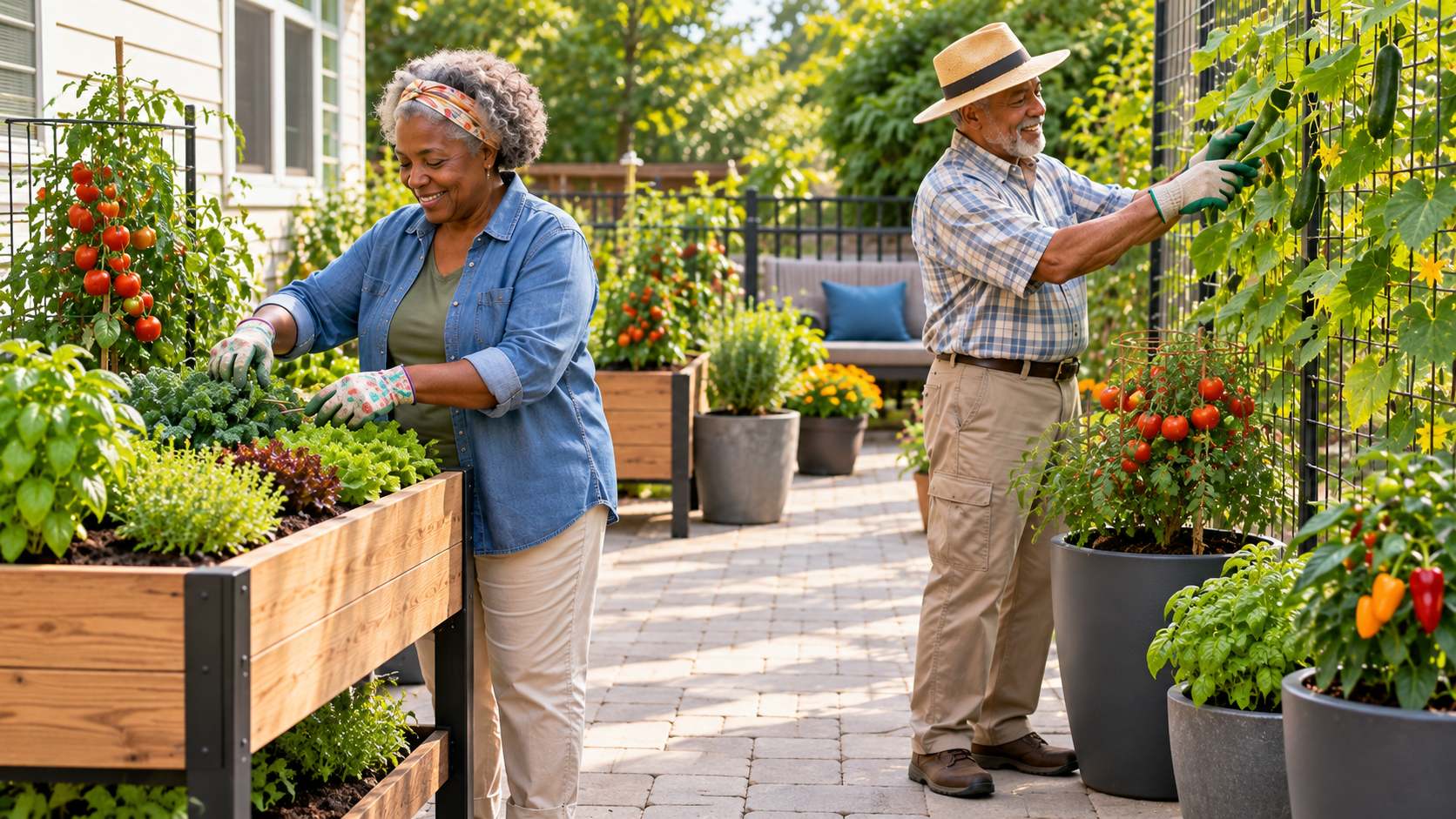
A trellis can turn a narrow strip of soil or one large container into growing space for climbing plants such as pole beans, peas, cucumbers, some squash, and indeterminate tomatoes.
I had tomatoes this year that grew upward much faster than I expected. Maybe because we finally got rain. But, when we did, it hasn’t quit. We’ve had rain every day. But wouldn’t you know… we’re still not filling our ground water enough to be really out of a drought.
I had to make my own teepee-type trellis from bamboo that I have growing abundantly. I started with just a bamboo pole in next to a plant, and used twist-ties to wrap. As they got taller, I added more poles to make a teepee design and tied it all together. Cool beans, huh?
Growing vertically can also make harvesting easier because more of the plant is closer to eye and hand level. That can mean less bending and less searching beneath foliage.
There is another benefit. Plants growing upward leave ground-level space available for other crops.
For example, leafy greens or herbs may fit near the base of a trellised crop when their light and growing requirements are compatible.
But do not turn vertical gardening into a jungle. Too many plants packed against one another compete for light, water, nutrients, and airflow.
The goal is efficient use of space, not overcrowding.
Also think about height before installing a trellis. A seven-foot trellis is not particularly senior-friendly if you need a ladder to harvest from it.
Keep the highest harvest point within a comfortable reach whenever possible.
4. Use Containers Strategically
Containers are one of the most flexible tools available to a small-space gardener. You can place them on patios, balconies, decks, paved areas, along walkways, and beside raised beds.
They can also bring plants closer to the house, which can make watering, harvesting, and checking plants easier.
But there is one mistake I want seniors in particular to avoid: do not assume smaller containers are easier.
A tiny pot may be light when empty, but it holds very little soil. That means it can heat up quickly and dry out quickly, which may leave you watering constantly, while driving you crazy.
A somewhat larger container usually holds moisture longer and provides more room for roots. Of course, once a large container is filled with moist potting mix, it can become extremely heavy.
I’m bad about thinking I’m strong enough or young enough to move these large, heavy pots. I’m in bed the day afterwards.
Decide where the container belongs before you fill it. If you expect to move it, consider placing it on a sturdy wheeled plant caddy first, if your ground allows it. Sadly, mine doesn’t.
Never assume you will simply pick up a large planted container later.
Match the Container to the Crop
Different plants need different amounts of root space. Leaf lettuce, radishes, herbs, and some compact vegetables can grow in relatively modest containers, while large tomato plants, cucumbers, squash, eggplant, and other substantial crops need more room.
Look for varieties described as bush, dwarf, compact, patio, container, or determinate.
These are not automatically better vegetables. They simply have a growth habit that may fit a small garden more easily.
Always make sure containers have adequate drainage. Waterlogged roots can be just as damaging as roots allowed to dry out.
5. Bring the Garden Up to You
Small-space gardening does not have to mean rows of pots sitting on the ground. For many seniors, that is exactly where we do not want everything.
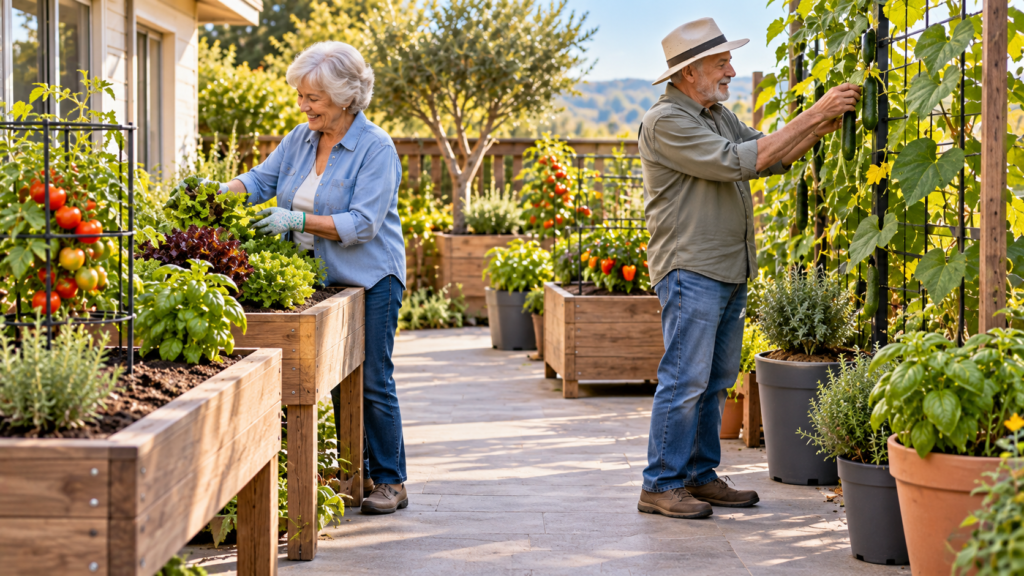
Repeatedly bending to ground level can make a small garden physically harder than a larger raised garden. Consider bringing at least some growing areas higher.
Options include:
- elevated planters,
- tall raised beds,
- salad tables,
- railing planters,
- window boxes,
- containers on sturdy stands,
- and wall-mounted planters at comfortable heights.
Leaf lettuce, spinach, herbs, radishes, green onions, and other relatively shallow-rooted crops can be especially useful in elevated growing areas.
A comfortable working height can allow you to seed, weed, inspect, and harvest without repeatedly bending to the ground.
If you use a walker or wheelchair, also think about reach distance. A beautiful four-foot-wide raised bed is not helpful if you cannot comfortably reach its center.
Narrower beds accessible from one side, or beds that can be approached from multiple sides, may work better.
Design the garden around your body. Do not force your body to adapt to the garden.
6. Put the Foods You Harvest Most Often Closest to the House
Not every plant deserves the same location. A rosemary plant you clip occasionally does not need the same convenient location as lettuce or basil you may harvest several times a week.
Think of your garden in zones. The plants you visit most often should be easiest to reach.
Near a kitchen door or patio, you might grow basil, parsley, cilantro, green onions, lettuce, cherry tomatoes, peppers, or strawberries.
Foods harvested less frequently can go slightly farther away. This simple arrangement reduces unnecessary walking and makes it easier to step outside while preparing dinner and grab what you need.
That is one of the pleasures of growing food at home. You are not just producing vegetables. You are creating a living pantry a few steps from the kitchen.
7. Use Succession Planting to Make One Space Produce More Than Once
This is where a small garden can become surprisingly productive.
A garden bed does not have to produce only one crop each year, and neither does a container. When one crop finishes, another can take its place.
That is succession planting.
Depending on your climate and growing season, you might grow a quick cool-season crop, harvest it, and replace it with something suited to warmer weather. Later, when temperatures cool again, another crop may follow.
You can also make smaller repeat plantings. Instead of planting an entire packet of radishes or lettuce at once, plant a smaller amount, then plant another small batch a couple of weeks later.
Now everything does not mature at the same time. You get a more manageable harvest spread over time.
That can be especially useful for a one- or two-person household. There is little benefit in producing 30 heads of lettuce at once if you can only eat a few before they decline.
Succession planting helps a small garden produce steadily rather than overwhelmingly.
Your exact planting dates should be based on your own growing region. Check your local Cooperative Extension, Farmer’s Almanac or another reliable regional gardening source for planting dates appropriate to your climate.
8. Don’t Confuse Intensive Gardening with Overcrowding
You have probably seen pictures of tiny gardens overflowing with vegetables. They look impressive, and sometimes they are wonderful. (Like some of these images my AI helps me make.)
Sometimes they are also an impending maintenance problem.
There is a limit to how much you can squeeze into a small space. Plants still need sunlight, root space, water, nutrients, and air circulation.
If you pack plants too tightly, they compete for those resources. Dense foliage can also make it harder to see pests and disease problems.
For a senior-friendly garden, there is another issue. You need to be able to reach the food.
If harvesting one tomato requires pushing through cucumber vines, stepping around three containers, ducking beneath a trellis, and stretching across a raised bed, the garden is not really working for you.
Leave yourself room.
A little empty space is not wasted space. Sometimes it is what makes the rest of the garden usable.
9. Interplant without Creating a Jungle
Interplanting simply means growing different crops together so they can share the available space. Done well, it can help a small garden produce more food.
Done poorly, it creates a tangled mess.
The easiest approach is to combine plants that use space differently. You might grow an upright crop with a lower-growing crop nearby, or place a fast-maturing vegetable beside one that needs much longer to reach full size.
For example, you could grow leafy greens near taller plants when their light requirements work together. Radishes may mature and leave the garden before a slower crop needs all the surrounding space.
Herbs can also fit into little openings where a full-size vegetable plant would be too large.
But do not fill every opening simply because you can. Remember our goal: grow more food without creating more work.
If plants become so crowded that you cannot see the soil, reach the produce, inspect leaves, or move comfortably around the garden, you have gone too far.
Think of open space as part of the garden design. It gives plants breathing room and gives you working room.
10. Choose Crops That Earn Their Space
When growing space is limited, every plant has a job.
Some crops can produce for weeks or months, while others occupy a large amount of room for one harvest. That does not mean you should never grow the second type. If you love a particular vegetable, grow it.
Just understand the tradeoff.
For a small garden, I especially like plants that let you harvest repeatedly. Depending on your climate, those might include leafy greens, Swiss chard, kale, green onions, beans, cherry tomatoes, peppers, cucumbers, basil, parsley, and other frequently used herbs.
Many leafy vegetables can be harvested a little at a time instead of pulling the entire plant.
Herbs are another excellent use of small spaces. A container of basil or parsley will not feed you during a major emergency, but it can provide repeated harvests from a very small footprint.
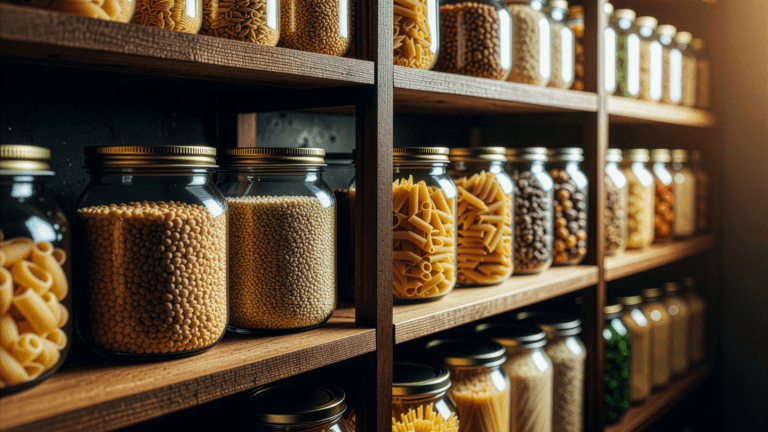
Herbs can also make stored foods such as rice, beans, pasta, canned vegetables, and soups much more interesting. That is worth remembering from a preparedness standpoint.
Look for Compact Varieties
Plant breeders have given small-space gardeners many more options than we once had.
When choosing seeds or transplants, look for words such as compact, dwarf, patio, bush, determinate, miniature, or container variety.
A compact plant is not necessarily a low-producing plant. Some varieties have simply been bred to grow in a smaller form.
Read the mature plant dimensions before buying. The cute six-inch tomato transplant at the garden center may have very different plans for its future.
11. Make Watering Easy before You Plant
Water is one of the biggest hidden jobs in gardening. It becomes even more important with containers because container-grown plants may dry out faster than plants growing in the ground.
Do not wait until the hottest part of summer to figure out how you are going to water everything.
Plan your water system before planting. Ask yourself where the nearest water source is, how far you will have to pull a hose, whether the hose crosses a walkway, and whether you will need to lift heavy watering cans.
Also make sure you can reach every container and bed without stretching or bending awkwardly.
These questions sound mundane, but they matter.
A garden that takes 10 comfortable minutes to water is very different from one that requires wrestling with a heavy hose for half an hour.
Keep the Hose Light
If possible, use a lightweight hose that is easy to maneuver. Position it so you do not have to drag the entire length across the yard every time you water.
A hose reel or holder near the garden can help keep it contained and reduce a tripping hazard.
Drip irrigation or soaker hoses can also reduce the amount of hand watering required. For container gardens, simple drip systems can be particularly useful if you have many pots concentrated in one area.
Whatever system you choose, keep it simple enough that you will actually use it. Complicated irrigation equipment that you dread maintaining defeats the purpose.
Mulch Can Reduce the Work
A layer of appropriate mulch around plants can help conserve soil moisture and reduce weeds. That means less watering and less bending to pull weeds.
Containers can benefit from moisture conservation too, although you still need to check them regularly.
Do not rely on appearances alone. The top of the soil may look dry while moisture remains below the surface, or it may look damp after a brief shower even though the root zone is still dry.
Check the soil.
Your finger is still one of the simplest gardening tools you own.
12. Make the Small Garden Low-Maintenance from the Beginning
A small garden can still become a high-maintenance garden. The number of square feet is not the only thing that determines how much work you will have.
Design matters.
A dozen containers scattered across a property may take more effort than a compact group of containers beside the patio. Five tiny pots may require more watering attention than one appropriately sized planter.
A garden surrounded by weeds creates work outside the garden as well as inside it.
Cluster related tasks whenever possible. Keep containers together, keep tools nearby, keep water nearby, and put frequently harvested plants closest to your normal walking route.
Use mulch and supports that do not require constant adjustment. Choose disease-resistant varieties when appropriate.
I have mulch everywhere in my garden – in the planters and on the ground attempting to curb the Florida growth. I have a ton of wild onions that pop up in the Spring. I put black plastic hardware cloth down to repel many of the onions and weeds, I added mulch over the plastic so it’s not so hot.
Most importantly, do not plant more than you can comfortably maintain.
13. Your Patio Can Become a Food Garden
A patio is often one of the best gardening spaces for a senior.
It is usually close to the house, the surface is generally level, water may be nearby, and you do not need to walk through wet grass or muddy soil.
You can often arrange plants around a chair or other comfortable resting area too.
A sunny patio might accommodate one or two large tomato containers, several pepper plants, a trellis with cucumbers, a planter of lettuce, a strawberry planter, pots of herbs, green onions, radishes, or compact bush beans.
You do not need all of them. Even three or four productive containers can make a difference.
If the patio becomes crowded enough that you have to squeeze between pots, however, you have lost one of its biggest advantages.
Maintain clear walking paths. If you use a cane, walker, wheelchair, or rolling garden seat, leave even more room.
Keep pots away from doorways and other places where they could become tripping hazards.
Don’t Forget the Weight
Large containers become extremely heavy after they are filled with soil and watered.
This is particularly important on balconies, decks, porches, and other elevated structures. Do not assume a structure can safely support an unlimited collection of large, wet containers.
If you are unsure about the load capacity of a balcony, deck, railing, or other structure, get appropriate professional guidance before loading it with heavy planters.
Safety comes before squeezing in another tomato plant.
14. A Balcony Garden Can Produce Real Food, Too
If a balcony is your primary outdoor space, do not dismiss it.
Start by determining how much direct sunlight it receives. Then check the rules for your building, condominium, homeowners association, or rental property if any apply.
Pay attention to wind as well. An elevated balcony can expose plants to stronger winds than they would experience at ground level, so tall plants and lightweight containers may need extra protection or support.
Avoid placing heavy containers where they create an obstruction or safety problem.
Also be considerate about drainage. Your freshly watered tomatoes should not create a rainstorm for the neighbor downstairs.
Once those practical issues are handled, a balcony can support a very enjoyable edible garden.
Compact tomatoes, peppers, greens, herbs, strawberries, radishes, green onions, and other container-friendly crops can all be possibilities when growing conditions are suitable.
A narrow trellis may add growing space without taking over the floor.
Again, resist the temptation to fill every inch. You need room out there too.
15. Use Railings, Walls, and Fences Carefully
Vertical surfaces can add growing space, but not every vertical surface should automatically hold plants.
- A wall-mounted planter filled with wet soil can be heavy.
- A railing planter needs to be securely installed,
- and a trellis needs to withstand wind and the weight of mature plants.
If you are using an existing fence, make sure it is sturdy enough for what you are asking it to support.
Think ahead. A tiny cucumber seedling weighs almost nothing. A mature vine covered in foliage and cucumbers after a rain is another matter.
For seniors, stability is especially important.
We do not want a planter, trellis, or hanging basket becoming something you have to struggle with later.
And do not put hanging baskets so high that watering or harvesting requires standing on a stool.
If you cannot safely reach it from the ground, it is too high.
16. Put Your Small Garden on a Diet
Not the vegetables.
The workload.
Every gardening task costs something. It costs time, energy, strength, balance, grip, or mobility.
That makes your physical energy another limited garden resource.
Spend it wisely.
Ask yourself whether a task actually improves your harvest or enjoyment. If not, perhaps you do not need to do it.
A small food garden does not have to look like a magazine photograph. A few weeds are not a disaster, every container does not have to match, and your tomato vines do not need to look perfect.
The objective is fresh food and an enjoyable garden.
Perfection creates work.
Food is the goal.
17. Build a Small Preparedness Garden
For Golden Survivalist readers, there is another reason small-space gardening matters.
Growing even part of your food teaches useful skills. You learn:
- what your climate will support,
- how much water plants actually require,
- which pests appear in your area,
- which vegetables grow reliably for you,
- and how much food a plant really produces.
You also learn something books cannot teach very well: how much work you personally can comfortably manage.
That is valuable preparedness knowledge.
A patio garden will not make most households food self-sufficient, and we should not pretend that it will.
But self-sufficiency does not have to be an all-or-nothing proposition.
A small garden can supplement stored foods and groceries with fresh greens, herbs, tomatoes, peppers, beans, and other produce.
More importantly, you are practicing food-production skills before you desperately need them.
Think in Layers of Preparedness
Your food plan might include stored shelf-stable foods, foods in your freezer, regular grocery purchases, a small garden, herbs, and perhaps fruit trees, berries, or other perennial foods if you have suitable space.
Each layer provides something different.
The garden does not have to do everything. It simply adds another layer.
That is a much more realistic preparedness strategy than expecting a few tomato plants to feed a household during a long emergency.
18. Start Smaller Than You Think You Need
This may be the most important advice in this article.
Do not build your dream garden in one weekend.
Start smaller and live with it for a while.
- See how often it needs watering,
- how much bending is involved,
- whether your containers are in the right locations,
- and which vegetables you actually enjoy growing.
Then expand.
One raised bed that you love is better than four beds you resent.
Six productive containers are better than 30 neglected ones.
A small garden can grow along with your skills and confidence, and it can also shrink when life changes.
That is one of its greatest strengths.
Gardening does not have to be all or nothing. You can adapt it.
And that is exactly what Smart Gardening for Seniors is about.
🌿 Trusted Gardening Resources
Enjoying your garden is easier when you have the right tools. These trusted gardening products can help reduce strain on your shoulders, protect your joints, and make everyday gardening tasks safer and more comfortable.
Whether you’re dealing with arthritis, recovering from surgery, or simply looking for easier ways to garden, these are products worth considering.
My Favorite Tools for Easier, Safer Gardening
The right tools can make gardening much easier on aging hands, shoulders, backs, hips, and knees. I’ve gathered some of my favorite senior-friendly gardening tools, raised planters, and accessories below. I own and use several of these myself because they help reduce bending, lifting, gripping, and reaching.
-
 $14.43Buy Now
With Ultra Sharp Japanese Steel Titanium Blade, Arthritis Friendly
We earn a commission if you make a purchase, at no additional cost to you.
09/27/2026 09:39 pm GMT -
 Buy Now
LifeFone Medical Alert System
Be prepared for any injury, disaster, health problem.
We earn a commission if you make a purchase, at no additional cost to you.
-
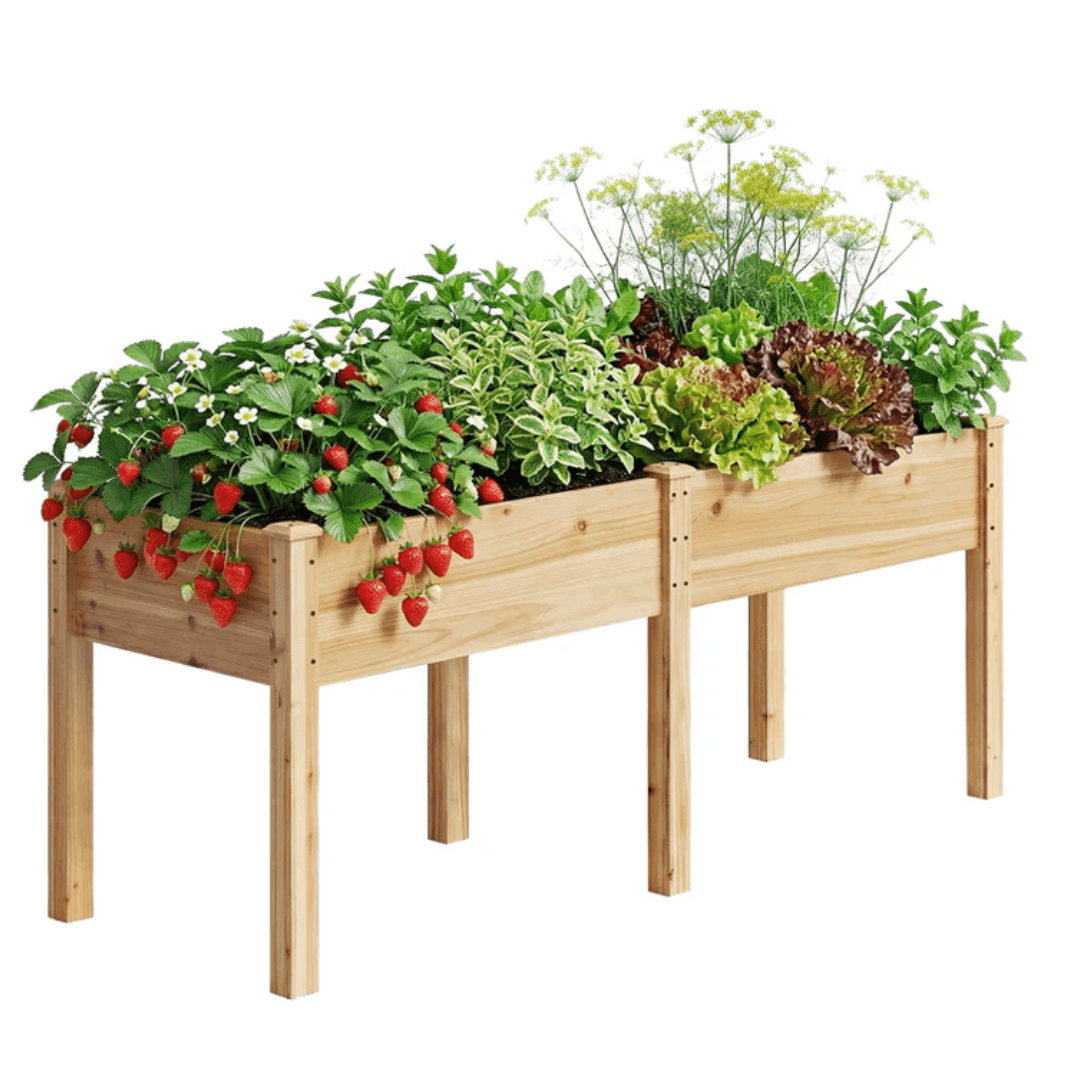 $109.99Buy Now
72" x 26 X 30" Wooden Raised Garden Bed with Legs, Elevated Reinforced Planter Box with Divider Panel & Drainage Holes, Natural Fir Wood Garden Planter for Vegetables, Herbs, Flowers, Patio, Balcony & Backyard
We earn a commission if you make a purchase, at no additional cost to you.
-
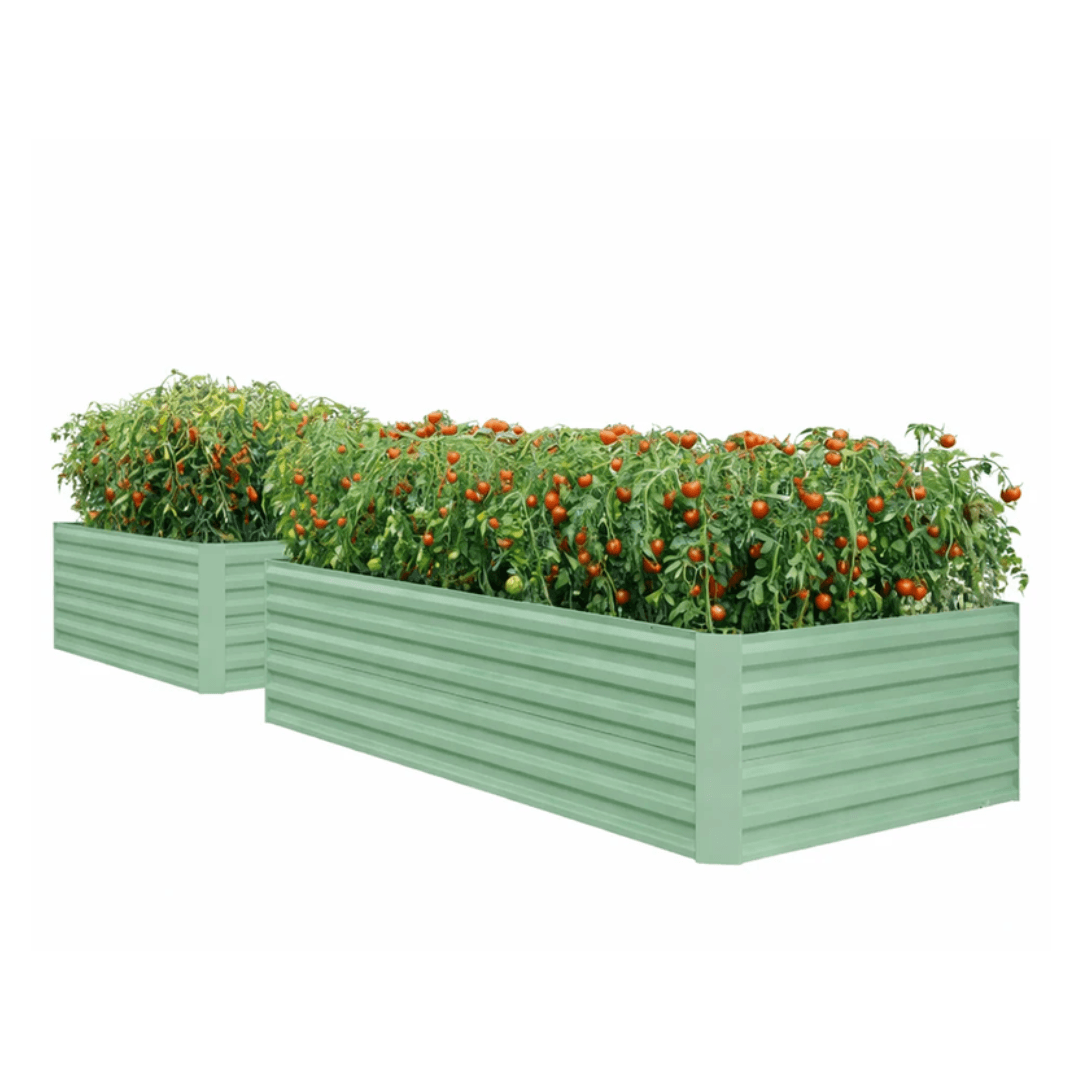 $157.99Buy Now
24-Inch Deep Open-Bottom Planter Boxes for Vegetables, Herbs & Flowers
We earn a commission if you make a purchase, at no additional cost to you.
-
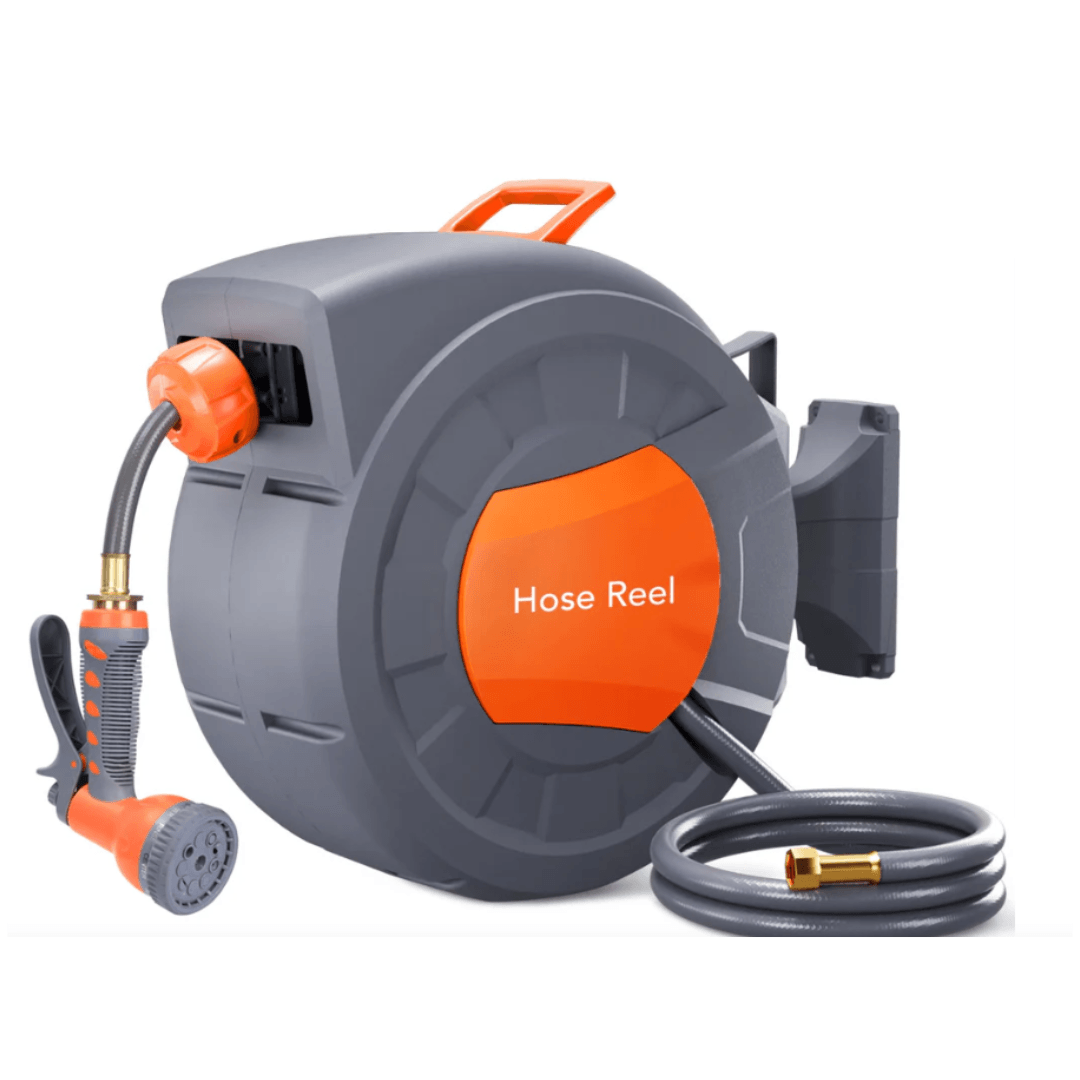 $89.99Buy Now
Garvee 1/2 in × 100 ft Retractable Garden Hose Reel, Wall Mount Auto Rewind, 9-Pattern Nozzle
We earn a commission if you make a purchase, at no additional cost to you.
-
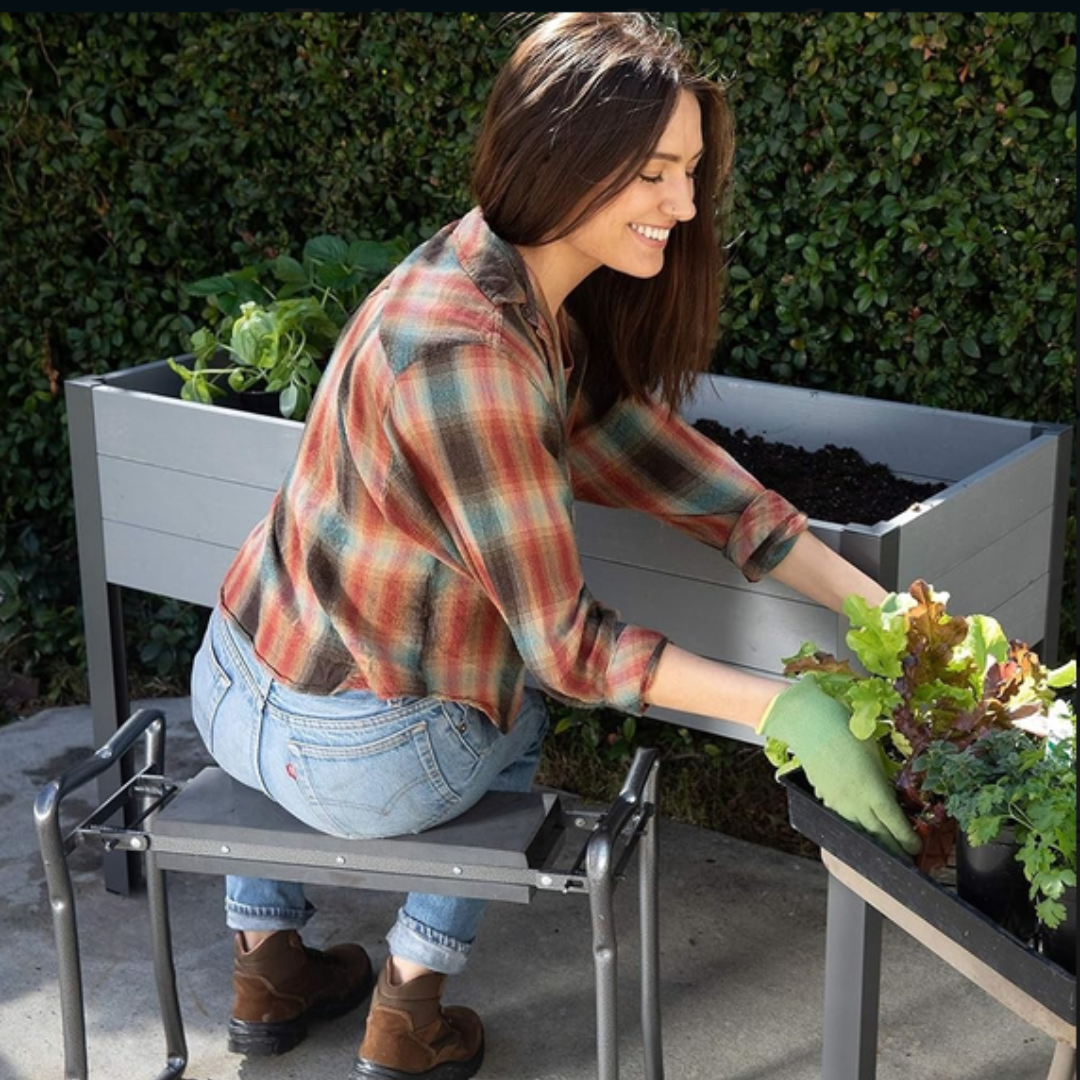 Buy Now
Converts from a comfortable bench for sitting to a cushioned kneeler by simply flipping it over.
We earn a commission if you make a purchase, at no additional cost to you.
-
 $16.99Buy Now
Beach Hiking Summer Wide Brim UPF 50+ Outdoor Protection Foldable Bucket Hat Beige, One Size
I own 2 of these! I even wear it in the pool.
We earn a commission if you make a purchase, at no additional cost to you.
09/27/2026 09:58 pm GMT -
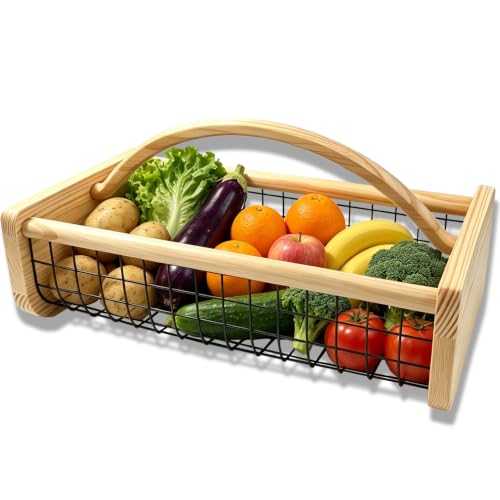 $38.99Buy Now
With Bent Solid Handle and Coated Mesh, Rinse & Deain Fresh Produce Easily for Kitchen and Outdoor Pick...
We earn a commission if you make a purchase, at no additional cost to you.
09/10/2026 12:11 am GMT -
 $6.99Buy Now
Super-sharp. Orange 1-Pack
I own 2 of these, 'cuz I use them everywhere!
We earn a commission if you make a purchase, at no additional cost to you.
09/27/2026 10:00 pm GMT -
 $57.94Buy Now
Heavy-Duty Tree Trimmer for Thick, Dry, Dead Branches, Ratchet Design Compounds Force for Easy Use, Low-Friction Steel Blades
We earn a commission if you make a purchase, at no additional cost to you.
09/27/2026 10:01 pm GMT -
 $28.99Buy Now
I LOVE THIS!: Fiskars 15-Inch Anvil PowerGear Super Pruner glides through branches up to 1.25" thick for easy cuts on dry, dead growth; trim tree branches to maintain your yard and garden and maintain overall plant health and appearance.
This is so light to carry around while you work.
We earn a commission if you make a purchase, at no additional cost to you.
09/27/2026 10:03 pm GMT -
 $14.80Buy Now
I OWN 2 PAIR OF THESE! Hand Protection with Touch Screen for Gardeners, Farmers, Landscapers and Movers
We earn a commission if you make a purchase, at no additional cost to you.
09/27/2026 10:04 pm GMT -
 $109.90Buy Now
400lbs Weight Capacity, Gardening Cart Bench, Ergonomic Backrest & Tool Storage, for Yard, Patio
We earn a commission if you make a purchase, at no additional cost to you.
09/27/2026 10:05 pm GMT -
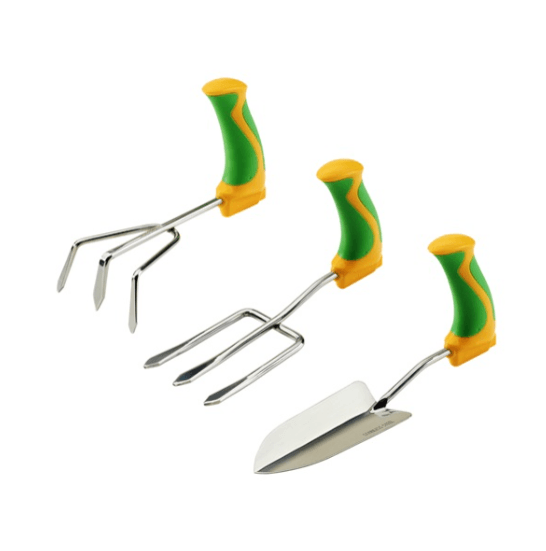 $59.95Buy Now
Upright handle, ergonomic hand tools set
Set of 3 adapted gardening tools with patented handle design.
We earn a commission if you make a purchase, at no additional cost to you.
-
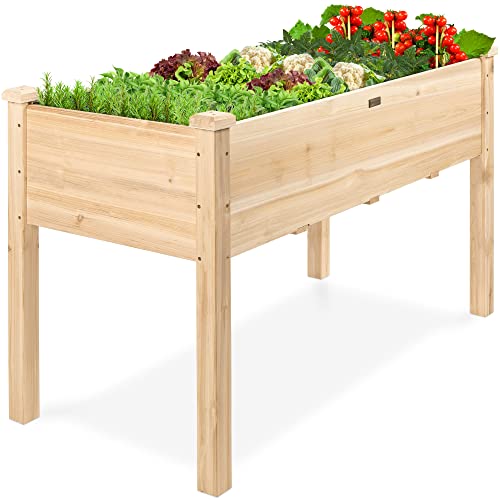 $99.99Buy Now
for Backyard, Patio, Balcony with Bed Liner, 200 Pound Capacity - Natural
We earn a commission if you make a purchase, at no additional cost to you.
09/27/2026 09:52 pm GMT

Why This Matters
Growing food is often presented as though bigger is always better.
It is not.
Especially as we get older.
A large garden that hurts your back, aggravates your knees, exhausts you, or demands more maintenance than you can provide is not helping you become more self-reliant. It may eventually make you quit gardening altogether.
A smaller garden can be different.
You can place it where it is convenient, bring plants up to a comfortable working height, keep water and tools nearby, concentrate on vegetables you actually eat, and use vertical space instead of expanding across the yard.
You can also make changes as your abilities change.
That is not giving up.
That is gardening intelligently.
You can also have a small garden in a large tract of land like I do. I have many trees around my house and out buildings. My pastures are fairly open; this is about three acres of my five acres. I have an field opening about 50 yards from my back porch where I have my garden.
These trees keep growing taller. Even the trees around the fence/property line. So, my sunny area keeps moving. Next year, I may have to move my tomatoes much farther away to get the sun.
For preparedness, there is another lesson here. Self-reliance is not about doing everything yourself. It is about increasing the number of things you can do when circumstances require it.
If you can grow lettuce on a patio, tomatoes in containers, beans on a trellis, or herbs beside your kitchen door, you have increased your food-growing skills.
Start there.
You do not need a farm.
You need a workable system.
🌱Continue the Smart Gardening Series
Every gardener faces different challenges. These practical guides can help you reduce pain, conserve energy, and grow more with less work.
Popular Guides
🌱 Raised Bed Gardening for Seniors
🌼 Planning a Low-Maintenance Garden
🧰 Best Ergonomic Gardening Tools for Seniors
🪶 Choosing Lightweight Garden Equipment
🛒 Garden Carts, Kneelers, and Rolling Seats
🥕 Best Vegetables to Grow for Survival
👉 See Every Smart Gardening for Seniors Article
Discover practical gardening tips that make growing vegetables, herbs, and flowers easier, safer, and more enjoyable for older adults.
FAQs
Can you really grow enough food in a small space to make it worthwhile?
Yes. A small garden probably will not provide all the food a household needs, but it can produce useful amounts of fresh vegetables and herbs. The key is choosing productive crops, using vertical space, and replanting areas when earlier crops finish.
What vegetables are best for a small garden?
There is no single universal list because climate and growing conditions vary. Leafy greens, herbs, peppers, bush or pole beans, compact tomatoes, green onions, radishes, cucumbers, and other productive crops can be good choices when suited to your location.
Are containers or raised beds better for seniors?
Either can work well. Containers offer flexibility and can be placed close to the house, while elevated raised beds can provide more growing space while reducing bending. The better choice depends on your mobility, available space, water access, and the foods you want to grow.
How can I grow more vegetables without making my garden larger?
Use vertical supports, choose compact varieties, practice succession planting, and combine compatible crops carefully. You can often increase production from existing space without adding more garden beds.
Is vertical gardening easier for seniors?
It can be. Bringing vines and produce upward may reduce bending and make harvesting easier. Keep trellises at a height you can comfortably reach from the ground and avoid designs that require ladders or excessive reaching.
Are small containers easier for seniors to manage?
Not necessarily. Very small containers dry out quickly and may require frequent watering. Larger containers retain moisture longer, but they become extremely heavy after they are filled. Put large containers in their permanent locations before filling them.
What is the easiest way to start a small food garden?
Start with a few foods you already enjoy eating. Try one raised bed or several appropriately sized containers close to the house and near a convenient water source. Learn how much work that garden requires before expanding.
Can I grow food on an apartment balcony?
Often, yes, if the balcony receives appropriate light and gardening is permitted. Consider container weight, drainage, wind, railing safety, and building rules before setting up the garden.
How does a small garden fit into emergency preparedness?
A small garden supplements stored and purchased food while helping you practice real food-production skills. It teaches you about your climate, watering, pests, planting times, harvesting, and the amount of gardening you can comfortably manage.
What about You?
Do you grow food in a small space?
Maybe you have a patio filled with containers, one productive raised bed, a balcony garden, or a tiny backyard that produces far more food than anyone would expect.
What is the most productive plant you have grown in a small space? Tell us in the comments section below.
If you have found a way to make small-space gardening easier on your back, knees, shoulders, or hands, tell us about that too.
Your experience might give another senior gardener exactly the idea they need.