

Best Vegetables to Grow for Survival: A Senior-Friendly Guide

🌱 From My Garden
I know how frustrating it is when gardening leaves you sore for days.
I don’t write these articles because I read about them. I write them because I’ve lived them. Between multiple shoulder surgeries, including two left shoulder replacements, chronic back pain, knee surgery, and surgeries on my right hand for carpal tunnel syndrome and Dupuytren’s contracture, and most recently, breast cancer surgeries, I’ve had to learn how to keep gardening without making my pain worse.
The tips I share come from real experience, along with research and current gardening best practices. My goal is simple: help you keep gardening safely, comfortably, and for many years to come.
A Survival Garden Should Grow Food You Can Depend On
A survival garden is different from an ordinary vegetable garden.
In a regular garden, you might grow tomatoes, herbs, lettuce, or cucumbers because you enjoy eating them fresh. A survival garden must do more. It should produce dependable food, provide meaningful nutrition, make good use of limited space, and give you ways to store or preserve part of the harvest.
That does not mean you need to turn your entire yard into a farm.
For seniors, an oversized garden can quickly become exhausting. Every additional bed requires planting, watering, weeding, pest control, harvesting, and cleanup. If a garden demands more work than your body can safely handle, it will not be dependable when you need it most.
A better survival garden contains a manageable combination of calorie crops, protein crops, nutrient-rich vegetables, and reliable producers.
It should also reflect your climate, available space, physical abilities, water supply, and eating habits. A vegetable has little survival value if it does not grow well where you live or your family refuses to eat it.
Here in North Florida, we have the advantage of being able to grow vegetables during much of the year. We also face intense heat, sandy soil, heavy rain, insects, plant diseases, and occasional freezes. Choosing the right crops and planting them at the right time matters.
What Makes a Vegetable Good for Survival?
The best survival vegetables provide several benefits:
* They grow reliably in your climate.
* They produce a worthwhile amount of food.
* They provide calories, protein, vitamins, or minerals.
* They can be stored, preserved, or harvested over time.
* They are foods you already know how to prepare.
* They do not require more work than you can safely manage.
* Their seeds or planting material can be saved or replaced easily.
You do not need every crop on this list. Choose a small, balanced group that fits your garden and your body.
TL;DR for Seniors: Best Vegetables to Grow for Survival
A productive survival garden does not need to be large or exhausting. The key is choosing dependable vegetables that provide the most food and nutrition for the space, time, and energy you can comfortably manage.
🌿 Key Points:
✅ Grow foods you already eat and know how to prepare.
✅ Include calorie crops such as sweet potatoes and winter squash.
✅ Grow beans or southern peas for protein and fiber.
✅ Add collards, kale, or other greens for important nutrients.
✅ Choose crops suited to your climate and planting season.
✅ Favor vegetables that produce heavily in a small area.
✅ Include foods that can be frozen, canned, dried, or stored.
✅ Grow open-pollinated varieties when seed saving is a goal.
✅ Start with a small garden you can maintain consistently.
✅ Use raised beds, containers, trellises, and wide paths to reduce strain.
🌻 Takeaway: The best survival garden is not the largest one. It is the garden you can manage that produces a useful balance of calories, protein, and nutrients.
The Biggest Mistake in Survival Gardening
One of the biggest mistakes is growing only vegetables that are easy and enjoyable to eat fresh.
Lettuce, radishes, cucumbers, and tomatoes are valuable. They add nutrients, flavor, variety, and fresh food to your meals. However, most will not provide enough calories to sustain you during a long emergency.
A person cannot live on salad alone.
A strong survival garden needs several different types of crops:
| Crop type | What it provides | Examples |
| Calorie crops | Energy and filling meals | Sweet potatoes, potatoes, winter squash |
| Protein crops | Protein and fiber | Dry beans, lima beans, southern peas |
| Nutrient crops | Vitamins and minerals | Collards, kale, cabbage, carrots |
| Flavor crops | More satisfying meals | Onions, garlic, peppers, herbs |
| Preserving crops | Food beyond harvest season | Tomatoes, beans, peppers, squash |
No single vegetable provides everything you need. Think of your garden like a preparedness pantry. A pantry filled with only rice would be incomplete. A garden filled with only tomatoes has the same problem.
Start with What You Will Eat
Before choosing seeds, write down the vegetables you regularly eat.
Do you use sweet potatoes, beans, collards, carrots, tomatoes, peppers, onions, or squash? Do you know how to prepare them without following a complicated recipe? Can you store or preserve the extra harvest?
These questions matter more than online lists of supposedly perfect survival crops.
If you dislike turnips, planting an entire bed of them makes little sense. If beans are already part of your meals, they may deserve more garden space.
Your survival garden should support your normal diet. An emergency is a poor time to discover that you do not like the food you worked for months to grow.
1. Sweet Potatoes
Sweet potatoes are one of the best survival crops for warm climates.
They provide more calories than most leafy or watery vegetables. The roots are filling, and the young leaves can also be cooked as greens. Once established, the spreading vines shade the soil and may help suppress some weeds.
Sweet potatoes tolerate my Florida heat better than many traditional vegetables. In North Florida, they are normally planted during the warmer months, although I accidentally overwintered them and I still was able to harvest some.
They are usually grown from slips rather than seeds. They need loose, well-drained soil so the roots can expand. Raised beds can work well, particularly where native soil is compacted or poorly drained.
Why Sweet Potatoes Belong in a Survival Garden
- They provide useful calories.
- They grow well during hot weather.
- Both the roots and tender leaves are edible.
- They can produce heavily in a reasonable amount of space.
- Properly cured roots can be stored.
- New slips can be grown from saved sweet potatoes.
- They work in raised beds and large containers.
Senior-Friendly Tip
Do not plant more sweet potatoes than you can comfortably harvest. Digging them can be tiring, especially in hard or compacted soil.
Use loose raised-bed soil and harvest one small section at a time. A lightweight garden fork can loosen the soil, but avoid driving it directly beneath the plant where it may pierce the roots.
Ask for help if harvesting requires deep digging or moving heavy containers.
For more help designing an easier garden, see Planning a Low-Maintenance Garden: Grow More While Working Less.
2. Beans and Southern Peas
Beans are valuable because they can provide both fresh vegetables and dried food.
Snap beans are harvested while the pods are young. Some varieties can also be allowed to mature for shell beans or dry beans. Dried beans provide protein, fiber, and food that can be stored without taking up freezer space.
Southern peas, including black-eyed peas, cream peas, and crowder peas, perform well during your warm season. They tolerate heat better than many common bean varieties.
Pole beans grow vertically and can produce over an extended period. Bush beans are lower and more compact, but harvesting them may require more bending.
Why Beans and Peas Belong in a Survival Garden
- They provide protein and fiber.
- They can be eaten fresh or dried.
- They produce useful food in a relatively small area.
- Many varieties are easy to grow from seed.
- Seeds from suitable varieties can be saved.
- Pole varieties can grow on trellises.
- Southern peas tolerate hot weather.
Beans and peas are good choices for beginning seed savers. Their seeds are large and easy to handle, and many varieties can be saved without complicated preparation.
Choose open-pollinated varieties if producing future plants similar to the parent crop is important.
Senior-Friendly Tip
Grow pole beans on a trellis that keeps most pods between waist and shoulder height. Do not make the trellis so tall that harvesting requires overhead reaching or a ladder.
Bush beans can grow in a tall raised bed. Place them close enough to the edge that you can reach the pods without leaning across the soil.
Harvest small amounts frequently instead of waiting until every plant is heavily loaded.
Learn more in Vertical Gardening for Seniors: Grow More in Small Spaces.
3. Potatoes
White or Irish potatoes provide calories and can turn a simple meal into something filling.
They can be baked, boiled, mashed, added to soups, or combined with other garden vegetables. However, potatoes are not as easy to store in Florida as they are in cooler regions.
Where I live, North Florida’s warm, humid conditions make a traditional root cellar impractical for many households. Produce that stores well in a cool northern basement may spoil much faster in a warm Florida home, shed, or garage. I am storing what I can in my pantry.
That does not make potatoes a poor choice. It means you need a realistic plan for harvesting, storing, and eating them.
Why Potatoes Belong in a Survival Garden
- They provide useful calories.
- They are filling and familiar.
- They can be prepared in many ways.
- They grow in raised beds and deep containers.
- Container harvesting can be easier than digging a long row.
- Seed potatoes are widely available.
Senior-Friendly Tip
Consider growing a smaller potato crop in large containers, grow bags, or a loose raised bed. This reduces the amount of hard ground you must dig.
I grew potatoes in a tower arrangement this Spring. I got a pretty nice harvest.I watched a YouTube video on how to do it.
Place large containers in their permanent positions before filling them. A container filled with wet soil can weigh hundreds of pounds.
Do not plan to tip or move a full container by yourself. Remove the soil gradually or ask for help at harvest time.
4. Winter Squash and Pumpkins
Winter squash earns its name because mature fruit can be stored and eaten well after harvest. The term does not mean it must be grown during winter.
Butternut squash, Seminole pumpkin, calabaza, and other storage-type squash can provide filling food. Their flesh can be roasted, mashed, added to soups, frozen, or preserved using a tested method.
A mature storage squash develops a hard rind. Some types must be cured after harvest so the skin hardens and minor surface damage can heal.
Vining squash requires room. On my five-acre property, space may not seem like a problem, but I need a single space for that which hasn’t been defined yet.
These long vines need watering, inspection, pest control, and harvesting. They can also create a tripping hazard if they spread across walking paths.
Why Winter Squash Belongs in a Survival Garden
- It provides more food value than many salad crops.
- Mature fruit can be stored.
- One squash can provide several servings.
- Seeds are large and easy to handle.
- Vines can cover unused growing areas.
- Some varieties perform well in the South.
- The flesh works in savory and sweet dishes.
Senior-Friendly Tip
Direct the vines away from paths and working areas. If you use a trellis, make sure it is strong enough to support the vines and mature fruit.
Place a board, paver, or another dry surface beneath developing squash to reduce direct contact with wet soil.
Use hand pruners to cut mature fruit from the vine. Leave a short section of stem attached.
Do not carry several large squash at once. Place them in a four-wheeled garden cart and move a small load.
5. Collards and Kale
Collards and kale will not provide the bulk calories needed during a long emergency. Their value comes from vitamins, minerals, fiber, and repeated harvests.
Instead of removing the whole plant, you can harvest the outer leaves and allow the center to continue growing.
These greens are particularly useful in my North Florida location because they grow during the cooler season, when many warm-season vegetables have finished.
A few healthy plants can provide fresh greens for an extended period.
Why Collards and Kale Belong in a Survival Garden
- They provide valuable nutrients.
- Leaves can be harvested repeatedly.
- It grows well during cool weather in many regions.
- They tolerate cooler weather better than many vegetables.
- They grow in raised beds and containers.
- The leaves can be frozen after proper preparation.
- A small number of plants can produce many servings.
Senior-Friendly Tip
Grow collards and kale in a raised bed near the house. Harvest only what you need for the next few meals.
Position the plants where you can inspect the undersides of their leaves without bending deeply. Caterpillars can damage these crops quickly, so short, frequent checks are easier than rescuing badly damaged plants later.
Do Not Let Calorie Crops Crowd Out Nutrition
Calories matter during an emergency, but calories are not the whole story.
Sweet potatoes, potatoes, beans, peas, and winter squash can form the backbone of a survival garden. Leafy greens, carrots, tomatoes, peppers, onions, and cabbage make those foods more nutritious and enjoyable.
The goal is balance.
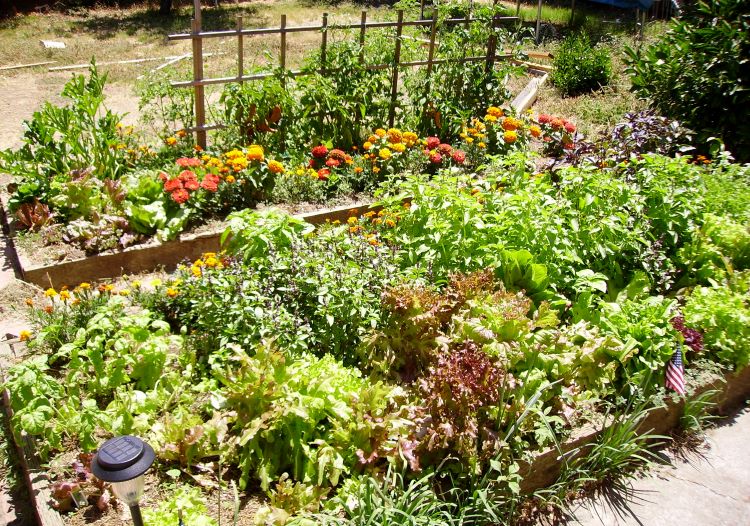
A small survival garden might include:
- One bed of sweet potatoes
- One trellis of pole beans
- One container or bed of potatoes
- Several winter squash vines
- One raised bed of collards and kale
- Smaller areas for carrots, onions, tomatoes, and peppers
You do not need to plant everything at the same time. For example, North Florida’s long growing season allows you to rotate warm-season and cool-season vegetables through the same beds.
A garden planned around your seasons will produce more food without requiring you to maintain every crop at once.
6. Carrots
Carrots provide useful nutrients, store better than many tender vegetables, and take up relatively little garden space.
They grow best in loose soil without rocks, roots, or hard clumps. Heavy or compacted soil can produce short, twisted, or forked carrots. Even in my N. Fla. soil, I get some twisted or bent carrots if I’m not careful that the soil is loose enough.
A raised bed filled with loose soil is often easier to prepare and harvest than an in-ground row. It also brings the work closer to a comfortable height.
Carrot seeds are tiny and can be difficult to handle if you have weak hands. Seed tape or pelleted seeds may make planting easier. You can also mix the seeds with a small amount of dry sand to help distribute them more evenly.
Why Carrots Belong in a Survival Garden
- They provide vitamins, fiber, and variety.
- They use garden space efficiently.
- They grow well during the South’s cooler season.
- They can remain in the soil for a short time until needed.
- They can be refrigerated, frozen, canned, pickled, or dehydrated.
- They grow well in raised beds and deep containers.
Senior-Friendly Tip
Do not plant one long row that must be thinned and harvested all at once.
Plant a short section every two or three weeks during the appropriate season. These smaller plantings spread out the work and provide a steadier harvest.
Moisten the soil before pulling carrots. If the ground is firm, loosen it carefully with a hand fork instead of pulling hard enough to strain your hands or shoulders.
7. Cabbage
Cabbage is one of the most useful cool-season vegetables for a survival garden.
A mature head provides more food than a handful of salad greens. Cabbage can be eaten raw, cooked in soups, added to stews, sautéed, pickled, or fermented into sauerkraut.
It does require space. Planting too many heads at once can also leave you with more cabbage than you can use before it spoils.
Plant a manageable number and stagger the planting dates when possible.
Why Cabbage Belongs in a Survival Garden
- One plant produces a substantial amount of food.
- It grows well during cool weather in many regions.
- It can be eaten raw or cooked.
- It works well in soups and filling meals.
- It can be fermented or pickled.
- It provides vitamins, minerals, and fiber.
- It stores longer than many tender leafy vegetables.
Senior-Friendly Tip
Grow cabbage in a raised bed where you can inspect the leaves easily. Caterpillars often hide underneath them.
Instead of bending over every plant, turn the outer leaves upward with a lightweight hand tool or gloved hand.
Harvest cabbage with a sharp knife. If the head is large or awkward, place a basket or cart beside the bed before cutting it.
8. Onions and Garlic
Onions and garlic may not provide many calories, but they make stored foods much more enjoyable.
Rice, beans, potatoes, greens, soups, and stews become more satisfying when you can add familiar flavors. Onions and garlic can also help reduce dependence on packaged seasonings.
Onion varieties must be matched to local day length. Short-day onions are generally suited to southern regions, long-day onions to northern regions, and intermediate-day onions to many areas between them. Planting the wrong type can prevent good bulbs from forming.
Garlic varieties also respond differently to climate. Hardneck garlic generally performs best where winters are cold, while many softneck varieties handle milder winters better.
In very warm climates, some gardeners chill seed garlic before planting. Grow a small test crop before depending on garlic as a major survival crop.
Bunching onions may be an easier choice. You can harvest the green tops as needed while leaving part of the plant growing.
Why Onions Belong in a Survival Garden
- They improve simple meals.
- They require relatively little space.
- Bunching onions can provide repeated harvests.
- Bulbing onions can be cured and stored.
- They can be dehydrated or frozen.
- They grow well beside many other vegetables.
Senior-Friendly Tip
Grow onions close to the edge of a raised bed. Their narrow leaves can be difficult to reach when surrounded by larger plants.
Harvest them when the soil is dry. Loosen the soil first rather than pulling hard on the tops.
9. Tomatoes
Tomatoes are not a major calorie crop, but they are still valuable in a survival garden.
They add flavor, moisture, vitamins, and acidity to meals. A productive tomato plant can provide fresh food for weeks. Extra tomatoes can be frozen, dehydrated, or preserved using tested recipes.
Tomatoes are also familiar. Most gardeners already know how to use them, and most families will eat them.
Tomatoes can be unreliable when the variety does not match the climate. Heat and humidity can reduce fruit production and increase disease pressure. Cooler regions may not provide enough time for large, late-maturing tomatoes. Choose locally recommended varieties and plant them during the part of your growing season that offers the best temperatures.
Cherry tomatoes often mature faster and continue producing when some large slicing tomatoes struggle. They can also be easier to harvest and use in small amounts. I also think they are easier to grow.
Why Tomatoes Belong in a Survival Garden
- They can produce over an extended period.
- They add flavor and nutrition.
- They can be eaten fresh or cooked.
- Extra tomatoes can be preserved.
- They grow in raised beds and large containers.
- Their seeds are relatively easy to save.
- Cherry varieties can produce heavily in limited space.
Senior-Friendly Tip
Use a strong cage or trellis when you plant. Adding support after the plant becomes large is harder and can damage the branches.
Keep the support short enough that you can harvest without reaching overhead. Place container tomatoes near a water source because they may dry out quickly.
For more help creating an easier first garden, see Planning Your First Senior-Friendly Vegetable Garden.
10. Peppers
Peppers provide flavor, vitamins, and variety without requiring as much space as sprawling vegetables.
Sweet peppers can be eaten fresh, cooked, frozen, dehydrated, or pickled. Hot peppers can add strong flavor to otherwise plain emergency meals.
Pepper plants may continue producing for an extended period when conditions are favorable. Smaller peppers are often less demanding than large bell peppers.
Why Peppers Belong in a Survival Garden
- They grow in raised beds and containers.
- They provide repeated harvests.
- They add flavor to stored foods.
- They can be frozen, dried, or pickled.
- They require less space than vining crops.
- Their seeds can be saved from suitable varieties.
- Both sweet and hot varieties are useful.
Senior-Friendly Tip
Place pepper plants near the bed edge where the fruit is easy to see and reach.
Use scissors or lightweight hand pruners when harvesting. Pulling peppers from the plant can break branches or strain your hands.
If you have difficulty gripping small tools, Gardening with Weak Hands offers practical ways to make planting and harvesting easier.
11. Okra
Okra is one of the most dependable vegetables for hot summer conditions.
While many crops slow down during extreme heat, okra often continues growing and producing. Gardeners in cooler or short-season regions can choose compact, early-maturing varieties and start the plants indoors if needed. Okra can be cooked fresh, added to soups and stews, pickled, frozen, or dehydrated.
Okra must be harvested frequently. Pods become tough when left on the plant too long.
The plants can also grow quite tall. Choose a compact variety when possible, or carefully prune the growing tip if appropriate for the variety and your growing method.
Why Okra Belongs in a Survival Garden
- It handles heat well.
- It continues producing during hot summer weather.
- It can provide repeated harvests.
- It works in soups and filling meals.
- It can be frozen, pickled, or dried.
- Seeds are large and easy to handle.
- Mature seeds can be saved from suitable varieties.
Senior-Friendly Tip
Wear gloves and long sleeves. Some okra plants have irritating hairs.
Harvest while the pods are young. Use lightweight pruners instead of pulling or twisting them.
Do not let plants grow so tall that harvesting requires overhead reaching. If a plant becomes difficult to manage safely, remove it and rely on shorter plants.
Vegetables That Are Useful but Not Survival Staples
Almost every edible crop can contribute something to a survival garden. However, some popular vegetables should not take up most of your available space.
Lettuce
Lettuce is nutritious, easy to use, and well suited to cool-season containers. It provides few calories and does not store for long.
Grow it for fresh food and variety, but do not depend on it as a survival staple.
Radishes
Radishes grow quickly and fit into small spaces. They can provide an early harvest while slower crops mature.
They are useful, but they are not filling enough to become a major survival crop.
Cucumbers
Cucumbers can produce heavily and work well on a trellis. They provide fresh food and can be pickled.
They contain a great deal of water and relatively few calories. Grow them if you enjoy them, but balance them with beans, sweet potatoes, or other substantial crops.
Summer Squash
Zucchini and yellow squash can produce a large harvest quickly. They are useful fresh or frozen but do not store like mature winter squash.
Summer squash can face heavy pest and disease pressure in many regions. Plant only a few until you know how reliably they perform where you live.
Sweet Corn
Corn is often pictured in survival gardens, but it may not be the best use of space or energy for an older gardener.
Corn needs room, fertile soil, consistent water, and enough plants growing together for good pollination. Insects, birds, raccoons, and storms can damage the crop.
If you have space and enjoy growing corn, include it. If your garden is small or your energy is limited, beans, sweet potatoes, and winter squash may give you more dependable food for the work involved.
Build a Balanced Survival Garden
The best survival garden includes several types of food.
A practical combination might contain:
Calorie Crops
- Sweet potatoes
- Potatoes
- Winter squash
- Pumpkins
Protein Crops
- Dry beans
- Lima beans
- Southern peas
- Cowpeas
Nutrient-Rich Crops
- Collards
- Kale
- Cabbage
- Carrots
- Tomatoes
- Peppers
- Okra
Flavor Crops
- Bunching onions
- Bulbing onions
- Garlic
- Hot peppers
- Herbs
You do not need equal amounts of each crop.
Give more room to dependable foods that form the base of meals. Use smaller spaces for vegetables that add flavor, color, and nutrients.
A Manageable Survival Garden for Seniors
A survival garden should fit your current abilities, not the amount of land you own.
Like in my case, even on five acres, spreading crops across a large area creates more walking, watering, mowing, and carrying.
A compact garden near the house is easier to observe and maintain. I have my garden in one small area near the water/hose.
A practical senior-friendly layout might include:
- Two or three raised beds
- One trellis
- Several large containers
- Wide, level paths
- A lightweight hose or drip-irrigation system
- A four-wheeled garden cart
- A nearby tool-storage area
- A chair or stable resting place
- Shade within a short walking distance
Keep the vegetables you harvest most often closest to the house. Crops that require less frequent attention can grow slightly farther away.
If bending, walking, or balance is a concern, see Gardening with a Walker or Wheelchair for help planning accessible paths and working areas.
Plant in Smaller Rounds
Planting an entire garden in one weekend creates an entire garden that may need harvesting in the same short period.
Spread the work across several weeks.
Plant a short row of carrots now and another later. Start a few cabbage plants instead of a dozen. Grow several bean plants, then add another planting if the first group performs well.
This approach reduces planting strain and spreads out the harvest.
It also protects you from losing everything at once to pests, disease, heat, flooding, or an unexpected cold spell.
Plan for Water before Planting
A survival garden is not dependable without dependable water.
Place the garden close enough to your water source that you can reach it with a lightweight hose or irrigation line. Carrying full watering cans across the yard is tiring and places unnecessary strain on your hands, shoulders, and back.
Drip irrigation or soaker hoses can reduce daily work. A timer may help maintain consistent watering, but it should not replace checking the soil. Watch for power outages.
Rainfall can be unpredictable almost anywhere. Extended dry weather may be followed by heavy rain, while raised beds and containers can dry much faster than in-ground soil. Adjust irrigation to your weather instead of watering automatically on the same schedule every day.
Mulch can slow moisture loss and reduce weeds. Keep it away from plant stems and check beneath it before watering.
Save Seeds from the Right Plants
Seed saving can make your garden more self-reliant, but not every seed will reproduce the plant you expect.
Open-pollinated and heirloom varieties are generally better choices when saving seeds is important. Hybrid seeds may produce plants that differ from the parent plant.
Beans, peas, tomatoes, and peppers are good starting points for beginning seed savers. Carrots, cabbage, squash, and some other crops require more planning because they cross-pollinate easily or need more than one growing season to produce seed.
Do not try to save seed from everything during your first year. Learn one crop at a time.
For a complete introduction, read Seed Saving for Beginners: Preserve Your Garden Year After Year.
Have a Preservation Plan
A large harvest is only valuable if you can use or preserve it before it spoils.
Before planting ten tomato plants, decide whether you will freeze, dehydrate, can, or share the extra tomatoes. Before growing a large cabbage crop, decide whether you will make sauerkraut, freeze cooked cabbage, or stagger the harvest.
Possible preservation methods include:
- Freezing
- Dehydrating
- Pickling
- Fermenting
- Pressure canning
- Water-bath canning when a tested recipe allows it
- Curing and storing suitable crops
- Saving seed or planting material
Always use current, tested food-preservation instructions. Do not rely on old family methods, social-media videos, or untested recipes.
A survival garden should strengthen your food supply, not create a food-safety risk.
Grow What Performs Well for You
No list can identify the perfect survival crops for every property.
Your soil, sunlight, drainage, wildlife pressure, physical abilities, and local weather will influence what succeeds.
Keep simple notes each season:
- What did you plant?
- When did you plant it?
- How much work did it require?
- What pest problems appeared?
- How much did it produce?
- Did your family eat it?
- Could you preserve the extra harvest?
- Would you grow it again?
After several seasons, your notes will be more valuable than any generic survival-gardening list.
If a crop repeatedly struggles, replace it with something better suited to your garden.
Start Smaller Than You Think You Need
A smaller garden that receives regular care will usually produce more useful food than a large, neglected garden.
Begin with your most dependable crops. Learn how much water, space, time, and physical work they require.
Expand only when the current garden feels manageable.
If maintaining the garden already takes too much time or energy, Planning a Low-Maintenance Garden can help you reduce watering, weeding, bending, lifting, and unnecessary walking.
🌿 Trusted Gardening Resources
Enjoying your garden is easier when you have the right tools. These trusted gardening products can help reduce strain on your shoulders, protect your joints, and make everyday gardening tasks safer and more comfortable.
Whether you’re dealing with arthritis, recovering from surgery, or simply looking for easier ways to garden, these are products worth considering.
My Favorite Tools for Easier, Safer Gardening
Gardening should not leave you hurting for days. I put together this collection of senior-friendly gardening tools, raised planters, and helpful accessories. I own and use several of them myself, while others were chosen because they may reduce bending, lifting, gripping, and reaching.
-
 $14.43Buy Now
With Ultra Sharp Japanese Steel Titanium Blade, Arthritis Friendly
We earn a commission if you make a purchase, at no additional cost to you.
09/27/2026 09:39 pm GMT -
 Buy Now
LifeFone Medical Alert System
Be prepared for any injury, disaster, health problem.
We earn a commission if you make a purchase, at no additional cost to you.
-
 $109.99Buy Now
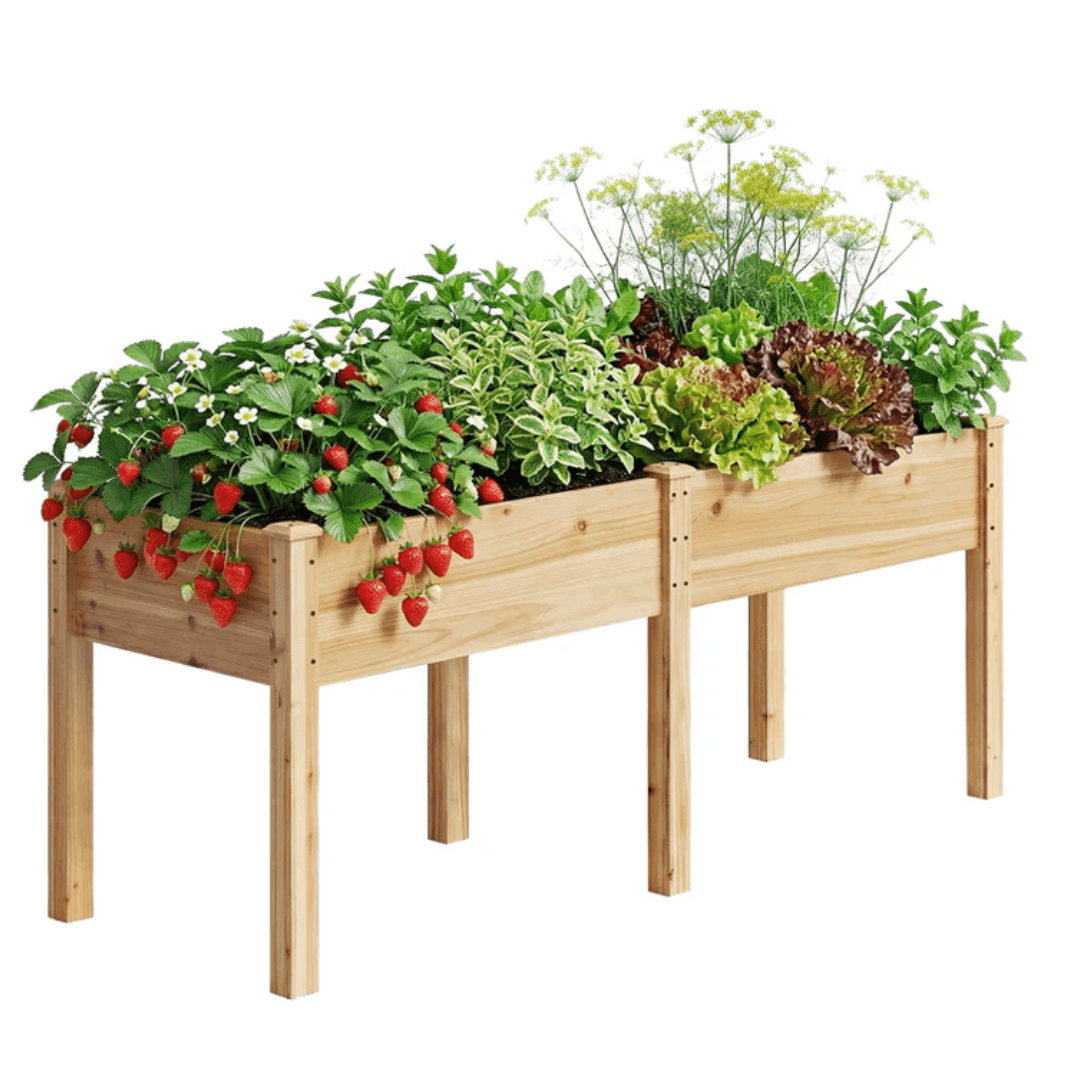
72" x 26 X 30" Wooden Raised Garden Bed with Legs, Elevated Reinforced Planter Box with Divider Panel & Drainage Holes, Natural Fir Wood Garden Planter for Vegetables, Herbs, Flowers, Patio, Balcony & Backyard
We earn a commission if you make a purchase, at no additional cost to you.
-
 $157.99Buy Now
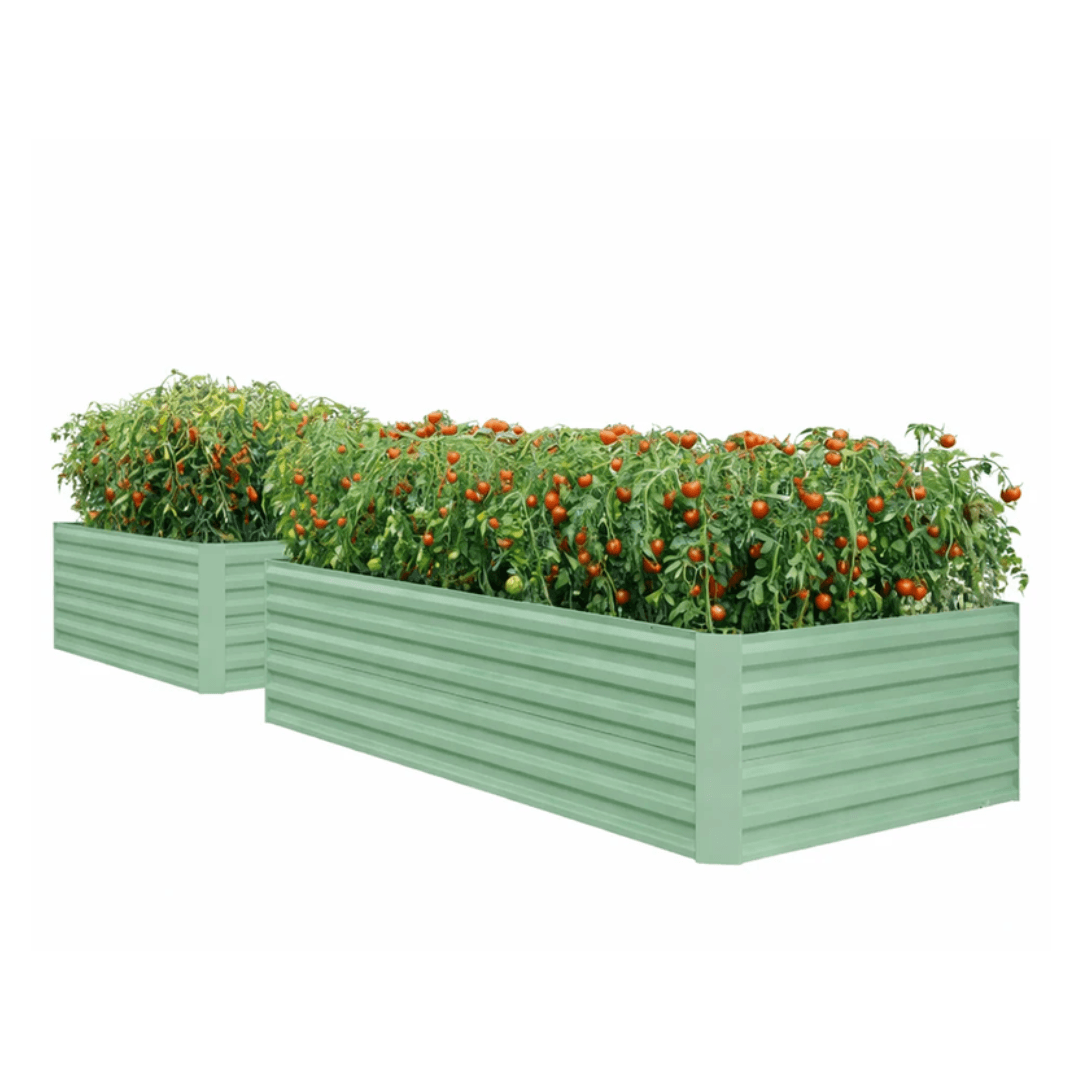
24-Inch Deep Open-Bottom Planter Boxes for Vegetables, Herbs & Flowers
We earn a commission if you make a purchase, at no additional cost to you.
-
 $89.99Buy Now
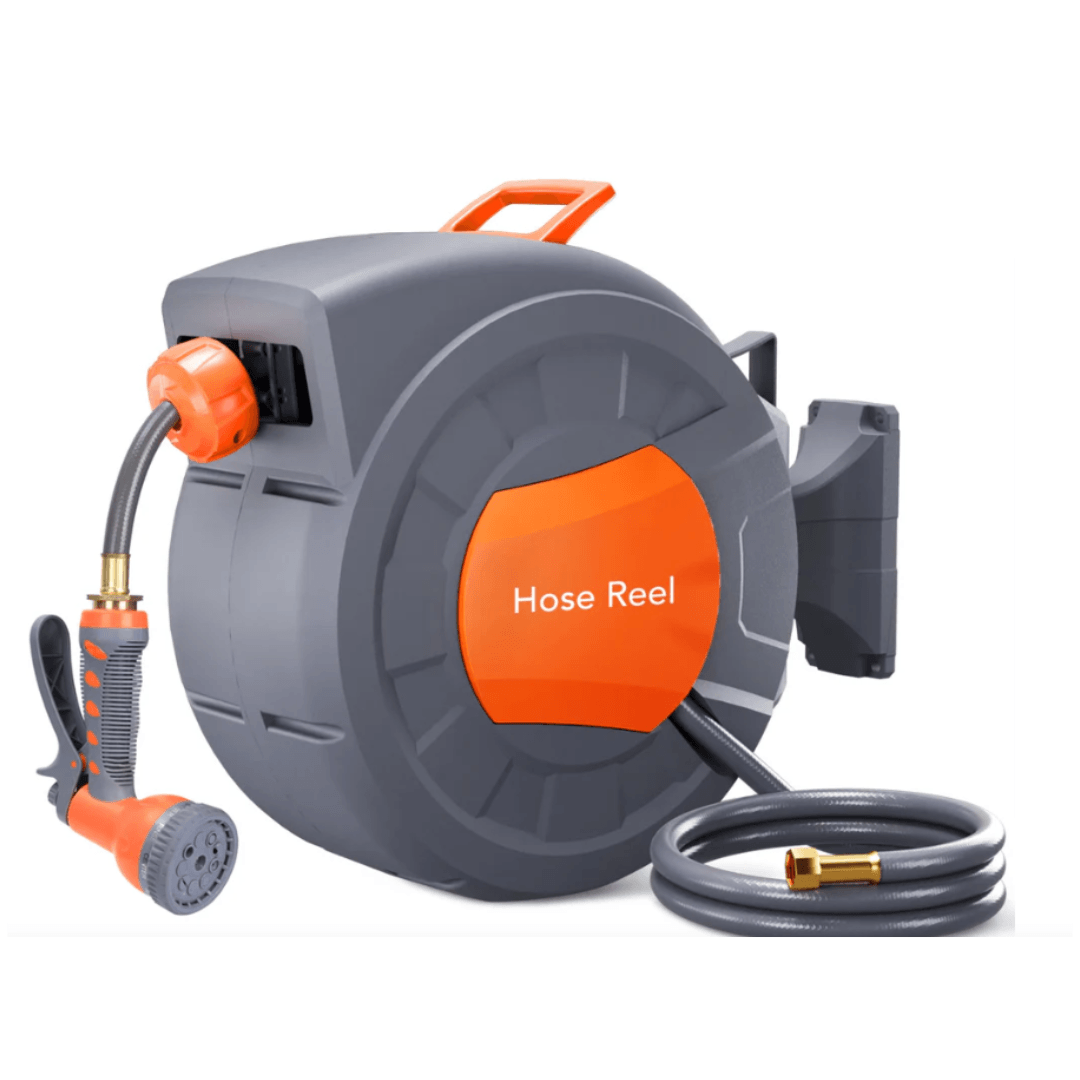
Garvee 1/2 in × 100 ft Retractable Garden Hose Reel, Wall Mount Auto Rewind, 9-Pattern Nozzle
We earn a commission if you make a purchase, at no additional cost to you.
-
 Buy Now
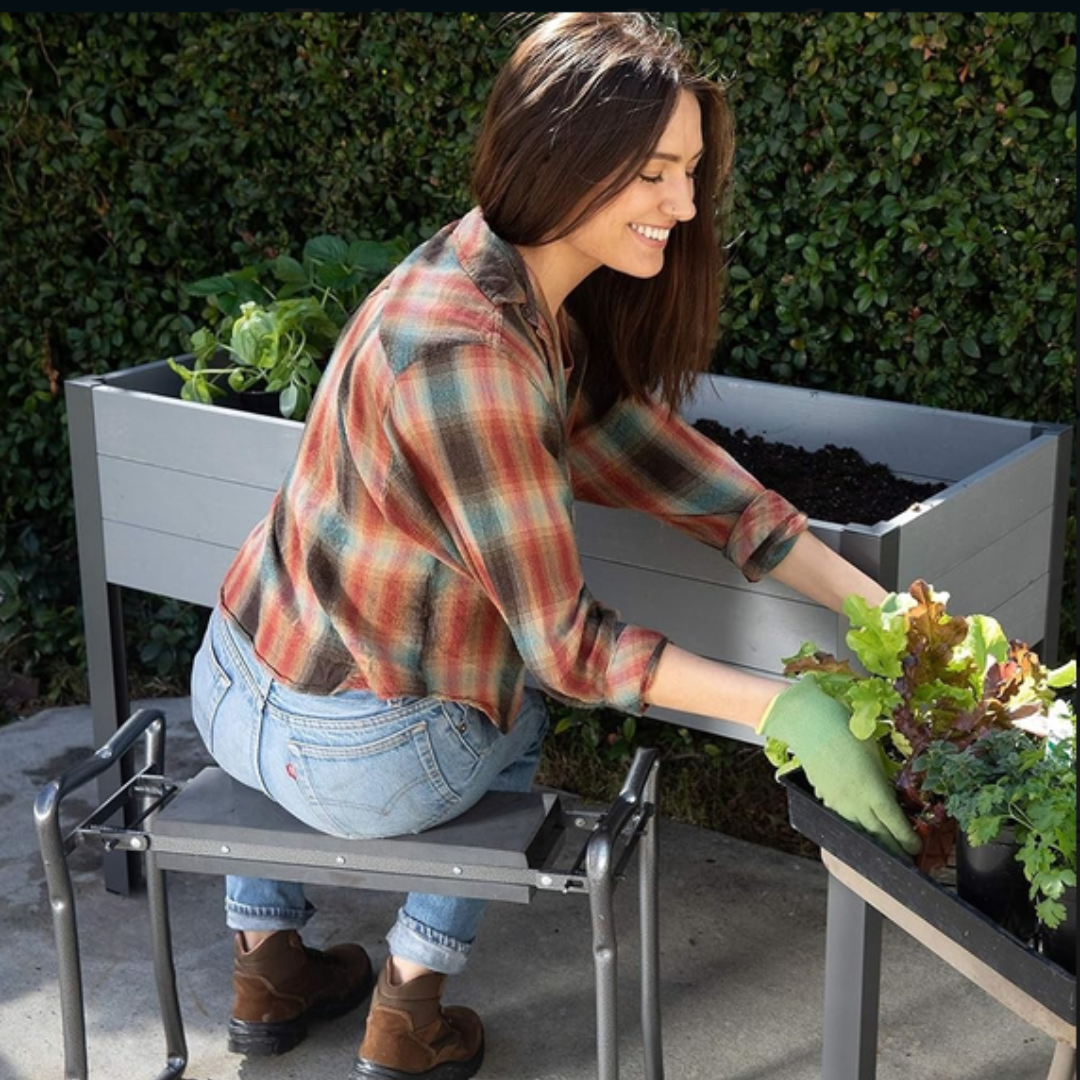
Converts from a comfortable bench for sitting to a cushioned kneeler by simply flipping it over.
We earn a commission if you make a purchase, at no additional cost to you.
-
 $16.99Buy Now
Beach Hiking Summer Wide Brim UPF 50+ Outdoor Protection Foldable Bucket Hat Beige, One Size
I own 2 of these! I even wear it in the pool.
We earn a commission if you make a purchase, at no additional cost to you.
09/27/2026 09:58 pm GMT -
 $38.99Buy Now
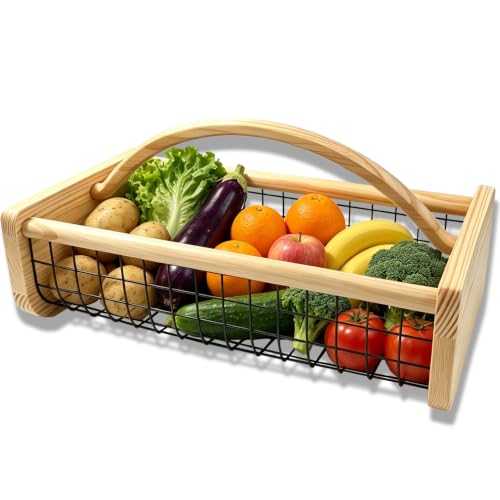
With Bent Solid Handle and Coated Mesh, Rinse & Deain Fresh Produce Easily for Kitchen and Outdoor Pick...
We earn a commission if you make a purchase, at no additional cost to you.
09/10/2026 12:11 am GMT -
 $6.99Buy Now
Super-sharp. Orange 1-Pack
I own 2 of these, 'cuz I use them everywhere!
We earn a commission if you make a purchase, at no additional cost to you.
09/27/2026 10:00 pm GMT -
 $57.94Buy Now
Heavy-Duty Tree Trimmer for Thick, Dry, Dead Branches, Ratchet Design Compounds Force for Easy Use, Low-Friction Steel Blades
We earn a commission if you make a purchase, at no additional cost to you.
09/27/2026 10:01 pm GMT -
 $28.99Buy Now
I LOVE THIS!: Fiskars 15-Inch Anvil PowerGear Super Pruner glides through branches up to 1.25" thick for easy cuts on dry, dead growth; trim tree branches to maintain your yard and garden and maintain overall plant health and appearance.
This is so light to carry around while you work.
We earn a commission if you make a purchase, at no additional cost to you.
09/27/2026 10:03 pm GMT -
 $14.80Buy Now
I OWN 2 PAIR OF THESE! Hand Protection with Touch Screen for Gardeners, Farmers, Landscapers and Movers
We earn a commission if you make a purchase, at no additional cost to you.
09/27/2026 10:04 pm GMT -
 $109.90Buy Now
400lbs Weight Capacity, Gardening Cart Bench, Ergonomic Backrest & Tool Storage, for Yard, Patio
We earn a commission if you make a purchase, at no additional cost to you.
09/27/2026 10:05 pm GMT -
 $59.95Buy Now
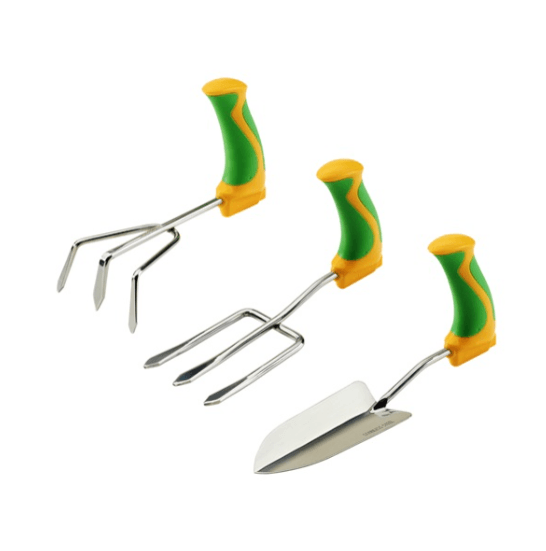
Upright handle, ergonomic hand tools set
Set of 3 adapted gardening tools with patented handle design.
We earn a commission if you make a purchase, at no additional cost to you.
-
 $99.99Buy Now
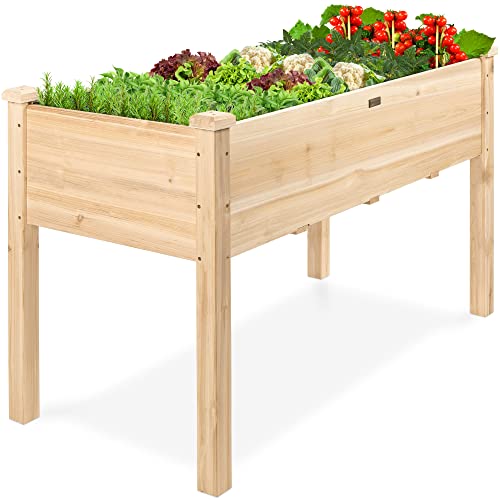
for Backyard, Patio, Balcony with Bed Liner, 200 Pound Capacity - Natural
We earn a commission if you make a purchase, at no additional cost to you.
09/27/2026 09:52 pm GMT

Why This Matters
Growing food is one of the most practical preparedness skills you can develop.
A garden may not replace every item in your pantry. It can still provide fresh food, stretch stored supplies, reduce grocery dependence, and give you more control over what you eat.
The strongest survival garden is not measured by its acreage. It is measured by how reliably it produces food you can use.
Sweet potatoes and squash provide energy. Beans and peas add protein and fiber. Greens, carrots, tomatoes, peppers, onions, and okra add nutrients and flavor.
Together, they create something much more useful than a garden filled with only one kind of vegetable.
Your physical wellbeing matters too. A survival garden that causes an injury or leaves you unable to work for several days is not truly sustainable.
Use raised beds, containers, trellises, lightweight tools, carts, irrigation, and shorter work sessions. Ask for help with heavy soil, construction, digging, and large harvests.
Preparedness is not about doing everything alone. It is about creating systems that continue working when life becomes difficult.
🌱Continue the Smart Gardening Series
Every gardener faces different challenges. These practical guides can help you reduce pain, conserve energy, and grow more with less work.
Popular Guides
🌱 Raised Bed Gardening for Seniors
🌼 Planning a Low-Maintenance Garden
🧰 Best Ergonomic Gardening Tools for Seniors
🪶 Choosing Lightweight Garden Equipment
🛒 Garden Carts, Kneelers, and Rolling Seats
🥕 Best Vegetables to Grow for Survival
👉 See Every Smart Gardening for Seniors Article
Discover practical gardening tips that make growing vegetables, herbs, and flowers easier, safer, and more enjoyable for older adults.
FAQs
What is the best vegetable to grow for survival?
There is no single best vegetable. Sweet potatoes are excellent for calories, while beans and southern peas add protein and fiber. A dependable survival garden should include several types of crops.
Which survival vegetables grow well in my climate?
That depends on your growing season. Sweet potatoes, cowpeas, okra, and peppers often perform well in hot regions. Potatoes, peas, kale, cabbage, and carrots are useful choices for cooler conditions. Beans, tomatoes, onions, and squash can grow in many climates when you select suitable varieties and planting dates. Check local planting calendars and ask experienced gardeners or an agricultural service which crops are most dependable in your area.
Can a small garden provide meaningful emergency food?
Yes. A small garden can supply fresh vegetables, seasonings, and some calorie-producing crops. It probably will not provide a complete diet, but it can stretch stored food and improve meal variety.
Which vegetables store the longest?
Properly cured sweet potatoes, potatoes, onions, pumpkins, and winter squash can store longer than tender vegetables. Storage life depends on the variety, harvest condition, temperature, humidity, and handling.
Which vegetables are easiest for saving seeds?
Beans, peas, tomatoes, and peppers are good choices for beginners. Use open-pollinated varieties if you want the next generation to remain similar to the parent plants.
Is corn necessary in a survival garden?
No. Corn can provide useful calories, but it requires considerable space, water, fertility, and protection from pests. Smaller gardens may benefit more from beans, sweet potatoes, or winter squash.
How large should a survival garden be for a senior?
Start with an area you can maintain without overworking. Two or three raised beds, a trellis, and several containers can produce useful food while remaining manageable.
Should I grow vegetables I do not normally eat?
Usually not. Emergencies are not the best time to change your entire diet. Give most of your garden space to foods you enjoy and already know how to prepare.
Can I grow survival vegetables in containers?
Yes. Potatoes, sweet potatoes, tomatoes, peppers, greens, carrots, onions, and bush beans can grow in appropriately sized containers. Place large containers before filling them because wet soil makes them extremely heavy.
How should I preserve vegetables from a survival garden?
Freezing, dehydrating, fermenting, pickling, curing, and canning may be appropriate, depending on the crop. Use current, tested preservation instructions from a reliable source.
Join the Conversation
Which vegetables would you depend on most in a survival garden?
Have you found a crop that grows especially well in your climate with less work? Share your experience in the comments below. Your advice may help another senior gardener build a more dependable food supply.


Actually, my follow request is for your Facebook page. (DUH)