
Seed Saving for Beginners: Preserve Your Garden Year after Year
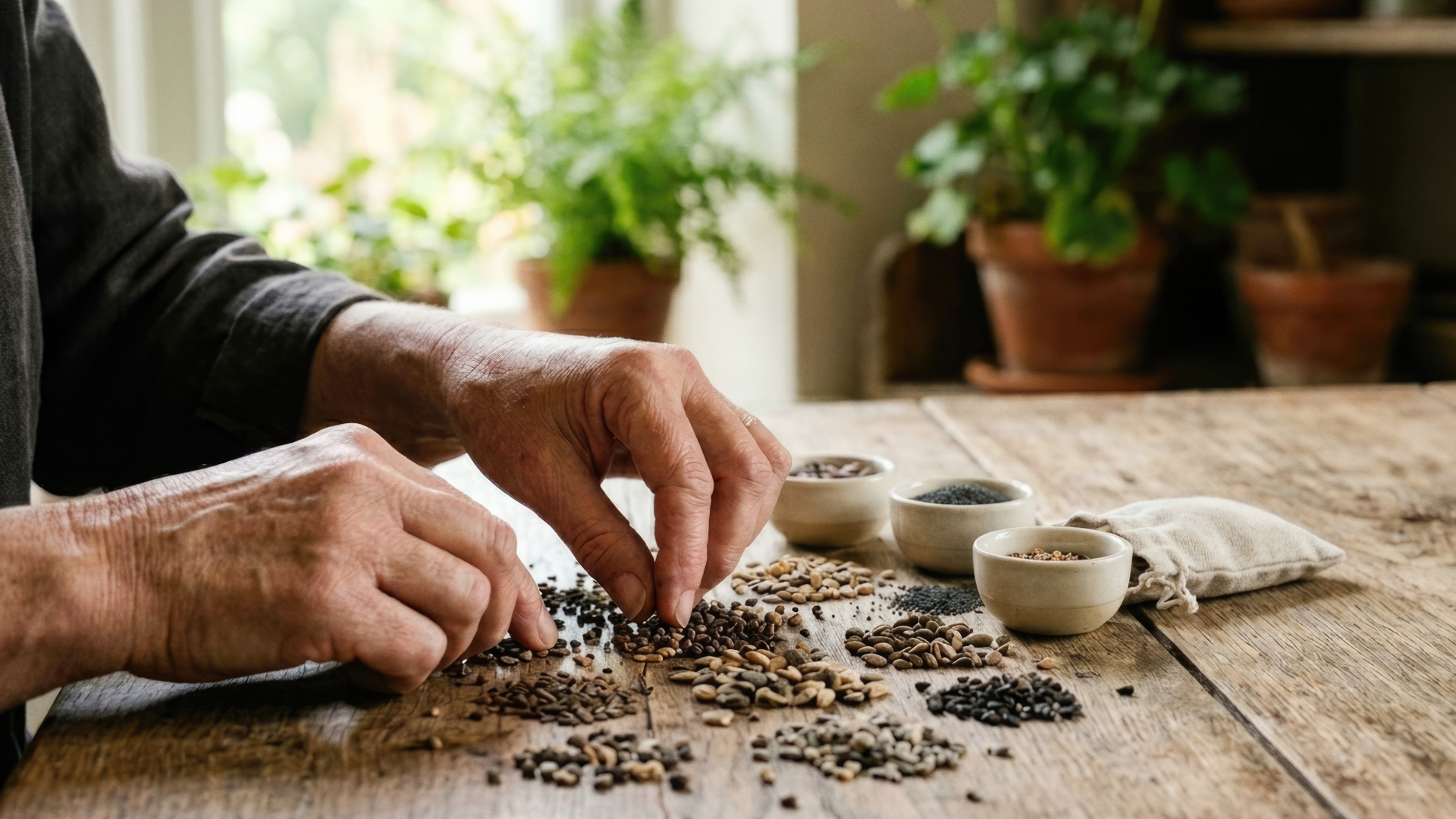
Why Every Survival Gardener Should Learn to Save Seeds
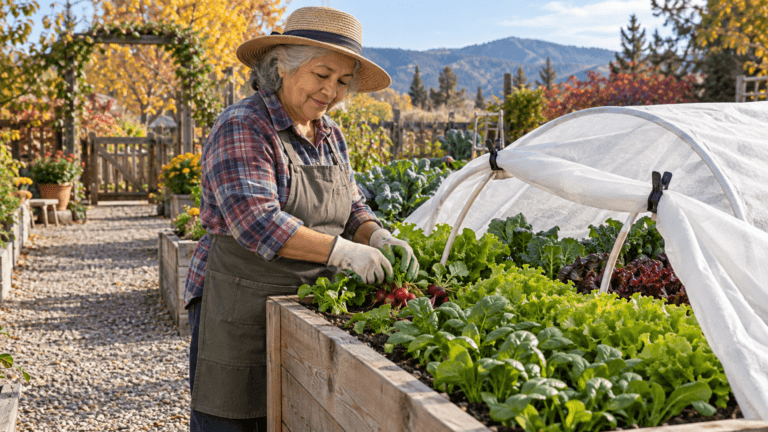
Growing your own food is a valuable survival skill. Saving your own seeds takes that skill one step further. Instead of buying new seed packets every spring, you can collect seeds from healthy plants and grow them again the following season. It saves money, builds self-reliance, and gives you a dependable food source if seed supplies become limited.
The good news is that seed saving is much easier than most beginners think.
Whether you have a large backyard garden or a few containers on your patio, you can start saving seeds this growing season.
Why Save Your Own Seeds?
Saving seeds offers several benefits.
- Reduces gardening costs.
- Builds long-term food security.
- Preserves favorite plant varieties.
- Increases self-sufficiency.
- Creates an emergency seed supply.
- Allows you to share seeds with friends and neighbors.
Over time, your garden becomes more sustainable because you depend less on buying new seeds every year.
Start with the Right Plants
Not every plant produces seeds that grow true to the parent plant.
For beginners, focus on open-pollinated or heirloom varieties.
These plants generally produce seeds that grow into plants similar to the originals.
Hybrid varieties often produce unpredictable results.
If you’re unsure, check the seed packet before planting.
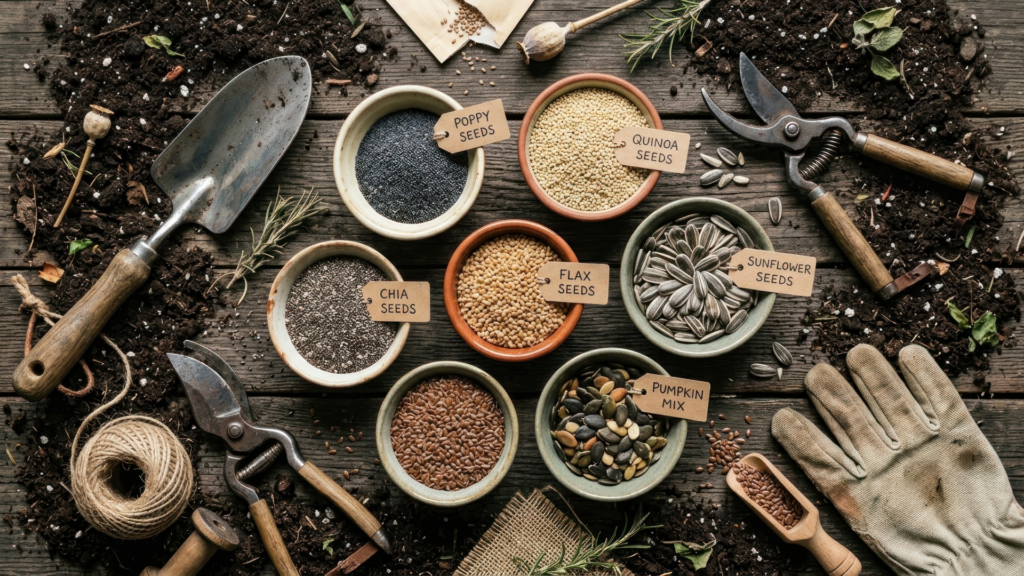
Easy Seeds for Beginners
Some vegetables are much easier to save than others.
Excellent beginner choices include:
- Beans
- Peas
- Lettuce
- Tomatoes
- Peppers
- Spinach
Once you’re comfortable with these, you can move on to more challenging crops.
Harvest Seeds at the Right Time
Seeds should be fully mature before harvesting.
In many cases, that means allowing fruits or seed pods to stay on the plant longer than you normally would for eating.
For example:
- Beans should dry completely on the vine.
- Lettuce forms fluffy seed heads.
- Tomatoes should become fully ripe.
- Peppers should mature to their final color.
Patience produces stronger, healthier seeds.
Clean Your Seeds
Some seeds simply need to be removed from dry pods.
Others require washing.
Tomato seeds, for example, should be separated from the surrounding pulp before drying.
Always remove as much plant material as possible.
Clean seeds store better and are less likely to develop mold.
Dry Seeds Thoroughly
Moisture is the enemy of stored seeds.
Spread seeds on paper plates, coffee filters, or screens in a well-ventilated area.
Allow them to dry for at least one to two weeks.
Never rush this step.
Properly dried seeds can remain viable for several years.
Store Seeds Correctly
Good storage extends seed life.
Use:
- Paper envelopes
- Glass jars
- Airtight containers
- Small labeled bags
Keep them in a location that is:
- Cool
- Dry
- Dark
Many gardeners use a refrigerator for long-term storage, provided the seeds stay dry.
Label Everything
It’s surprisingly easy to forget what’s inside a container.
Every packet should include:
- Plant variety
- Harvest date
- Any helpful notes
Good labels save confusion next season.
Test Older Seeds
Before planting older seeds, perform a simple germination test.
Place several seeds between damp paper towels.
Keep them warm for several days.
If most sprout, the seeds are still good.
If very few germinate, replace them with fresh seed.
🌿 Trusted Gardening Resources
Enjoying your garden is easier when you have the right tools. These trusted gardening products can help reduce strain on your shoulders, protect your joints, and make everyday gardening tasks safer and more comfortable.
Whether you’re dealing with arthritis, recovering from surgery, or simply looking for easier ways to garden, these are products worth considering.
Common Seed Saving Mistakes
Avoid these beginner errors:
- Saving immature seeds.
- Storing damp seeds.
- Forgetting to label containers.
- Using damaged or diseased plants.
- Saving seeds from hybrid varieties without understanding the results.
A little attention now leads to better harvests later.
FAQs
How long do garden seeds last?
Many seeds remain viable for two to five years when stored properly. Some varieties last even longer.
Can I save seeds from grocery store vegetables?
Sometimes. However, many grocery vegetables are hybrids or may not be well suited to your local growing conditions.
What is the easiest seed to save?
Beans, peas, lettuce, tomatoes, and peppers are among the easiest choices for beginners.
Do seeds need to be refrigerated?
Not always. A cool, dry, dark location works well for most home gardeners. Refrigeration can extend storage life if moisture is controlled.
Final Thoughts
Learning to save seeds is one of the simplest ways to become more self-sufficient.
Each growing season gives you an opportunity to preserve the plants that performed best in your garden. Over time, you’ll build a seed collection that’s uniquely suited to your climate and gardening style.
It’s a small habit that pays dividends year after year.
Continue Building Your Survival Garden
Seed saving is just one step toward greater food security.
Be sure to explore our other Survival Gardening guides for practical tips on growing more food, protecting your harvest, and becoming more self-reliant, one season at a time.
What about You?
Have you started saving seeds from your survival garden? Share your favorite plants to save, along with any tips you’ve learned along the way, in the comments below.