
Gardening with Back Pain: How to Garden Longer without Making Your Back Hurt
This post may contain affiliate links. If you buy through them, I may earn a small commission at no extra cost to you.

🌱 From My Garden
I know how frustrating it is when gardening leaves you sore for days.
I don’t write these articles because I read about them. I write them because I’ve lived them. Between multiple shoulder surgeries, including two left shoulder replacements, chronic back pain, knee surgery, and surgeries on my right hand for carpal tunnel syndrome and Dupuytren’s contracture, and most recently, breast cancer surgeries, I’ve had to learn how to keep gardening without making my pain worse.
The tips I share come from real experience, along with research and current gardening best practices. My goal is simple: help you keep gardening safely, comfortably, and for many years to come.
Introduction
Gardening should leave you with fresh vegetables and beautiful flowers, not days of back pain.
The good news is that you don’t have to give up gardening just because your back isn’t as strong as it used to be. A few simple changes in the way you work, the tools you use, and how you organize your garden can make a remarkable difference.
Whether you’re dealing with arthritis, chronic back pain, or recovering from surgery, these practical tips can help you enjoy your garden while protecting your back.
Gardening with Back Pain Doesn’t Mean Giving Up Your Garden
For many of us, gardening is more than just a hobby. It’s exercise, stress relief, fresh food, and a chance to spend time outdoors. When back pain starts getting in the way, it’s easy to wonder if it’s time to quit.
I understand that feeling.
I’ve lived with chronic back pain for years. There were days when even pulling a few weeds left me sore for the rest of the afternoon. Eventually I realized the problem wasn’t gardening itself. It was how I was gardening.
Once I started making small adjustments, I found I could spend more time enjoying my garden and less time recovering from it.
Here are the changes that have helped me the most.
Why Gardening Causes Back Pain
Most gardening tasks require movements our backs don’t particularly enjoy.
Think about how often you:
- Bend over flower beds
- Kneel on the ground
- Twist while pulling weeds
- Lift heavy bags of soil
- Carry watering cans
- Push loaded wheelbarrows
Each movement places stress on your spine and surrounding muscles.
The goal isn’t to avoid gardening.
The goal is to reduce unnecessary strain.
Raised Beds Are Worth Every Penny
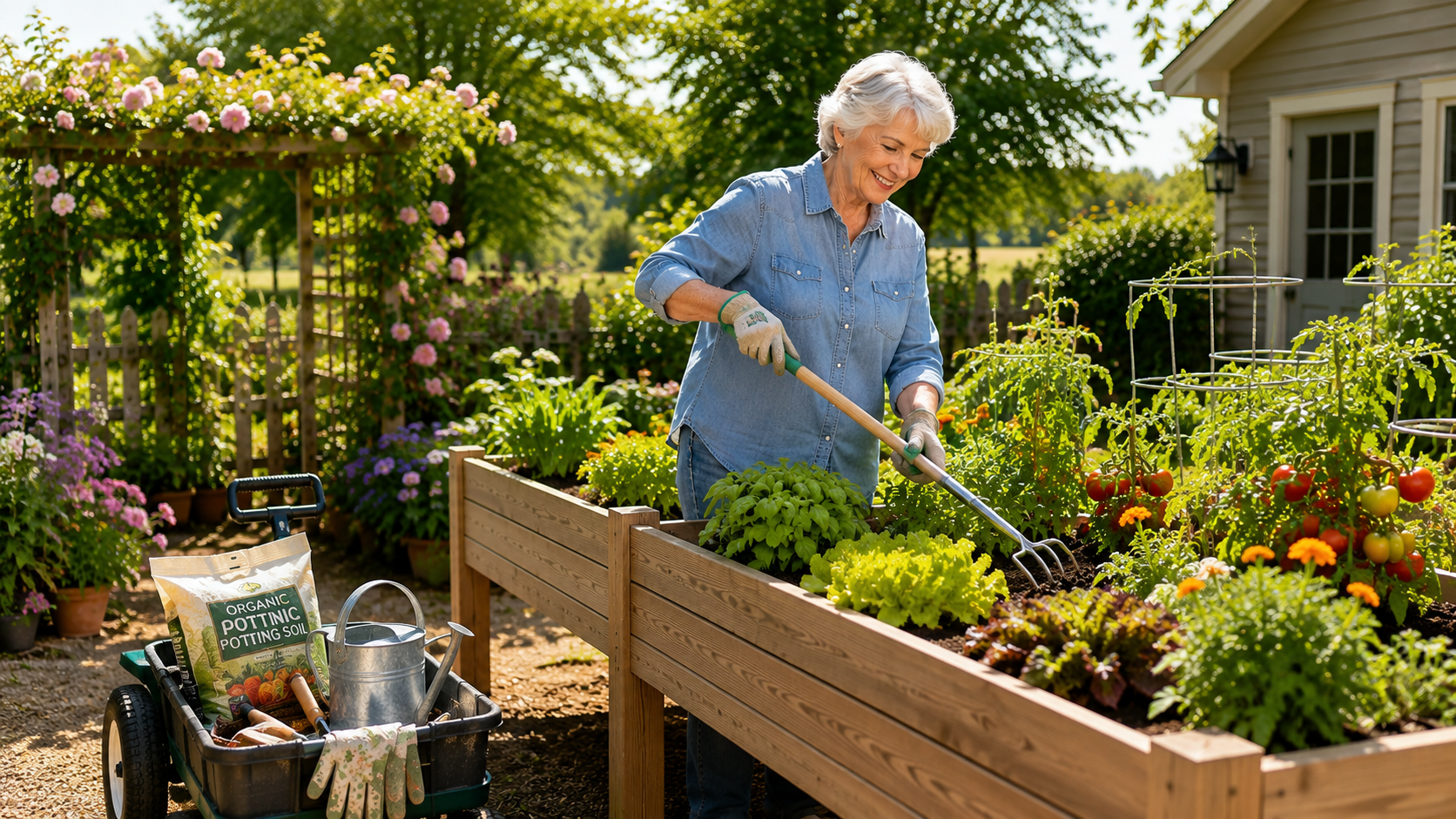
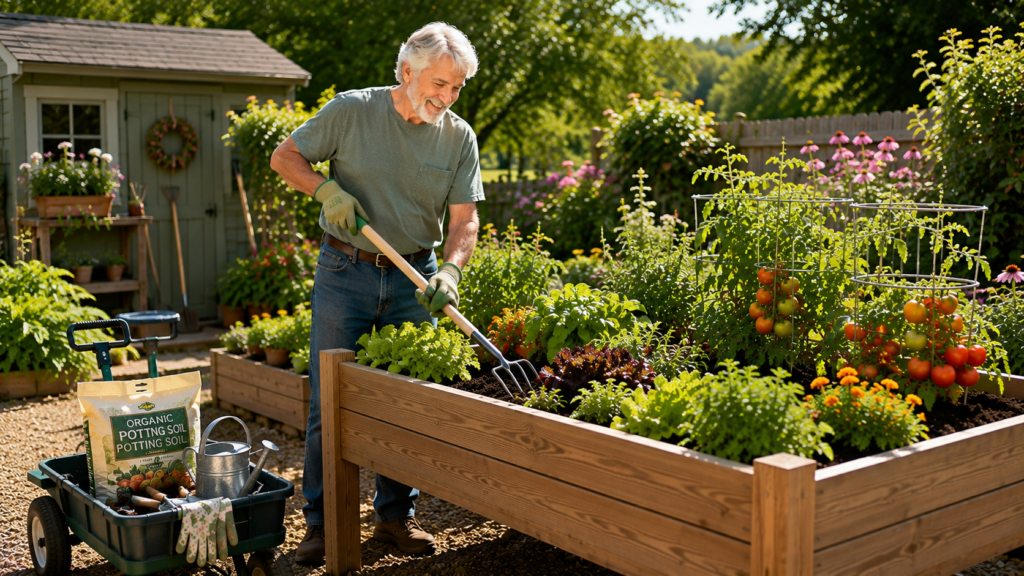
If I could recommend only one improvement for gardeners with back pain, it would be raised beds.
By lifting the garden higher off the ground, you spend far less time bending and kneeling.
Raised beds also:
- improve drainage
- warm earlier in spring
- reduce weeds
- make harvesting easier
- require less reaching
Even beds only 12 to 18 inches high can make a huge difference.
If building raised beds isn’t practical, consider elevated planters or large containers.
Use Long-Handled Gardening Tools
Many traditional hand tools force you into awkward positions.
Long-handled tools let you work while standing much more comfortably.
Look for:
- long-handled cultivators
- weed pullers
- hoes
- leaf grabbers
- stand-up bulb planters
The less you bend, the happier your back will be.
Lift Smarter Instead of Harder
Back injuries often happen during lifting, not gardening.
Whenever possible:
- Buy smaller bags of soil or mulch.
- Divide heavy loads into several lighter trips.
- Lift with your legs instead of your back.
- Hold heavy items close to your body.
- Ask for help with very heavy materials.
I learned that there’s no prize for carrying a 40-pound bag by myself.
Today, I either buy smaller bags to use and ask someone at the garden center to help load them into my cart.
It saves my back every time.
Pace Yourself Instead of Trying to Finish Everything at Once
One of the biggest lessons I’ve learned is that gardening is not a race.
When I was younger, I’d spend an entire Saturday working outside. These days, my back reminds me that’s no longer a good idea.
Now I garden in shorter sessions.
Working for 20 to 30 minutes, followed by a short break, helps prevent stiffness and muscle fatigue. During those breaks, I’ll grab a drink of water, admire the garden, or plan my next task.
Surprisingly, I often accomplish more because I’m not exhausted halfway through the day.
Remember, your garden will still be there tomorrow.
Stretch Before and After Gardening
Most people stretch after exercise but forget that gardening is exercise too.
Before heading outside, spend a few minutes gently loosening your muscles.
Simple stretches can help improve flexibility and reduce the chance of injury.
Focus on your:
- lower back
- hamstrings
- hips
- shoulders
- calves
After gardening, repeat a few gentle stretches to help prevent stiffness later in the day.
Always stretch slowly and stop if something causes pain.
Use Equipment That Does More of the Work
Today’s gardening tools are much easier on your body than older designs.
Some of my favorite back-saving helpers include:
- Rolling garden seats
- Garden kneelers with handles
- Four-wheel garden carts
- Lightweight hoses
- Hose reels
- Battery-powered pruners
- Long-handled weeders
These tools don’t make gardening easier because we’re getting older.
They make gardening smarter.
There’s no reason to work harder than necessary.
Organize Your Garden to Reduce Walking and Lifting
Good garden design can reduce unnecessary work.
Think about how often you carry tools back and forth or walk across the yard looking for supplies.
Keeping frequently used items close together saves both time and energy.
Consider:
- storing tools near the garden
- placing watering cans close to raised beds
- grouping plants with similar watering needs
- using mulch to reduce weeding
- installing drip irrigation if possible
Small improvements add up over an entire gardening season.
Listen to Your Body
One of the hardest lessons for gardeners is learning when to stop.
There’s a difference between feeling pleasantly tired and feeling pain.
Pain is your body’s way of asking for a break.
If your back starts hurting, don’t try to push through it.
Instead:
- change tasks
- stretch
- sit for a few minutes
- finish another day
Taking a short break today may prevent several painful days tomorrow.
Helpful Gardening Tools for Back Pain
Several products can make gardening much more comfortable.
Consider adding:
- Raised garden beds
- Elevated planter boxes
- Rolling garden seat
- Garden kneeler with handles
- Long-handled cultivator
- Stand-up weeder
- Garden cart
- Lightweight expandable hose
- Ergonomic hand tools
- Foam kneeling pad
Choose tools that fit your garden and your budget. Even one or two new tools can make a noticeable difference.
🌿 Trusted Gardening Resources
Enjoying your garden is easier when you have the right tools. These trusted gardening products can help reduce strain on your shoulders, protect your joints, and make everyday gardening tasks safer and more comfortable.
Whether you’re dealing with arthritis, recovering from surgery, or simply looking for easier ways to garden, these are products worth considering.
My Favorite Tools for Easier, Safer Gardening
Gardening should not leave you hurting for days. I put together this collection of senior-friendly gardening tools, raised planters, and helpful accessories. I own and use several of them myself, while others were chosen because they may reduce bending, lifting, gripping, and reaching.
-
 $14.43Buy Now
With Ultra Sharp Japanese Steel Titanium Blade, Arthritis Friendly
We earn a commission if you make a purchase, at no additional cost to you.
09/27/2026 09:39 pm GMT -
 Buy Now
LifeFone Medical Alert System
Be prepared for any injury, disaster, health problem.
We earn a commission if you make a purchase, at no additional cost to you.
-
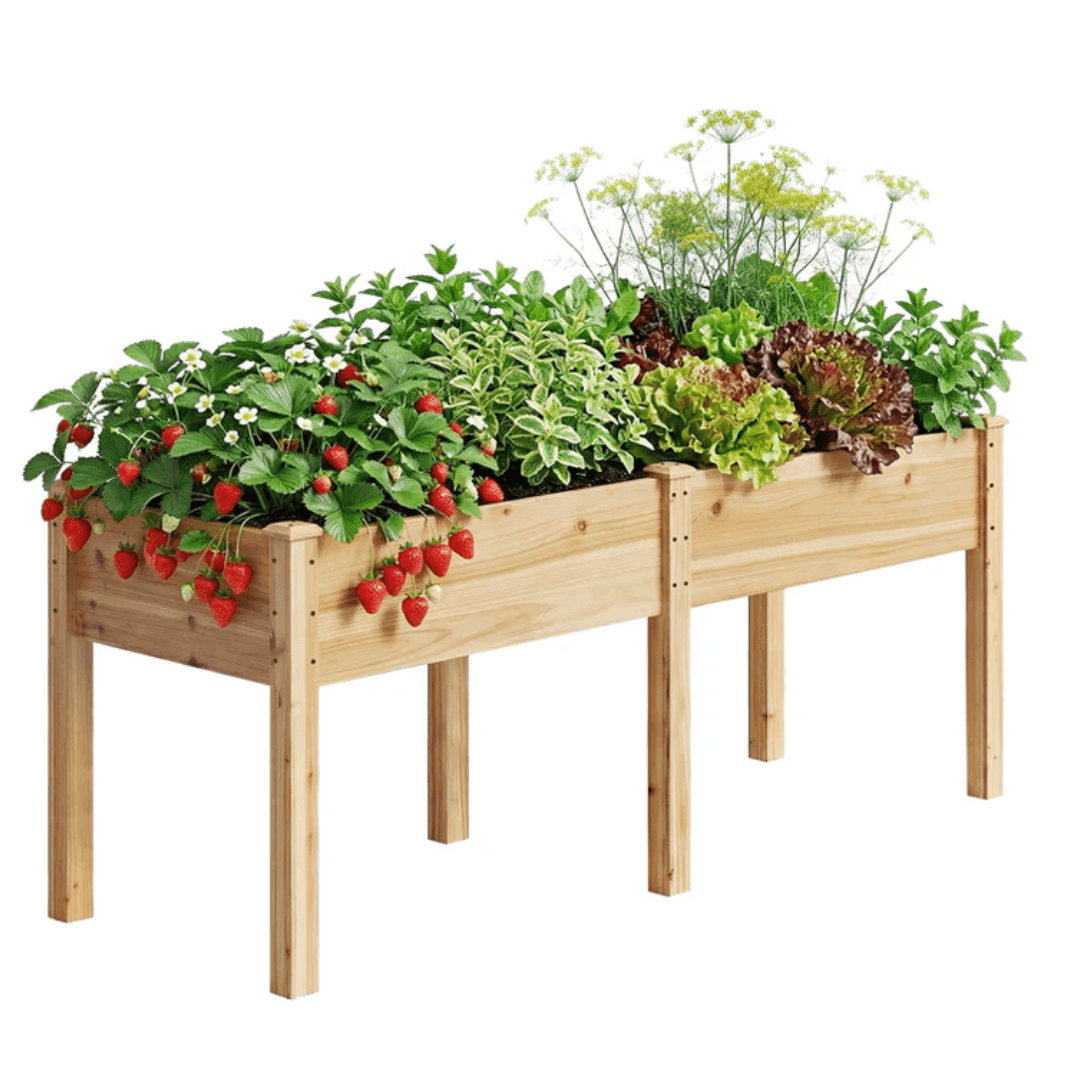 $109.99Buy Now
72" x 26 X 30" Wooden Raised Garden Bed with Legs, Elevated Reinforced Planter Box with Divider Panel & Drainage Holes, Natural Fir Wood Garden Planter for Vegetables, Herbs, Flowers, Patio, Balcony & Backyard
We earn a commission if you make a purchase, at no additional cost to you.
-
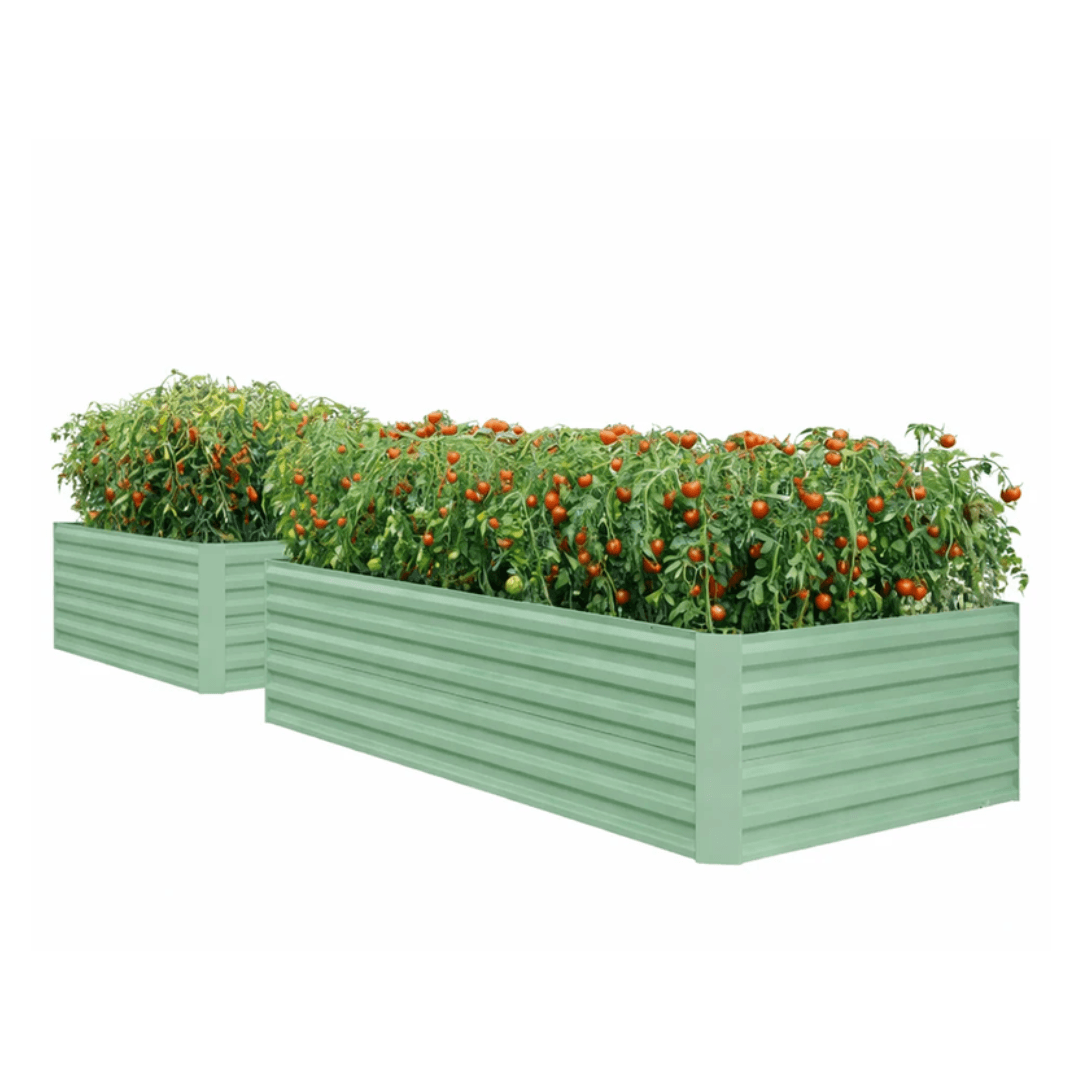 $157.99Buy Now
24-Inch Deep Open-Bottom Planter Boxes for Vegetables, Herbs & Flowers
We earn a commission if you make a purchase, at no additional cost to you.
-
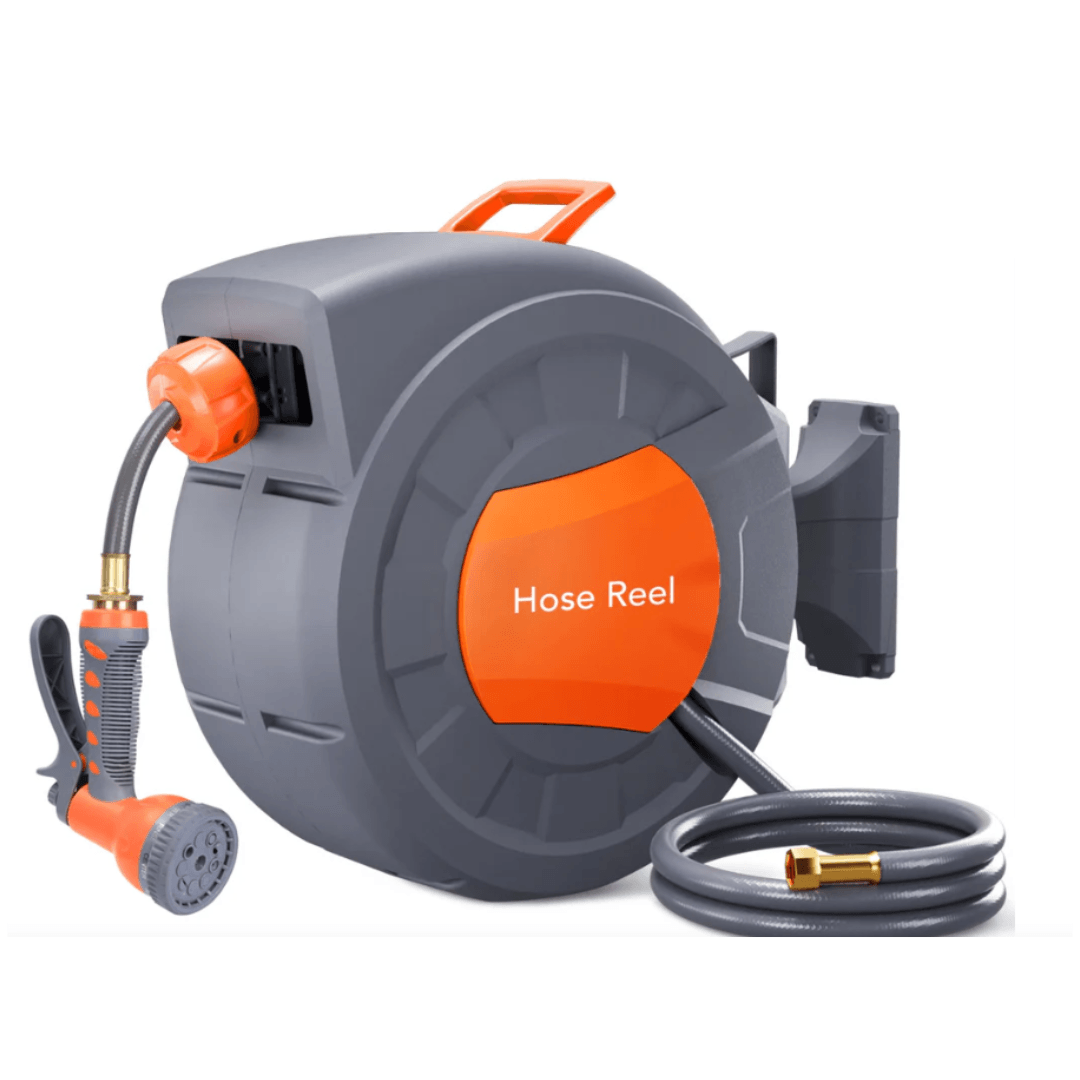 $89.99Buy Now
Garvee 1/2 in × 100 ft Retractable Garden Hose Reel, Wall Mount Auto Rewind, 9-Pattern Nozzle
We earn a commission if you make a purchase, at no additional cost to you.
-
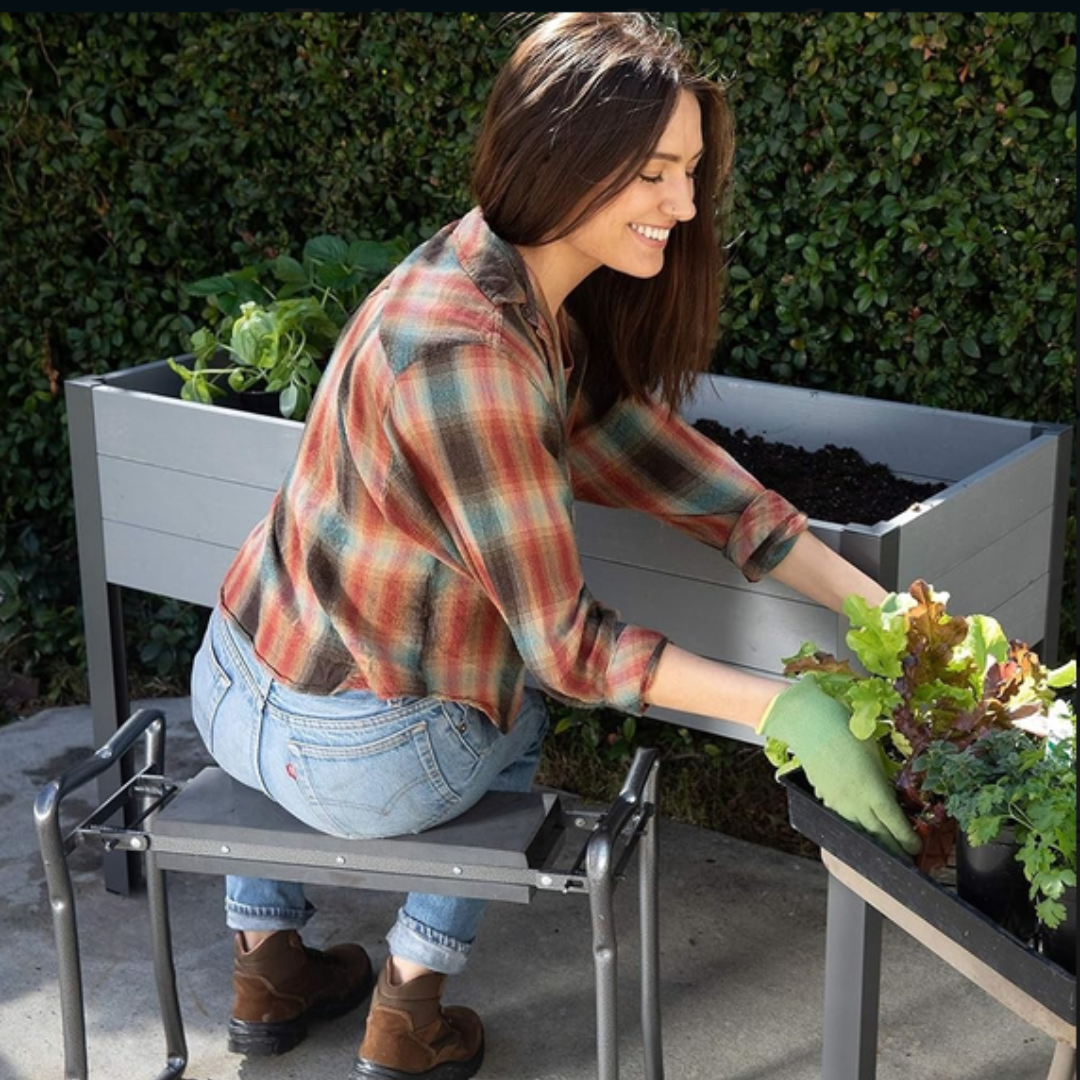 Buy Now
Converts from a comfortable bench for sitting to a cushioned kneeler by simply flipping it over.
We earn a commission if you make a purchase, at no additional cost to you.
-
 $16.99Buy Now
Beach Hiking Summer Wide Brim UPF 50+ Outdoor Protection Foldable Bucket Hat Beige, One Size
I own 2 of these! I even wear it in the pool.
We earn a commission if you make a purchase, at no additional cost to you.
09/27/2026 09:58 pm GMT -
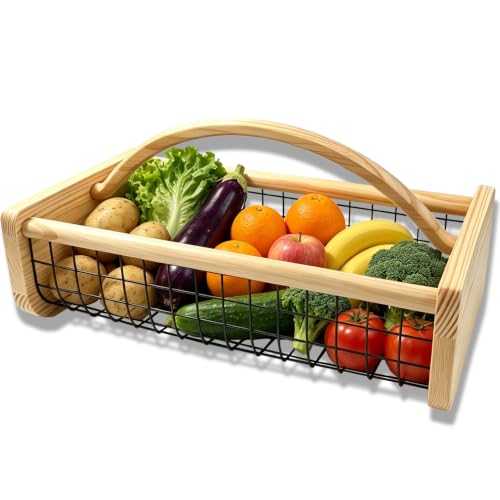 $38.99Buy Now
With Bent Solid Handle and Coated Mesh, Rinse & Deain Fresh Produce Easily for Kitchen and Outdoor Pick...
We earn a commission if you make a purchase, at no additional cost to you.
09/10/2026 12:11 am GMT -
 $6.99Buy Now
Super-sharp. Orange 1-Pack
I own 2 of these, 'cuz I use them everywhere!
We earn a commission if you make a purchase, at no additional cost to you.
09/27/2026 10:00 pm GMT -
 $57.94Buy Now
Heavy-Duty Tree Trimmer for Thick, Dry, Dead Branches, Ratchet Design Compounds Force for Easy Use, Low-Friction Steel Blades
We earn a commission if you make a purchase, at no additional cost to you.
09/27/2026 10:01 pm GMT -
 $28.99Buy Now
I LOVE THIS!: Fiskars 15-Inch Anvil PowerGear Super Pruner glides through branches up to 1.25" thick for easy cuts on dry, dead growth; trim tree branches to maintain your yard and garden and maintain overall plant health and appearance.
This is so light to carry around while you work.
We earn a commission if you make a purchase, at no additional cost to you.
09/27/2026 10:03 pm GMT -
 $14.80Buy Now
I OWN 2 PAIR OF THESE! Hand Protection with Touch Screen for Gardeners, Farmers, Landscapers and Movers
We earn a commission if you make a purchase, at no additional cost to you.
09/27/2026 10:04 pm GMT -
 $109.90Buy Now
400lbs Weight Capacity, Gardening Cart Bench, Ergonomic Backrest & Tool Storage, for Yard, Patio
We earn a commission if you make a purchase, at no additional cost to you.
09/27/2026 10:05 pm GMT -
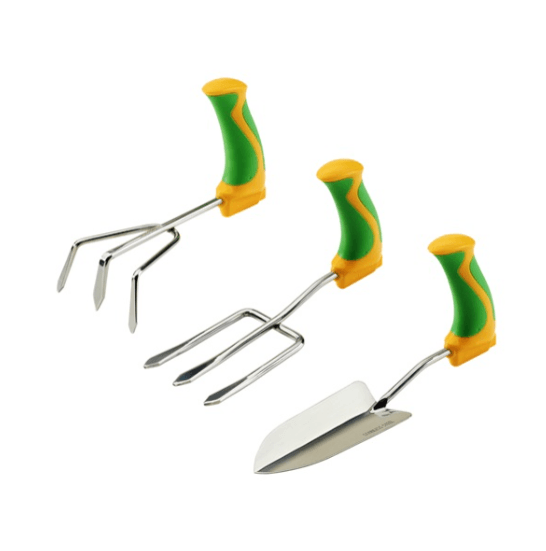 $59.95Buy Now
Upright handle, ergonomic hand tools set
Set of 3 adapted gardening tools with patented handle design.
We earn a commission if you make a purchase, at no additional cost to you.
-
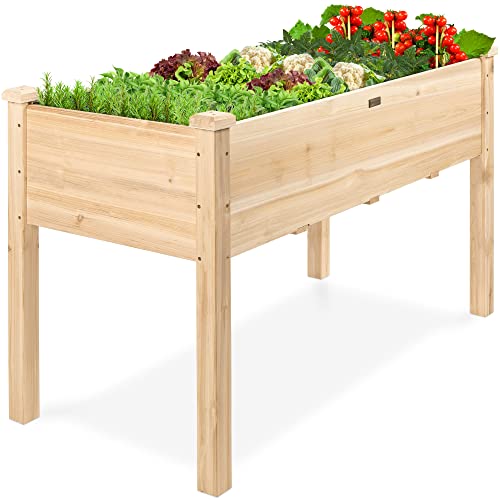 $99.99Buy Now
for Backyard, Patio, Balcony with Bed Liner, 200 Pound Capacity - Natural
We earn a commission if you make a purchase, at no additional cost to you.
09/27/2026 09:52 pm GMT

Why This Matters for Preparedness
Growing even part of your own food is an important preparedness skill.
Fresh vegetables, herbs, and fruits can supplement your pantry, reduce grocery costs, and increase your self-reliance.
If back pain forces you to stop gardening, you may lose those benefits.
Finding ways to garden comfortably helps you stay active, remain independent, and continue producing food for yourself and your family.
Preparedness isn’t about doing everything the hard way.
It’s about finding practical ways to keep doing the things that matter.
Final Thoughts
Back pain doesn’t have to mean the end of your gardening days.
I’ve learned that making small adjustments often brings big rewards. Raised beds, better tools, smarter lifting, and shorter work sessions have allowed me to keep gardening even when my back reminds me to slow down.
Your garden doesn’t have to be perfect.
It simply needs to bring you joy.
Work at your own pace, listen to your body, and remember that every tomato, flower, or herb you grow is something to be proud of.
The goal isn’t to garden the way you did twenty years ago.
The goal is to keep gardening for many years to come.
🌱 Continue the Gardening without Pain Series
Every gardener faces different physical challenges, but that doesn’t mean giving up a hobby you love.
Explore the rest of the Gardening without Pain series for practical tips on adapting your garden, protecting your joints, and staying active for years to come.
Articles in the Series
- 🌱 Raised Bed Gardening for Seniors
- 💪 Gardening with Shoulder Pain
- 🪴 Gardening with Back Pain
- 🦵 Gardening with Knee Pain
- 🚶 Gardening with Hip Pain
- ✋ Gardening with Weak Hands
- 🩹 Gardening with Arthritis
- 🌼 Gardening after a Stroke
- ♿ Gardening with Limited Mobility
- 🌿 Gardening with Parkinson’s Disease
- ♿ Best Ergonomic Gardening Tools for Seniors
- 🌱 Planning Your First Senior-Friendly Vegetable Garden
👉 Visit the Smart Gardening for Seniors Hub
Part of the Smart Gardening for Seniors: Growing More. Hurting Less. Series
Discover more practical gardening tips for shoulder pain, back pain, knee pain, hip pain, arthritis, and other challenges that affect senior gardeners.
FAQs
Can gardening make back pain worse?
Yes. Repeated bending, lifting, and twisting can aggravate existing back problems. Using proper techniques and supportive tools can significantly reduce strain.
Is a raised garden bed worth it?
For many gardeners with back pain, absolutely. Raised beds reduce bending, kneeling, and reaching, making gardening much more comfortable.
What gardening tools are easiest on your back?
Long-handled tools, rolling garden seats, garden kneelers with handles, and lightweight garden carts are among the most helpful options.
How long should I garden at one time?
Many gardeners find that working for 20 to 30 minutes followed by a short break helps reduce fatigue and stiffness.
Should I wear a back brace while gardening?
Some people find back braces helpful during heavier tasks. However, it’s best to discuss long-term brace use with your healthcare provider.
Is gardening good exercise if you have back pain?
Often, yes. Gardening provides gentle movement, stretching, and light strength training. The key is using proper techniques and avoiding activities that increase pain.
What About You?
Do you garden with back pain? I’d love to hear what has worked for you. Share your favorite back-saving gardening tips or tools in the comments. Your ideas may help another gardener continue enjoying the hobby they love.