
Planning Your First Senior-Friendly Vegetable Garden
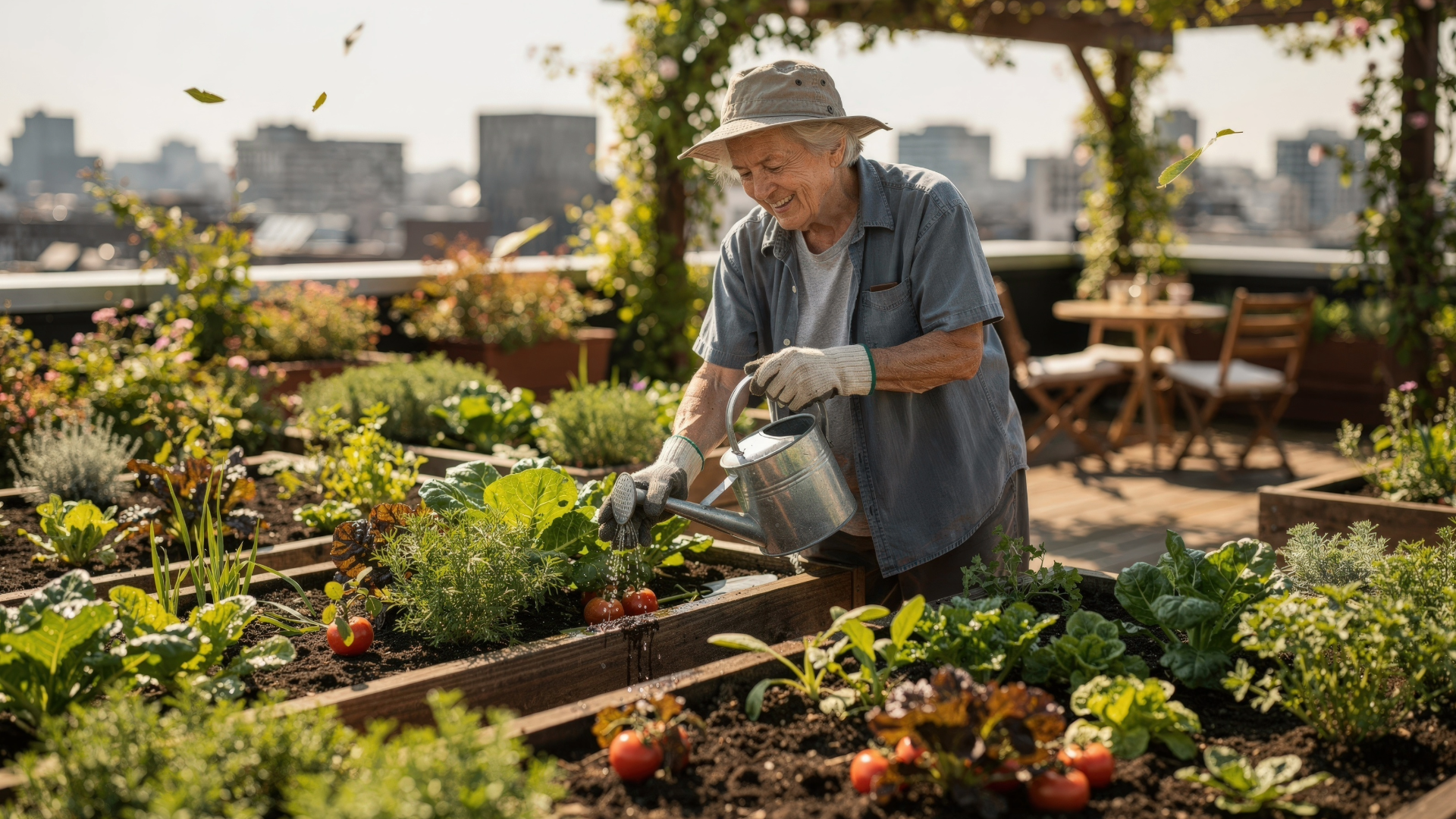

🌱 From My Garden
I know how frustrating it is when gardening leaves you sore for days.
I don’t write these articles because I read about them. I write them because I’ve lived them. Between multiple shoulder surgeries, including two left shoulder replacements, chronic back pain, knee surgery, and surgeries on my right hand for carpal tunnel syndrome and Dupuytren’s contracture, and most recently, breast cancer surgeries, I’ve had to learn how to keep gardening without making my pain worse.
The tips I share come from real experience, along with research and current gardening best practices. My goal is simple: help you keep gardening safely, comfortably, and for many years to come.
A Vegetable Garden Should Fit the Gardener
There is something special about walking outside and picking food for dinner from your own garden.
A few tomatoes, peppers, lettuce leaves, green beans, or fresh herbs may not seem like much when you first plant them. But once you start eating food you grew yourself, it is easy to understand why vegetable gardening can become a lifelong habit.
The problem is that many traditional vegetable gardens were designed around one assumption: the gardener can bend, kneel, dig, lift, carry, weed, and walk back and forth without giving much thought to it.
That may have worked when we were younger.
As senior gardeners, we can do something smarter.
Instead of forcing ourselves to work around the garden, we can design the garden to work around us.
That means thinking about how far we have to walk, how low we have to reach, where the water comes from, how much soil we need to move, and how much maintenance we’re willing to do before we ever put a seed in the ground.
Your first senior-friendly vegetable garden doesn’t need to be large.
In fact, I think starting small is one of the smartest decisions you can make.
A smaller garden that you can comfortably maintain will produce far more enjoyment, and often more food, than an enormous garden that becomes overwhelming by July.
Start with Comfort, Then Add the Vegetables
Before deciding whether to grow tomatoes or green beans, decide what kind of garden will be easiest for you to maintain.
Can you comfortably bend to ground level? Would raised beds help? Would containers be easier? How far is the garden from your water source? Is there a place to sit nearby? Can you reach both sides of the bed without stretching?
A senior-friendly vegetable garden begins with those questions.
Once the garden fits your body, choosing what to grow becomes the fun part.
TL;DR for Seniors: Planning Your First Vegetable Garden
Your first vegetable garden doesn’t need to be large or complicated. Start with a sunny location close to water, choose a gardening style that minimizes bending and lifting, and grow a small number of vegetables you actually enjoy eating.
🌿 Key Points:
✅ Start smaller than you think you need.
✅ Choose a location with plenty of sunlight.
✅ Keep the garden close to your house and water source when possible.
✅ Use raised beds or containers if ground-level gardening is uncomfortable.
✅ Make paths wide, level, and easy to walk.
✅ Keep beds narrow enough to reach without stretching.
✅ Grow vegetables you actually eat.
✅ Choose productive plants that earn their space.
✅ Plan watering before planting.
✅ Use mulch to reduce weeds and watering.
✅ Keep frequently used tools nearby.
✅ Include a comfortable place to sit and rest.
✅ Expand next season only if this year’s garden was comfortable to manage.
🌻 Takeaway: Don’t build the biggest vegetable garden you can fit. Build the smallest garden that can comfortably grow the food you want.
Continue reading for detailed tips, helpful tools, and practical techniques that can help you garden more comfortably and confidently.
Tip 1: Decide What You Want from Your Vegetable Garden
Before buying lumber, containers, soil, or seeds, ask yourself a simple question.
Why do I want a vegetable garden?
There isn’t one correct answer.
Maybe you want fresh tomatoes that actually taste like tomatoes.
Perhaps you want salad greens and herbs right outside the kitchen.
You may want to reduce your grocery bill, grow some of your own food for preparedness, or simply spend more time outdoors.
Your goal determines the garden.
Someone who wants fresh herbs and salad ingredients may need only a few containers.
Someone who wants tomatoes, peppers, squash, and beans for summer meals may want one or two raised beds.
A gardener interested in food preservation and preparedness may eventually want considerably more growing space.
But eventually is the important word.
Your first garden doesn’t need to accomplish everything.
Learn what your body, property, climate, and schedule can comfortably handle.
Then expand.
Tip 2: Start Smaller Than You Think
This is probably the advice new gardeners ignore most often.
A freshly prepared garden in spring looks wonderfully manageable.
Then everything grows.
So do the weeds.
The weather gets hotter.
Plants need watering.
Tomatoes need support.
Vegetables need harvesting.
Insects discover the buffet.
Suddenly that charming little garden has become a job.
For a first vegetable garden, I would much rather see you succeed with one or two raised beds, several large containers, or a modest in-ground plot than struggle with a huge garden.
You can always add another bed next year.
You cannot easily make an overgrown 30-by-40-foot vegetable garden disappear in July.
Think in Terms of Maintenance, Not Square Feet
Garden size doesn’t tell the whole story.
Ten containers scattered around a large property may require more walking than one raised bed near the house.
A small garden with bare soil may require more weeding than a larger garden with good mulch.
A garden 200 feet from the nearest faucet may become far more work than one beside a water source.
So don’t ask only:
How big should my vegetable garden be?
Ask:
How much work will this garden create?
That is the better question.
Want to reduce the work even further? See Planning a Low-Maintenance Garden: Grow More While Working Less for more ways to cut down on watering, weeding, bending, lifting, and other routine garden chores.
Tip 3: Put the Garden Where You’ll Actually Use It
Vegetables generally need substantial sunlight to grow and produce well. For many common vegetables, a location receiving roughly six or more hours of direct sun is a good starting point.
But sunlight isn’t the only consideration.
For a senior-friendly garden, convenience matters too.
If possible, place the garden where you can see it and reach it easily.
A garden near the house is easier to check.
You’ll notice when a tomato needs picking.
You’ll see when a container looks dry.
You’ll be more likely to pull three weeds when you walk past instead of waiting until there are 300.
And you won’t have to walk across your entire property every time you want a handful of basil.
Watch the Site before You Build
Before constructing a permanent raised bed, watch the area for a few days.
Where does the morning sun hit?
What about afternoon sun?
Does water collect there after rain?
Are tree roots nearby?
Is the ground level?
Can you get a cart or wagon to the area?
Where is the nearest faucet?
Those questions aren’t exciting.
But answering them now can prevent years of frustration.
Tip 4: Put Water near the Top of Your Planning List
Water is one of the biggest recurring jobs in a vegetable garden.
You may prepare the soil once or twice a year.
You may plant once each season.
But during hot, dry weather, you may need to deal with watering repeatedly.
So before planting anything, figure out:
How am I going to get water to this garden?
If your answer is:
“I’ll carry watering cans from the house,”
think again.
Water is heavy.
One U.S. gallon weighs a little over eight pounds. A two-gallon watering can can therefore weigh well over 16 pounds before you even count the container.
There is no reason to turn watering into weight training.
A nearby faucet, lightweight hose, drip irrigation, soaker hose, or simple irrigation system can eliminate a tremendous amount of carrying.
I’ve used a lightweight expandable hose for years because I find it much easier to move around than a heavy traditional hose.
Whatever system you choose, plan it before the plants are thirsty.
Tip 5: Choose the Gardening Style That Fits Your Body
There is no rule saying vegetables have to grow in rows in the ground.
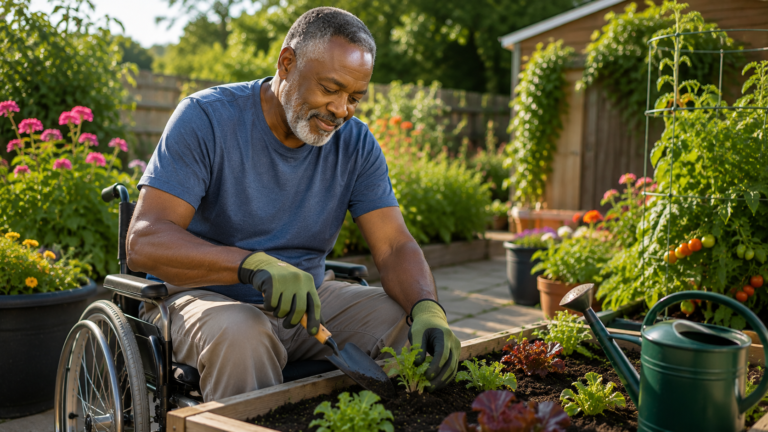
Your vegetable garden might consist of raised beds.
Or containers.
Or elevated planters.
Or vertical trellises.
Or a combination of all four.
In-Ground Gardens
Traditional in-ground gardening is inexpensive and works beautifully for many people.
But it usually involves more bending and may require tilling, digging, kneeling, and weed control.
If you can comfortably work at ground level, there is no reason to abandon it.
If you can’t, don’t force yourself.
Raised Beds
Raised beds bring the soil closer to you.
That can reduce bending and make the garden easier to organize.
They also allow you to control the soil more easily and create defined paths around the growing area.
But height matters.
A six-inch raised bed technically qualifies as “raised,” but it isn’t going to eliminate much bending.
If accessibility is the goal, consider a bed tall enough to make a meaningful difference.
Containers
Containers are one of the easiest ways to start small.
You can grow tomatoes, peppers, lettuce, herbs, strawberries, radishes, bush beans, and many other crops without creating a traditional garden plot.
Containers can also be placed close to the house and raised onto sturdy stands when appropriate.
Vertical Gardening
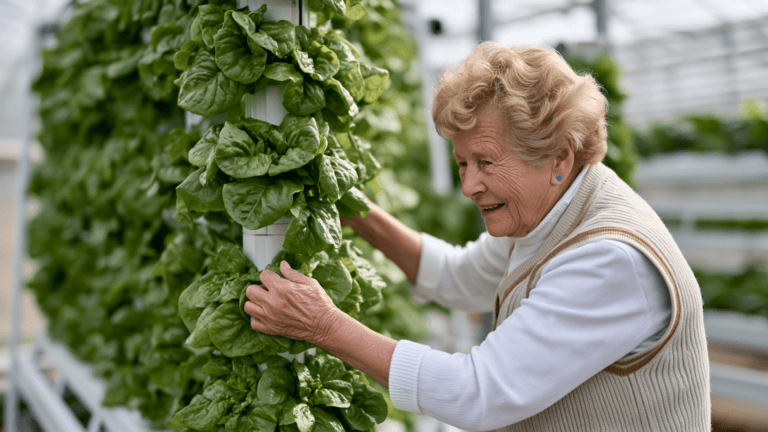
Growing upward can save space and bring some of the harvest closer to a comfortable working height.
Pole beans, cucumbers, peas, and some squash can be trained vertically.
A trellis can also keep sprawling plants out of pathways.
Mix or Match
You don’t have to choose only one system.
You might grow tomatoes in raised beds, herbs in containers near the kitchen, cucumbers on a trellis, and squash in the ground.
That’s often the smartest approach.
Put each crop where it is easiest for you to grow and maintain.
Tip 6: Get the Height and Reach Right
One of the easiest mistakes to make with a raised bed is making it too wide.
A four-foot-wide bed may work perfectly if you can comfortably reach it from both sides.
Put that same bed against a fence and suddenly the vegetables at the back are four feet away.
Now you’re leaning, stretching, and reaching.
That isn’t senior-friendly.
Before building or buying a bed, physically test your reach.
Stand or sit where you expect to garden.
Reach forward comfortably.
Don’t stretch.
That distance tells you far more than a standard raised-bed plan on the internet.
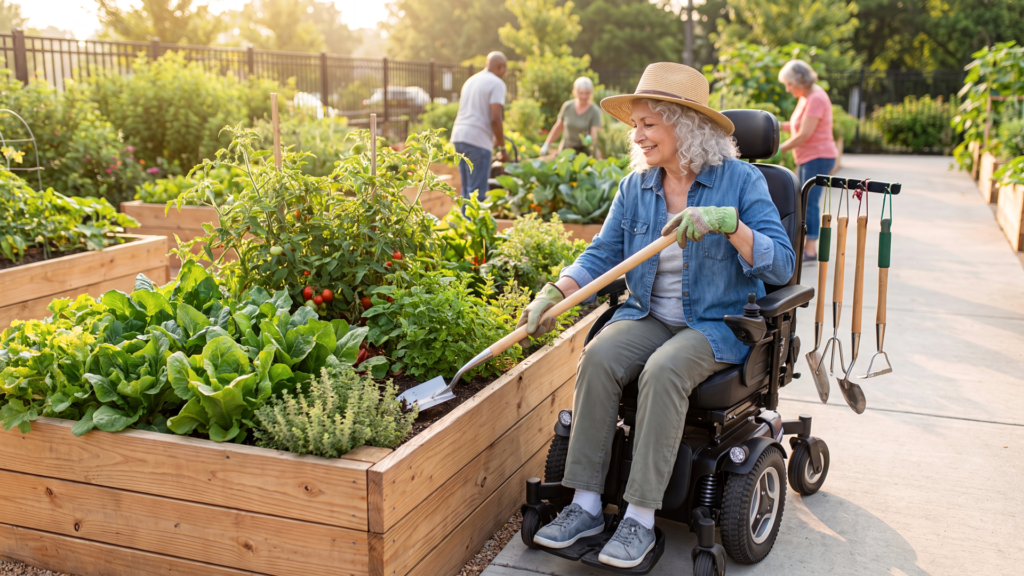
If you will garden from a wheelchair or rolling seat, test the reach from that position.
Design the bed around the gardener who will actually use it.
Tip 7: Plan the Paths before the Plants
Paths tend to be an afterthought.
They shouldn’t be.
You will use your garden paths every single time you enter the garden.
Make them wide enough for whatever you use now, and preferably whatever you might use later.
That may be a garden cart, rolling seat, walker, or wheelchair.
Avoid creating narrow spaces where you have to turn sideways or step over irrigation lines.
The surface matters too.
Loose rocks, exposed roots, holes, slippery landscape fabric, and uneven stepping stones can become tripping hazards.
A senior-friendly garden should have paths that are:
- Level
- Stable
- Wide enough to move comfortably
- Free of hoses and tools
- Easy to maintain
- Accessible with a cart or mobility aid if needed
If you use mulch on paths, keep it reasonably level rather than creating deep, loose areas that are difficult to walk through.
Tip 8: Choose Vegetables That Earn Their Space
Now we get to the fun part.
What should you grow?
Start with what you actually eat.
It sounds obvious, but gardeners are remarkably good at growing vegetables nobody in the household particularly likes.
Don’t grow six zucchini plants because zucchini is supposed to be easy if you don’t enjoy eating zucchini.
Grow food you will be excited to harvest.
For a small senior-friendly vegetable garden, I particularly like plants that either produce repeatedly or give you a worthwhile harvest from relatively little space.
Tomatoes
One healthy tomato plant can produce a surprising amount of food.
Cherry tomatoes are especially productive and easy to pick as they ripen. These are my favorite to grow, in large part because they are easy and abundant, and I have a hard time with the larger kind.
Provide support early. Wrestling a large tomato cage around a mature plant isn’t fun.
Peppers
Pepper plants don’t require much horizontal space and can continue producing for a long period in warm weather.
They also work well in containers.
I don’t grow peppers because I’m allergic to them.
Lettuce and Other Leafy Greens
Leafy greens can provide relatively quick harvests.
Instead of pulling the entire plant, some varieties can be harvested a few leaves at a time. The kind I grow can be picked like this.
In hot climates, however, many greens perform better during the cooler parts of the year. Here in Florida, I grow them during our cooler growing seasons.
Bush Beans
Bush beans don’t require a tall trellis and can produce a useful crop in a relatively compact area.
If bending to harvest them is difficult, pole beans grown vertically may actually be easier for you. Or, use raised beds for bush beans.
I’ve grown bush beans for many years, usually in several raised beds. Mine grow abundantly, and I like to pick the beans while they’re still small and tender. I think they taste much better that way!
Cucumbers
Cucumbers can take up considerable ground space if allowed to sprawl.
Put them on a trellis and suddenly they become much more manageable.
My son and I love cucumbers, although my hubby is allergic to them. I don’t grow many for that reason, but I do use them for homemade pickles.
The fruit can also be easier to spot and harvest.
Radishes
Radishes grow quickly and don’t require much space.
They can be satisfying for new gardeners because you don’t have to wait months for the first harvest.
Another veggie I grow in the Spring. I plant them around other garden vegetables.
Herbs
Don’t overlook herbs just because they aren’t the main course.
Basil, parsley, chives, thyme, rosemary, and other herbs can provide a lot of value from very little growing space.
I started growing herbs. I planted rosemary in a corrugated metal raised bed and it took over the whole thing. I put another rosemary in a bed next to the first one and it has encroached on the whole bed.
Both rosemary plants are huge and grow throughout the seasons. Besides cooking with rosemary, I love the scent and often use fresh sprigs around the house.
Put frequently used herbs near the kitchen if you can.
A garden is much more useful when harvesting dinner doesn’t require an expedition.
Tip 9: Don’t Plant Everything at Once
One of the great temptations of gardening is the seed rack.
Everything looks possible when it is printed on a colorful little packet.
Then you get home with 27 varieties.
Resist.
For your first senior-friendly vegetable garden, choose a manageable number of crops.
Learn how they grow.
Learn what pests bother them.
Learn how much water they need.
Learn which ones you actually enjoy tending.
You can always try something new next season.
Gardening is not a one-year project.
Tip 10: Make Weeding Somebody Else’s Problem
Unfortunately, I haven’t found a way to convince weeds to respect retirement.
But you can dramatically reduce the amount of time you spend dealing with them.
One of the easiest methods is mulch.
Organic mulch around established plants can help suppress weeds, conserve soil moisture, and reduce soil splashing onto vegetables.
That means fewer weeds to pull and potentially less watering.
When larger individual weeds do appear, I like using a stand-up weed puller when appropriate.
I bought my first Fiskars stand-up weeder in 2016 and another in 2026.
Anything that lets me remove a stubborn weed without repeatedly kneeling and bending earns a place in my garden.
For small weeds, deal with them early.
A tiny weed takes seconds.
A mature weed with a large root system may turn into a project.
Tip 11: Put a Seat in the Garden
This may be one of the simplest things you can do.
Give yourself somewhere to sit.
It might be a bench.
A sturdy chair in the shade.
A rolling garden seat.
Or something similar.
I’ve used a rolling garden cart with a seat since 2007. I use it instead of kneeling when I need to work lower to the ground.
A seat isn’t just for when you’re exhausted.
Use it before you’re exhausted.
Sit while doing jobs that don’t require standing.
Take a short break.
Drink some water.
Look at your garden.
We’re trying to create a garden you can enjoy, not an obstacle course you have to conquer.
Tip 12: Keep Your Tools Where You Use Them
Walking back to the garage or shed every time you need a trowel wastes both time and energy.
If possible, keep a small collection of frequently used tools near the garden.
That might include:
- Hand pruners
- Trowel
- Cultivator
- Gloves
- Plant ties
- Small harvest basket
- Water bottle
- Garden scissors
A small weather-resistant storage box can work well.
Another option is a garden cart that moves your tools with you.
This is a habit I learned long before I began thinking about senior-friendly gardening.
When I had horses, carts were part of everyday life. We used them for feed, hay, saddles, tack, and other things that didn’t make sense to carry by hand.
I still use that same philosophy around my property today.
If it can ride, let it ride.
Tip 13: Put Your First Vegetable Garden on Paper
Before buying plants, sketch your garden.
You do not need graph paper, landscaping software, or artistic talent. A piece of paper and a pencil are enough.
Mark the house, water source, garden beds or containers, paths, sitting area, and anything else that affects how you will move around the garden.
Then think about your normal routine.
Where will you enter?
Where will you put your tools?
Can you get a cart between the beds?
Can you reach the faucet easily?
Where will you put harvested vegetables while you continue working?
Can you sit down without walking all the way back to the house?
A simple sketch can reveal problems that aren’t obvious when you’re standing in an empty yard.
I wish I had done more of this when I started. Now I’m putting new containers and raised beds farther away from the darn popcorn trees. They drop so many seeds that I can end up with a thick mat of seedlings and weeds the following year. Cleaning all of that out has become too much work for me, so I’ve started moving on to better locations for new beds.
Keep Frequently Used Areas Close Together
Think of your vegetable garden as a small kitchen.
In a well-designed kitchen, you don’t put the refrigerator in one room, the sink in another, and the stove 100 feet away.
Your garden should work the same way.
The things you use together should be reasonably close together.
If possible, keep your garden, water, tools, compost, cart, and sitting area within a comfortable working zone.
Every unnecessary trip adds work.
Tip 14: A Simple First Vegetable Garden Doesn’t Need Much Space
If I were helping a senior gardener start from scratch, I would not begin with a huge garden.
I would probably start with one or two raised beds plus a few containers, depending on the gardener’s physical abilities and available space.
That is enough room to learn a tremendous amount without creating an overwhelming workload.
For example, you might have:
- One raised bed for tomatoes, peppers, and herbs
- One raised bed for beans, cucumbers, and seasonal greens
- A few containers for additional herbs or vegetables
- A trellis along one side for climbing crops
That’s already a real vegetable garden.
You don’t need 20 rows.
Leave Yourself Room to Change Things
Don’t permanently fill every available space during your first season.
You may discover that you want another raised bed.
Or you may decide two beds are plenty.
Maybe the containers get too much afternoon sun.
Perhaps you realize the hose needs to come from the opposite direction.
Your first garden will teach you things no garden plan can.
Give yourself room to learn.
Tip 15: How Many Vegetable Plants Do You Really Need?
This depends on what you eat, how much space you have, and whether you want vegetables primarily for fresh eating or food preservation.
But new gardeners often plant too much.
A few healthy plants can produce more than expected.
A Small Starter Garden Might Include
For one or two people, you might begin with something like:
- 2 tomato plants
- 2 pepper plants
- 1 cucumber plant on a trellis
- A short row or small section of bush beans
- Several lettuce or leafy green plants during cool weather
- A few radishes
- Basil
- Parsley
- Chives or another favorite herb
That is not a rigid formula.
It is an example of restraint.
If you eat tomatoes every day, plant more tomatoes.
If you hate radishes, don’t plant a single one.
If you use basil constantly, grow several basil plants.
The garden should reflect what you actually eat.
Plant for Your Kitchen, Not for Instagram
Beautiful garden photographs can make us think a vegetable garden needs 15 different crops.
It doesn’t.
A garden containing tomatoes, peppers, lettuce, beans, cucumbers, and herbs can provide a tremendous amount of useful food.
Growing six things well is better than struggling with 26.
Tip 16: Start with Good Soil
Plants need more than sunshine and water.
They need healthy soil.
If you’re growing in existing ground, a soil test can tell you much more than guessing. Your local Cooperative Extension service can usually provide information about soil testing in your area.
For raised beds and containers, use a growing mix appropriate for that purpose.
Don’t automatically fill containers with soil dug from your yard.
Container plants need a growing medium that drains properly while still holding enough moisture for plant roots.
Don’t Move More Soil Than Necessary
Soil is heavy.
Wet soil is even heavier.
If you’re filling raised beds, don’t make yourself haul dozens of heavy bags one at a time.
Have bulk soil delivered when that makes sense.
Use a cart.
Buy smaller bags if those are easier for you to handle.
Ask for help with the heavy work.
There is no reason to hurt yourself building the garden that is supposed to make your life better.
Tip 17: Mulch Early
Mulch is one of my favorite examples of doing a little work now to avoid a lot of work later.
A good layer of appropriate mulch around established plants can help suppress weeds and reduce moisture loss from the soil.
That means less weeding and potentially less watering.
Both are good things for a senior-friendly garden.
Organic mulches such as clean straw, shredded leaves, or other suitable plant material can also break down over time and contribute organic matter.
Keep mulch away from direct contact with plant stems where excessive moisture could cause problems.
And don’t pile on more simply because some is good.
You want a useful layer, not a mountain.
Tip 18: Make Watering as Automatic as You Need It to Be
Hand watering a few containers may be perfectly reasonable.
Hand watering several large raised beds during hot weather can become a chore.
This is where drip irrigation and soaker hoses can become useful.
They deliver water directly where it is needed and reduce the amount of time you spend standing with a hose.
Timers can simplify things further.
But don’t let automation make you stop looking at the plants.
A timer doesn’t know that a fitting broke.
It doesn’t know that yesterday’s thunderstorm dumped two inches of rain on the garden.
And it certainly doesn’t know that one emitter has become clogged.
Automation should reduce work.
It should not replace observation.
Water the Soil, Not the Clock
Stick a finger into the soil.
Look at your plants.
Check beneath the mulch.
Learn what your garden looks like when it needs water.
That is more useful than blindly watering because the calendar says Tuesday.
Tip 19: Use Vertical Space to Make Harvesting Easier
We already talked about vertical gardening, but it deserves another mention when planning your layout.
A trellis can do more than save space.
It can make vegetables easier to see and harvest.
Instead of hunting underneath sprawling cucumber vines at ground level, you may be able to pick cucumbers while standing.
Pole beans can put much of the crop within easy reach.
Trellised plants can also help keep vines out of pathways.
That’s useful when you’re trying to create a garden with clear, predictable walking areas.
Just don’t build a trellis so tall that the harvest ends up over your head.
We’re trying to reduce reaching, not move it in another direction.
Tip 20: Plant in Stages Instead of Creating One Giant Harvest
You don’t necessarily need to plant every lettuce seed or bean seed on the same day.
If conditions allow, plant a smaller amount and then plant another small amount later.
This is called succession planting.
It can spread the harvest over a longer period instead of giving you everything at once.
For a senior gardener, that has another benefit.
It spreads out the work.
Instead of planting 30 lettuce plants, maintaining 30 lettuce plants, and harvesting 30 lettuce plants at approximately the same time, you may be able to handle smaller groups.
Keep it simple.
You don’t need an elaborate spreadsheet.
Write the planting date on a calendar or garden notebook and make the next planting when appropriate for that crop and your climate.
Tip 21: Put the Harvest within Easy Reach
Think about harvesting when you decide where to plant.
This is especially important with vegetables that need frequent picking.
Cherry tomatoes may need attention every few days when they’re producing heavily.
Beans can hide.
Cucumbers seem capable of growing from pickle size to baseball bat while you’re looking the other way.
Put frequently harvested vegetables where you can reach them easily.
And bring a basket or container with you.
Don’t carry tomatoes in your shirt, peppers under your arm, and a cucumber in each hand while trying to navigate a garden path.
I may know this from experience. 🙂
A small harvest basket on your rolling cart or garden wagon is much easier.
Tip 22: Harvest Little and Often
One advantage of a smaller garden is that you can check it frequently without turning harvesting into an event.
Pick what is ready.
Bring it inside.
Come back tomorrow or the next day.
You don’t have to wait until there is enough produce to justify a major harvesting session.
Frequent harvesting can also encourage continued production in crops such as beans and some other vegetables.
And frankly, walking outside and finding three ripe tomatoes is one of the pleasures of gardening.
Enjoy it.
Tip 23: Give Yourself Permission to Abandon a Plant
Gardeners can be stubborn.
We nurse along a miserable tomato plant for two months because we planted it and therefore feel responsible for its happiness. (This may be me.)
Sometimes a plant isn’t worth the work.
It may be diseased.
It may be constantly attacked by insects.
It may be poorly suited to the location.
Or you may discover that you don’t even like the vegetable.
Pull it.
Use the space for something else.
Your garden is not a hospital for unproductive zucchini.
This is particularly important when you have limited energy.
Spend your gardening time on plants that are rewarding you.
Tip 24: Keep a Simple Garden Notebook
You don’t need detailed records unless you enjoy keeping them.
But write down a few things.
Record:
- What you planted
- Variety names you particularly liked
- Approximate planting dates
- What produced well
- What struggled
- Pest or disease problems
- Which containers dried too quickly
- Which bed was difficult to reach
- What you planted too much of
- What you wish you had planted more of
Your future self will thank you.
By next spring, you may be absolutely certain you’ll remember which tomato tasted wonderful.
You probably won’t.
Write it down.
Tip 25: Don’t Judge Your First Garden by Perfection
Something will fail.
I can almost promise you that.
Gardening involves weather, insects, diseases, soil, animals, timing, and a long list of things we don’t completely control.
A failed cucumber plant doesn’t mean you’re a bad gardener.
It means one cucumber plant failed.
Learn from it.
If six crops did well and two didn’t, you had a successful garden.
If you harvested your first homegrown tomato and decided you want to try again next year, you had a successful garden.
Success isn’t measured by whether your garden looks like a seed catalog.
It is measured by whether the garden gave you something worthwhile without demanding more from you than you wanted to give.
What I Would Put in a Simple Senior-Friendly Starter Garden
If I were building a small first garden for a senior who wanted fresh vegetables but didn’t want a tremendous amount of maintenance, I would keep it straightforward.
The Setup
I would start with:
- One or two raised beds at a comfortable working height
- Wide, level paths
- A nearby water source
- A lightweight hose or simple drip system
- One sturdy trellis
- A few large containers
- Mulch
- A rolling garden seat or comfortable chair
- A cart or wagon
- A small collection of ergonomic hand tools
Everything would be close enough that gardening didn’t require unnecessary trips across the property.
The Plants
I would probably start with:
- Tomatoes
- Peppers (maybe not this for me)
- Bush or pole beans
- Cucumbers grown vertically
- Seasonal leafy greens
- Basil
- Parsley
- Rosemary
- Mint (in my case since I love and use a lot. Raised beds, only!)
- A few other herbs the gardener actually uses
Then I would leave some empty space.
That’s important.
The garden doesn’t have to be filled on Day One.
Common First Vegetable Garden Mistakes
Most beginner gardening mistakes aren’t disasters.
But several can create a lot of unnecessary work.
Starting Too Big
This is probably number one.
Start small.
Expand because you want more garden, not because you built too much garden before you knew what you wanted.
Putting the Garden Too Far Away
The farther the garden is from your normal daily routine, the easier it becomes to neglect.
Convenience encourages consistency.
Forgetting about Water
A beautiful garden 200 feet from a water source may stop looking beautiful when you’re dragging hoses around in July.
Plan watering first.
Making Beds Too Wide
If you can’t reach the center comfortably, the bed is too wide for you.
Standard dimensions don’t matter.
Your reach does.
Creating Narrow Paths
Leave room for your body, cart, rolling seat, walker, or wheelchair.
You will never regret having comfortable paths.
Planting Too Much of One Vegetable
One zucchini plant can be enthusiastic.
Six zucchini plants can become a neighborhood distribution program.
Start conservatively.
Buying Too Many Tools
You don’t need every gardening gadget.
A few comfortable, well-chosen tools are better than a shed full of equipment you rarely use.
Waiting until You’re Tired to Rest
Don’t use rest as an emergency procedure.
Sit down before your body starts complaining. (Or, in my case, get in the pool.)
Drink water.
Work in shorter sessions when necessary.
The weeds will wait.
Should You Expand the Garden Next Year?
At the end of the season, don’t ask only how much food you harvested.
Ask how the garden felt.
Did you enjoy maintaining it?
Was watering manageable?
Did your back hurt after working in certain beds? (This is me – arrrgh!)
Were the paths comfortable?
Did you use all the vegetables?
Was there something you wanted to grow but didn’t have room for?
Did you frequently feel overwhelmed?
Those answers should determine whether you expand.
If the garden was comfortable and enjoyable, adding another bed next year might make sense.
If maintaining it became difficult, expansion is probably the wrong goal.
You might actually make the garden smaller and more efficient.
More garden isn’t automatically better gardening.
My Favorite Tools for Easier, Safer Gardening
Gardening should not leave you hurting for days. I put together this collection of senior-friendly gardening tools, raised planters, and helpful accessories. I own and use several of them myself, while others were chosen because they may reduce bending, lifting, gripping, and reaching.
-
 $14.43Buy Now
With Ultra Sharp Japanese Steel Titanium Blade, Arthritis Friendly
We earn a commission if you make a purchase, at no additional cost to you.
09/27/2026 09:39 pm GMT -
 Buy Now
LifeFone Medical Alert System
Be prepared for any injury, disaster, health problem.
We earn a commission if you make a purchase, at no additional cost to you.
-
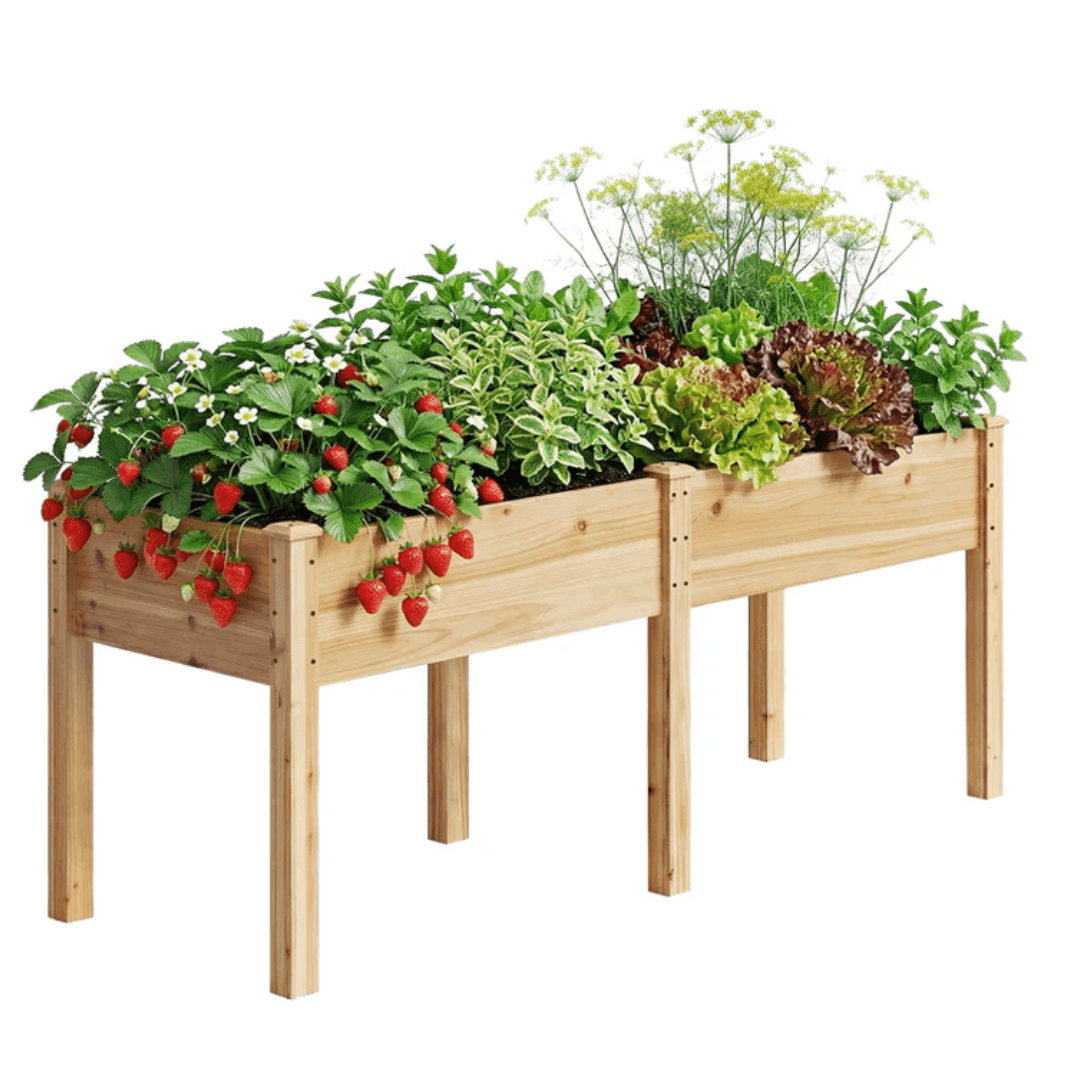 $109.99Buy Now
72" x 26 X 30" Wooden Raised Garden Bed with Legs, Elevated Reinforced Planter Box with Divider Panel & Drainage Holes, Natural Fir Wood Garden Planter for Vegetables, Herbs, Flowers, Patio, Balcony & Backyard
We earn a commission if you make a purchase, at no additional cost to you.
-
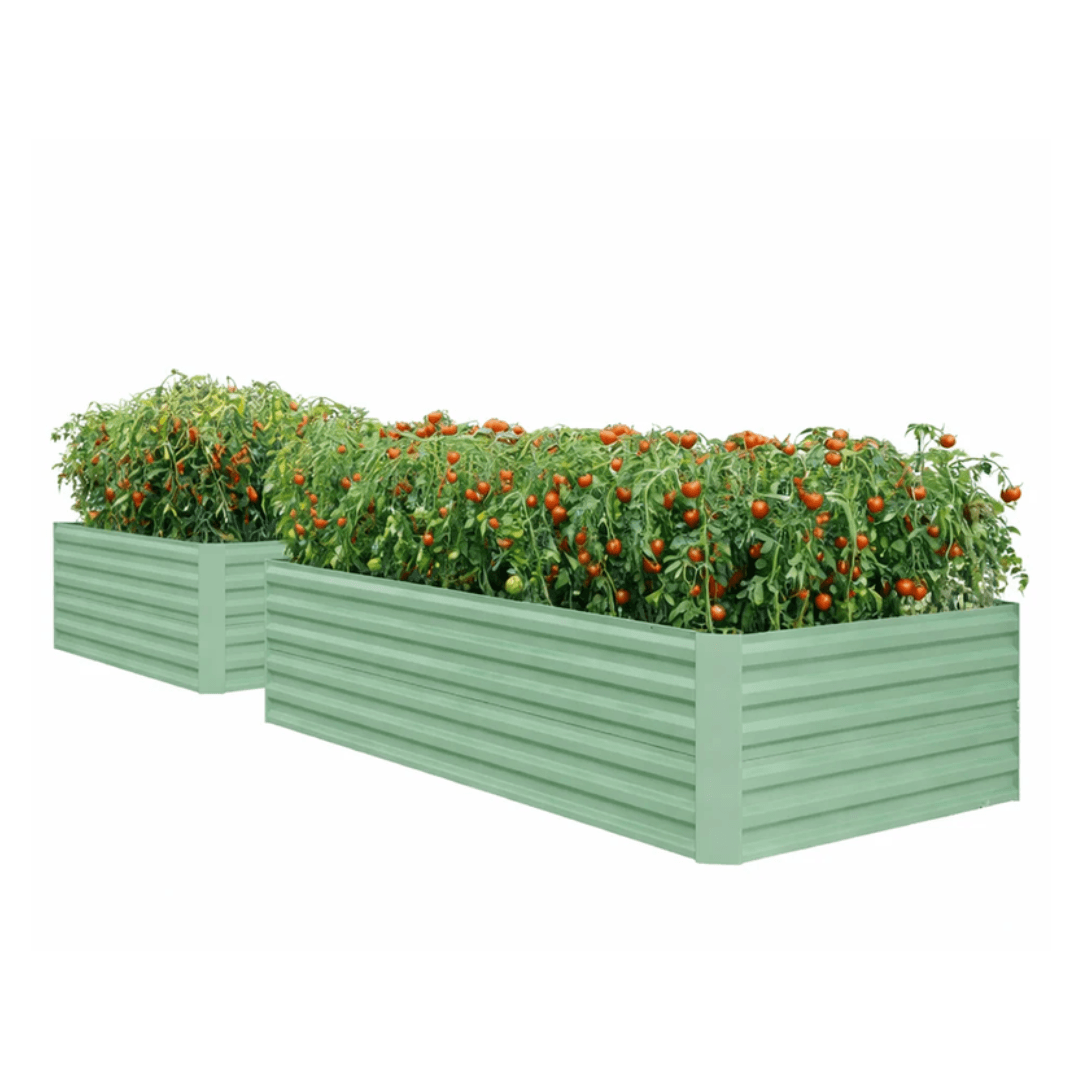 $157.99Buy Now
24-Inch Deep Open-Bottom Planter Boxes for Vegetables, Herbs & Flowers
We earn a commission if you make a purchase, at no additional cost to you.
-
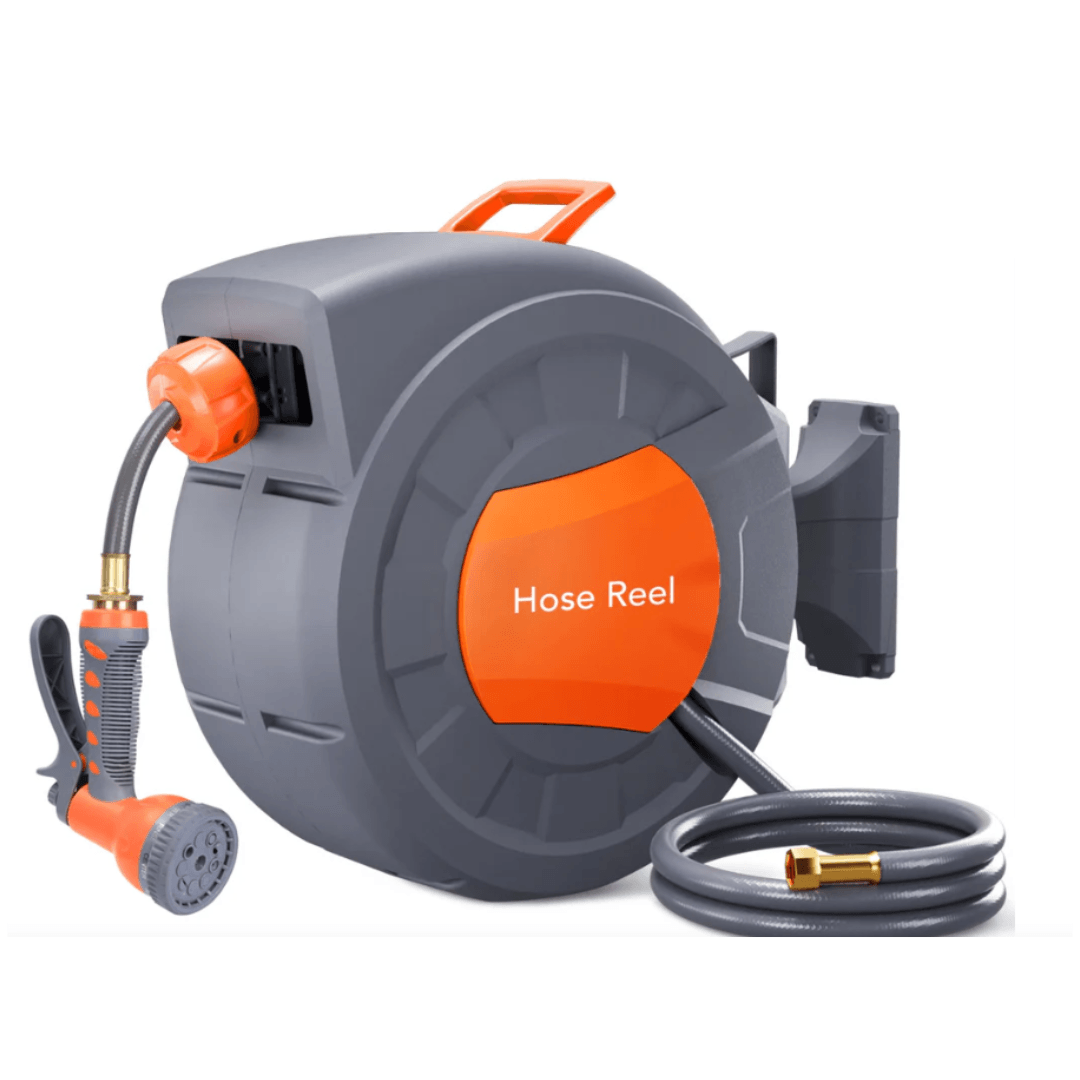 $89.99Buy Now
Garvee 1/2 in × 100 ft Retractable Garden Hose Reel, Wall Mount Auto Rewind, 9-Pattern Nozzle
We earn a commission if you make a purchase, at no additional cost to you.
-
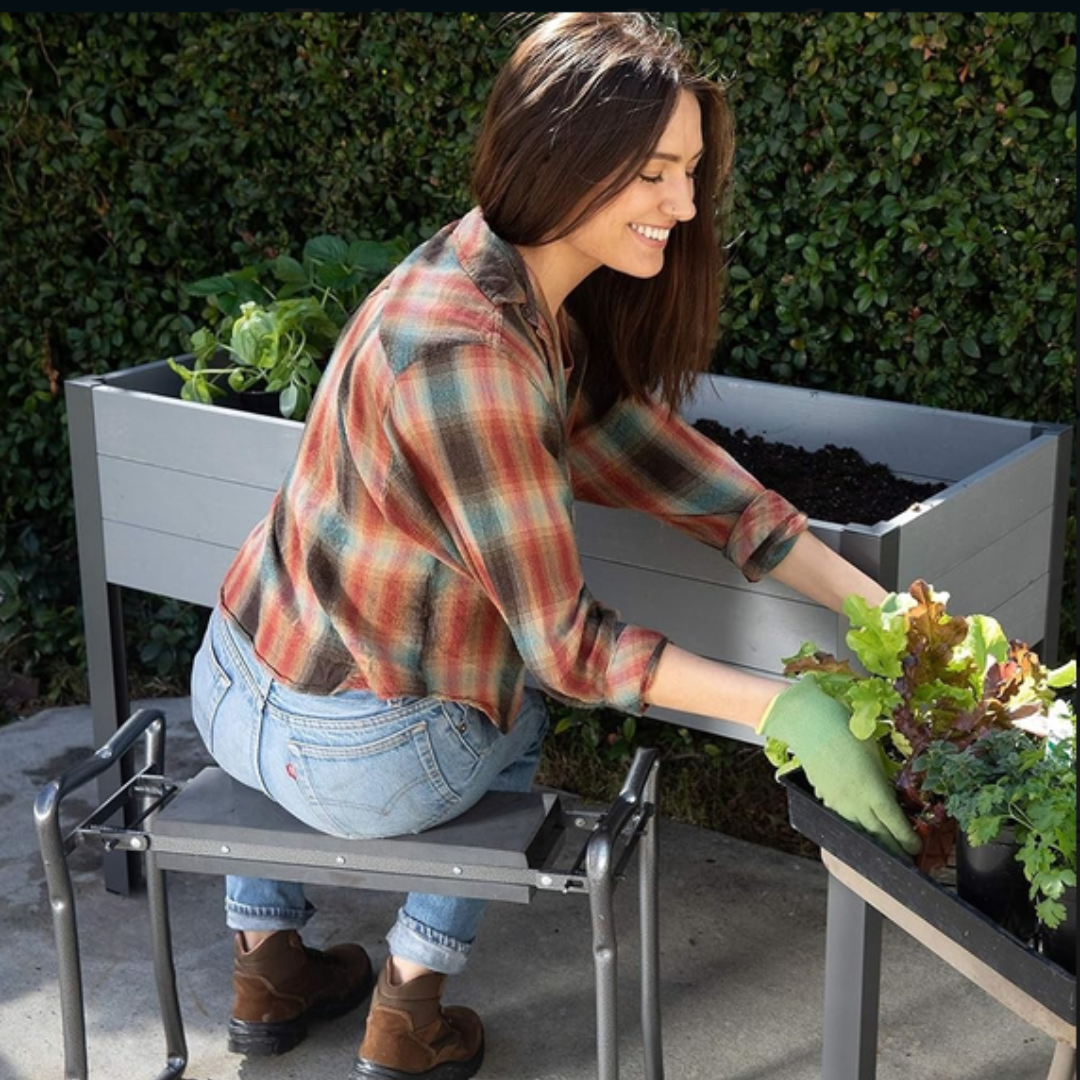 Buy Now
Converts from a comfortable bench for sitting to a cushioned kneeler by simply flipping it over.
We earn a commission if you make a purchase, at no additional cost to you.
-
 $16.99Buy Now
Beach Hiking Summer Wide Brim UPF 50+ Outdoor Protection Foldable Bucket Hat Beige, One Size
I own 2 of these! I even wear it in the pool.
We earn a commission if you make a purchase, at no additional cost to you.
09/27/2026 09:58 pm GMT -
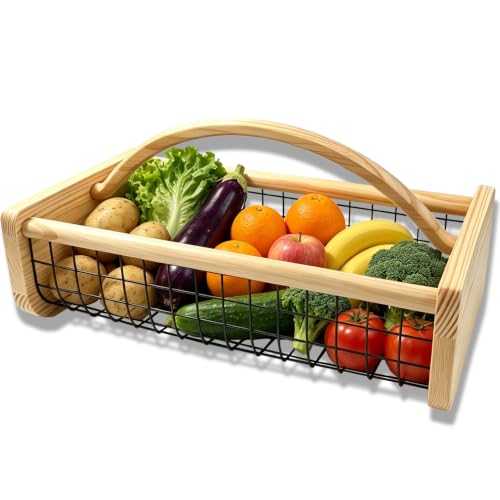 $38.99Buy Now
With Bent Solid Handle and Coated Mesh, Rinse & Deain Fresh Produce Easily for Kitchen and Outdoor Pick...
We earn a commission if you make a purchase, at no additional cost to you.
09/10/2026 12:11 am GMT -
 $6.99Buy Now
Super-sharp. Orange 1-Pack
I own 2 of these, 'cuz I use them everywhere!
We earn a commission if you make a purchase, at no additional cost to you.
09/27/2026 10:00 pm GMT -
 $57.94Buy Now
Heavy-Duty Tree Trimmer for Thick, Dry, Dead Branches, Ratchet Design Compounds Force for Easy Use, Low-Friction Steel Blades
We earn a commission if you make a purchase, at no additional cost to you.
09/27/2026 10:01 pm GMT -
 $28.99Buy Now
I LOVE THIS!: Fiskars 15-Inch Anvil PowerGear Super Pruner glides through branches up to 1.25" thick for easy cuts on dry, dead growth; trim tree branches to maintain your yard and garden and maintain overall plant health and appearance.
This is so light to carry around while you work.
We earn a commission if you make a purchase, at no additional cost to you.
09/27/2026 10:03 pm GMT -
 $14.80Buy Now
I OWN 2 PAIR OF THESE! Hand Protection with Touch Screen for Gardeners, Farmers, Landscapers and Movers
We earn a commission if you make a purchase, at no additional cost to you.
09/27/2026 10:04 pm GMT -
 $109.90Buy Now
400lbs Weight Capacity, Gardening Cart Bench, Ergonomic Backrest & Tool Storage, for Yard, Patio
We earn a commission if you make a purchase, at no additional cost to you.
09/27/2026 10:05 pm GMT -
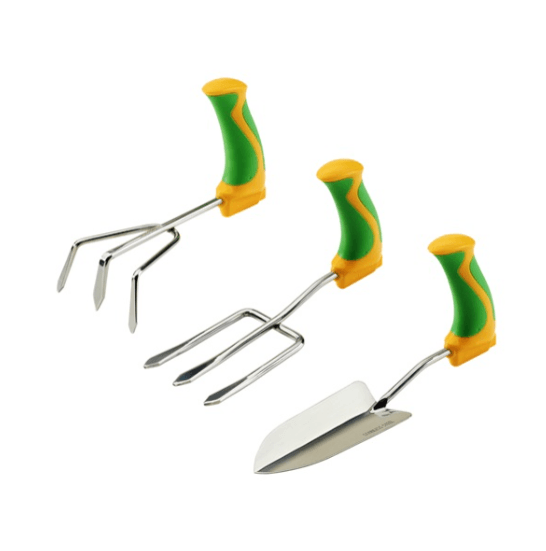 $59.95Buy Now
Upright handle, ergonomic hand tools set
Set of 3 adapted gardening tools with patented handle design.
We earn a commission if you make a purchase, at no additional cost to you.
-
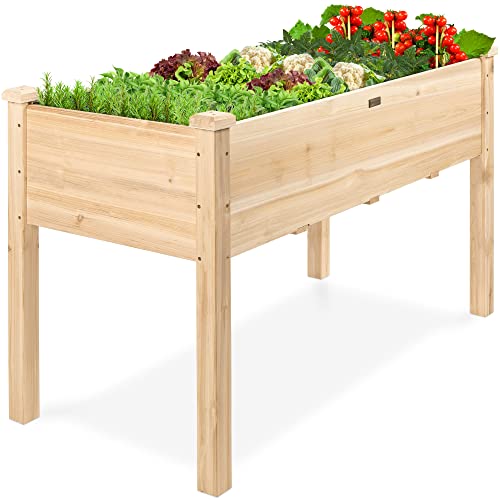 $99.99Buy Now
for Backyard, Patio, Balcony with Bed Liner, 200 Pound Capacity - Natural
We earn a commission if you make a purchase, at no additional cost to you.
09/27/2026 09:52 pm GMT

Why This Matters
Growing some of your own food can give you more than vegetables.
It can give you fresh food steps from your door.
It can help you become a little more self-reliant.
It can get you outside and give you a reason to move.
And there is a particular satisfaction in eating something you grew yourself.
But none of that requires a giant vegetable garden.
As we get older, I think the smartest garden is the one that allows us to continue gardening comfortably.
Raise the beds if you need to.
Grow tomatoes in containers.
Sit on a rolling cart instead of kneeling.
Use a lightweight hose.
Put wheels under heavy things.
Grow six vegetables instead of 26.
There is no prize for doing things the hardest possible way.
Your garden should fit your life and your body today, not the gardener you were 20 or 30 years ago.
Start small.
Learn what works.
Change what doesn’t.
Then keep growing.
🌱Continue the Smart Gardening Series
Every gardener faces different challenges. These practical guides can help you reduce pain, conserve energy, and grow more with less work.
Popular Guides
🌱 Raised Bed Gardening for Seniors
🌼 Planning a Low-Maintenance Garden
🧰 Best Ergonomic Gardening Tools for Seniors
🪶 Choosing Lightweight Garden Equipment
🛒 Garden Carts, Kneelers, and Rolling Seats
🥕 Best Vegetables to Grow for Survival
👉 See Every Smart Gardening for Seniors Article
Discover practical gardening tips that make growing vegetables, herbs, and flowers easier, safer, and more enjoyable for older adults.
FAQs
What is a good size for a first vegetable garden for a senior?
There is no single ideal size. Start with an area you can comfortably water, weed, plant, and harvest. One or two raised beds or several containers can provide plenty of growing space for a first garden. You can always expand later.
Are raised beds better for senior gardeners?
Raised beds can reduce bending and make plants easier to reach. The important factors are bed height, width, and access. A raised bed should be narrow enough that you can comfortably reach the plants without leaning or stretching.
What are some easy vegetables for senior gardeners to grow?
Tomatoes, peppers, beans, cucumbers, leafy greens, radishes, and herbs can all work well in a small garden. The best choices depend on your climate and what you enjoy eating.
How many hours of sunlight does a vegetable garden need?
Many common vegetables grow best with at least six hours of direct sunlight each day, although individual crops vary. Fruiting vegetables such as tomatoes and peppers generally benefit from abundant sun.
What is the easiest way for seniors to water a vegetable garden?
A nearby water source makes a major difference. Lightweight hoses, soaker hoses, drip irrigation, and timers can reduce carrying and time spent hand watering. Choose the system that fits the size and layout of your garden.
How wide should a raised garden bed be for a senior?
The correct width depends on your reach. If you can access the bed from both sides, it can be wider than a bed placed against a wall or fence. Test your comfortable reach before building or buying the bed.
How can I reduce weeds in my vegetable garden?
Mulch can suppress many weeds while also helping the soil retain moisture. Remove weeds while they are small whenever possible. Stand-up weeders and long-handled tools can reduce bending for larger weeds.
Can I grow vegetables if I can’t kneel?
Absolutely. Raised beds, elevated planters, containers, vertical gardens, long-handled tools, and rolling garden seats can eliminate much of the need for kneeling.
Is container gardening a good way to start a vegetable garden?
Yes. Containers allow you to start with only a few plants and place them where they are convenient to reach and water. Tomatoes, peppers, herbs, lettuce, strawberries, and many other edible plants can grow successfully in appropriately sized containers.
What is the biggest mistake new senior vegetable gardeners make?
Starting too large is one of the biggest. A garden that seems manageable at planting time can require considerably more watering, weeding, harvesting, and maintenance later in the season. Start small and expand only after you know what you comfortably enjoy maintaining.
What Would You Grow in Your First Garden?
If you were starting your vegetable garden today, what would earn a spot?
Tomatoes? Green beans? Peppers? Cucumbers? Fresh herbs?
Or maybe you’re already gardening and have learned a few lessons the hard way.
I’d love to hear about them.
In the comments below, tell us what you grow, what you’ve stopped growing, or what you’ve changed to make gardening easier as you’ve gotten older. Your experience may help another senior gardener build a garden that works better for them.