
Planning a Low-Maintenance Garden: Grow More while Working Less

🌱 From My Garden
After multiple shoulder surgeries, breast cancer surgeries, knee surgery, chronic back pain, and weak hands, I’ve learned that the best gardening decisions are often made before a single seed goes into the ground.
When I was younger, I could spend an entire weekend weeding, hauling mulch, and moving heavy bags of soil. These days, I’d rather spend my time planting flowers, harvesting vegetables, and simply enjoying my garden. That’s why I put more thought into planning than I used to.
A low-maintenance garden isn’t about being lazy. It’s about working smarter. Every hour spent creating a garden that’s easier to care for saves countless hours of unnecessary work later.
The goal isn’t to have a perfect garden.
The goal is to have one you can continue enjoying for many years to come.
Gardening Should Bring You Joy, Not Another Chore
Most of us started gardening because we enjoyed it. We loved watching seedlings emerge, picking fresh tomatoes, or filling the yard with colorful flowers. Somewhere along the way, though, many gardens became harder to manage than they were to enjoy.
It’s easy to understand how it happens. A flower bed gets a little bigger each year. Another row is added to the vegetable garden. A few more shrubs find their way into the landscape. And, for me, it’s the darn popcorn trees that drop their popcorn shaped seeds that cause a 4 inch thick thatch to grow on my beds. Before long, what began as a relaxing hobby starts feeling like another full-time job, especially in the Spring.
As we get older, that extra work becomes even more noticeable. Bending, lifting, hauling hoses, and pulling weeds can leave us sore long before we’ve had time to enjoy the fruits of our labor.
Each Spring is a real back killer. I always overdo and my muscles aren’t used to the work. Luckily, I have an amazing Gonstead chiropractor I’ve been seeing for almost 40 years who keeps me going.
The good news is that gardening doesn’t have to be exhausting.
A thoughtfully planned garden can produce beautiful flowers and fresh vegetables while requiring much less maintenance. The secret isn’t working harder. It’s making better choices before you plant.
TL;DR for Seniors: Planning a Low-Maintenance Garden
Planning your garden with maintenance in mind can save hours of work throughout the growing season. A few smart decisions now will make gardening easier, safer, and far more enjoyable for years to come.
🌿 Key Points:
✅ Plan your garden before you plant.
✅ Choose plants suited to your climate.
✅ Keep gardens close to the house.
✅ Use mulch to reduce weeds.
✅ Install simple watering systems.
✅ Grow more perennials.
✅ Focus on quality, not size.
🌻 Takeaway: A low-maintenance garden doesn’t mean giving up beauty or productivity. It simply means spending less time on difficult chores and more time enjoying the garden you’ve created.
Continue reading for detailed tips, helpful tools, and practical techniques that can help you garden more comfortably and confidently.
Start with a Plan, Not a Shovel
One of the biggest mistakes gardeners make is planting first and planning later.
I’ve certainly done it myself. A pretty plant catches your eye at the nursery, and before you know it, you’re trying to figure out where to squeeze it into the garden. The problem is that those spur-of-the-moment decisions often create more work in the long run.
Instead, spend a little time thinking about how you actually use your garden.
- Where do you walk most often?
- Which areas are easy to reach?
- Which flower beds require the most bending?
- Which vegetables do you harvest every day?
The answers to those questions should help determine where things belong.
For example, herbs are used so frequently that they make sense near the kitchen door. Tomatoes and peppers should be easy to reach during harvest season. Flowers you enjoy looking at every day deserve a place where you’ll actually see them instead of tucked away in a forgotten corner of the yard.
Planning with convenience in mind reduces unnecessary walking and makes routine gardening tasks much easier.
Keep Your Garden Close to Home
Years ago, many of us placed vegetable gardens in the sunniest spot we could find, even if it meant walking to the far end of the property.
That works well when you’re young and energetic.
As we get older, convenience becomes just as important as sunlight.
A garden that’s close to the house is easier to water, easier to check for ripe vegetables, and much more likely to receive regular attention. If harvesting dinner requires a long walk across the yard, you’ll probably make fewer trips than if the tomatoes are only a few steps from your back door.
This doesn’t mean moving everything.
I can’t have a garden that’s close to my house. We have too many trees surrounding our house. The garden is not that far away, though, and it’s located just before my pool. This is critical for me. In the hot weather, I get in to drench myself, including my hair, so I have a wet ponytail dripping down my back to keep me cool while I mow or garden.
Sometimes relocating just a few of your favorite crops makes a tremendous difference. A small raised bed beside the patio or several containers on the porch can provide fresh herbs and vegetables with very little effort.
The easier your garden is to reach, the more you’ll enjoy spending time in it.
Choose Plants That Want to Grow
One of the smartest ways to reduce maintenance is surprisingly simple.
Stop fighting nature.
Every region has plants that naturally thrive there. They tolerate local temperatures, rainfall, and soil conditions much better than plants that constantly need extra attention.
I’ve been trying to grow large-size tomatoes, like heirloom, etc., but I haven’t been successful YET! I can get cherry and small tomatoes to grow fine, but not the bigger ones. I think it’s the too many trees issue again. I’d probably have to plant them a ways out in the yard, beyond the pool, where there are no trees to drop seeds.
Native flowers are often excellent choices because they’re already adapted to your climate. They usually require less watering once established and tend to attract bees, butterflies, and other beneficial pollinators.
The same idea applies to vegetables.
Choose varieties that grow well in your area instead of struggling with plants that never seem happy. Your local garden center or Extension office can usually recommend varieties that perform well in your region.
Healthy plants naturally require less work.
Think Smaller, Harvest More
Many gardeners believe a bigger garden automatically produces more food.
That’s not always true.
A large garden that’s difficult to maintain often becomes overrun with weeds, missed harvests, and neglected plants. A smaller, well-planned garden usually produces far better results because it’s easier to care for consistently.
Don’t feel like you have to grow everything.
Focus on the vegetables and herbs your family enjoys eating most. Grow crops that are expensive to buy at the grocery store or taste dramatically better when picked fresh.
A few healthy tomato plants, fresh lettuce, peppers, herbs, and bush beans can provide an impressive harvest without requiring acres of space.
Sometimes the smartest garden is simply the right size.
Mulch Is One of Your Best Friends
If I had to choose one simple way to reduce maintenance, mulch would be near the top of the list.
A generous layer of mulch helps prevent weed seeds from sprouting while keeping the soil cooler and holding moisture around your plants. That means less weeding, less watering, and healthier plants throughout the growing season.
Organic mulches such as shredded bark, pine straw, leaves, or wood chips gradually improve the soil as they break down. Around vegetable gardens, clean straw can also work well while helping keep vegetables cleaner after rain.
Spending an afternoon spreading mulch in the spring can save many hours of weeding during the summer.
That’s time I’d much rather spend harvesting tomatoes than pulling weeds.
Water Smarter, Not Harder
Dragging a heavy hose around the yard every evening can quickly turn gardening into a chore. Fortunately, there are easier ways to keep your plants healthy while saving both time and energy.
Drip irrigation and soaker hoses deliver water slowly at the base of your plants, right where it’s needed most.
Because less water evaporates, you’ll often use less while keeping your vegetables and flowers healthier. Adding a simple battery-operated timer makes the system even easier. Once it’s set, your garden can water itself while you enjoy your morning coffee or spend time doing something you love.
If installing an irrigation system isn’t practical, consider grouping plants with similar watering needs together.
That way, you’re not constantly moving the hose from one end of the garden to the other.
The easier watering becomes, the more likely you’ll stay ahead of it during hot weather.
Let Perennials Do Some of the Work
One of the easiest ways to reduce maintenance is to let your garden come back on its own.
Perennials return year after year without needing to be replanted every spring. Once they’re established, many require very little attention beyond occasional watering, mulching, and pruning.
If you enjoy cooking, perennial herbs such as rosemary, thyme, chives, oregano, and sage are wonderful additions to the garden. They provide fresh flavor throughout the growing season and often continue producing for many years.
I planted some rosemary 10+ years ago. It has grown to fill in 2 corrugated metal raised beds. Rosemary will survive the Winter, even though snow. I have mint in 1 smaller raised bed and 2 containers.
I use fresh mint in my morning tea. I first planted it on the ground, but of course, it spread everywhere, so, I moved it into beds. I also planted oregano on the ground and it’s still growing through the seasons. It spread, but not that uncontrollably. I also planted Texas thyme in the ground and it comes back every year. It did jump to a new place to grow.
For gardeners who like growing food, asparagus and rhubarb are excellent long-term investments. Blueberries and other berry bushes can also provide generous harvests while adding beauty to your landscape.
Every perennial you plant today is one less thing you’ll need to start from seed next year.
Containers Can Simplify Gardening
Many people think containers create more work, but I’ve found the opposite is often true.
A few well-placed containers can replace an entire garden bed that’s difficult to reach. They also make it easier to grow your favorite vegetables close to the house, where watering and harvesting become part of your daily routine.
Containers have another advantage.
Weeds are usually much easier to control.
Because you’re working with a smaller growing space, it’s easier to spot problems before they become major headaches. You can also refresh the potting mix each season, giving your plants a healthy start without dealing with compacted garden soil. I have to do this every year.
Don’t be afraid to mix flowers, herbs, and vegetables together in decorative containers. They’ll brighten your patio while providing fresh food only a few steps from your kitchen.
Organize Your Garden for Efficiency
Have you ever walked back to the garage three times because you forgot a tool?
I know I have.
Little trips like that don’t seem like much until you add them up over an entire season, although while I can still walk, I consider it good exercise.
Keeping your most-used tools together in a garden tote or small bucket saves both time and energy. It’s also helpful to store gloves, pruners, hand tools, and twine near the area where you use them most often. This is a must do whether you are young or old. It just makes sense.
If possible, keep your potting soil, watering supplies, and compost close to your main gardening area. Reducing unnecessary walking makes every gardening session a little easier. If you have a larger bag of unwieldly garden soil, have extra smaller buckets to carry the soil,
Good organization may not sound exciting, but it can make a remarkable difference.
Don’t Feel Like You Have to Do Everything
One lesson I’ve learned over the years is that every garden doesn’t have to look like a magazine cover.
It’s perfectly fine to leave some areas natural.
It’s okay to replace high-maintenance flower beds with shrubs or native plants.
It’s even okay to remove a garden bed that has simply become too difficult to care for.
Gardens should bring peace, not guilt.
As our lives change, our gardens can change with us. Simplifying your landscape doesn’t mean you’ve failed as a gardener.
It means you’re creating a garden you can continue enjoying instead of one that constantly wears you out.
A Low-Maintenance Garden Is Still Beautiful
Some people hear the words “low maintenance” and imagine a plain yard with very few plants.
Nothing could be further from the truth.
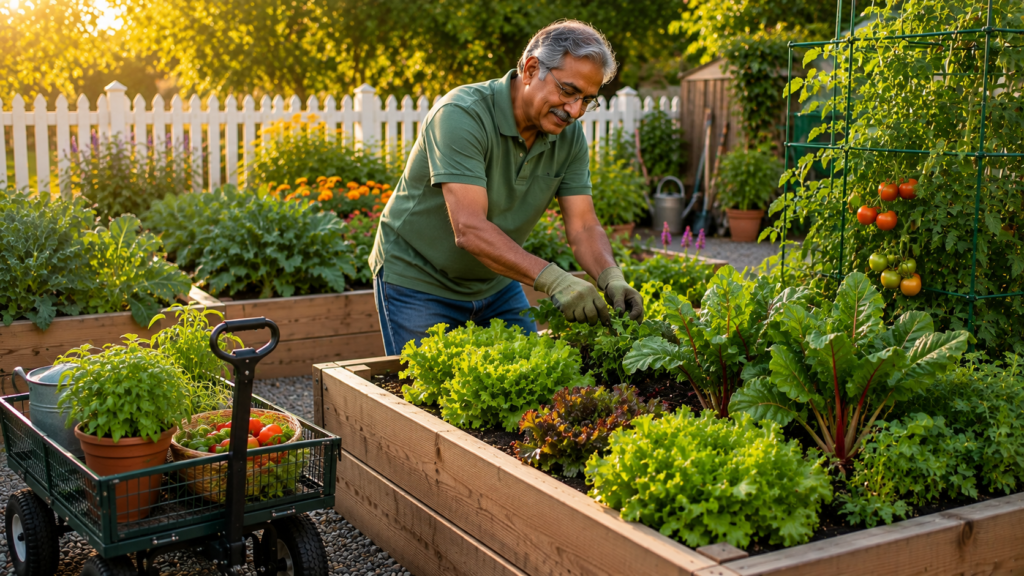
A thoughtfully planned garden can be colorful, productive, and full of life while requiring much less work than a traditional landscape.
Beautiful flowers, healthy vegetables, shrubs, ornamental grasses, and flowering perennials can all work together to create a space that’s both attractive and easy to care for.
The difference isn’t the number of plants.
It’s choosing the right plants and putting them in the right places.
When everything works together, the garden almost seems to take care of itself.
Gardening Should Get Easier, Not Harder
One of the greatest gifts we can give ourselves is permission to garden differently than we did twenty years ago.
That doesn’t mean lowering your expectations.
It means adjusting your methods so you can continue enjoying the hobby you love.
Every raised bed, every layer of mulch, every container placed near the back door, and every watering timer you install is an investment in future seasons. Those small improvements add up, allowing you to spend less time maintaining your garden and more time relaxing in it.
After all, that’s why most of us started gardening in the first place.
Why This Matters
A well-planned garden is one of the best investments you can make in your future as a gardener.
By reducing unnecessary work today, you’re making it easier to continue growing flowers, vegetables, and herbs for years to come. That’s especially important as we get older, when protecting our backs, shoulders, knees, and hands becomes just as important as growing a good harvest.
Gardening should leave you feeling satisfied, not exhausted.
With a little planning, it can.
🌿 Trusted Gardening Resources
Enjoying your garden is easier when you have the right tools. These trusted gardening products can help reduce strain on your shoulders, protect your joints, and make everyday gardening tasks safer and more comfortable.
Whether you’re dealing with arthritis, recovering from surgery, or simply looking for easier ways to garden, these are products worth considering.
My Favorite Tools for Easier, Safer Gardening
Gardening should not leave you hurting for days.
I put together this collection of senior-friendly gardening tools, raised planters, ergonomic hand tools, and helpful accessories. I own and use several of them myself. Others were chosen because they may reduce bending, lifting, gripping, and reaching while helping you enjoy gardening with greater comfort.
-
 $14.43Buy Now
With Ultra Sharp Japanese Steel Titanium Blade, Arthritis Friendly
We earn a commission if you make a purchase, at no additional cost to you.
09/27/2026 09:39 pm GMT -
 Buy Now
LifeFone Medical Alert System
Be prepared for any injury, disaster, health problem.
We earn a commission if you make a purchase, at no additional cost to you.
-
 $109.99Buy Now
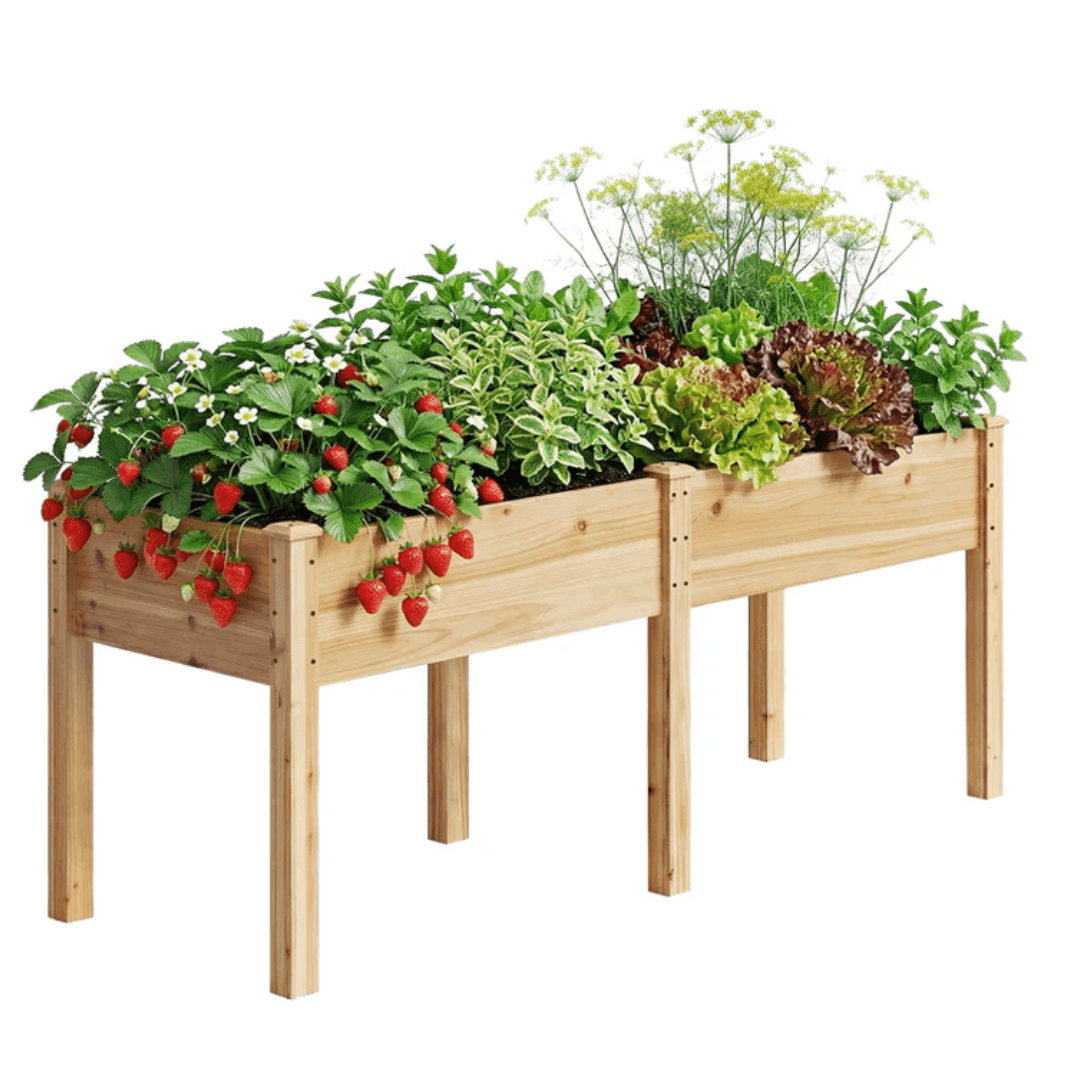
72" x 26 X 30" Wooden Raised Garden Bed with Legs, Elevated Reinforced Planter Box with Divider Panel & Drainage Holes, Natural Fir Wood Garden Planter for Vegetables, Herbs, Flowers, Patio, Balcony & Backyard
We earn a commission if you make a purchase, at no additional cost to you.
-
 $157.99Buy Now
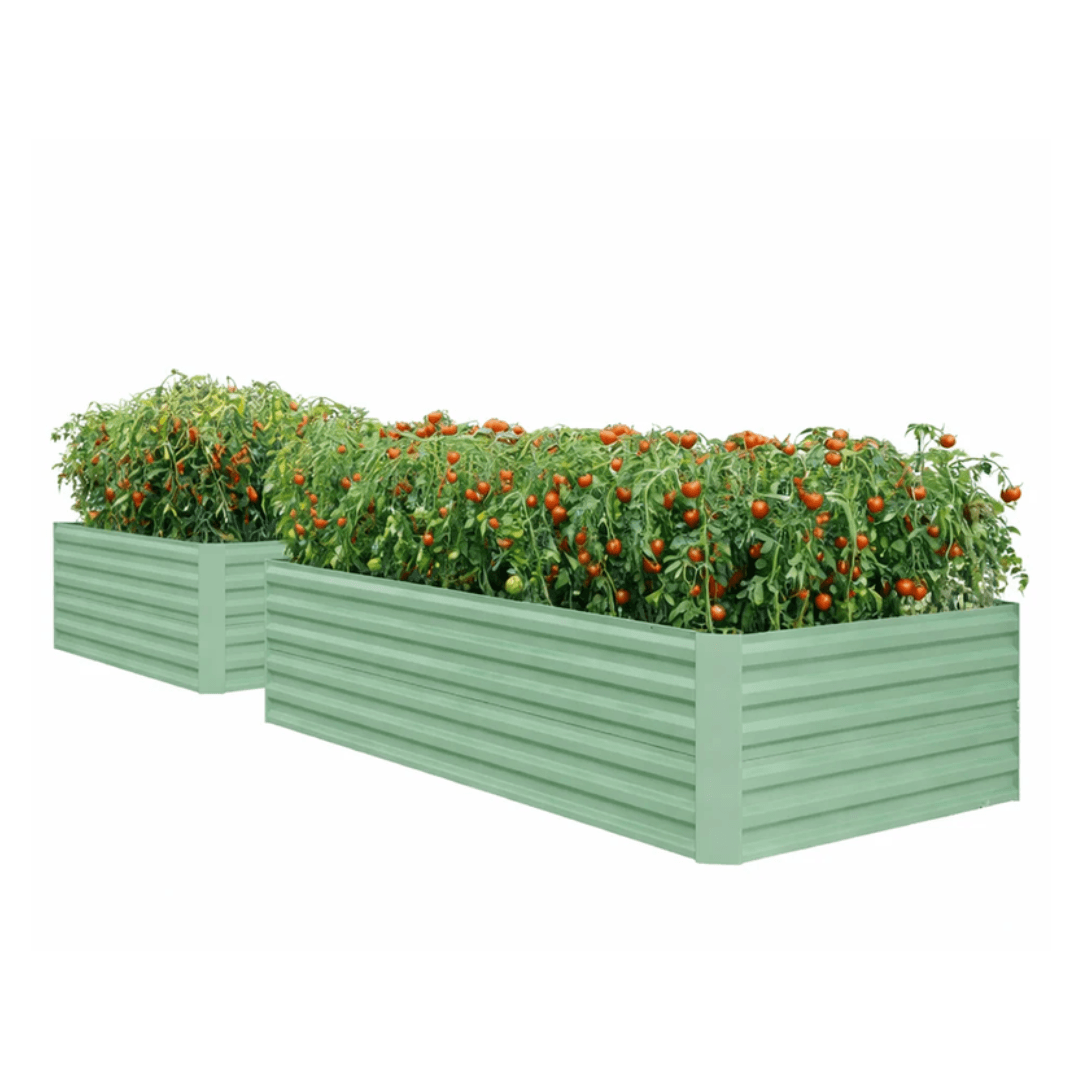
24-Inch Deep Open-Bottom Planter Boxes for Vegetables, Herbs & Flowers
We earn a commission if you make a purchase, at no additional cost to you.
-
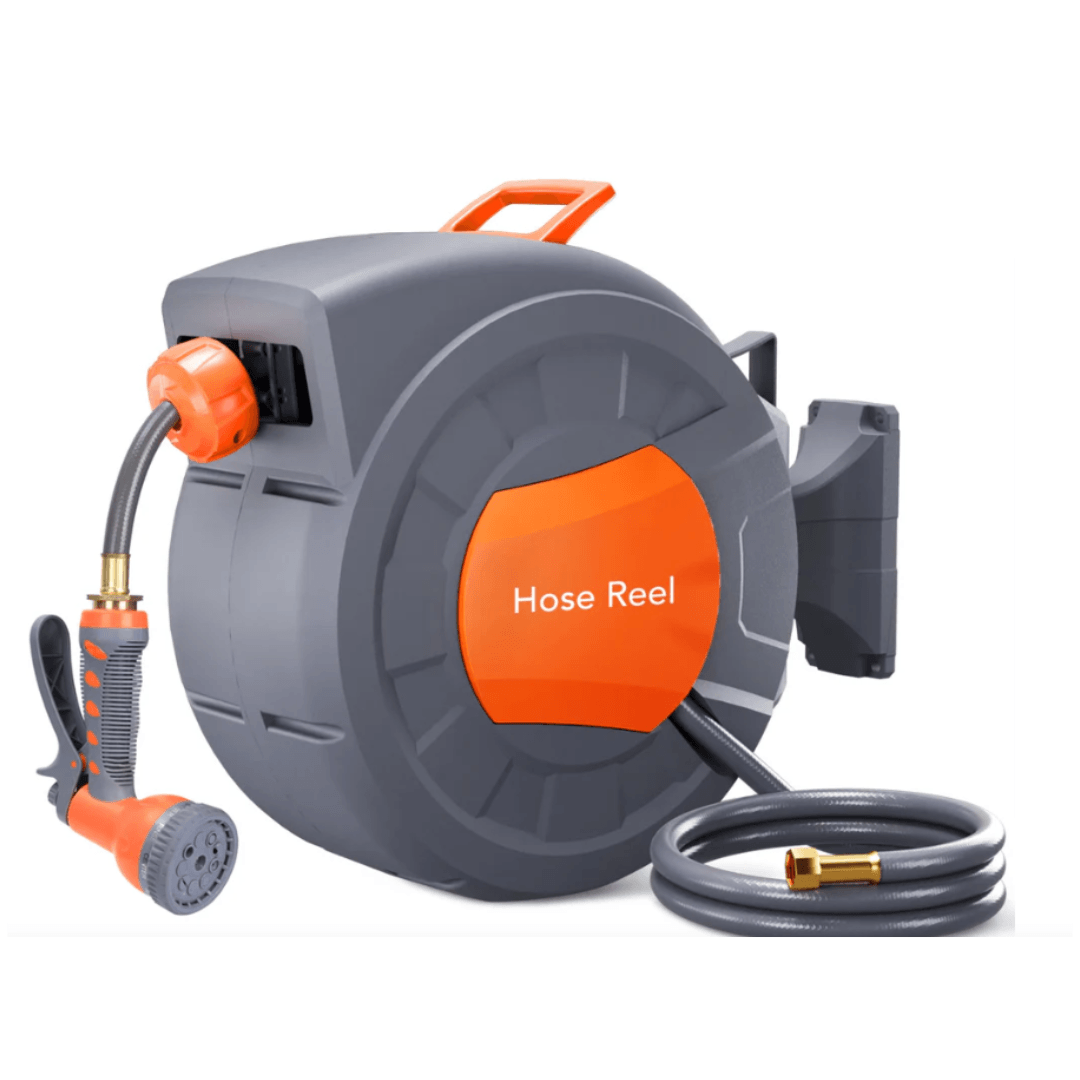 $89.99Buy Now
Garvee 1/2 in × 100 ft Retractable Garden Hose Reel, Wall Mount Auto Rewind, 9-Pattern Nozzle
We earn a commission if you make a purchase, at no additional cost to you.
-
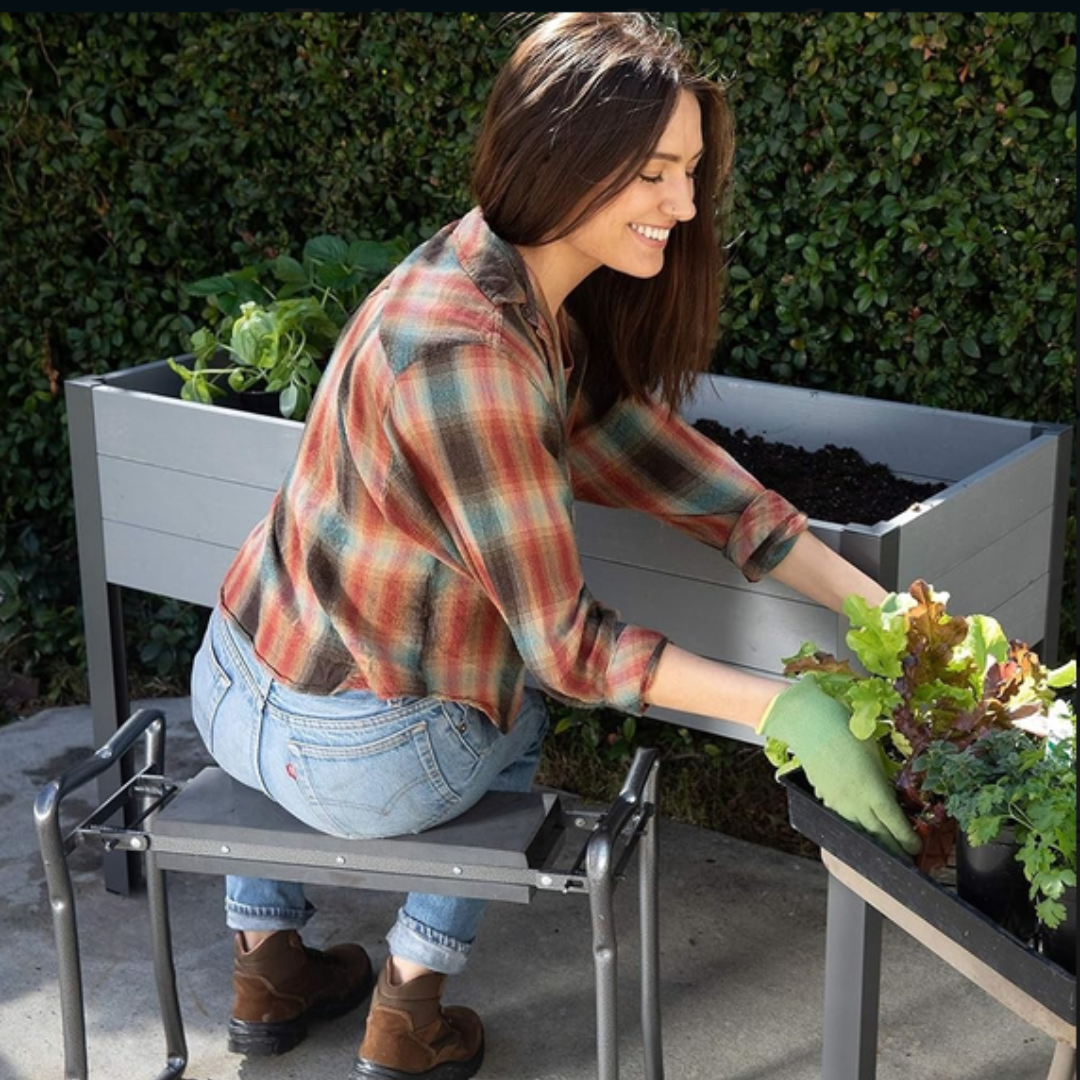 Buy Now
Converts from a comfortable bench for sitting to a cushioned kneeler by simply flipping it over.
We earn a commission if you make a purchase, at no additional cost to you.
-
 $16.99Buy Now
Beach Hiking Summer Wide Brim UPF 50+ Outdoor Protection Foldable Bucket Hat Beige, One Size
I own 2 of these! I even wear it in the pool.
We earn a commission if you make a purchase, at no additional cost to you.
09/27/2026 09:58 pm GMT -
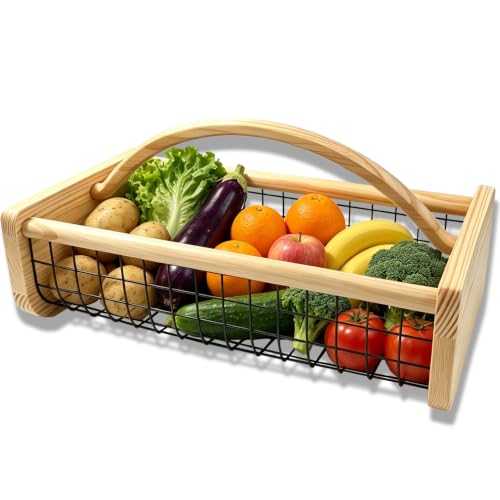 $38.99Buy Now
With Bent Solid Handle and Coated Mesh, Rinse & Deain Fresh Produce Easily for Kitchen and Outdoor Pick...
We earn a commission if you make a purchase, at no additional cost to you.
09/10/2026 12:11 am GMT -
 $6.99Buy Now
Super-sharp. Orange 1-Pack
I own 2 of these, 'cuz I use them everywhere!
We earn a commission if you make a purchase, at no additional cost to you.
09/27/2026 10:00 pm GMT -
 $57.94Buy Now
Heavy-Duty Tree Trimmer for Thick, Dry, Dead Branches, Ratchet Design Compounds Force for Easy Use, Low-Friction Steel Blades
We earn a commission if you make a purchase, at no additional cost to you.
09/27/2026 10:01 pm GMT -
 $28.99Buy Now
I LOVE THIS!: Fiskars 15-Inch Anvil PowerGear Super Pruner glides through branches up to 1.25" thick for easy cuts on dry, dead growth; trim tree branches to maintain your yard and garden and maintain overall plant health and appearance.
This is so light to carry around while you work.
We earn a commission if you make a purchase, at no additional cost to you.
09/27/2026 10:03 pm GMT -
 $14.80Buy Now
I OWN 2 PAIR OF THESE! Hand Protection with Touch Screen for Gardeners, Farmers, Landscapers and Movers
We earn a commission if you make a purchase, at no additional cost to you.
09/27/2026 10:04 pm GMT -
 $109.90Buy Now
400lbs Weight Capacity, Gardening Cart Bench, Ergonomic Backrest & Tool Storage, for Yard, Patio
We earn a commission if you make a purchase, at no additional cost to you.
09/27/2026 10:05 pm GMT -
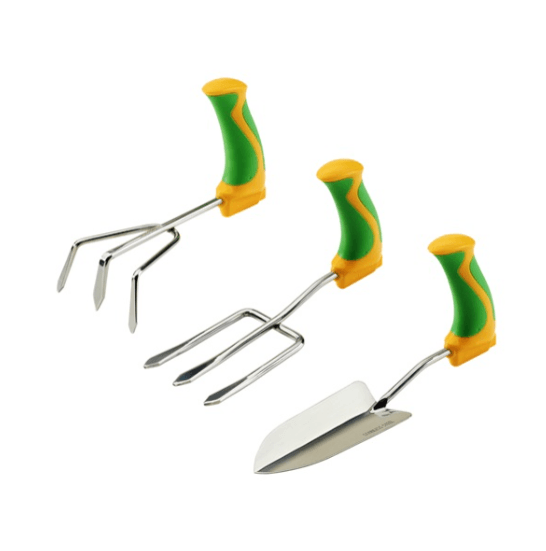 $59.95Buy Now
Upright handle, ergonomic hand tools set
Set of 3 adapted gardening tools with patented handle design.
We earn a commission if you make a purchase, at no additional cost to you.
-
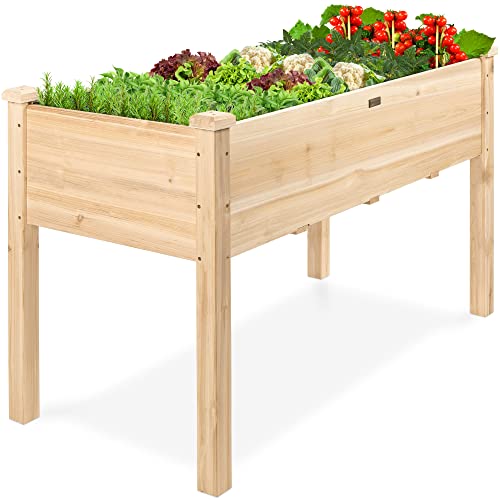 $99.99Buy Now
for Backyard, Patio, Balcony with Bed Liner, 200 Pound Capacity - Natural
We earn a commission if you make a purchase, at no additional cost to you.
09/27/2026 09:52 pm GMT

🌱Continue the Smart Gardening Series
Every gardener faces different challenges. These practical guides can help you reduce pain, conserve energy, and grow more with less work.
Popular Guides
🌱 Raised Bed Gardening for Seniors
🌼 Planning a Low-Maintenance Garden
🧰 Best Ergonomic Gardening Tools for Seniors
🪶 Choosing Lightweight Garden Equipment
🛒 Garden Carts, Kneelers, and Rolling Seats
🥕 Best Vegetables to Grow for Survival
👉 See Every Smart Gardening for Seniors Article
Discover practical gardening tips that make growing vegetables, herbs, and flowers easier, safer, and more enjoyable for older adults.
FAQs
What makes a garden low maintenance?
A low-maintenance garden is designed to reduce routine chores such as watering, weeding, pruning, and replanting. Smart planning, mulch, perennials, and efficient watering systems all help save time and effort.
What are the easiest vegetables to grow?
Tomatoes, bush beans, lettuce, peppers, zucchini, radishes, and many herbs are easy to grow and produce well with relatively little care.
Do raised beds reduce maintenance?
Yes. Raised beds usually have fewer weeds, better drainage, and easier access for planting, watering, and harvesting. They’re also more comfortable to work in than traditional garden rows.
Is drip irrigation worth installing?
For many gardeners, absolutely. Drip irrigation reduces watering time, conserves water, and keeps plants healthier by delivering moisture directly to the roots.
How can I spend less time weeding?
Apply several inches of mulch, plant closely to shade the soil, remove weeds while they’re small, and avoid leaving bare soil wherever possible.
Join the Conversation
What changes have helped make your garden easier to care for? Have you discovered a favorite plant, tool, or gardening trick that saves time and effort? Share your ideas in the comments below. Your experience may inspire another gardener to simplify their garden and enjoy it even more.