
Choosing Lightweight Garden Equipment for Seniors: Less Weight, Less Strain

🌱 From My Garden
I know how frustrating it is when gardening leaves you sore for days.
I don’t write these articles because I read about them. I write them because I’ve lived them. Between multiple shoulder surgeries, including two left shoulder replacements, chronic back pain, knee surgery, and surgeries on my right hand for carpal tunnel syndrome and Dupuytren’s contracture, and most recently, breast cancer surgeries, I’ve had to learn how to keep gardening without making my pain worse.
The tips I share come from real experience, along with research and current gardening best practices. My goal is simple: help you keep gardening safely, comfortably, and for many years to come.
Gardening equipment can feel heavier with every passing year. A shovel that once seemed manageable may now strain your shoulders. A full watering can can pull on your wrist. Even ordinary pruning shears can become tiring after a few minutes.
That does not mean you have to stop gardening.
Choosing lighter, better-balanced equipment can reduce fatigue and help protect your hands, shoulders, back, hips, and knees. The right tools allow you to use less force and complete everyday garden chores without wearing yourself out.
Weight is only one part of choosing a comfortable tool. Handle shape, grip size, leverage, and working position also matter. See my guide to the best ergonomic gardening tools for seniors for help choosing tools that are easier on your hands and joints.
However, lightweight does not always mean easier. A poorly balanced tool may feel heavier than a slightly heavier tool with a comfortable grip. The goal is to find equipment that works with your body instead of making your body work harder.
Small Equipment Changes Can Make a Big Difference
Most gardening tools are designed for an average user. They may not account for arthritis, weak hands, joint replacements, chronic pain, balance problems, or limited mobility, so, all of my physical issues.
A heavy tool forces your muscles and joints to work harder with every movement. That extra effort adds up quickly when you are digging, pruning, watering, or carrying supplies.
Lightweight equipment can help you:
- Reduce stress on painful joints.
- Conserve energy for other garden tasks.
- Maintain better balance.
- Avoid lifting more than you can safely control.
- Work more comfortably for short periods.
- Recover faster after gardening.
- Remain independent in your garden.
The goal is not to see how much you can lift. It is to complete the job without paying for it with several days of pain.
Gardening should fit the gardener.
Lightweight tools, smaller loads, better balance, and energy-saving equipment can make everyday gardening safer and more enjoyable. Choose tools you can control comfortably, and stop before fatigue affects your grip, posture, or balance.
TL;DR for Seniors: Choosing Lightweight Garden Equipment
Heavy garden equipment can increase pain, fatigue, and the risk of losing your balance. Lightweight tools can help, but weight is only one part of choosing the right equipment. Balance, leverage, grip size, handle length, and ease of use matter too.
🌿 Key Points:
✅ Choose tools you can lift and control comfortably.
✅ Test the balance of a tool before buying it.
✅ Look for aluminum, fiberglass, or lightweight composite handles.
✅ Use smaller watering cans and soil bags.
✅ Choose wheeled equipment instead of carrying heavy loads.
✅ Avoid tools that require a tight or constant grip.
✅ Use leverage, gears, and ratchets to reduce effort.
✅ Stop when fatigue affects your grip or posture.
🌻 Takeaway: The best garden equipment is not always the lightest. Choose tools that feel balanced, comfortable, and easy to control.
Continue reading for detailed tips, helpful tools, and practical techniques that can help you garden more comfortably and confidently.
Lightweight Does Not Mean Flimsy
Some inexpensive garden tools are light because they are made from weak materials. A bending trowel, loose handle, or unstable cart can create more work and increase your risk of injury.
Look for equipment made from durable but lightweight materials, including:
- Aluminum
- Fiberglass
- Carbon steel used only where strength is needed
- Reinforced plastic or composite materials
- Lightweight hardwood handles
- Rust-resistant stainless steel
A good tool should feel solid without feeling unnecessarily heavy.
Read the product specifications before buying. Manufacturers often list the weight of larger tools and equipment. If the weight is not listed, check customer questions or contact the manufacturer.
Balance May Matter More Than Weight
Imagine holding a five-pound bag against your chest. Now imagine holding the same bag at the end of an outstretched arm.
The weight has not changed, but the second position feels much harder.
Garden tools work the same way. A poorly balanced tool places more stress on your hands, wrists, shoulders, and back. A well-balanced tool keeps the weight closer to your body and requires less effort to control.
Before buying a tool in a store, hold it the way you would use it. Do not simply lift it from the display.
Ask yourself:
- Does the tool pull my wrist forward?
- Can I hold it without squeezing tightly?
- Does the handle feel too long or too short?
- Can I control the working end?
- Does it feel stable when I move it?
- Can I set it down safely?
- Can I use it with both hands if needed?
If the tool feels awkward while it is clean and unused, it will probably feel worse after you have worked for 20 minutes.
Choose Comfortable Grips
A thin, hard handle forces your fingers to close tightly. This can be painful for people with arthritis, weak hands, carpal tunnel syndrome, or limited grip strength.
Arthritis can affect the hands, shoulders, back, knees, and hips differently. My guide to gardening with arthritis offers additional ways to reduce joint strain while staying active.
Look for handles with:
- Soft or padded grips
- A slightly larger diameter
- Nonslip surfaces
- Angled or upright designs
- Finger guards
- Two-handed grip options
- Loops or cuffs that help support the hand
The grip should feel secure without requiring you to squeeze constantly.
Foam grip tubing can sometimes be added to existing tool handles. This is an inexpensive way to make a favorite trowel, cultivator, or hand rake more comfortable.
Make sure the added grip does not make the tool slippery or difficult to control.
If holding tools, squeezing pruners, or carrying supplies has become difficult, read Gardening with Weak Hands for more ways to protect your grip and reduce hand fatigue.
Lightweight Hand Tools
Hand tools are used for repeated movements. Even a small difference in weight can matter when you are digging, planting, or weeding for several minutes.
Helpful lightweight hand tools include:
- Aluminum trowels
- Narrow transplanting trowels
- Small hand cultivators
- Ergonomic hand forks
- Lightweight garden scissors
- Small scoops for potting mix
- Upright-grip hand tools
- Tools with forearm supports
Choose the smallest tool that can safely complete the job. A large trowel may move more soil, but a smaller trowel may be easier to control.
Avoid buying an oversized set simply because it contains more tools. Most gardeners regularly use only a few favorites.
Pruners and Cutting Tools
Pruning can quickly tire your hands and forearms. Traditional pruners require you to squeeze through a branch in one movement.
Ratcheting and geared pruners divide the cut into smaller steps. This allows the tool to do more of the work.
Look for:
- Ratcheting pruners
- Geared pruners
- Lightweight garden scissors
- Spring-loaded handles
- Locking mechanisms that are easy to operate
- Replaceable or sharpenable blades
- Padded nonslip grips
- Pruners sized for your hand
Small hands may struggle with pruners that open too widely. Test how far your fingers must stretch before buying.
Do not force hand pruners through branches that are too thick. Use loppers or a pruning saw designed for the job.
Loppers and Long-Handled Cutting Tools
Long handles create leverage. Leverage helps you cut a branch with less force, but long tools can also feel heavy and awkward.
Choose loppers with:
- Aluminum or lightweight composite handles
- Geared or ratcheting action
- A comfortable two-handed grip
- A cutting capacity suited to your normal jobs
- Handles you can control without reaching overhead
Shorter loppers are often lighter and easier to carry. Longer loppers provide more leverage but may place more strain on your shoulders.
Even a well-designed tool can cause pain if it is too heavy or used too far from your body. These gardening tips for shoulder pain explain how to reduce lifting, reaching, and repetitive arm movements.
Choose the shortest tool that gives you enough leverage for the work you actually do.
Do not use loppers above shoulder height. Ask for help or use a safer tool designed for overhead pruning.
Shovels, Spades, and Digging Tools
A traditional steel shovel can become very heavy once it is filled with wet soil.
Look for digging tools with:
- Fiberglass or lightweight wooden handles
- Smaller blades
- Padded D-shaped grips
- Step plates for your foot
- Sharpened edges
- A handle length suited to your height
A smaller shovel moves less soil with each scoop, but that can be a benefit. Smaller loads reduce strain and are easier to control.
Let the sharp edge and your body weight do the work. Avoid forcing a dull shovel into hard ground with your arms and back.
For difficult soil, consider loosening a small area at a time. You can also use raised beds or containers to reduce the amount of ground digging required.
Lightweight tools work especially well when the garden itself is easier to reach. Learn how raised bed gardening for seniors can reduce bending, kneeling, and awkward reaching.
Rakes, Hoes, and Long-Handled Tools
Long-handled tools help reduce bending. However, a heavy rake held far from your body can strain your shoulders and back.
Choose tools with:
- Lightweight aluminum or fiberglass handles
- Adjustable or telescoping handles
- Smaller working heads
- Padded grips
- A handle long enough to keep you upright
- A secure connection between the head and handle
Telescoping handles can be useful, but inspect the locking mechanism. It should remain firmly in place while you work.
Avoid using a tool at its longest setting unless you need the extra reach. A fully extended tool may be harder to control.
Watering without Carrying Heavy Loads
Water is heavy. One gallon weighs a little more than eight pounds. A large watering can may hold two gallons or more.
That means a full watering can can weigh 16 pounds before adding the weight of the container.
Instead, consider:
- A smaller watering can
- A lightweight garden hose
- A retractable hose reel
- A hose cart with wheels
- Drip irrigation
- Soaker hoses
- Self-watering containers
- A lightweight spray wand
- Multiple water stations around a large garden
A smaller watering can requires more trips, but each load is easier to carry and control.
Fill it only halfway if that is more comfortable. There is no rule saying a watering can must be filled to the top.
Avoid dragging a heavy hose across the garden. A hose reel or strategically placed shorter hoses can reduce pulling, twisting, and tripping hazards.
Lightweight Hoses
Traditional rubber garden hoses can become heavy, especially when filled with water. They can also be difficult to coil and store.
When comparing hoses, consider:
- Total hose weight
- Length
- Kink resistance
- Flexibility
- Fitting quality
- Diameter
- Ease of coiling
- Compatibility with a hose reel
Do not automatically buy the longest hose available. A 100-foot hose may reach the entire property, but it can be difficult to move.
Two shorter hoses or separate watering stations may be easier to manage.
Be cautious with extremely light expandable hoses. Some are easy to carry but may puncture, leak, or fail at the fittings. Choose durability as well as low weight.
Garden Carts instead of Wheelbarrows
A traditional wheelbarrow requires you to lift part of the load while balancing it on one wheel. This can be difficult for anyone with weak hands, shoulder pain, back pain, or balance problems.
A four-wheeled garden cart supports the full load. You only need to push or pull it.
Look for:
- Four stable wheels
- A lightweight frame
- An easy-to-grip handle
- A low loading height
- Wheels suited to your paths
- A dumping feature, if needed
- A capacity you can control safely
- Brakes for sloped areas
A large cart may encourage you to carry too much at once. The cart may support the weight, but you still need to control it on uneven ground.
Use several smaller loads when necessary.
Lightweight tools are easier to use, but you still need a safe way to move them around. See Garden Carts, Kneelers, and Rolling Seats for Seniors for help choosing equipment that reduces carrying, bending, and repeated standing.
Rolling Seats, Kneelers, and Garden Stools
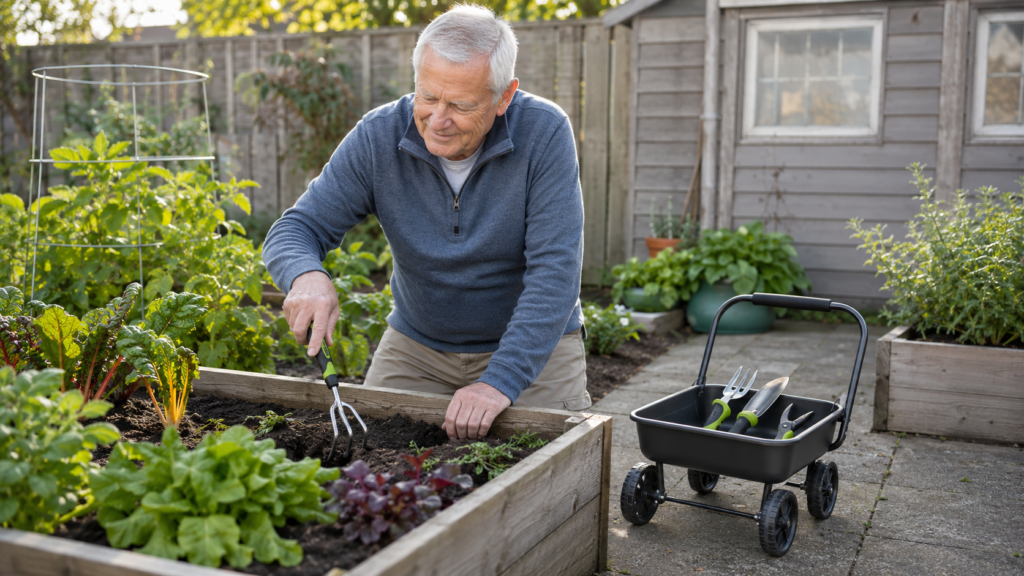
A rolling garden seat can carry tools while reducing repeated standing, kneeling, and bending.
Choose a seat with:
- A stable wheelbase
- A comfortable seat height
- Large wheels for uneven ground
- A strong weight capacity
- An easy-to-reach storage area
- A backrest if you need support
- A seat that does not swivel unexpectedly
- Brakes or wheel locks when appropriate
A lightweight kneeler may be easy to carry, but it must still be stable. Test whether you can safely lower yourself and stand back up using the handles.
Do not use a kneeler or rolling seat on a steep slope.
Battery-Powered Garden Equipment
Battery-powered tools can reduce repetitive manual work. They can be useful for pruning, trimming, cultivating, and blowing leaves.
However, the battery adds weight.
Before buying, compare:
- Weight with the battery installed
- Handle position
- Vibration
- Trigger pressure
- Battery installation and removal
- Charging time
- Expected operating time
- Noise level
- Safety switches
- Storage requirements
Hold the display model with the battery attached whenever possible. A tool may be advertised as lightweight even though the listed weight excludes the battery.
For larger equipment, consider whether you can safely lift it, carry it, and move it into storage.
A powered tool is not helpful if it is too heavy to get out of the shed.
Buy Smaller Bags of Garden Materials
The weight of garden equipment is only part of the problem. Soil, compost, mulch, and fertilizer can be much heavier than the tools used to spread them.
Large bags may cost less per pound, but the savings are not worth an injury.
Choose:
- Smaller bags of potting mix
- Smaller mulch bags
- Concentrated products that can be diluted
- Lightweight plastic containers
- Wheeled storage bins
- Scoops for transferring material
- Delivery services for bulk materials
If you buy a large bag, leave it in the cart or vehicle until someone can help you. You can also divide the material into smaller containers before moving it around the garden.
Do not twist while lifting or pouring a bag. Keep the load close to your body.
Avoid Tools That Create New Problems
Some products are marketed as senior-friendly even though they may not be suitable for every senior.
Be cautious with:
- Tools that are light but poorly balanced
- Narrow handles that require a tight grip
- Complicated locking mechanisms
- Telescoping handles that collapse
- Rolling seats with small wheels
- Carts that become unstable when loaded
- Tools with weak plastic connections
- Equipment that vibrates excessively
- Battery tools that become heavy during use
- Long tools that encourage unsafe reaching
- Gadgets that require awkward hand positions
A label that says “ergonomic” does not guarantee that the tool will fit your body.
Your comfort and control matter more than the marketing language.
Test Equipment before You Buy
If possible, visit a local garden center or hardware store and handle the equipment before ordering it online.
Wear the type of gloves you normally use in the garden.
Try these simple tests:
- Lift the tool with one hand.
- Hold it in the normal working position.
- Move it slowly through the motion you would use.
- Check whether your wrist remains fairly straight.
- Notice whether the tool pulls on your shoulder.
- Test every lock, trigger, and adjustment.
- Make sure you can set it down safely.
- Consider how you will carry and store it.
If you cannot test the exact tool, check the return policy before buying.
Match the Tool to the Job
Using the wrong tool often requires more effort.
A hand trowel should not be used to break hard soil. Hand pruners should not be forced through thick branches. A lightweight plastic rake should not be used to move heavy, wet debris.
Choose equipment based on the jobs you perform most often.
Ask yourself:
- What tasks cause me the most pain?
- Which tools tire me fastest?
- What equipment do I avoid using?
- Where do I bend, lift, pull, or squeeze repeatedly?
- Could wheels, leverage, or a longer handle reduce the effort?
- Would a smaller tool or smaller load be safer?
Start by replacing the tool that causes the most difficulty. You do not need to buy an entirely new tool collection at once.
Store Tools Where You Use Them
Even lightweight tools become tiring when you must carry them across a large property.
Store frequently used tools near the garden whenever it is safe to do so.
Consider:
- A small weatherproof storage box
- A lightweight tool tote
- A garden cart with storage
- Wall hooks near the back door
- A bucket with a tool organizer
- Separate tool sets for distant garden areas
Keep tools at a comfortable height. Avoid storing heavy equipment overhead or close to the floor.
Good storage also reduces the risk of tripping over tools left on paths.
Work in Shorter Sessions
Lightweight equipment can reduce strain, but it cannot eliminate fatigue.
Your grip may weaken before you notice it. Your posture may change. You may begin dragging or swinging a tool instead of controlling it.
These are signs that it is time to stop.
Try working for 15 to 20 minutes, then take a short break. Switch between tasks that use different muscles.
For example, do a little pruning, then water containers or harvest vegetables. Avoid repeating the same motion for a long period.
Stop immediately if you feel sharp pain, dizziness, unusual weakness, or loss of balance.
🌿 Trusted Gardening Resources
Enjoying your garden is easier when you have the right tools. These trusted gardening products can help reduce strain on your shoulders, protect your joints, and make everyday gardening tasks safer and more comfortable.
Whether you’re dealing with arthritis, recovering from surgery, or simply looking for easier ways to garden, these are products worth considering.
My Favorite Tools for Easier, Safer Gardening
Gardening should not leave you hurting for days. I put together this collection of senior-friendly gardening tools, raised planters, and helpful accessories. I own and use several of them myself, while others were chosen because they may reduce bending, lifting, gripping, and reaching.
-
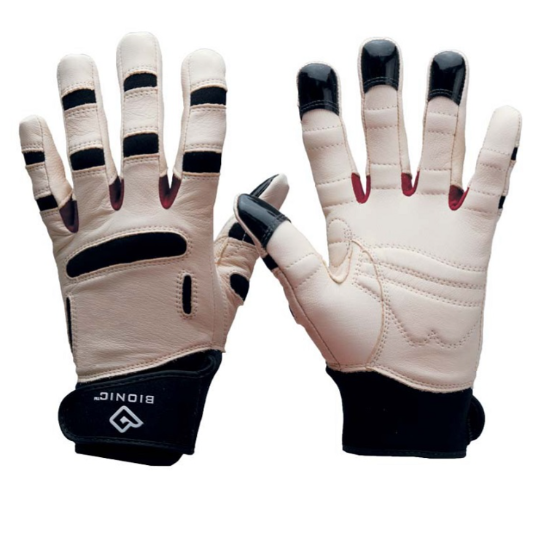 $41.95Buy Now
Hand support garden gloves
Lightweight and comfortable gardening gloves provide extra support and mild compression.
We earn a commission if you make a purchase, at no additional cost to you.
-
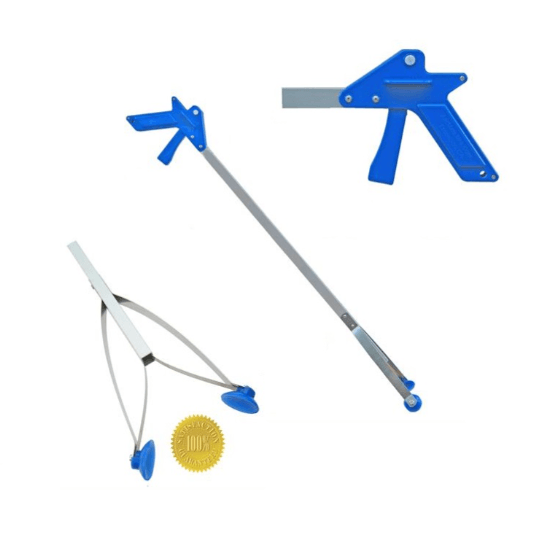 $21.95Buy Now
Suction cup, aluminum spring reaching tool
Round silicone tips provide a powerful and secure grip with delicate sensitivity.
We earn a commission if you make a purchase, at no additional cost to you.
-
 $12.76Buy Now
for Home, Kitchen, Sporting Equipment, Garden and the Outdoors, Comfortable and Versatile, 3 Grips, Blue, Green, Gray
Gardening & Outdoor Tools – Slip them onto shovels, rakes, and hand tools for comfortable all-day use while tending your garden
Ergonomic Comfort – With your focus on quality tools, these reduce hand fatigue during extended outdoor work—great for someone with your hands-on approach
We earn a commission if you make a purchase, at no additional cost to you.
09/10/2026 07:14 pm GMT -
 $9.99Buy Now
6 Pieces Kit for Finger, Wrist, Carpal Tunnel, Arthritis Pain Relief. Stress Relief - Occupational Equipment for Disabled
I didn't think about using these for my hand! Cool beans 🙂
We earn a commission if you make a purchase, at no additional cost to you.
09/27/2026 09:35 pm GMT -
 $109.90Buy Now
400lbs Weight Capacity, Gardening Cart Bench, Ergonomic Backrest & Tool Storage, for Yard, Patio
We earn a commission if you make a purchase, at no additional cost to you.
09/27/2026 10:05 pm GMT -
 $15.79Buy Now
Heavy duty steel scoop for transplanting, moving soil & potting mix. Mini shovel design for garden beds & container planting
We earn a commission if you make a purchase, at no additional cost to you.
09/10/2026 07:09 pm GMT -
 $59.99Buy Now
Inverted V Cutting Tip with Ripsaw Teeth: The sharpened V-shaped blade tip combined with aggressive serrated edges helps cut through stubborn roots, sod, and compact soil, making planting and root removal easier.
Ergonomic O-Handle Grip for Better Control: Features a patented natural O-handle design that provides more gripping surface than traditional D-handles, helping improve leverage, control, and comfort during extended digging tasks.
We earn a commission if you make a purchase, at no additional cost to you.
09/10/2026 07:09 pm GMT -
 $42.49Buy Now
No-Kink Flexibility, 3/4 Inch Solid Brass Fittings and Double Latex Core - Black and Green
Expandable, lightweight construction without sacrificing quality! The 3750D elastic outer fabric with 4 layers of latex protects the inner tube effectively from thorns, punctures, and sharp corners.
Lightweight, yet durable for heavy duty use! Every Flexi Hose is endurance-tested to 2000 uses and can withstand water pressures up to 12 bar and temperatures between 41 and 113 degrees Fahrenheit.
We earn a commission if you make a purchase, at no additional cost to you.
09/10/2026 07:09 pm GMT -
 $48.98Buy Now
MANUAL WEEDER TOOL: Lightweight, long shaft handle weed puller with easy-eject design to help prevent sore knees and back aches from kneeling and bending; Makes weed removal quicker and easier without multiple applications or harsh, costly chemicals
EFFICIENT AND COMFORTABLE DESIGN: Offset handle helps reduce wrist strain, and the integrated viewing window allows you to see weeds while four serrated, stainless steel claws firmly grab weeds and roots for permanent removal
We earn a commission if you make a purchase, at no additional cost to you.
09/10/2026 07:09 pm GMT -
 $115.07Buy Now
COMPLETE HOME AND GARDEN TOOLKIT - Tackles indoor and outdoor maintenance jobs with a comprehensive 6-piece set featuring ergonomically designed PowerGear Lopper, 9-in-1 Shears, Bypass Pruner, Folding Saw, IsoCore Hammer, and Utility Knife
We earn a commission if you make a purchase, at no additional cost to you.
09/10/2026 07:09 pm GMT -
 $39.99Buy Now
Effort-Saving Compound Leverage: The advanced compound design with four pivot points and lever system multiplies cutting force while reducing hand fatigue. Perfect for tackling thick branches with minimal effort
Adjustable Telescopic Handles 26"-33": Extendable handles allow you to adjust from 26" to 33", making it versatile for most garden pruning tasks, hedges, shrubs, and medium-height trees
We earn a commission if you make a purchase, at no additional cost to you.
09/27/2026 09:36 pm GMT -
 $51.59Buy Now
1.75" Capacity Tree Trimmer
IDEAL TREE BRANCH CUTTER: 25-Inch steel blade bypass lopper that glides through up to 1.75-Inch thick branches for easy cuts; Tree Pruner that works well for trimming tree branches to maintain your yard and garden
MAXIMUM POWER AND PRECISION: Garden loppers with PowerGear2 technology multiplies leverage to maximize branch-cutting power over traditional designs
We earn a commission if you make a purchase, at no additional cost to you.
09/10/2026 07:09 pm GMT -
 $28.99Buy Now
Compact Design, PowerGear Multiplies Leverage to Maximize Branch-Cutting Power, Lightweight Design Reduces Strain on Muscles
My Favorite!
QUALITY GARDEN TOOLS: Designed to help you cultivate a better garden, Fiskars garden and yard tools are equipped with smart technologies and award-winning, ergonomic features that make it easier and more enjoyable to transform your outdoor space
We earn a commission if you make a purchase, at no additional cost to you.
09/27/2026 10:03 pm GMT -
 $29.99Buy Now
Requires Less Grip Strength for Gardening.
- ERGONOMIC VERTICAL GRIP - Unlike standard gardening tools that require you to bend your wrist and grip the handle tightly while pushing and pulling, putting pressure on your joints and forearms, the vertical grip on Bernini's Garden Tool Set lets you keep your wrist in a naturally straight position and use the force from larger muscles like the upper arm and shoulder to move soil.
We earn a commission if you make a purchase, at no additional cost to you.
09/10/2026 06:15 pm GMT -
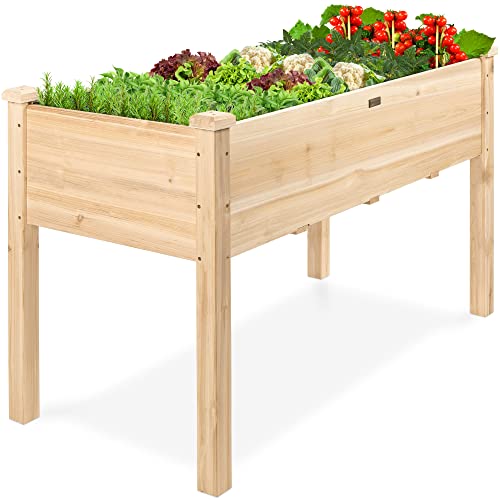 $99.99Buy Now
for Backyard, Patio, Balcony with Bed Liner, 200 Pound Capacity - Natural
We earn a commission if you make a purchase, at no additional cost to you.
09/27/2026 09:52 pm GMT

Lightweight Garden Equipment Buying Checklist
Before buying a new tool, ask:
- Can I lift it comfortably?
- Is the listed weight for the complete tool?
- Does it feel balanced?
- Can I keep my wrist in a comfortable position?
- Does the grip fit my hand?
- Can I operate every lock and trigger?
- Does it reduce bending, squeezing, or reaching?
- Can I control it when I become tired?
- Is it durable enough for the job?
- Can I store it safely?
- Can I return it if it does not work for me?
If a tool fails several of these tests, keep looking.
Equipment is only one part of reducing your workload. Planning a Low-Maintenance Garden can help you cut down on watering, weeding, carrying, and other repetitive chores.
Why This Matters
Gardening is supposed to add joy to your life, not leave you unable to move comfortably the next day.
The right equipment can help you continue growing food, caring for flowers, and spending time outdoors. Small changes can preserve your strength and protect joints that may already be painful or damaged.
You do not need the biggest shovel, the longest hose, or the most powerful machine.
You need equipment that fits your body, your garden, and the way you work today.
Choosing lighter tools is not taking the easy way out. It is a practical way to conserve energy and keep gardening for years to come.
🌱Continue the Smart Gardening Series
Every gardener faces different challenges. These practical guides can help you reduce pain, conserve energy, and grow more with less work.
Popular Guides
🌱 Raised Bed Gardening for Seniors
🌼 Planning a Low-Maintenance Garden
🧰 Best Ergonomic Gardening Tools for Seniors
🪶 Choosing Lightweight Garden Equipment
🛒 Garden Carts, Kneelers, and Rolling Seats
🥕 Best Vegetables to Grow for Survival
👉 See Every Smart Gardening for Seniors Article
Discover practical gardening tips that make growing vegetables, herbs, and flowers easier, safer, and more enjoyable for older adults.
FAQs
What is the best material for lightweight garden tools?
Aluminum, fiberglass, and reinforced composite materials are often lighter than solid steel. The best choice depends on the job. Digging tools still need enough strength to handle hard soil.
Are lightweight garden tools strong enough for regular use?
Well-made lightweight tools can be durable. Check how the handle connects to the working end. Avoid thin plastic connections or tools that flex during normal use.
Are long-handled tools better for seniors?
Long handles can reduce bending and provide leverage. However, a tool that is too long may feel heavy or difficult to control. Choose a handle length that fits your height and the task.
Is a garden cart better than a wheelbarrow?
A four-wheeled garden cart is often easier for seniors because it supports the entire load. A wheelbarrow requires you to lift part of the weight while balancing it.
Are battery-powered garden tools easier to use?
They can reduce repetitive effort, but the motor and battery may add weight. Test the tool with the battery attached before buying.
How heavy should a senior’s garden tool be?
There is no single safe weight for everyone. Choose a tool you can lift, use, and control without straining or changing your posture. Your health, strength, balance, and joint condition all matter.
How can I make my current garden tools easier to use?
You may be able to add padded grips, sharpen blades, shorten unnecessary handles, use a tool holster, or place tools in a rolling cart. Replace tools that remain painful or unsafe.
What about You?
Have you replaced a heavy garden tool with a lighter or easier option? Which tool made the biggest difference? Share your experience in the comments below. Your recommendation may help another senior continue gardening with less pain and fatigue.