
Bartering and Local Food Networks for Seniors Who Prep Alone
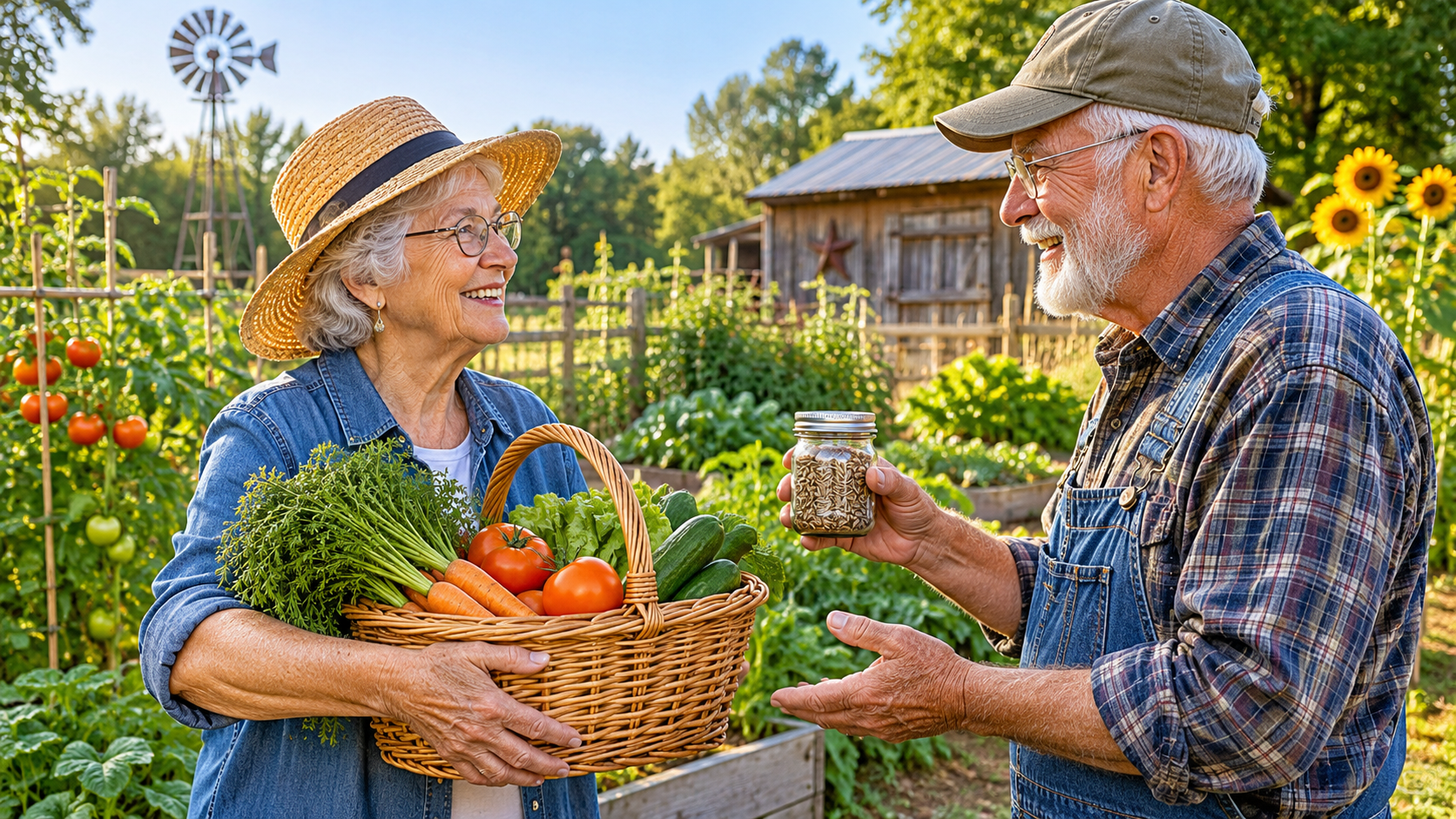
How to trade what you have, build trusted local connections, and strengthen your food security without giving up your independence.
Preparing for emergencies is easier when you have someone to share the work. But what happens when you’re a senior living alone, managing a small homestead, or building an emergency pantry without family nearby?
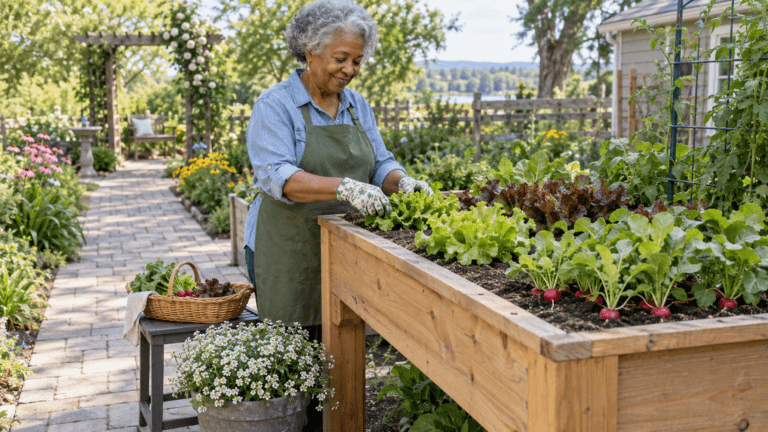
You may have a productive vegetable garden but lack the strength to preserve everything you grow. Perhaps you’re excellent at saving seeds but need help with heavy garden chores.
Or maybe you have a well-stocked pantry but worry about replacing supplies during a prolonged disruption.
You don’t have to do everything yourself to be self-sufficient.
Bartering and local food networks can help you stretch a fixed income, reduce waste, and create dependable relationships with people who have skills or resources you lack.
The goal isn’t to become dependent on your neighbors. It’s to build a small circle of trusted people who can help one another when it matters.
And you can start with something as simple as trading a few tomatoes for a dozen eggs.
TL;DR for Seniors: Bartering and Local Food Networks
You don’t have to prepare for emergencies entirely alone. Bartering and local food networks can help seniors save money, share resources, and build trusted community connections.
🌿 Key Points:
✅ Trade what you have. Exchange extra vegetables, seeds, supplies, or useful skills for things you need.
✅ Start small. Connect with local gardeners, farmers markets, senior centers, and trusted neighbors.
✅ Protect your privacy. Never reveal your emergency food reserves or invite strangers into your home.
✅ Put food safety first. Be cautious with home-canned foods, perishables, and improperly stored products.
✅ Build communication backups. Ham radio operators and local emergency networks may help neighbors stay connected when phones fail.
✅ Keep your own supplies. Bartering should strengthen your emergency pantry, never replace it.
🌻 Takeaway: Self-sufficiency doesn’t mean isolation. A few trusted neighbors, practical skills, and reliable communication plans can make preparing alone safer, easier, and more affordable.
What Is Bartering, and Why Does It Matter for Senior Preppers?
Bartering means exchanging goods or services without using money.
Instead of buying everything you need, you offer something useful in return.
Examples:
- Trade fresh vegetables for eggs from a neighbor’s chickens.
- Exchange saved herb seeds for vegetable seedlings.
- Offer sewing or mending services in return for garden help.
- Trade surplus fruit for someone else’s seasonal vegetables.
- Exchange gardening knowledge for assistance with planting or harvesting.
- Trade extra empty canning jars for useful garden supplies.
These arrangements can be especially valuable for seniors living on fixed incomes.
But bartering offers something money cannot always buy: a relationship with someone who knows you, understands your circumstances, and may be willing to help during an emergency.
That relationship can become just as important as the food itself.
1. Start with What You Already Have
One of the biggest mistakes people make when considering bartering is assuming they have nothing valuable to offer.
That is rarely true.
Many older adults possess decades of practical knowledge.
Some have gardening experience, sewing skills, cooking abilities, or an understanding of preserving food. Others have useful equipment, extra supplies, or time to share.
What Can You Offer?
| What you have | What you might trade for |
| Extra garden vegetables | Eggs, fruit, or other produce |
| Saved seeds | Seedlings or garden supplies |
| Sewing and mending skills | Help with physical chores |
| Gardening knowledge | Assistance planting raised beds |
| Surplus fruit | Fresh vegetables or herbs |
| Extra gardening tools | Borrowed equipment or supplies |
| Bookkeeping or computer skills | Help with errands or deliveries |
| Extra food-safe containers | Produce or pantry supplies |
You don’t need a large garden or expensive equipment.
Even a few containers of herbs can produce something useful to exchange.
Start with a Personal Barter Inventory
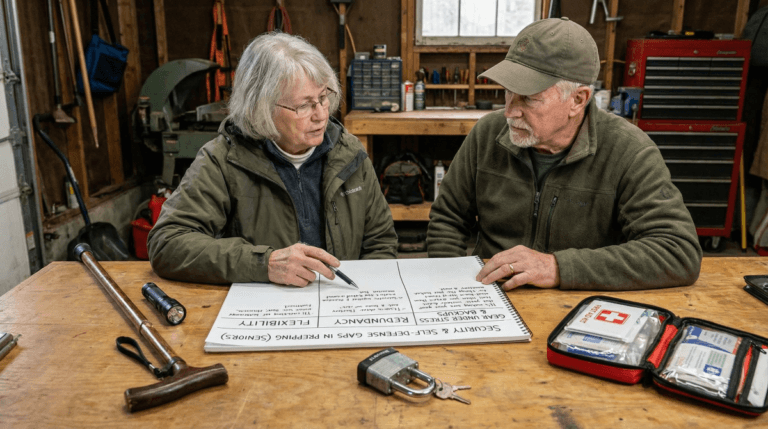
Take a notebook and divide a page into three sections:
What I have: Extra vegetables, seeds, supplies, equipment, or useful materials.
What I can do: Skills you can offer without exhausting yourself.
What I need: Foods, supplies, services, or physical assistance that would improve your preparedness.
Be realistic about your limitations.
If standing for long periods causes discomfort, don’t offer hours of cooking or food preservation.
If lifting heavy objects is difficult, don’t promise to help move equipment.
A successful barter arrangement should make life easier, not create another burden.
2. Where Seniors Can Find Local Food Networks
You don’t need to join a formal preparedness group to start building a food network.
Some of the most useful connections are already in your community.
Farmers’ Markets
Farmers’ markets provide opportunities to meet growers, learn what is produced locally, and develop relationships with people who understand seasonal food availability.
Start by visiting the same vendors regularly.
Ask questions about their growing seasons, bulk purchases, and whether they occasionally have surplus produce.
Not every farmer accepts barter, and you shouldn’t assume they do. Many operate businesses that depend on cash sales.
But regular conversations can lead to valuable contacts and opportunities.
Community Gardens
Community gardens bring together people who grow food on shared land.
Some gardens have surplus produce exchanges, seed-sharing programs, or volunteer opportunities.
If you have gardening experience but limited physical stamina, you may be able to contribute knowledge while others handle heavier work.
Local Gardening Clubs
Gardening clubs are particularly useful for finding people who already understand the value of seeds, cuttings, seedlings, and homegrown produce.
A seed swap can be an excellent first step toward building a local food network.
Churches, Senior Centers, and Community Organizations
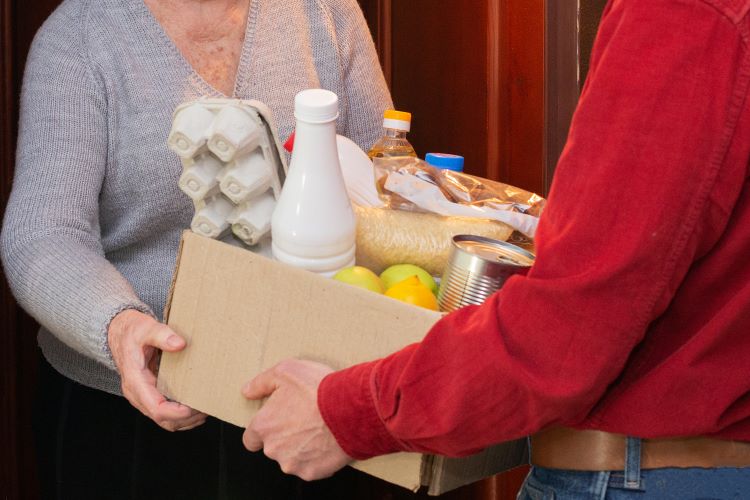
These groups sometimes coordinate food-sharing programs, transportation assistance, community meals, and volunteer support.
They may also know about local growers or food distribution programs that aren’t widely advertised.
Online Neighborhood Groups
Local Facebook gardening groups, neighborhood forums, and community exchange pages can help you find nearby participants.
However, online contacts should be treated as strangers until trust is established.
Arrange initial exchanges in public places, avoid revealing your emergency supplies, and never advertise that you live alone.
3. Build a Small Food Network Instead of a Large Group
You don’t need twenty people to build a useful preparedness network.
In fact, a small, reliable circle may be easier to maintain.
Consider starting with three to five people who bring different resources or skills.
For example:
| Network member | Possible contribution |
| Senior vegetable gardener | Fresh produce and saved seeds |
| Backyard chicken keeper | Eggs and poultry-keeping knowledge |
| Experienced food preserver | Canning and dehydrating instruction |
| Neighbor with transportation | Shared trips to markets or suppliers |
| Local fruit grower | Seasonal fruit and growing advice |
These are examples, not positions you must fill.
Your network should reflect what is actually available in your area.
Why Different Skills Matter
Imagine a prolonged power outage.
One neighbor may have extra fresh vegetables. Another knows how to cook outdoors safely. Someone else has transportation to a functioning grocery store.
No single person has everything.
But a group of people with complementary skills may be better positioned to solve problems together.
The strongest food network is built on useful relationships, not on how many people join.
4. How to Make a Fair Barter without Money
Bartering works best when both people feel the exchange is worthwhile.
The value doesn’t always need to be identical in dollars, but it should be mutually acceptable.
Suppose you have an abundance of tomatoes and your neighbor has more eggs than they can use.
You might agree to trade a basket of tomatoes for a dozen eggs.
If both people are satisfied, the exchange works.
For larger trades, compare local prices and agree on quantities and condition beforehand.
Five Rules for Fair Bartering
- Agree before exchanging. Be specific about what each person will provide.
- Check quality. Don’t trade spoiled food, damaged supplies, or questionable preserved goods.
- Keep expectations reasonable. Don’t expect expensive equipment in return for a few vegetables.
- Write down larger agreements. A simple notebook record prevents confusion.
- Allow either person to decline. A good exchange should never involve pressure or guilt.
Be cautious about arrangements that create ongoing obligations.
For example, agreeing to provide weekly meals in exchange for occasional transportation may become difficult if your health or circumstances change.
Start with one-time exchanges before considering recurring commitments.
A Note about Taxes and Local Rules
Bartering is not automatically tax-free.
The IRS generally requires the fair market value of goods or services received through taxable barter transactions to be reported as income.
Informal, noncommercial exchanges of similar services may be treated differently. Check the rules that apply to your arrangement.
Local regulations may also restrict the sale or exchange of certain homemade foods, eggs, dairy products, and other agricultural products.
Every small step toward growing, storing, or preserving your own food helps build a more secure and independent future.
5. Food Safety Comes before a Good Deal
A barter is never worthwhile if the food makes you sick.
Older adults are among the groups at greater risk of serious complications from foodborne illness.
That makes food safety especially important when accepting food from neighbors or informal exchanges.
Foods That Are Usually Easier to Exchange
Whole, sound produce such as tomatoes, squash, potatoes, and apples can be practical choices.
Commercially sealed, shelf-stable foods within their recommended storage period may also be suitable.
Homegrown seeds and properly identified edible herbs can be useful, provided they are clearly labeled.
Foods That Need Extra Caution
Be particularly careful with:
- Home-canned low-acid foods, including vegetables, meats, and soups.
- Unpasteurized dairy products.
- Raw meat, poultry, seafood, and eggs.
- Refrigerated foods transported without adequate cooling.
- Unlabeled homemade foods with unknown ingredients.
- Foods with damaged packaging, leaks, swelling, or signs of spoilage.
For home-canned foods, only accept products from someone whose safe processing methods you know and trust. When in doubt, decline the trade.
USDA guidance says perishable foods should not remain above refrigerator temperatures for more than two hours, or one hour when exposed to temperatures above 90°F.
Use insulated coolers and cold packs when transporting foods that require refrigeration.
Never taste questionable food to determine whether it is safe.
A free basket of food is not a bargain if it puts your health at risk.
6. Protect Your Privacy When You Prep Alone
Bartering requires trust, but trust should develop gradually.
If you live alone, your food storage, emergency equipment, and household security arrangements should remain private.
You can participate in community exchanges without telling people how much food, water, fuel, or other supplies you have stored.
Practical Safety Rules
- Meet new trading partners in public places during daylight.
- Avoid inviting strangers to your home.
- Don’t advertise that you live alone.
- Never share photographs showing your full emergency pantry or security arrangements.
- Tell a trusted person where you’re going when meeting someone new.
- Avoid trades that require you to leave valuable equipment with strangers.
- Keep emergency reserves separate from items available for exchange.
You might keep a small basket of surplus vegetables specifically for trading.
That doesn’t mean you need to reveal what is growing elsewhere on your property or how much food you have stored.
Watch for Red Flags
Be cautious of anyone who pressures you to make immediate trades, asks intrusive questions about your supplies, repeatedly changes agreements, or tries to create a sense of obligation.
A trustworthy trading partner respects boundaries.
If an arrangement feels uncomfortable, walk away.
7. Bartering When You Have Limited Mobility or Transportation
Not every senior can drive long distances, lift heavy boxes, or spend hours at community events.
Your food network should accommodate your abilities rather than require you to push beyond them.
Consider These Approaches
Choose convenient meeting places. A farmers market, library parking area, or community center may be easier than traveling to multiple homes.
Coordinate occasional shared trips. Two neighbors might combine a market visit with a planned exchange, provided the arrangement is safe and practical.
Trade lightweight items. Seeds, herbs, small containers of produce, and sewing supplies are easier to handle than heavy sacks of grain.
Offer knowledge instead of physical labor. You may be able to explain how to start seedlings or plan a garden without doing the digging yourself.
Arrange accessible exchanges. Choose locations with nearby parking, level walkways, seating, and restrooms when needed.
Don’t let someone else’s enthusiasm turn a simple barter into a physically demanding obligation.
Your energy is a resource worth protecting.
8. How Bartering Can Support a 90-Day Emergency Pantry
Bartering should supplement your emergency pantry, not replace it.
During a widespread disaster, neighbors may need to keep their own supplies. Roads may be blocked, transportation may stop, and local food production may be disrupted.
You cannot assume that someone will have food available to trade when an emergency occurs.
Instead, use bartering during normal times to improve your preparedness.
For example, you might:
- Trade surplus summer vegetables for foods you don’t grow.
- Exchange saved seeds for new varieties suited to your climate.
- Obtain extra pantry containers through local swaps.
- Build relationships with growers before supply shortages occur.
- Learn food preservation skills from experienced neighbors.
- Reduce routine food expenses so more of your budget can go toward essential pantry staples.
The result can be a more varied, useful pantry without increasing your grocery spending.
If you’re still building your emergency food reserves, begin with our guide to Building a 90-Day Pantry on a Fixed Income.
9. Create a Simple Neighborhood Food Exchange
Once you’ve established a few trustworthy contacts, you may want to organize an informal food exchange.
It doesn’t need a website, membership fees, or complicated rules.
A monthly gathering at a community center or other public location may be enough.
A Simple Exchange Plan
Step 1: Invite a small group. Begin with people you already know or have met through established local organizations.
Step 2: Choose a safe, accessible location. Make sure everyone can reach it comfortably.
Step 3: Decide what may be exchanged. Seeds, fresh produce, plants, and nonfood gardening supplies are sensible starting points.
Step 4: Establish basic rules. Require clear labeling, honest descriptions, and compliance with applicable food safety laws.
Step 5: Keep participation voluntary. No one should feel obligated to trade or contribute every month.
Step 6: Review what works. After several meetings, ask whether the exchanges are useful and manageable.
A small exchange can grow naturally as people develop trust.
But bigger isn’t always better.
A handful of dependable participants may provide more value than a large group of strangers.
10. Ham Radio: Keeping Your Food Network Connected during Emergencies
What happens to your local food network when the power goes out and cell phone service stops working?
You may know several neighbors who grow food, raise chickens, or have useful emergency skills. But those connections become harder to use when you can’t reach anyone.
That’s where amateur radio, commonly called ham radio, can become a valuable preparedness tool.
Luckily for us, my husband is a long-time ham radio operator. Before we had cellphones, he would call me on his handheld ham radio via a relay to our phone if there was something important. It’s like speaking on a ham radio – no privacy. Everyone on that channel can here what you say.
Some day I will get my license, too.
How Ham Radio Supports Community Resilience
Licensed amateur radio operators can communicate without relying on ordinary cellular or internet networks, provided they have suitable radios, antennas, power sources, and a working radio path.
During an emergency, operators may help:
- Coordinate welfare checks. Relay information about neighbors who may need assistance.
- Share local conditions. Report road closures, storm damage, or other hazards.
- Support emergency communications. Participate in organized amateur radio emergency networks.
- Connect isolated residents. Help relay appropriate messages when normal communications are unavailable.
- Coordinate community assistance. Communicate urgent needs and available volunteer support, within amateur radio regulations.
For seniors who prepare alone, knowing a licensed ham radio operator can add another layer of resilience.
Can Ham Radio Be Used for Food Bartering?
There is an important legal limitation.
In the United States, FCC amateur radio rules generally prohibit communications in which operators have a financial interest, including communications conducted for business purposes.
That means ham radio should not be treated as a marketplace for arranging commercial food sales or barter transactions.
However, amateur radio can support permitted emergency communications, such as coordinating volunteer assistance and sharing information about community needs.
Use ordinary communication methods for routine buying, selling, and bartering.
You Don’t Have to Become a Radio Expert
You can start by learning about local amateur radio clubs and emergency communications groups.
The American Radio Relay League (ARRL) offers resources for finding clubs, studying for a license, and learning about emergency communications.
To transmit on amateur radio frequencies under normal circumstances, you generally need an FCC amateur radio license.
Consider keeping a battery-powered emergency radio for receiving weather alerts and public information, even if you don’t pursue an amateur radio license.
Senior Preparedness Tip: A trusted local ham radio operator may become a valuable emergency contact. But radio communication should supplement, not replace, your personal supplies, emergency plans, and other ways of requesting help.
Helpful Resources
- ARRL: National Association for Amateur Radio
- ARRL Amateur Radio Emergency Service
- FCC Amateur Radio Rules, Part 97
Don’t Overlook Existing Ham Radio Connections
Some amateur radio operators belong to local clubs, while others maintain friendships through email groups and informal radio networks.
These connections can be valuable even when members no longer attend regular club meetings.
An email group can help operators exchange preparedness information, discuss emergency communications plans, and arrange occasional radio check-ins.
However, email depends on functioning internet service. During an extended outage, those contacts will only remain useful if operators have agreed on radio frequencies, schedules, and backup power arrangements beforehand.
For seniors preparing alone, getting acquainted with a local amateur radio group can be another practical way to strengthen community connections before disaster strikes.
11. What If You Have Nothing to Trade?
Sometimes you may have no extra produce, equipment, or physical energy.
That doesn’t mean you have nothing to contribute.
Knowledge, organization, and communication can be valuable.
You might help coordinate a seed exchange, maintain a list of local growing resources, or teach someone how to plan a small vegetable garden.
You could also volunteer with an established community garden or food organization when your circumstances permit.
And remember that not every relationship needs to involve a transaction.
Sometimes neighbors simply help each other.
Generosity and mutual support can strengthen a community without requiring every favor to be repaid.
This is one of the most important considerations for seniors who prepare alone.
Your network may be dependable during ordinary times but unavailable during a major emergency.
Members may evacuate. Someone may become ill. A storm may damage roads or communications.
That’s why every senior prepper needs an independent foundation.
Maintain your own reasonable emergency supplies, including:
- Drinking water and a safe method of obtaining more.
- Shelf-stable food suited to your dietary needs.
- Essential medications and medical supplies.
- A safe emergency cooking plan.
- Lighting and communication equipment.
- Printed contact information for trusted people and local emergency resources.
Consider maintaining more than one way to contact important people.
And don’t rely on a single neighbor for transportation, food, or emergency assistance.
Build relationships for resilience, but keep enough independence to manage when those relationships cannot immediately help.
13. Your 30-Day Plan for Building a Local Food Network
You don’t need to establish an entire network this week.
Start small and build on what works.
| Time | Your action |
| Week 1 | List what you can offer and what you need |
| Week 2 | Visit a farmers market, gardening club, or community organization |
| Week 3 | Arrange one small, safe exchange with a suitable contact |
| Week 4 | Evaluate the experience and identify one more useful connection |
At the end of the month, ask yourself:
Did the exchange save money or reduce waste? Was the person reliable? Was the arrangement physically manageable? Would I feel comfortable trading with this person again?
If the answers are positive, you’ve made progress.
If not, adjust your approach.
There’s no need to rush.
From My Homestead: Growing Food and Staying Connected
🌿 From My Homestead
Living on five rural acres has taught me that food security usually comes from small systems working together: growing some food, keeping a dependable pantry, preserving what you can, and planning ahead.
As I’ve gotten older, I’ve also learned to make self-reliance easier on the body. My goal with this series is to help you build more control over your food supply in practical ways that fit your space, budget, energy, and abilities.
The tips I share come from real experience, along with research and current homesteading best practices. My goal is simple: help you keep homesteading safely, comfortably, and for many years to come.
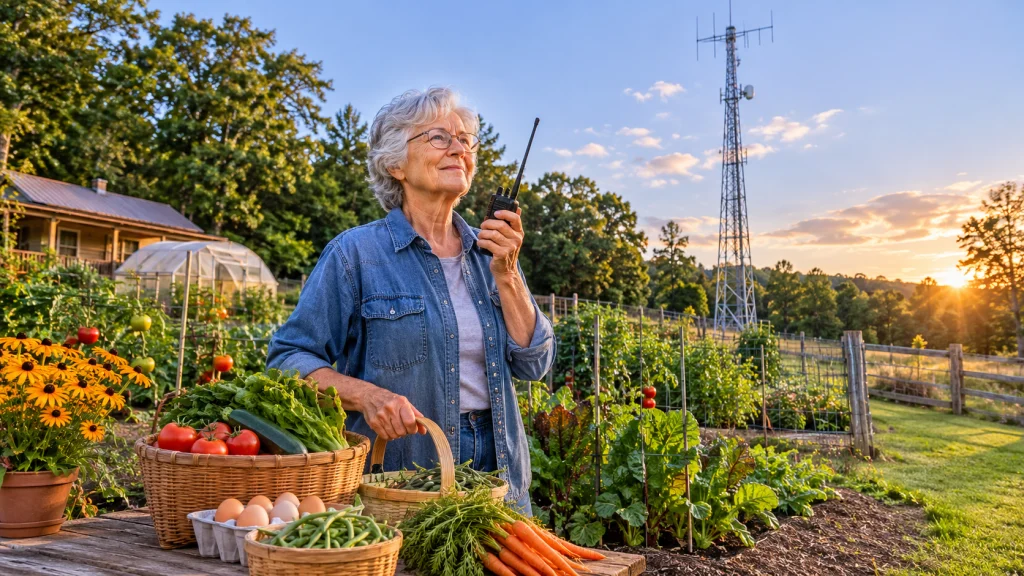
On our five-acre homestead, we have a tall amateur radio tower standing near our vegetable garden.
My husband is a licensed ham radio operator. Over the years, he’s participated in radio groups and emergency communications check-ins. Although he isn’t as active in those groups today, we still have our radio equipment and tower.
To me, that tower represents another important part of preparedness.
We grow food to become less dependent on outside supply chains. Amateur radio gives us another potential way to communicate when ordinary systems fail.
The garden helps us feed ourselves. The radio equipment may help us stay connected.
And for seniors who prepare alone, both kinds of resilience matter.
True preparedness isn’t just about what you store or grow. It’s also about the people you can reach when you need help.
There’s something deeply satisfying about growing your own food, saving seeds, and knowing you can provide for yourself.
But I’ve never believed that self-sufficiency means doing absolutely everything alone.
On a homestead, there’s always another chore, another harvest, or another problem that needs solving. Experience teaches you that knowing your limits is just as important as knowing your skills.
A neighbor with extra eggs, a gardener with spare seedlings, or someone willing to exchange a little help can make an enormous difference.
For those of us who value independence, asking for help doesn’t always come naturally.
But sharing what we have and accepting something useful in return isn’t weakness.
It’s the kind of practical cooperation that helped earlier generations get through difficult times.
And it’s worth bringing back.
Senior Resilience Tip: Start with one trusted connection, not an entire group. Keep your emergency pantry private, make exchanges in safe locations, and never trade away supplies you may need for your own survival.
FAQs
Is bartering legal in the United States?
Generally, yes. However, some barter transactions may create taxable income, and local laws may regulate certain food exchanges. Check the rules for your state and community.
Do I need money to join a local food network?
Not necessarily. Many informal exchanges involve goods, skills, or volunteer contributions rather than money. Some formal organizations charge membership fees.
What are the easiest items for seniors to barter?
Saved seeds, extra garden produce, seedlings, herbs, and lightweight gardening supplies are practical starting points. Useful knowledge and skills may also be exchanged.
Can I barter if I live in an apartment?
Absolutely. Container-grown herbs, sewing skills, seed-saving knowledge, and other small contributions can be useful. You don’t need acreage to participate.
Is bartering reliable during a disaster?
Not always. Bartering may become difficult or impossible during widespread emergencies. Treat it as a way to strengthen preparedness before a disaster, not as a substitute for your own emergency supplies.
How do I find people who want to trade food?
Start with local gardening clubs, community gardens, farmers markets, senior centers, and established neighborhood organizations. Build trust before arranging private exchanges.
Final Thoughts: Self-Sufficiency Is Stronger with Trusted Connections
Preparing alone doesn’t mean you have to face every challenge without help.
A small local food network can help you stretch your budget, share useful skills, reduce garden waste, and develop relationships that may become valuable during difficult times.
But the most successful networks are built gradually.
Start with one safe exchange. Get to know the people involved. Keep your boundaries clear and your emergency reserves protected.
Over time, those small connections can become a meaningful part of your preparedness plan.
You can remain independent while building a community that makes everyone a little more resilient.
Continue Building Your Food Sovereignty
Explore more practical ways to strengthen your food security:
- Sustainable Food Sovereignty for Seniors
- Building a 90-Day Pantry on a Fixed Income
- Best Vegetables to Grow for Survival
Reliable Resources
- USDA Local Food Directories: Find farmers markets, CSA farms, food hubs, and local farm markets.
- IRS Topic 420: Bartering Income: Understand potential federal tax obligations.
- CDC Food Safety Guidance: Learn safe food handling and storage practices.
- USDA Community Supported Agriculture Directory: Explore local farm-share opportunities.
Comments
Let’s Talk: How Do You Build Your Local Food Network?
Have you ever traded homegrown vegetables, seeds, eggs, or useful skills with a neighbor?
Maybe you belong to a gardening group, participate in food swaps, or use ham radio to stay connected during emergencies.
We’d love to hear from you!
What have you successfully bartered? How do you connect with trusted neighbors? What’s your biggest challenge when prepping alone?
Share your experiences in the comment section below. Your ideas could help another senior become more self-sufficient, one connection at a time!