
Companion Planting for Seniors: Simple Garden Pairings
This post may contain affiliate links. If you buy through them, I may earn a small commission at no extra cost to you.

🌱 From My Garden
I know how frustrating it is when gardening leaves you sore for days.
I don’t write these articles because I read about them. I write them because I’ve lived them. Between multiple shoulder surgeries, including two left shoulder replacements, chronic back pain, knee surgery, and surgeries on my right hand for carpal tunnel syndrome and Dupuytren’s contracture, and most recently, breast cancer surgeries, I’ve had to learn how to keep gardening without making my pain worse.
The tips I share come from real experience, along with research and current gardening best practices. My goal is simple: help you keep gardening safely, comfortably, and for many years to come.
Growing vegetables herbs and flowers together with less work
Companion planting for seniors begins with a simple question: can these plants share space without making the garden harder to manage? A useful combination should fit your climate, leave room for harvesting, and give you something you want to grow.
You do not need to memorize a chart of plant friends and enemies. Start with one small planting you can comfortably reach. Keep what works, change what does not, and let your own garden help guide the next season.
Companion planting can make a small garden more useful. The best starting point is a few plants with compatible needs, enough room to mature, and a layout that lets you water and harvest without awkward reaching. Choose manageable combinations before adding more varieties.
TL;DR for Seniors
Companion planting means growing different plants near one another for a useful purpose. That purpose might be sharing space, providing flowers for helpful insects, or making a small harvest easier to gather.
🌿 Key Points:
✅ Start with one combination in one bed or a few nearby containers.
✅ Match the plants to your local growing season and their mature size.
✅ Keep frequently picked crops close to the edge and within comfortable reach.
✅ Treat pest-control claims cautiously. No companion plant protects against every pest.
✅ Check watering needs before putting different plants in the same container.
🌻 Takeaway: A successful companion planting gives you a useful harvest without adding more work than you can comfortably handle.
What Companion Planting Can Really Do
Some combinations have a clear purpose. A quick crop can use space before a slower crop fills it. Flowers can provide resources for beneficial insects. However, an attractive planting chart is not proof that every listed combination improves growth or stops pests.
Review of Minnesota Extension discussions of research-backed companion planting examples. This discussion supports trying specific practices rather than expecting one universal arrangement to work everywhere.
Think of a shared garden bed as a shared kitchen. Everyone needs enough room to do their job.
Adding another plant only helps if the space, water, and access still work for the whole group.
For an older gardener, ease of care belongs in that decision.
A combination that needs frequent tying, thinning, and trimming may be a poor fit even if it looks wonderful in a photograph. Give yourself permission to choose the simpler arrangement.
Tip 1: Start with Food You Will Actually Use
Choose one main crop before selecting companions. It might be lettuce for sandwiches, peppers for cooking, or a tomato variety you enjoy. Then decide what you want the extra planting to accomplish. Do you want a second harvest, flowers, or herbs close to the kitchen?
Write down the job of each plant. If you cannot explain why you are adding it, leave it out for now. This keeps a small garden from becoming a collection of purchases that all need attention at once.
Consider your normal cooking routine, too. A large herb planting is unnecessary if you use only a few leaves each week. One small plant in a convenient place may be more useful than a crowded bed of herbs you rarely pick.
Like in my case, I have 2 large raised beds that are overrun with rosemary. I love the smell and I use it mainly to ward of skeeters by rubbing it all over myself when working outside.
Then, I have 2 raised beds of mint of different kinds, and 2 large pots of another kind of mint. I do use most of this as it dies out by mid Fall.
If you are still choosing the location and size of your garden, begin with Planning Your First Senior-Friendly Vegetable Garden. Get the basic layout working before adding more plants.
Tip 2: Match the Season before Matching the Plants
A companion planting suggestion is incomplete without a planting window. Lettuce and radishes generally favor cooler conditions. Tomatoes, peppers, and basil need suitable warm conditions. Depending on your location, their seasons may overlap briefly or hardly at all.
Use your local extension planting calendar and the variety’s instructions
- In a cold region, an early crop may finish as warm-season plants begin growing.
- In a mild-winter region, cool-season vegetables may be a fall or winter project.
- In a hot, dry location, watering and heat can become the main limits.
Avoid copying another gardener’s calendar month without checking your own conditions. A September planting in one region may need a completely different schedule elsewhere.
Your bed’s sun, wind, and reflected heat matter as well.
When the planting windows do not match, grow the crops separately or one after another. You have not failed at companion planting. You have made a sensible decision about what your garden can support.
Tip 3: Try One Simple Combination
These are starting options, not guaranteed pest remedies. Select one that fits your season and available space.
| Combination | Practical purpose | Main limit |
|---|---|---|
| Lettuce and radishes | Two small cool-season harvests | Allow each crop its recommended spacing |
| Tomato and basil in separate nearby pots | Convenient ingredients to harvest together | Give each pot enough light and root space |
| Leafy vegetables with flowering alyssum nearby | Flowers can support beneficial insects | Choose a locally suitable variety and control spread |
| Early lettuce followed by a pepper plant | Use the same space at different stages | Remove lettuce before crowding develops |
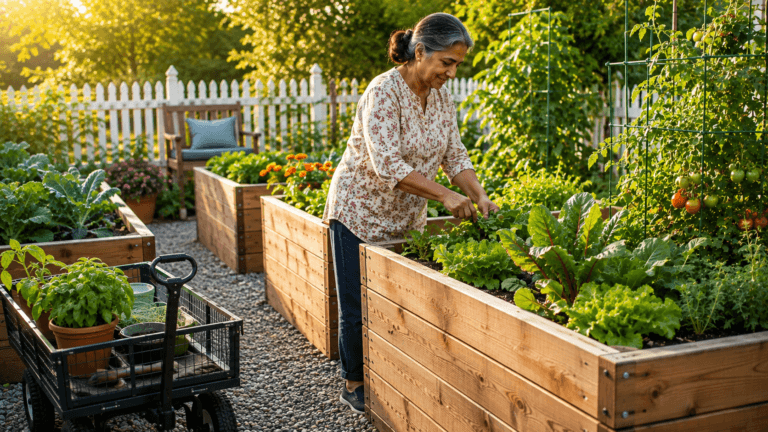
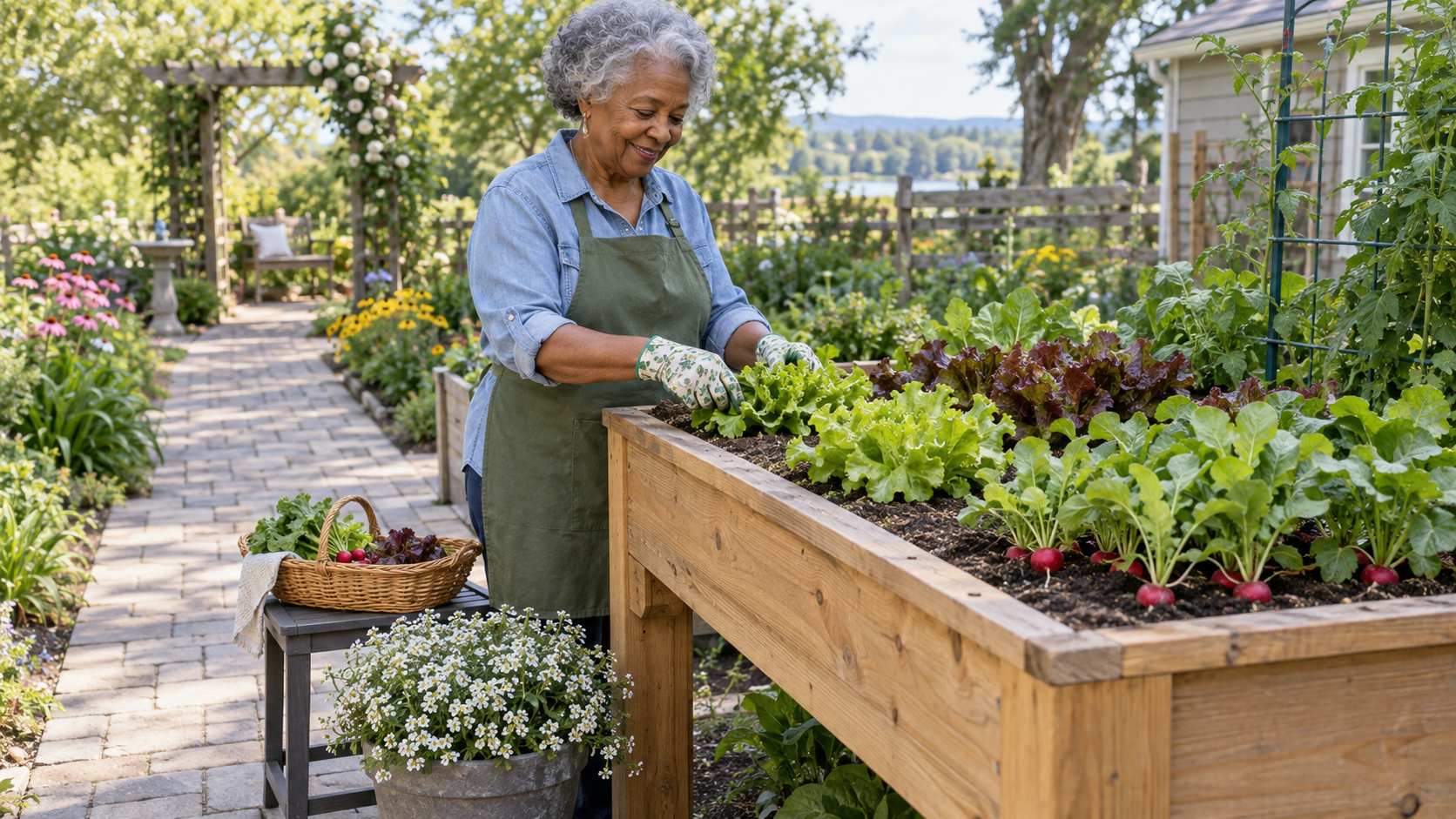
Lettuce and radishes are a reasonable first experiment if you like eating both. Keep them in separate short rows or small patches so you can recognize seedlings and harvest without disturbing the neighboring crop. Follow the seed packet rather than squeezing in extra plants.
For radishes, steady growth and timely harvest matter. Minnesota Extension’s radish guide explains how heat and drought stress affect quality. Use its crop guidance while following planting dates for your own region.
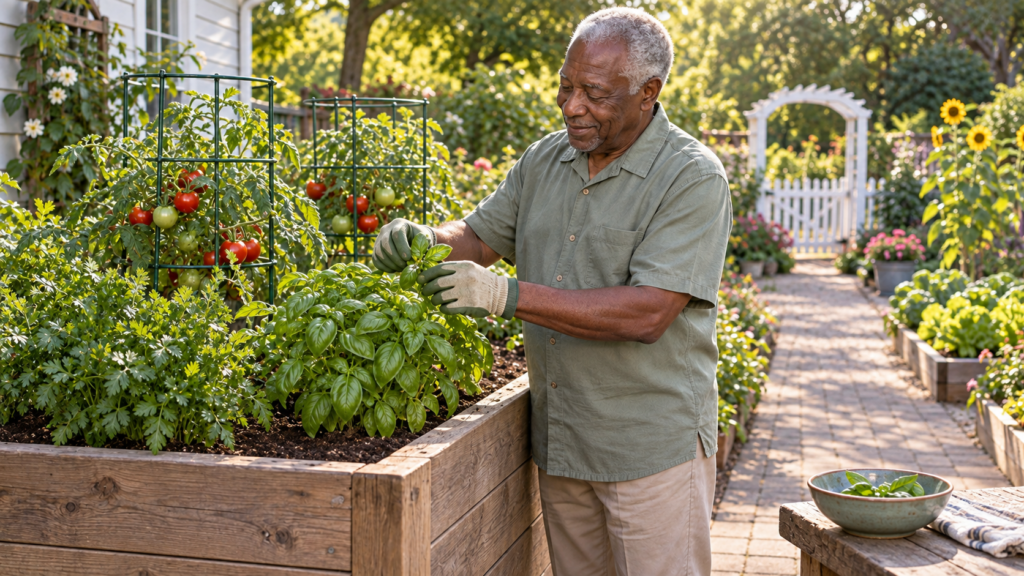
Tomatoes and basil can also be a convenient kitchen pairing. Separate pots make it easier to adjust their care. Choose this arrangement because you want both crops, rather than relying on a promise that basil will improve tomato flavor or eliminate insects.
Tip 4: Give Flowers a Useful Place
Flowers can be part of a vegetable garden without occupying every spare inch. A small nearby planting may be easier to manage than flowers tucked between all your vegetables. Choose plants suited to your region and check their mature spread before buying.
University of California guidance on companion planting describes flowers and flowering herbs as food sources for helpful insects. Alyssum and flowering herbs are among its examples. These benefits depend on conditions and do not guarantee pest control.
Reserve a place where you can inspect flowers without blocking access to vegetables. If you let an herb flower, you could keep another plant for regular leaf harvesting. That gives each plant a clear purpose and avoids trying to manage one specimen in conflicting ways.
Check whether your chosen flower spreads aggressively in your area. A companion that escapes the bed and creates extra weeding has become another chore. Start small enough that removing or replacing it will be easy.
Tip 5: Put Your Reach ahead of the Planting Chart
Before planting, stand or sit where you will work. Can you reach the soil without leaning heavily on the bed, twisting, or stretching across another plant? Repeat that check with the mature plants in mind. Tiny seedlings hide future access problems.
Minnesota Extension’s raised-bed guidance recommends using comfortable arm reach to help determine bed width. A bed accessible from only one side needs a different layout from one you can approach on both sides.
Put frequently harvested crops near your easiest working position.
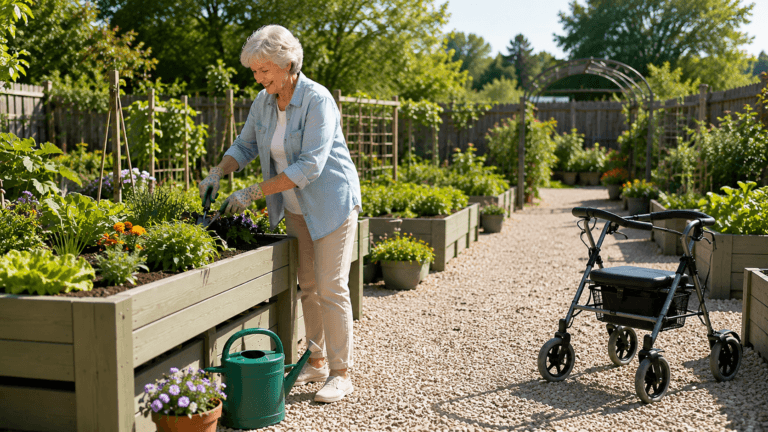
Keep pots, hoses, and trailing growth out of the path. Leave enough room to move your seat, walker, or cart without having to rearrange the garden each time.
If you use a wheelchair, test both forward and side access before choosing a planter. Comfortable height depends on your chair, reach, and the space under the planter. A standing-height bed is not automatically accessible from a seated position.
For more ways to arrange the work around your needs, see Gardening with Limited Mobility.
Tip 6: Plan Watering before Adding Another Plant
Every extra plant needs somewhere for its roots to grow and a way to receive water. A large pot can look spacious above the soil while becoming crowded below it. Read container-size recommendations for the main crop before adding anything else.
Separate containers are often the easier choice when care needs differ. Put them close enough for convenient watering, but leave room to inspect each one. Avoid a layout that requires lifting a heavy pot to reach the plant behind it.
Minnesota Extension’s watering guide explains how soil and rainfall affect irrigation. Check the soil rather than assuming all parts of a mixed planting need the same amount of water on the same schedule.
Make a dry run with your watering equipment before planting.
- Can the hose reach without crossing the walking route?
- Can you shut the water off easily?
- Could a helper understand the arrangement if you were away?
Solving these small problems first can save repeated effort later.
Tip 7: Keep Tall Plants and Supports Manageable
Check the mature height of everything you plan to grow. A compact plant and a vigorous climbing variety may share a crop name but need very different space. Choose the variety you can maintain, including any tying or pruning it requires.
Install supports before tangled growth makes the task awkward.
Place them where you can reach the harvest from a stable position. Do not plan on climbing a stool or pulling a vine toward you to reach food.
Minnesota Extension’s guide to trellises and cages stresses secure support.
A trellis must handle the plant and local wind conditions. The edge of a lightweight planter may not provide an adequate anchor.
Watch where shadows fall before committing to a layout. If a tall crop will shade another plant, decide whether that suits the smaller crop’s needs. Keep the arrangement easy to change during the first season.
Tip 8: Keep Checking for Pests
Flowers and mixed plantings do not replace inspection. Look at the growing tips and undersides of leaves during your normal watering round. If you find damage, identify the cause before deciding what to do. Not every insect on a plant is harming it.
UC Integrated Pest Management explains beneficial insects and biological control. Predators and parasitoids can help suppress pests, but their presence does not mean every outbreak will resolve on its own. Broad-spectrum insecticides can also harm these helpers.
Take a clear photograph if you are unsure what you have found. Include the whole plant, the damaged area, and the insect if visible.
A local extension office can give more useful advice when it can see the problem and knows which crop you are growing.
Avoid adding a trap crop simply because a chart suggests it. A plant used to attract pests also requires monitoring and a plan for managing them. For a small, low-effort garden, that extra responsibility may outweigh the benefit.
Tip 9: Keep a Small Record
You do not need a garden spreadsheet unless you enjoy keeping one. A phone photograph and a few notes can be enough. Record the planting date, varieties, spacing, and anything that made the work easier or harder.
Try noting three things after each harvest:
- what you picked,
- whether access was comfortable,
- and what needed extra attention.
These observations help you judge the arrangement by your own goals rather than by how full the bed looks.
If you want to compare combinations, change only one small area at a time. Keep expectations modest. Different weather, pests, and growing conditions can affect results, so one good season does not prove that a companion caused the improvement.
At the end of the season, choose one change. You might use fewer plants, put an herb in its own pot, or move the next planting closer to the path. A smaller adjustment is easier to evaluate than a complete redesign.
A Gentle First Planting Plan
Choose a reachable container or one short section of a bed. Pick a main crop you use often. Then add one compatible crop or a nearby flowering plant only if there is enough space and the season is right.
Set out the empty pots or plant labels before doing the planting. Check access with your usual tools and seat. Plan the watering route, then plant according to each variety’s directions. Stop before the job becomes tiring; the second part can wait.
Keep the first shopping list short. You may already have everything except seeds or one small plant.
Companion planting does not require a special kit, a large bed, or a collection of new tools.
For the first season, judge success by whether you enjoyed caring for the planting and used the harvest. If it created too much work, simplify it. An easier garden is a worthwhile improvement even when it contains fewer plants.
🌿 Trusted Gardening Resources
Enjoying your garden is easier when you have the right tools. These trusted gardening products can help reduce strain on your shoulders, protect your joints, and make everyday gardening tasks safer and more comfortable.
Whether you’re dealing with arthritis, recovering from surgery, or simply looking for easier ways to garden, these are products worth considering.
My Favorite Tools for Easier, Safer Gardening
The right tools can make everyday gardening more comfortable. These senior-friendly tools, raised planters, and accessories can help reduce bending, lifting, gripping, and reaching. I own and use several of these tools in my own garden. Choose what fits your needs and the work you actually do.
-
 $41.95Buy Now
Hand support garden gloves
Lightweight and comfortable gardening gloves provide extra support and mild compression.
We earn a commission if you make a purchase, at no additional cost to you.
-
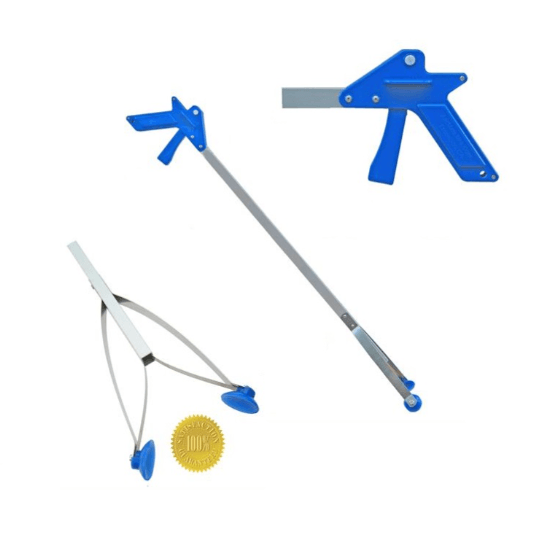 $21.95Buy Now
Suction cup, aluminum spring reaching tool
Round silicone tips provide a powerful and secure grip with delicate sensitivity.
We earn a commission if you make a purchase, at no additional cost to you.
-
 $12.76Buy Now
for Home, Kitchen, Sporting Equipment, Garden and the Outdoors, Comfortable and Versatile, 3 Grips, Blue, Green, Gray
Gardening & Outdoor Tools – Slip them onto shovels, rakes, and hand tools for comfortable all-day use while tending your garden
Ergonomic Comfort – With your focus on quality tools, these reduce hand fatigue during extended outdoor work—great for someone with your hands-on approach
We earn a commission if you make a purchase, at no additional cost to you.
09/10/2026 07:14 pm GMT -
 $9.99Buy Now
6 Pieces Kit for Finger, Wrist, Carpal Tunnel, Arthritis Pain Relief. Stress Relief - Occupational Equipment for Disabled
I didn't think about using these for my hand! Cool beans 🙂
We earn a commission if you make a purchase, at no additional cost to you.
09/27/2026 09:35 pm GMT -
 $109.90Buy Now
400lbs Weight Capacity, Gardening Cart Bench, Ergonomic Backrest & Tool Storage, for Yard, Patio
We earn a commission if you make a purchase, at no additional cost to you.
09/27/2026 10:05 pm GMT -
 $15.79Buy Now
Heavy duty steel scoop for transplanting, moving soil & potting mix. Mini shovel design for garden beds & container planting
We earn a commission if you make a purchase, at no additional cost to you.
09/10/2026 07:09 pm GMT -
 $59.99Buy Now
Inverted V Cutting Tip with Ripsaw Teeth: The sharpened V-shaped blade tip combined with aggressive serrated edges helps cut through stubborn roots, sod, and compact soil, making planting and root removal easier.
Ergonomic O-Handle Grip for Better Control: Features a patented natural O-handle design that provides more gripping surface than traditional D-handles, helping improve leverage, control, and comfort during extended digging tasks.
We earn a commission if you make a purchase, at no additional cost to you.
09/10/2026 07:09 pm GMT -
 $42.49Buy Now
No-Kink Flexibility, 3/4 Inch Solid Brass Fittings and Double Latex Core - Black and Green
Expandable, lightweight construction without sacrificing quality! The 3750D elastic outer fabric with 4 layers of latex protects the inner tube effectively from thorns, punctures, and sharp corners.
Lightweight, yet durable for heavy duty use! Every Flexi Hose is endurance-tested to 2000 uses and can withstand water pressures up to 12 bar and temperatures between 41 and 113 degrees Fahrenheit.
We earn a commission if you make a purchase, at no additional cost to you.
09/10/2026 07:09 pm GMT -
 $48.98Buy Now
MANUAL WEEDER TOOL: Lightweight, long shaft handle weed puller with easy-eject design to help prevent sore knees and back aches from kneeling and bending; Makes weed removal quicker and easier without multiple applications or harsh, costly chemicals
EFFICIENT AND COMFORTABLE DESIGN: Offset handle helps reduce wrist strain, and the integrated viewing window allows you to see weeds while four serrated, stainless steel claws firmly grab weeds and roots for permanent removal
We earn a commission if you make a purchase, at no additional cost to you.
09/10/2026 07:09 pm GMT -
 $115.07Buy Now
COMPLETE HOME AND GARDEN TOOLKIT - Tackles indoor and outdoor maintenance jobs with a comprehensive 6-piece set featuring ergonomically designed PowerGear Lopper, 9-in-1 Shears, Bypass Pruner, Folding Saw, IsoCore Hammer, and Utility Knife
We earn a commission if you make a purchase, at no additional cost to you.
09/10/2026 07:09 pm GMT -
 $39.99Buy Now
Effort-Saving Compound Leverage: The advanced compound design with four pivot points and lever system multiplies cutting force while reducing hand fatigue. Perfect for tackling thick branches with minimal effort
Adjustable Telescopic Handles 26"-33": Extendable handles allow you to adjust from 26" to 33", making it versatile for most garden pruning tasks, hedges, shrubs, and medium-height trees
We earn a commission if you make a purchase, at no additional cost to you.
09/27/2026 09:36 pm GMT -
 $51.59Buy Now
1.75" Capacity Tree Trimmer
IDEAL TREE BRANCH CUTTER: 25-Inch steel blade bypass lopper that glides through up to 1.75-Inch thick branches for easy cuts; Tree Pruner that works well for trimming tree branches to maintain your yard and garden
MAXIMUM POWER AND PRECISION: Garden loppers with PowerGear2 technology multiplies leverage to maximize branch-cutting power over traditional designs
We earn a commission if you make a purchase, at no additional cost to you.
09/10/2026 07:09 pm GMT -
 $28.99Buy Now
Compact Design, PowerGear Multiplies Leverage to Maximize Branch-Cutting Power, Lightweight Design Reduces Strain on Muscles
My Favorite!
QUALITY GARDEN TOOLS: Designed to help you cultivate a better garden, Fiskars garden and yard tools are equipped with smart technologies and award-winning, ergonomic features that make it easier and more enjoyable to transform your outdoor space
We earn a commission if you make a purchase, at no additional cost to you.
09/27/2026 10:03 pm GMT -
 $29.99Buy Now
Requires Less Grip Strength for Gardening.
- ERGONOMIC VERTICAL GRIP - Unlike standard gardening tools that require you to bend your wrist and grip the handle tightly while pushing and pulling, putting pressure on your joints and forearms, the vertical grip on Bernini's Garden Tool Set lets you keep your wrist in a naturally straight position and use the force from larger muscles like the upper arm and shoulder to move soil.
We earn a commission if you make a purchase, at no additional cost to you.
09/10/2026 06:15 pm GMT -
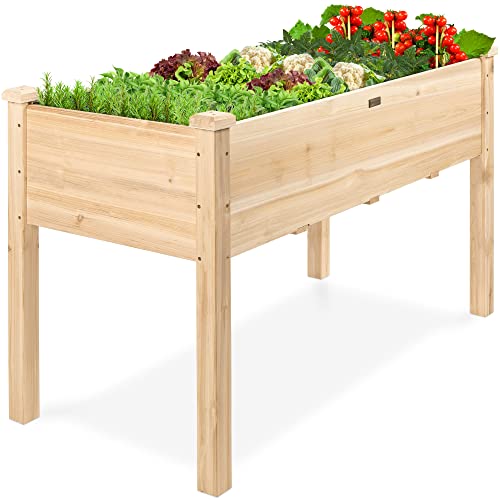 $99.99Buy Now
for Backyard, Patio, Balcony with Bed Liner, 200 Pound Capacity - Natural
We earn a commission if you make a purchase, at no additional cost to you.
09/27/2026 09:52 pm GMT

Why This Matters
Growing a little food can add fresh ingredients and useful skills to your preparedness plan. It also gives you a chance to learn what grows well in your own space. A small mixed planting is one manageable way to build that experience.
Companion planting cannot guarantee a harvest or replace stored food and water. Its value is practical: you can try a modest arrangement, learn from it, and keep the parts that suit your life. That is progress you can build on.
Find more ways to make the work manageable in the Smart Gardening for Seniors hub.
🌱Continue the Smart Gardening Series
Every gardener faces different challenges. These practical guides can help you reduce pain, conserve energy, and grow more with less work.
Popular Guides
🌱 Raised Bed Gardening for Seniors
🌼 Planning a Low-Maintenance Garden
🧰 Best Ergonomic Gardening Tools for Seniors
🪶 Choosing Lightweight Garden Equipment
🛒 Garden Carts, Kneelers, and Rolling Seats
🥕 Best Vegetables to Grow for Survival
👉 See Every Smart Gardening for Seniors Article
Discover practical gardening tips that make growing vegetables, herbs, and flowers easier, safer, and more enjoyable for older adults.
FAQs
What is the easiest companion planting for beginners?
Try lettuce and radishes in separate small patches during your local cool growing season, if you enjoy both. Keep the spacing simple and follow the varieties’ instructions. Separate nearby pots are another easy way to start.
Does companion planting prevent all garden pests?
No. Some practices support beneficial insects or reduce particular pests under certain conditions. Keep inspecting your plants and identify problems before treating them.
Can I use companion planting in containers?
Yes, but allow enough root space and match the plants’ care needs. Nearby separate containers are often easier to manage than several crops sharing one pot.
Do tomatoes need basil planted beside them?
No. Grow basil nearby if you want a convenient herb harvest. Do not depend on it to change tomato flavor or provide complete pest protection.
Will the same combinations work everywhere?
No. Planting seasons, heat, rainfall, available light, and varieties all matter. Use local extension advice and your own growing conditions when choosing a combination.
Have you tried growing vegetables, herbs, or flowers together? In the comments section below, tell us what you planted, your general growing region, and whether the combination made gardening easier. Your experience could help another gardener choose a manageable place to start.