
How to Pace Yourself While Gardening
This post may contain affiliate links. If you buy through them, I may earn a small commission at no extra cost to you.

🌱 From My Garden
I know how frustrating it is when gardening leaves you sore for days.
I don’t write these articles because I read about them. I write them because I’ve lived them. Between multiple shoulder surgeries, including two left shoulder replacements, chronic back pain, knee surgery, and surgeries on my right hand for carpal tunnel syndrome and Dupuytren’s contracture, and most recently, breast cancer surgeries, I’ve had to learn how to keep gardening without making my pain worse.
The tips I share come from real experience, along with research and current gardening best practices. My goal is simple: help you keep gardening safely, comfortably, and for many years to come.
You go outside to pick a few vegetables. Then you notice weeds, a plant that needs tying, and a pot that looks dry. Before long, your quick garden visit has become a much bigger job than you planned.
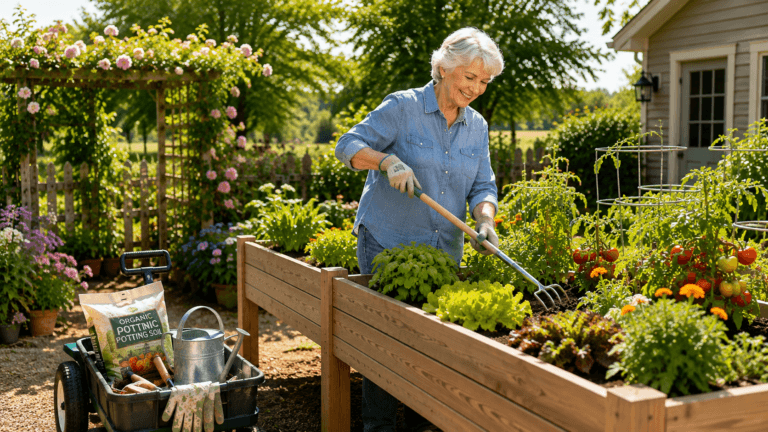
Learning how to pace yourself while gardening starts before you pick up a tool. Decide what matters today, choose a small stopping point, and leave enough energy to put things away and get back indoors comfortably.
A garden should fit the energy you have available. Short, planned sessions and easier ways of working can help you keep gardening manageable. You do not have to finish an entire bed to make useful progress.
TL;DR for Seniors
Pacing means planning the amount of work and rest around your abilities. The aim is to avoid doing so much at once that gardening crowds out the rest of your day.
🌿 Key Points:
✅ Pick one main task and give it a clear stopping point.
✅ Plan breaks before you become worn out.
✅ Count setup, walking, watering, and cleanup as part of the job.
✅ Adjust for the weather, your health, and other demands that day.
✅ Stop for new or concerning symptoms. A timer never overrides your body.
🌻 Takeaway: Finish with enough capacity to get home safely and manage the rest of your day. An unfinished garden task can wait.
What Pacing Looks Like in a Garden
Pacing gives a garden session boundaries. Instead of deciding to weed until the bed is clear, you might choose one reachable corner and then stop for a break. The amount should suit your current ability, not what you once managed or what someone else can do.
Think of the day’s energy as a household budget. Gardening shares it with cooking, bathing, shopping, and everything else.
Spending the whole amount outside leaves little room for the tasks that still need doing.
The NHS includes pacing in its advice on managing persistent pain. Pacing is a planning tool, not a promise that you will avoid every flare or feel the same each day. Follow any activity restrictions your healthcare team has given you.
Tip 1: Choose What Actually Needs Doing Today
Before starting, sort your garden list into three groups: essential today, can wait, and needs help. That small decision can prevent a pleasant visit from turning into an unplanned afternoon of work.
A ripe harvest or a dry container may need attention. Straightening labels or making a bed look tidy can usually wait. Heavy lifting belongs on a separate list if it exceeds what you can comfortably manage.
Avoid putting every task in the essential group. If too many jobs truly cannot wait, the answer may be help or a smaller planting next season. A longer list does not create more energy.
Tip 2: Choose a Manageable Amount before You Start
Use what you already know about your response to gardening. Choose an amount you can usually manage without a substantial increase in symptoms or loss of function afterward. There is no single safe session length for every senior.
If ten minutes of a particular job regularly leaves you struggling later, ten minutes is not a useful starting target. Try a smaller amount, an easier version, or assistance. If your limits are unclear, ask a physical or occupational therapist to help you plan.
A phone reminder or kitchen timer can make a planned pause easier to remember. Set it where you can hear or see it. Its job is to interrupt the temptation to keep going, not to challenge you to finish faster.
Tip 3: Count the Whole Job
Garden work begins before the first weed comes out. Finding gloves, carrying supplies, opening a gate, and walking to a distant bed all take effort. Returning tools and washing the harvest are part of the same workload.
Imagine a short planting job that also requires moving a bag of soil, finding a trowel, and cleaning several pots. Planting may be the easiest part. Write down those extra steps before deciding whether the job fits today.
Set aside capacity for cleanup and the trip back inside. Keep the final tasks simple: put sharp tools away, turn off the water, and leave the path clear. Do not use your planned finishing time to start another row.
For a garden far from the house, consider keeping a small set of supplies in a secure, weather-protected location nearby. Make sure this reduces carrying without placing tools where they create hazards.
Tip 4: Break Large Jobs into Separate Visits
A large project often contains several jobs that do not need to happen together. Preparing a planter, sowing seeds, and organizing labels can be separate visits. Decide where each visit will end before you begin.
For example, preparing a container might mean choosing its permanent location first. A helper could move the empty container and supply the growing mix. On another suitable day, you could handle a small amount of planting at a comfortable height.
Here are practical ways to divide common jobs. These are planning examples, not a required schedule.
| Large job | Smaller task for one visit | What can wait or need help |
|---|---|---|
| Weed the whole bed | Clear one easy-to-reach patch | Remaining patches and stubborn roots |
| Plant several containers | Plant one prepared container | Moving pots and handling heavy soil |
| Harvest everything | Pick the ripe produce within reach | High or awkward produce |
| Tidy the garden | Clear the walking route | Decorative tidying and larger cleanup |
If a half-finished project would leave a dangerous hole, unstable support, or blocked path, arrange help before starting. A good stopping point should leave the garden safe as well as leave you with energy.
Tip 5: Change the Demand on Your Body
Different garden jobs can load the same joints. Pulling weeds, squeezing pruners, and gripping a hose nozzle may all tire your hands. Simply changing tools may not provide the relief you expected.
Arthritis UK recommends alternating gardening tasks and taking rests. Choose a genuinely different demand, such as moving from a brief standing task to a seated visual check, when that suits your abilities.
A task change is not the same as rest. If your whole body feels tired, replace the work with an actual pause. Sitting down while continuing to sort a heavy harvest still involves effort.
Notice your working position, too. If you keep stretching across a plant or holding your shoulders raised, change the setup. See Gardening with Shoulder Pain for related ideas about reducing awkward reaching.
Tip 6: Make Rest Easy to Take
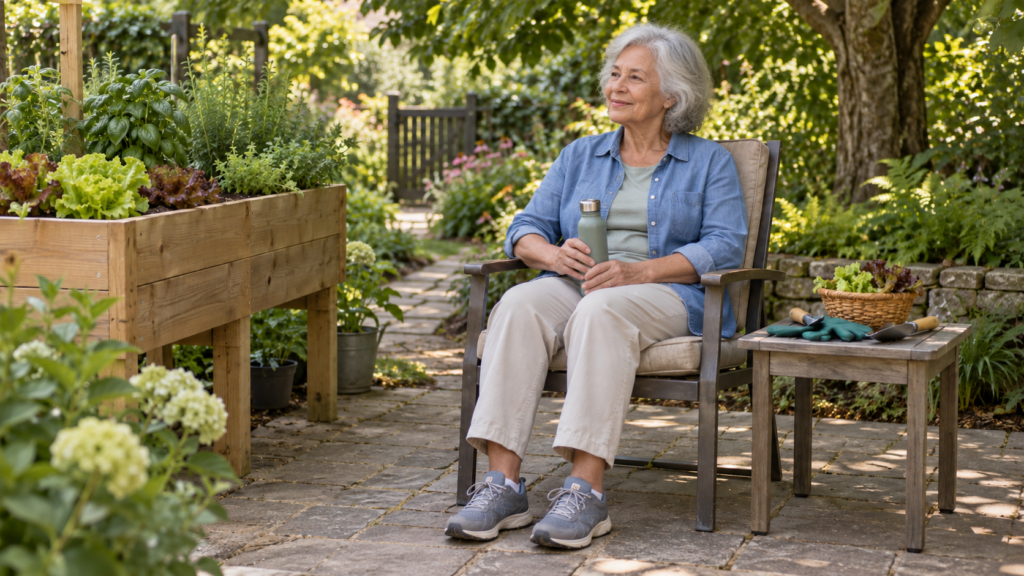
Choose a resting place before you begin. A stable chair with suitable support, positioned near the work and away from the walking route, makes a pause more practical. Test whether you can sit down and stand up comfortably.
During a planned rest, set the tools down. Let the garden wait. Enjoying the view is a perfectly good use of that time, and you do not have to turn the break into another productive activity.
The right rest length varies. Resume only when doing so fits your usual tolerance and you feel ready; sometimes the session is over. If heat is a concern, move to a genuinely cool place rather than assuming outdoor shade is enough.
Tip 7: Let the Weather Change the Plan
Choose a suitable weather window for your area. Early morning may work for some people; a cooler part of the evening may suit others. Check actual conditions and leave enough daylight to see paths and tools clearly.
The CDC advises extra heat precautions for adults 65 and older. Age, health conditions, and some medicines can affect the body’s response to heat. On a high-risk day, moving gardening to another day may be the best choice.
Keep drinking water available. If your clinician limits fluids or you take water pills, ask what amount is appropriate during hot weather. Do not follow a general gardening article instead of your personal fluid plan.
Check local heat risk and air quality, and postpone outdoor work during unsafe conditions. Ask your pharmacist or clinician about medicine-related heat risks; do not change medicines yourself. The CDC heat-health guide provides further planning advice.
Tip 8: Remove Unnecessary Work
Look for the repeated chore that uses the most effort. Is it carrying water, walking back for tools, or dealing with too many pots? Improving that one problem may help more than buying another gadget.
Try preparing a small task tray before going outside. Include only what that visit requires. Leave room for a lightweight harvest container so you do not return indoors with loose tools and vegetables balanced in your arms.
Write down the task that interrupts you most often. If the hose always catches, change its route. If the same supply is always missing, give it a regular place. Solve one small problem before adding a more complicated system.
When planning the next planting, choose a size that fits ordinary days. Use Planning Your First Senior-Friendly Vegetable Garden to think through a manageable layout. Starting fewer plants is often easier than finding time to care for extras later.
Tip 9: Plan around the Rest of Your Life
A day with appointments, errands, or visitors already has demands. Garden planning should include those demands. You might choose a quick harvest near the door and leave the larger task for another suitable day.
Use a very small list for difficult days. It might contain one essential check that you can safely do, or a request for someone else to handle it. Resting completely can also be the appropriate choice.
On a better day, resist treating every unfinished job as overdue. Choose the task that matters most and keep your planned boundaries. Good weather and enthusiasm do not create an obligation to finish the whole list.
Tip 10: Use Tomorrow as Feedback
Use a strong cage or trellis when you plant. Adding support after the plant becomes large is harder and can damage the branches.
Keep a brief note after a session: the job, roughly how long it took, and how you felt later. Add anything unusual, such as heat, poor sleep, or an appointment beforehand. You are looking for patterns, not grading your performance.
If a job repeatedly leaves you much worse, change its duration, method, or place in your schedule. Bring that information to your healthcare team if the change is substantial or persists. Do not assume every new symptom is simply aging.
For people with ME/CFS, post-exertional malaise can be delayed by 12 to 48 hours and last much longer than ordinary tiredness. CDC guidance emphasizes individual limits and avoiding overexertion. If you experience delayed crashes, seek individualized advice rather than pushing through or automatically increasing activity.
A Flexible Example for Your Next Garden Visit
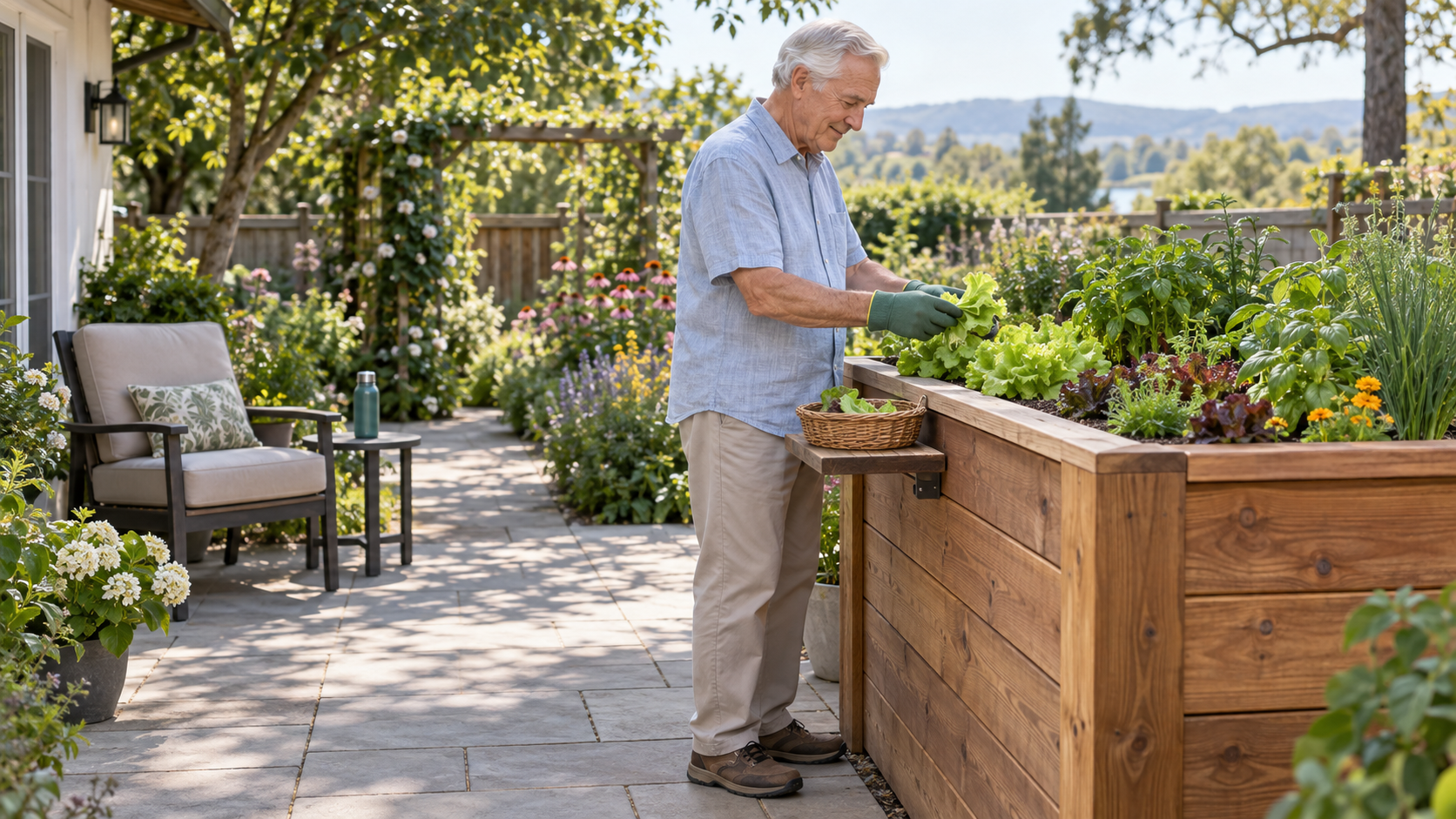
Suppose you want to harvest lettuce and remove weeds. Choose the harvest as the main job. Set out a small basket, check the route, and decide on a modest amount you already know you can manage.
Harvest the reachable leaves, then take your planned rest. Reassess before doing anything else. If another short task fits your limits, remove a few easy weeds. If it does not, put things away and finish for the day.
For someone who already tolerates it, five minutes of light work followed by a rest might be a useful trial. That is an illustration, not a prescription. Some people need less activity, longer rests, or help with the entire job.
Success means following a plan that suits you. The number of weeds left behind is not the measure. You can return to the task later without turning today’s visit into an endurance test.
When to Stop and Get Help
Stop for new sharp pain, a new injury, or symptoms that are unusual for you. Seek medical advice about persistent or worsening problems. Chest pressure or pain, especially with breathlessness, sweating, or upper-body discomfort, needs emergency help. The American Heart Association advises calling 911 for heart attack warning signs.
In hot weather, dizziness, nausea, headache, or unusual weakness can signal heat illness. Stop, move to a cool place, and seek prompt medical help. Confusion, collapse, or seizures may indicate heat stroke: call 911 and begin cooling with cool water and wet cloths while waiting. Do not give drinks to someone who is confused or unconscious. CDC heat-illness guidance explains the warning signs and first aid.
🌿 Trusted Gardening Resources
Enjoying your garden is easier when you have the right tools. These trusted gardening products can help reduce strain on your shoulders, protect your joints, and make everyday gardening tasks safer and more comfortable.
Whether you’re dealing with arthritis, recovering from surgery, or simply looking for easier ways to garden, these are products worth considering.
My Favorite Tools for Easier, Safer Gardening
The right tools can make everyday gardening more comfortable. These senior-friendly tools, raised planters, and accessories can help reduce bending, lifting, gripping, and reaching. I own and use several of these tools in my own garden. Choose what fits your needs and the work you actually do.
-
 $14.43Buy Now
With Ultra Sharp Japanese Steel Titanium Blade, Arthritis Friendly
We earn a commission if you make a purchase, at no additional cost to you.
09/27/2026 09:39 pm GMT -
 Buy Now
LifeFone Medical Alert System
Be prepared for any injury, disaster, health problem.
We earn a commission if you make a purchase, at no additional cost to you.
-
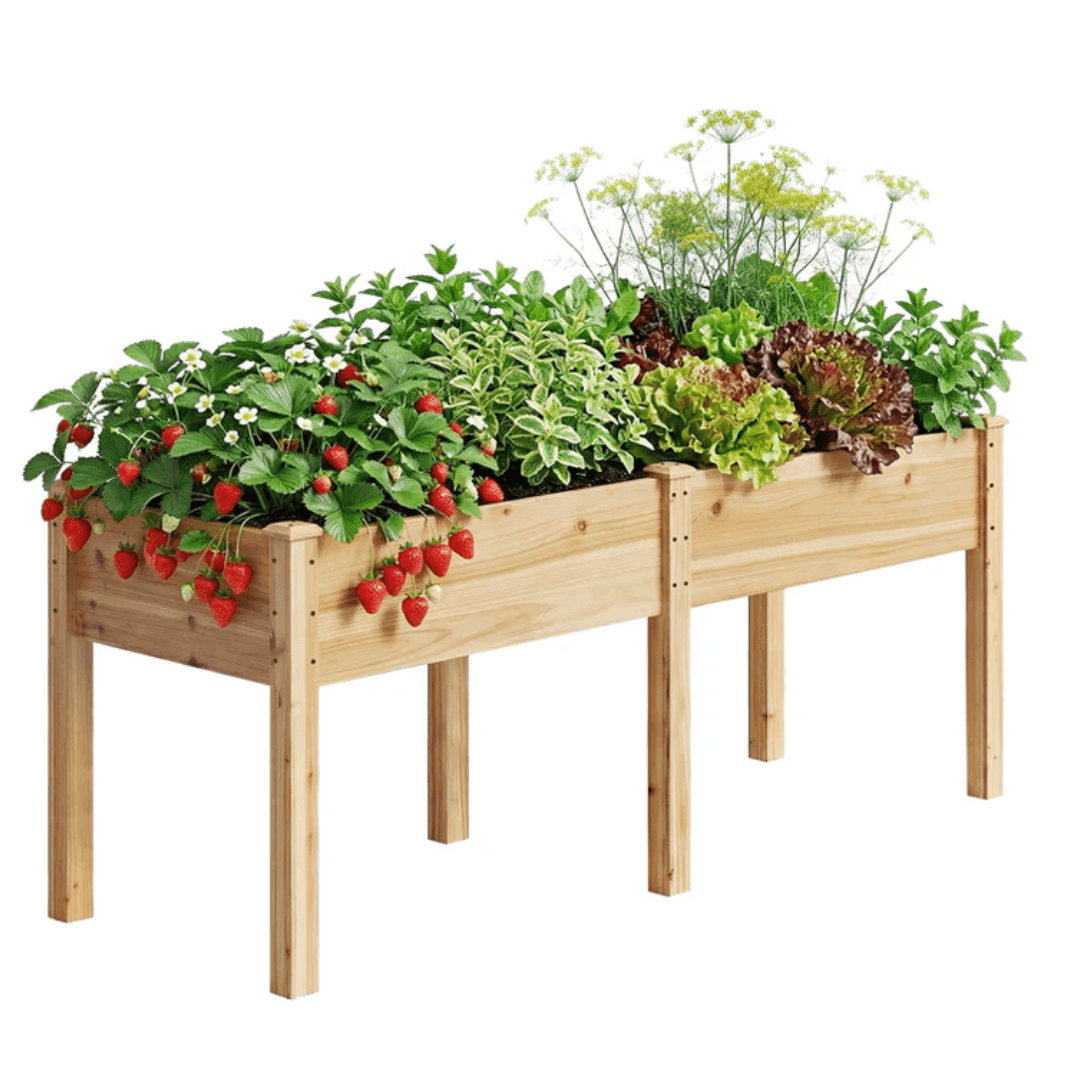 $109.99Buy Now
72" x 26 X 30" Wooden Raised Garden Bed with Legs, Elevated Reinforced Planter Box with Divider Panel & Drainage Holes, Natural Fir Wood Garden Planter for Vegetables, Herbs, Flowers, Patio, Balcony & Backyard
We earn a commission if you make a purchase, at no additional cost to you.
-
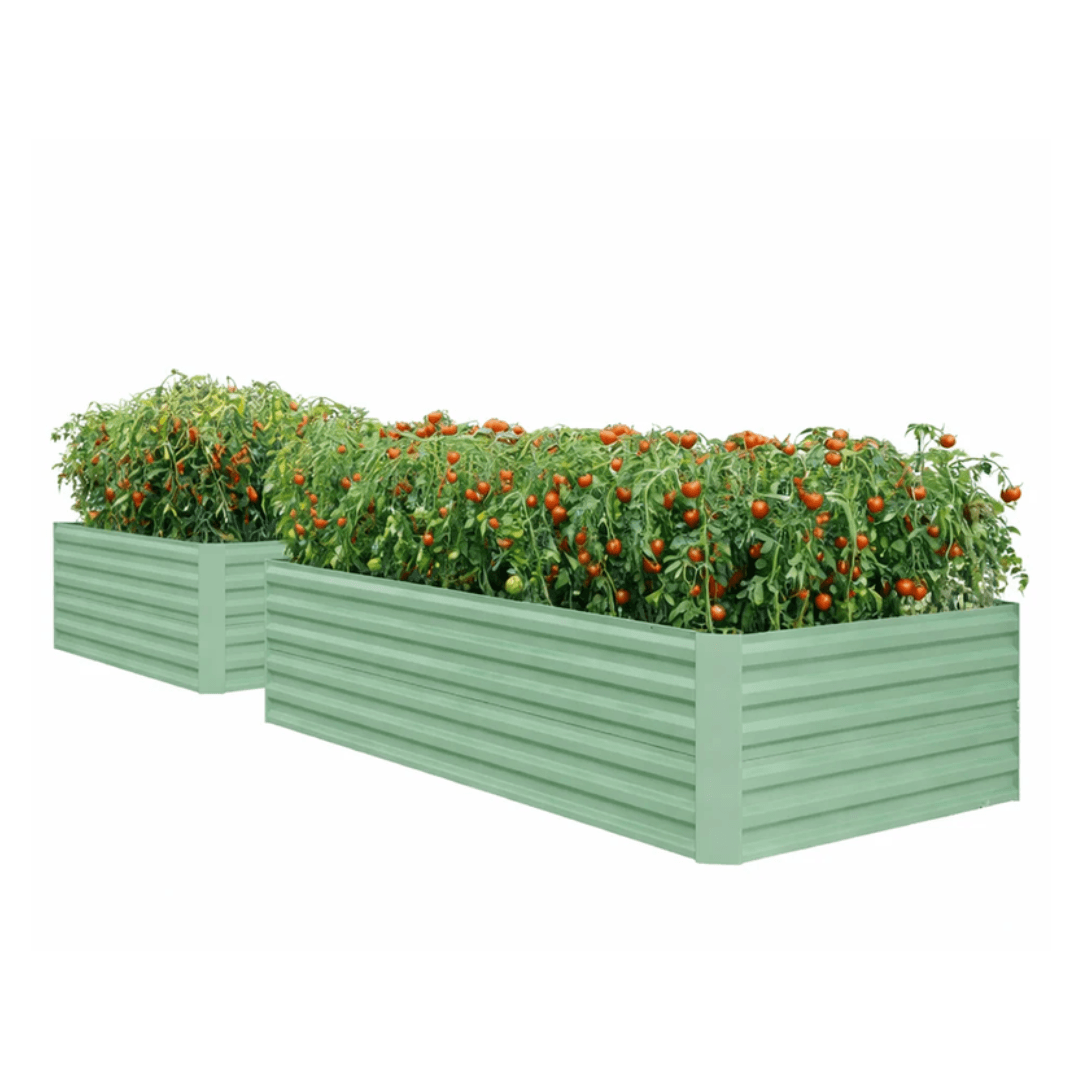 $157.99Buy Now
24-Inch Deep Open-Bottom Planter Boxes for Vegetables, Herbs & Flowers
We earn a commission if you make a purchase, at no additional cost to you.
-
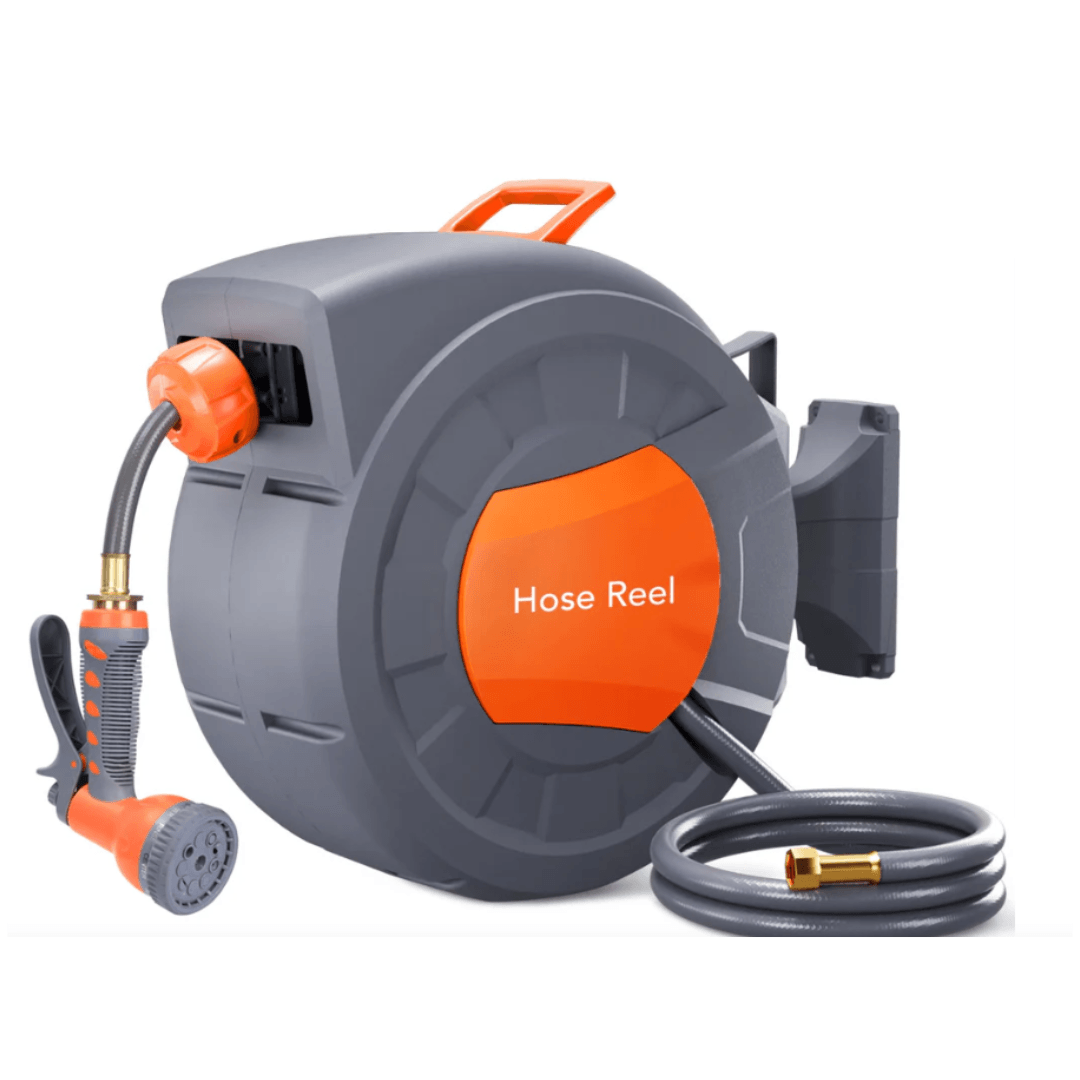 $89.99Buy Now
Garvee 1/2 in × 100 ft Retractable Garden Hose Reel, Wall Mount Auto Rewind, 9-Pattern Nozzle
We earn a commission if you make a purchase, at no additional cost to you.
-
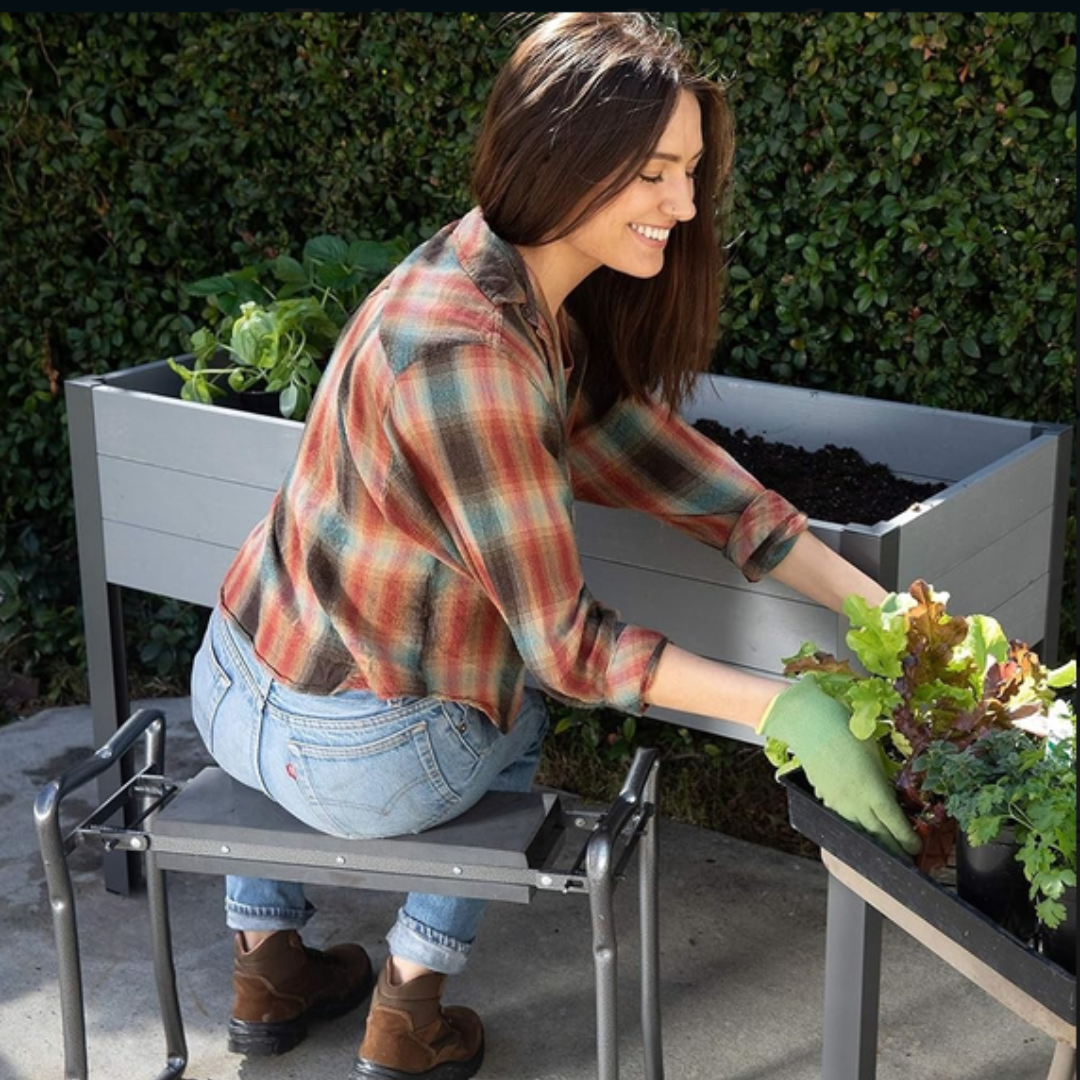 Buy Now
Converts from a comfortable bench for sitting to a cushioned kneeler by simply flipping it over.
We earn a commission if you make a purchase, at no additional cost to you.
-
 $16.99Buy Now
Beach Hiking Summer Wide Brim UPF 50+ Outdoor Protection Foldable Bucket Hat Beige, One Size
I own 2 of these! I even wear it in the pool.
We earn a commission if you make a purchase, at no additional cost to you.
09/27/2026 09:58 pm GMT -
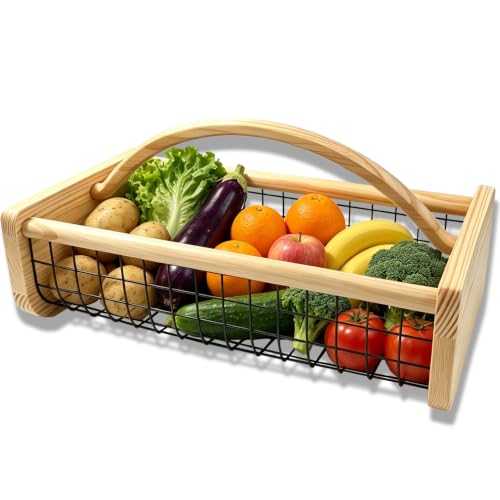 $38.99Buy Now
With Bent Solid Handle and Coated Mesh, Rinse & Deain Fresh Produce Easily for Kitchen and Outdoor Pick...
We earn a commission if you make a purchase, at no additional cost to you.
09/10/2026 12:11 am GMT -
 $6.99Buy Now
Super-sharp. Orange 1-Pack
I own 2 of these, 'cuz I use them everywhere!
We earn a commission if you make a purchase, at no additional cost to you.
09/27/2026 10:00 pm GMT -
 $57.94Buy Now
Heavy-Duty Tree Trimmer for Thick, Dry, Dead Branches, Ratchet Design Compounds Force for Easy Use, Low-Friction Steel Blades
We earn a commission if you make a purchase, at no additional cost to you.
09/27/2026 10:01 pm GMT -
 $28.99Buy Now
I LOVE THIS!: Fiskars 15-Inch Anvil PowerGear Super Pruner glides through branches up to 1.25" thick for easy cuts on dry, dead growth; trim tree branches to maintain your yard and garden and maintain overall plant health and appearance.
This is so light to carry around while you work.
We earn a commission if you make a purchase, at no additional cost to you.
09/27/2026 10:03 pm GMT -
 $14.80Buy Now
I OWN 2 PAIR OF THESE! Hand Protection with Touch Screen for Gardeners, Farmers, Landscapers and Movers
We earn a commission if you make a purchase, at no additional cost to you.
09/27/2026 10:04 pm GMT -
 $109.90Buy Now
400lbs Weight Capacity, Gardening Cart Bench, Ergonomic Backrest & Tool Storage, for Yard, Patio
We earn a commission if you make a purchase, at no additional cost to you.
09/27/2026 10:05 pm GMT -
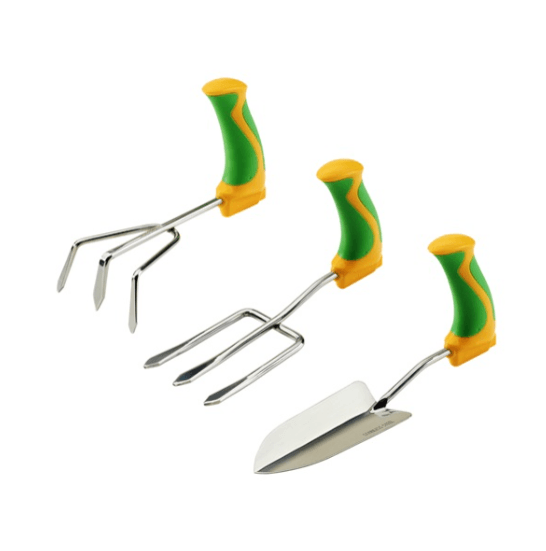 $59.95Buy Now
Upright handle, ergonomic hand tools set
Set of 3 adapted gardening tools with patented handle design.
We earn a commission if you make a purchase, at no additional cost to you.
-
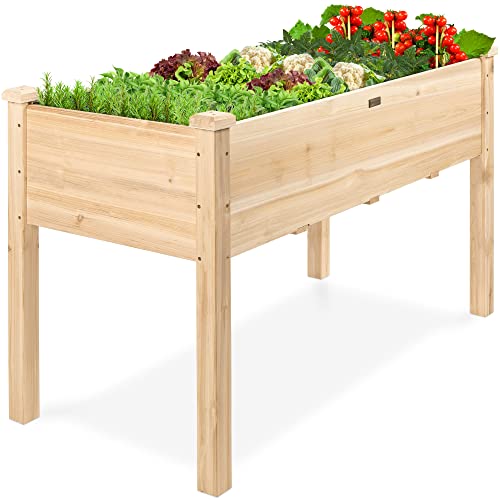 $99.99Buy Now
for Backyard, Patio, Balcony with Bed Liner, 200 Pound Capacity - Natural
We earn a commission if you make a purchase, at no additional cost to you.
09/27/2026 09:52 pm GMT

Why This Matters
A useful garden is one you can keep caring for within your abilities. Pacing gives you a way to plan the work, ask for help, and protect time for the other parts of your life.
For preparedness, a modest garden can provide fresh food and practice without becoming another daily burden. Choose a manageable planting, learn its needs, and make adjustments as your circumstances change. You do not need to prove your independence by doing every job alone.
Find more practical ways to adapt your garden in the Smart Gardening for Seniors hub.
🌱Continue the Smart Gardening Series
Every gardener faces different challenges. These practical guides can help you reduce pain, conserve energy, and grow more with less work.
Popular Guides
🌱 Raised Bed Gardening for Seniors
🌼 Planning a Low-Maintenance Garden
🧰 Best Ergonomic Gardening Tools for Seniors
🪶 Choosing Lightweight Garden Equipment
🛒 Garden Carts, Kneelers, and Rolling Seats
🥕 Best Vegetables to Grow for Survival
👉 See Every Smart Gardening for Seniors Article
Discover practical gardening tips that make growing vegetables, herbs, and flowers easier, safer, and more enjoyable for older adults.
FAQs
How often should seniors take a gardening break?
There is no schedule that suits everyone. Plan a pause before your usual limit, considering the task, weather, and health conditions. Break sooner or stop if symptoms call for it. Follow your individual care plan.
Is changing garden jobs the same as resting?
No. A different task may change which joints or muscles are working, but it still uses energy. Include real breaks when you need them.
What if I can only garden for a few minutes?
Choose one small, useful task within your abilities, or ask for help. Picking a little food or checking one container can be enough for that visit.
Should I do extra work when I feel better?
Avoid using a good day to catch up on everything. Keep a manageable plan and consider how you respond afterward. A good session does not automatically mean you should increase the next one.
Can I garden from a chair?
Yes, if your setup allows safe, comfortable access. Use stable seating, keep supplies within reach, and avoid twisting or stretching. See Gardening with Limited Mobility for more ideas.
What helps you stop before gardening becomes too much? In the comments section below, share a simple habit, a helpful setup, or a job you now divide into smaller parts. Your idea may help another gardener enjoy more comfortable time outdoors.