
Gardening with Limited Mobility: Keep Growing No Matter How You Get Around

🌱 From My Garden
Limited mobility affects everyone differently. Some gardeners use a cane or walker. Others rely on a wheelchair or scooter. Many simply find that standing, walking, or bending for long periods is no longer possible.
I know how frustrating it is when gardening leaves you sore for days.
I don’t write these articles because I read about them. I write them because I’ve lived them. Between multiple shoulder surgeries, including two left shoulder replacements, breast cancer surgeries, chronic back pain, knee surgery, and surgeries on my right hand for carpal tunnel syndrome and Dupuytren’s contracture, I’ve had to learn how to keep gardening without making my pain worse.
The tips I share come from real experience, along with research and current gardening best practices. My goal is simple: help you keep gardening safely, comfortably, and for many years to come.
The good news is that gardening isn’t about how far you can walk or how long you can stand.
It’s about adapting your garden to fit your abilities instead of trying to force your body to fit your garden.
The ideas in this guide come from my own experiences, research, conversations with other gardeners, and recommendations from gardening and rehabilitation experts. My goal is simple: help you keep enjoying your garden safely for many years to come.
Gardening Doesn’t Have to End Because Your Mobility Has Changed
Whether your mobility changed because of aging, surgery, arthritis, Parkinson’s disease, a stroke, multiple sclerosis, an injury, or another health condition, you can still enjoy the rewards of gardening.
You may need to garden differently than you did years ago, but “different” doesn’t mean “less.”
Many experienced gardeners discover they actually enjoy gardening more after redesigning their space. Instead of spending energy walking back and forth, lifting heavy supplies, or struggling with awkward tasks, they create gardens that work with their abilities.
A few thoughtful changes can make gardening easier, safer, and far more enjoyable.
This guide will show you practical ways to reduce walking, eliminate unnecessary bending, organize your workspace, and continue growing flowers, vegetables, and herbs without exhausting yourself.
TL;DR: Gardening with Limited Mobility
Limited mobility doesn’t mean giving up gardening. It simply means designing your garden around the way you move today.
🌿 Key Points:
✅ Build or buy raised beds that are easy to reach from a chair, wheelchair, or mobility scooter.
✅ Keep frequently used tools close to where you work.
✅ Use lightweight, ergonomic tools that require less effort.
✅ Replace long walks with rolling carts or utility wagons.
✅ Install drip irrigation or soaker hoses to reduce carrying watering cans.
✅ Choose smaller gardening sessions with plenty of breaks.
✅ Remove trip hazards and create wide, stable paths.
✅ Ask for help with heavy lifting so you can focus on the enjoyable parts of gardening.
🌻 Takeaway: Your garden should fit your abilities, not the other way around. Small changes today can help you continue gardening safely and independently for years to come.
Continue reading for detailed tips, helpful tools, and practical techniques that can help you garden more comfortably and confidently.
Gardening Should Fit Your Life, Not Your Limitations
One of the biggest mistakes gardeners make is trying to maintain the same garden they had twenty years ago.
- Maybe your vegetable garden covered half an acre.
- Maybe you carried fifty-pound bags of soil without thinking twice.
- Maybe climbing ladders to prune fruit trees was just another Saturday chore.
As our bodies change, those jobs become harder, slower, and sometimes unsafe.
That doesn’t mean you’ve failed.
It simply means your garden needs to evolve with you.
Think about eyeglasses.
Most people don’t stop reading because their eyesight changes. They buy glasses.
Gardening is the same way.
Instead of giving up the hobby you love, give yourself better “tools” by redesigning your garden to match your current abilities.
Many master gardeners eventually simplify their landscapes for the same reason. They discover they spend less time maintaining their gardens and more time actually enjoying them.
Sometimes, less really does produce more.
Start with What Matters Most
Walk through your yard and ask yourself one simple question.
“What parts of gardening bring me the most joy?”
Your answer might be:
- Growing tomatoes.
- Fresh herbs.
- Beautiful flowers.
- Watching butterflies.
- Feeding hummingbirds.
- Harvesting fresh vegetables.
- Sitting outside with a cup of coffee.
Notice that none of those involve hauling mulch or digging large holes.
Those are chores.
The joy comes from the garden itself.
Once you identify what matters most, you can design everything else around those priorities.
Reduce Walking before You Buy New Equipment
Many gardeners immediately begin shopping for gadgets.
Sometimes the biggest improvement costs nothing.
- Instead, rearrange your garden.
- Store your tools near your raised beds.
- Move frequently used pots closer to your water source.
- Keep fertilizer where you’ll actually use it.
- Place gloves, hand tools, and pruning shears in a small weatherproof container near your favorite gardening area.
Every unnecessary trip across the yard uses energy that could be spent enjoying your plants.
Saving steps throughout the day can make a surprising difference.
Create Gardening Stations
Professional workshops are organized into workstations.
Your garden can be too.
Instead of carrying supplies all over the yard, create small gardening stations.
Each one might include:
- A comfortable chair or garden stool.
- Hand tools.
- Gloves.
- Twine.
- Plant labels.
- Small pruners.
- Water bottle.
- Sunscreen.
- Bug spray.
- Garden notebook.
Now everything you need is within easy reach.
You’ll spend less time searching and more time gardening.
Think in Circles Instead of Straight Lines
Many traditional gardens require constant walking.
- You finish one task.
- Walk to another area.
- Return for supplies.
- Walk back again.
Instead, create compact work areas.
Raised beds arranged in a U-shape or horseshoe shape allow you to reach several planting areas without moving very far.
Container gardens grouped together also reduce unnecessary travel.
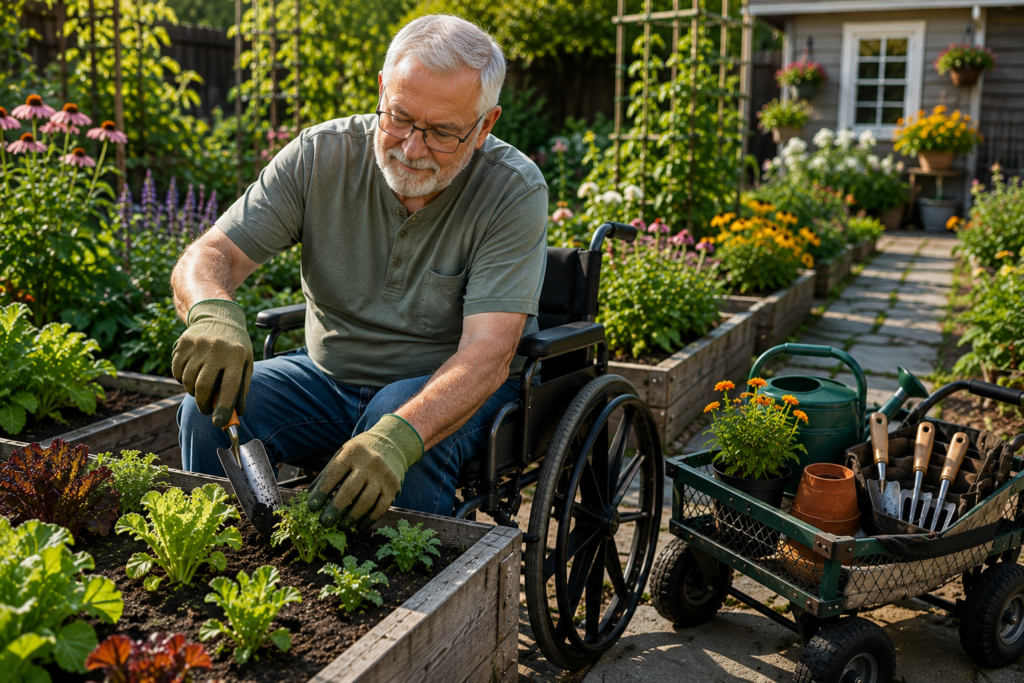
This design works especially well for gardeners who use walkers, wheelchairs, or mobility scooters because it minimizes turning, backing up, and long distances.
Raised Beds Can Be Life-Changing
Raised beds have appeared throughout this Gardening Without Pain series because they solve so many common problems.
For limited mobility, they’re even more valuable.
The ideal height depends on how you garden.
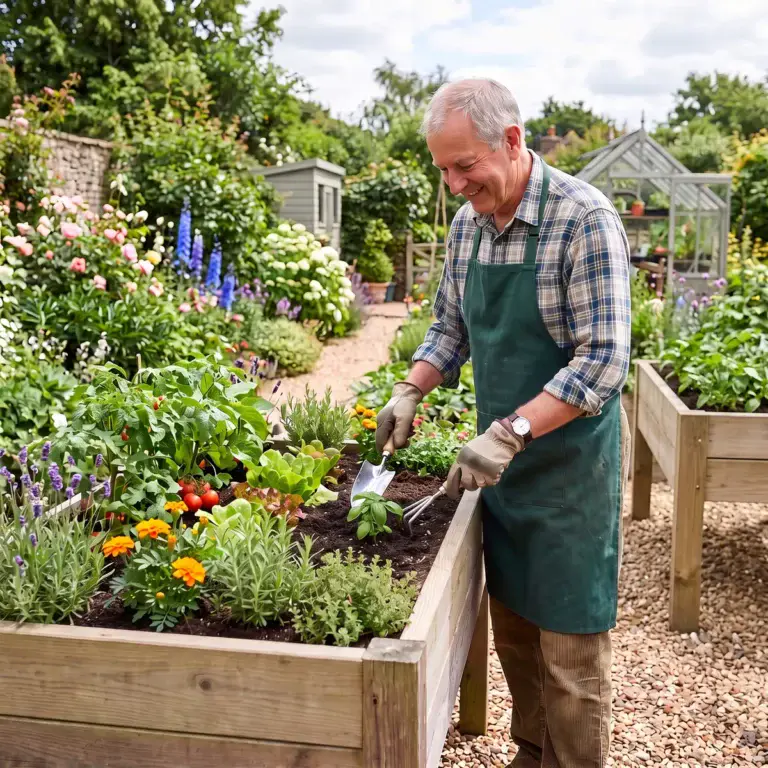
If you remain standing, waist-high beds reduce bending.
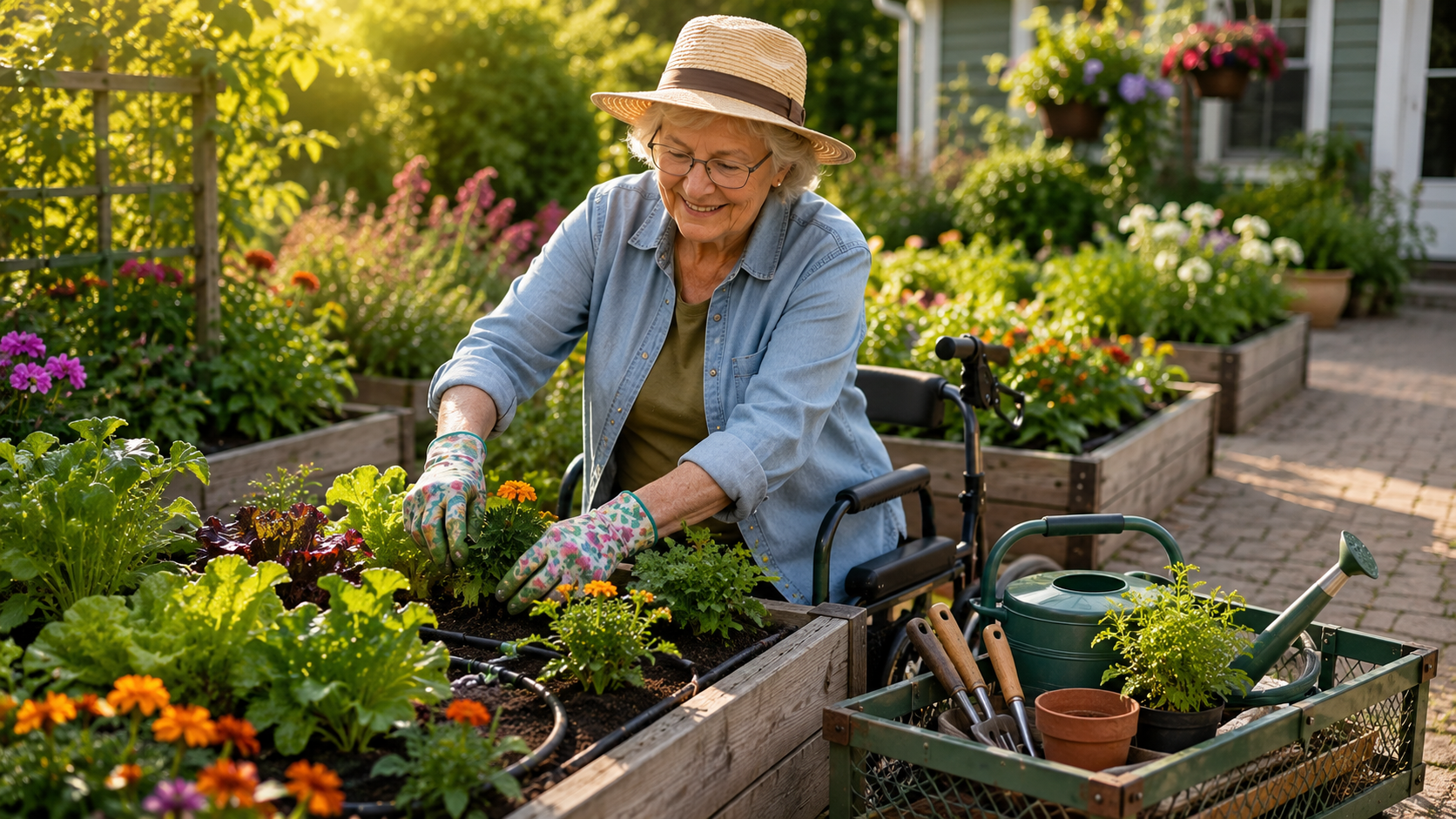
If you garden from a seated position, beds around 34 to 36 inches high often provide comfortable access without excessive reaching.
Leave enough room around each bed for mobility devices.
Paths should be wide, smooth, and free of obstacles.
Think about turning radius before installing permanent beds.
You’ll appreciate the extra space every single day.
Containers Bring the Garden to You
Containers are another excellent solution.
Large decorative pots placed on sturdy stands reduce bending while making seasonal changes easy.
Rolling plant caddies allow heavier containers to move without lifting.
Instead of walking around the yard checking dozens of flower beds, you can group favorite plants together near your patio, porch, or deck.
Many gardeners eventually discover they enjoy caring for fewer plants that are easier to reach instead of struggling to maintain a large landscape.
A smaller garden that’s well cared for is far more rewarding than a large one that’s exhausting.
Make Watering Almost Effortless
For many gardeners with limited mobility, watering is one of the most tiring daily chores.
Carrying heavy watering cans across the yard can quickly lead to fatigue, back strain, or even a fall.
Fortunately, there are much easier ways to keep your plants healthy.
A simple drip irrigation system delivers water directly to your plants without lifting a thing. Soaker hoses are another affordable option that slowly water the soil while using less water than sprinklers.
If you prefer watering by hand, use a lightweight hose with an adjustable nozzle instead of a heavy rubber hose. Hose reels or hose guides can also make moving the hose much easier.
The less energy you spend watering, the more energy you’ll have for planting, harvesting, and enjoying your garden.
Choose Lightweight, Ergonomic Tools
The right tools can make gardening feel much less like work.
Look for tools that are:
- Lightweight.
- Ergonomic with padded handles.
- Easy to grip.
- Long enough to reduce bending and reaching.
Long-handled cultivators, weeders, and trowels allow you to work while standing more comfortably or while seated beside a raised bed.
Battery-powered pruners can also be a worthwhile investment if squeezing hand pruners has become difficult.
You don’t need dozens of specialty tools. A few well-designed tools that fit your abilities will often replace an entire collection of older, heavier equipment.
Bring Your Supplies to You
Repeated trips to the garage or shed waste energy.
Instead, use a rolling garden cart or utility wagon to carry everything you’ll need before you begin.
Load it with:
- Potting mix.
- Fertilizer.
- Hand tools.
- Water bottle.
- Garden gloves.
- Plant labels.
- Pruners.
- Small bucket for weeds or harvests.
Think of your cart as your mobile gardening workstation.
Everything moves with you instead of you constantly moving to everything else.
Garden During Your Best Time of Day
Everyone has times when they feel stronger and more energetic.
Pay attention to your own body.
Some people do their best gardening early in the morning.
Others feel better after lunch.
Choose the time when you have the most energy and the least discomfort.
During hot weather, try to finish before the afternoon heat. Cooler temperatures reduce fatigue and lower the risk of heat-related illness.
Even fifteen or twenty productive minutes can accomplish a surprising amount when you work consistently.
Pace Yourself
One of the hardest lessons many gardeners learn is that it’s okay to stop before you’re exhausted.
It’s tempting to think, “I’ll finish just one more bed.”
Or, “I only have a few more weeds.”
Unfortunately, those “few more minutes” often become the reason you’re sore for the next two days.
Instead, set a timer.
Garden for twenty or thirty minutes.
Take a break.
Drink some water.
Stretch gently.
Then decide whether you want to continue.
Stopping while you still feel good usually means you’ll be able to garden again tomorrow.
Make Safety Your First Priority
Falls are one of the biggest risks for older gardeners.
Fortunately, many hazards are easy to eliminate.
Walk through your garden and look for:
- Uneven stepping stones.
- Loose hoses across walkways.
- Tree roots.
- Slippery moss.
- Low edging that’s difficult to see.
- Tools left on the ground.
Replace narrow paths with wider, stable walkways whenever possible.
If you use a walker, wheelchair, or mobility scooter, test each path before planting season begins.
A beautiful garden isn’t worth an unnecessary injury.
Don’t Be Afraid to Ask for Help
Many gardeners take pride in doing everything themselves.
I understand that feeling.
But there’s a difference between independence and doing jobs that could cause an injury.
Save your energy for the parts of gardening you enjoy most.
Ask a family member, neighbor, or friend to help with jobs like:
- Moving bags of soil.
- Spreading mulch.
- Building raised beds.
- Trimming large shrubs.
- Digging deep holes.
- Moving heavy containers.
There’s no shame in accepting help with the hardest tasks.
In fact, it’s one of the smartest ways to stay gardening longer.
Gardening Is Good for Your Health
Gardening offers benefits that go far beyond growing flowers and vegetables.
It provides gentle physical activity, fresh air, sunshine, and a sense of purpose.
Many gardeners also find that tending plants reduces stress and improves their mood.
Watching seeds sprout, harvesting fresh vegetables, or seeing butterflies visit your flowers brings a sense of accomplishment that’s difficult to replace.
Even a small patio garden or a few containers can provide those same rewards.
The goal isn’t to grow the biggest garden in the neighborhood.
The goal is to keep doing something you love.
🌿 Trusted Gardening Resources
Enjoying your garden is easier when you have the right tools. These trusted gardening products can help reduce strain on your shoulders, protect your joints, and make everyday gardening tasks safer and more comfortable.
Whether you’re dealing with arthritis, recovering from surgery, or simply looking for easier ways to garden, these are products worth considering.
My Favorite Tools for Easier, Safer Gardening
Gardening should not leave you hurting for days. I put together this collection of senior-friendly gardening tools, raised planters, and helpful accessories. I own and use several of them myself. Others were chosen because they may reduce bending, lifting, gripping, reaching, and unnecessary walking around the garden.
-
 $14.43Buy Now
With Ultra Sharp Japanese Steel Titanium Blade, Arthritis Friendly
We earn a commission if you make a purchase, at no additional cost to you.
09/27/2026 09:39 pm GMT -
 Buy Now
LifeFone Medical Alert System
Be prepared for any injury, disaster, health problem.
We earn a commission if you make a purchase, at no additional cost to you.
-
 $109.99Buy Now
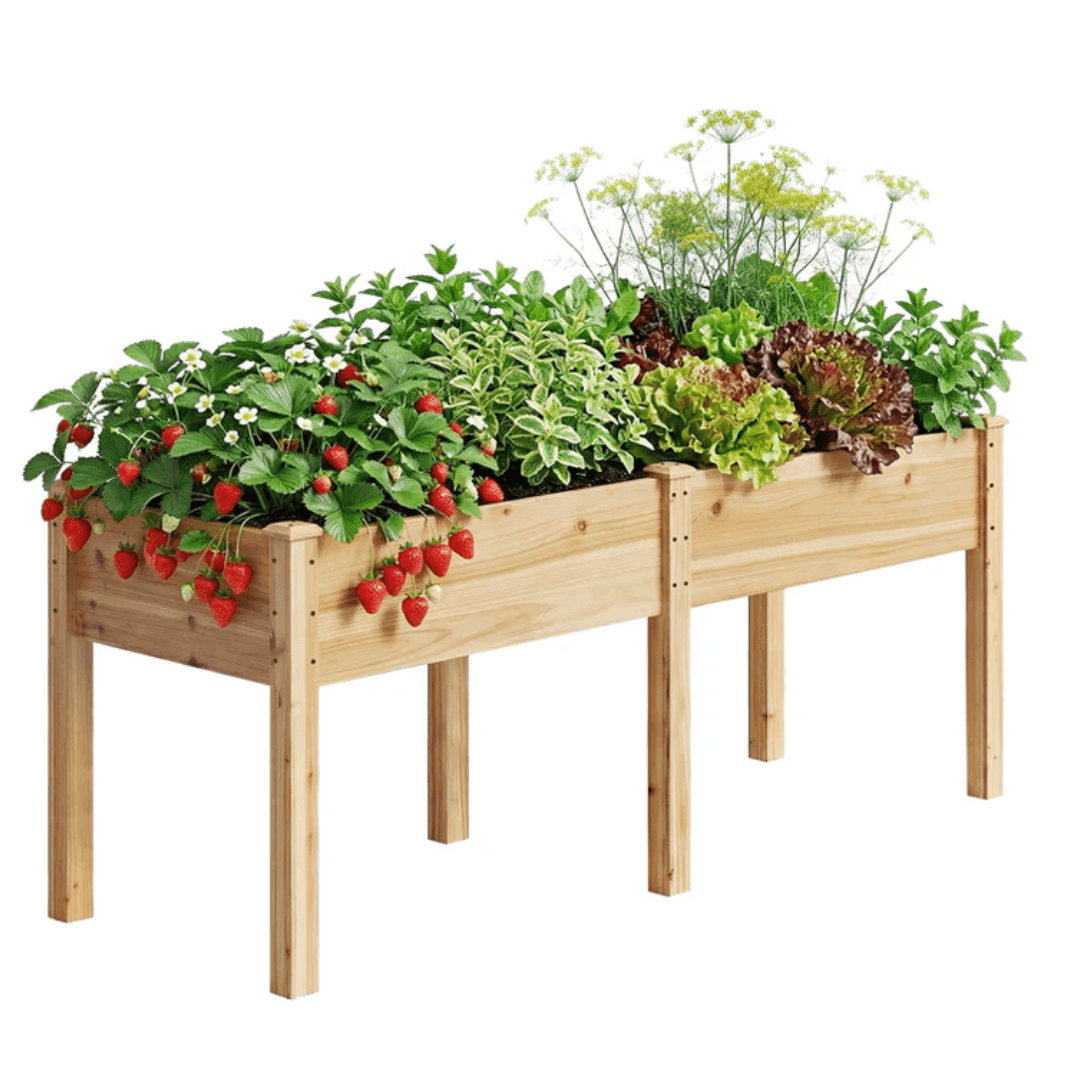
72" x 26 X 30" Wooden Raised Garden Bed with Legs, Elevated Reinforced Planter Box with Divider Panel & Drainage Holes, Natural Fir Wood Garden Planter for Vegetables, Herbs, Flowers, Patio, Balcony & Backyard
We earn a commission if you make a purchase, at no additional cost to you.
-
 $157.99Buy Now
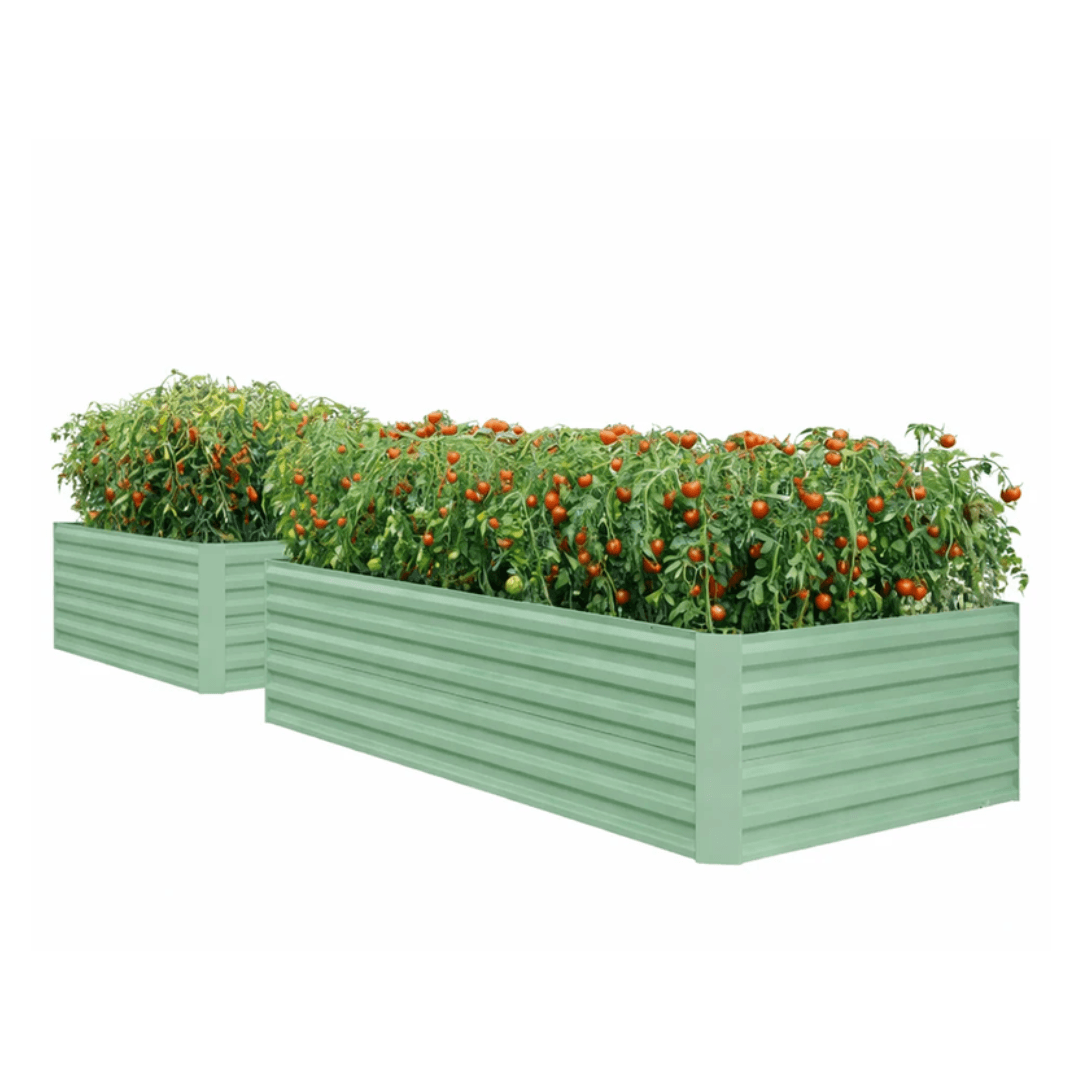
24-Inch Deep Open-Bottom Planter Boxes for Vegetables, Herbs & Flowers
We earn a commission if you make a purchase, at no additional cost to you.
-
 $89.99Buy Now
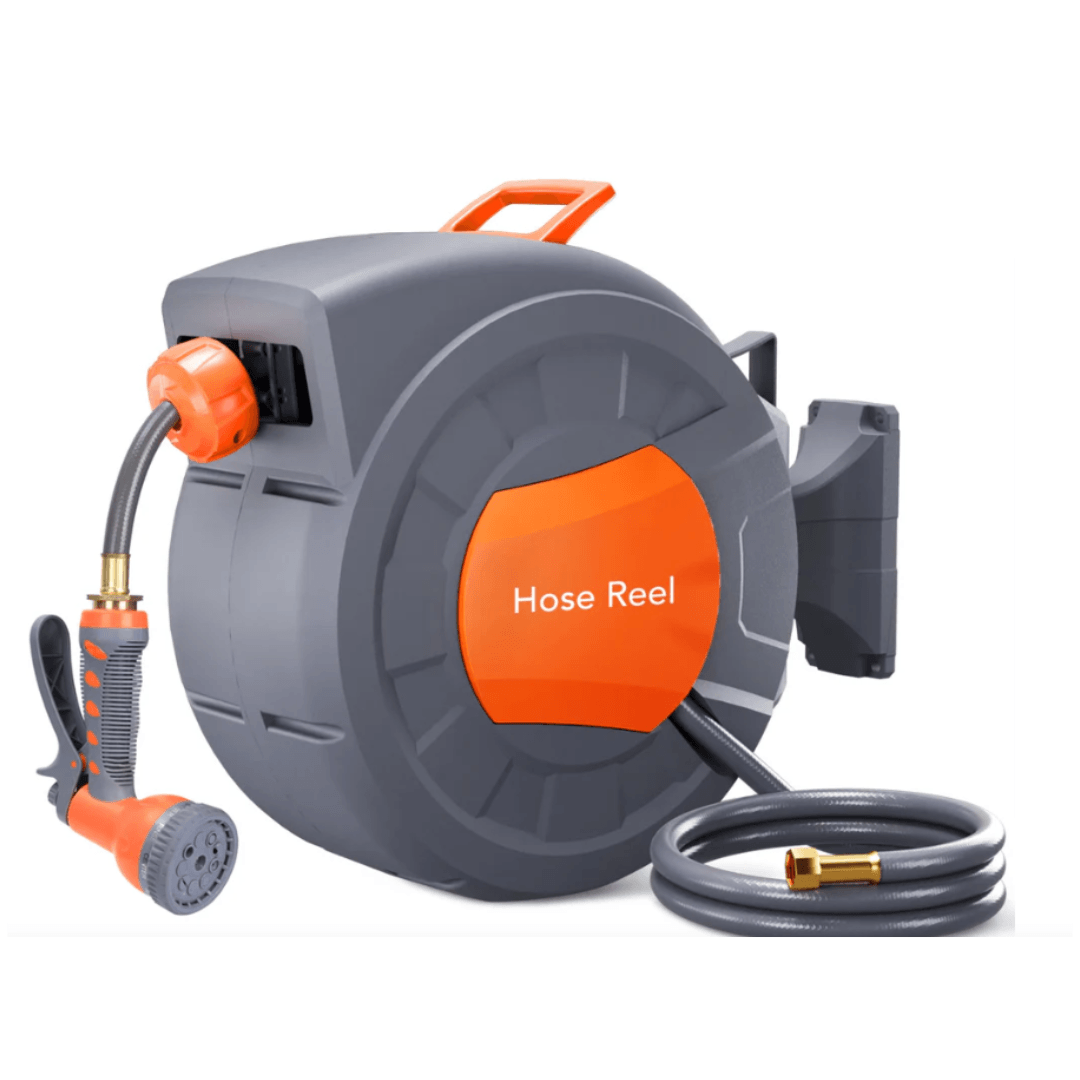
Garvee 1/2 in × 100 ft Retractable Garden Hose Reel, Wall Mount Auto Rewind, 9-Pattern Nozzle
We earn a commission if you make a purchase, at no additional cost to you.
-
 Buy Now
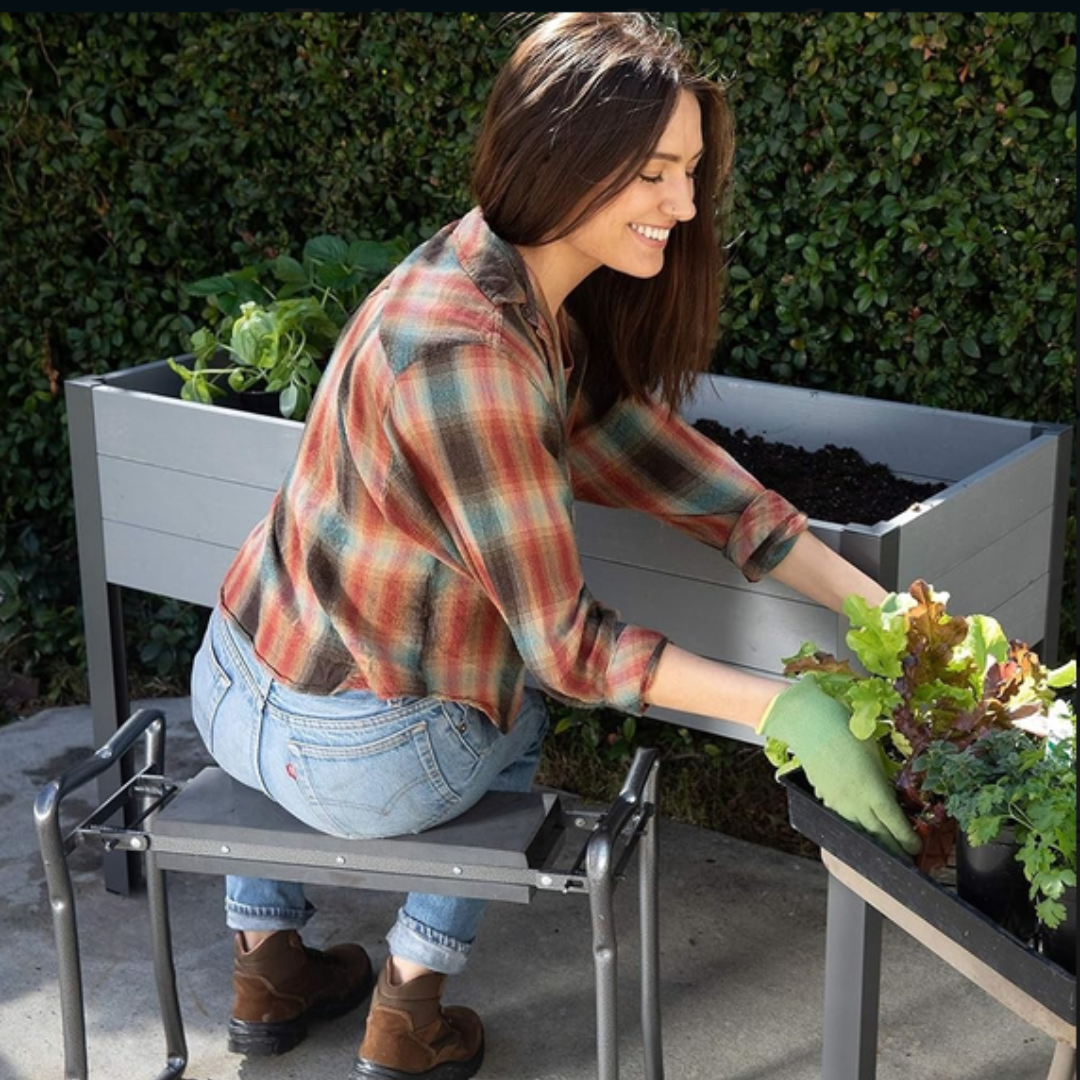
Converts from a comfortable bench for sitting to a cushioned kneeler by simply flipping it over.
We earn a commission if you make a purchase, at no additional cost to you.
-
 $16.99Buy Now
Beach Hiking Summer Wide Brim UPF 50+ Outdoor Protection Foldable Bucket Hat Beige, One Size
I own 2 of these! I even wear it in the pool.
We earn a commission if you make a purchase, at no additional cost to you.
09/27/2026 09:58 pm GMT -
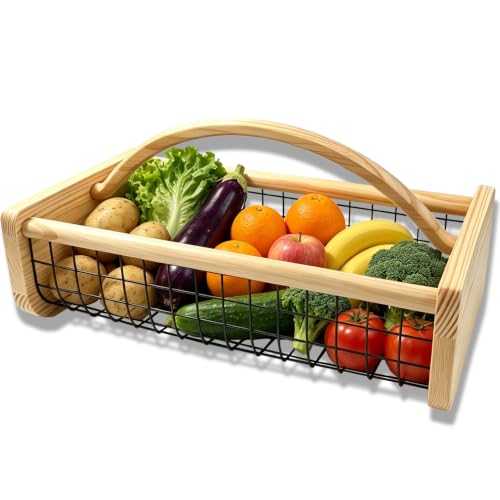 $38.99Buy Now
With Bent Solid Handle and Coated Mesh, Rinse & Deain Fresh Produce Easily for Kitchen and Outdoor Pick...
We earn a commission if you make a purchase, at no additional cost to you.
09/10/2026 12:11 am GMT -
 $6.99Buy Now
Super-sharp. Orange 1-Pack
I own 2 of these, 'cuz I use them everywhere!
We earn a commission if you make a purchase, at no additional cost to you.
09/27/2026 10:00 pm GMT -
 $57.94Buy Now
Heavy-Duty Tree Trimmer for Thick, Dry, Dead Branches, Ratchet Design Compounds Force for Easy Use, Low-Friction Steel Blades
We earn a commission if you make a purchase, at no additional cost to you.
09/27/2026 10:01 pm GMT -
 $28.99Buy Now
I LOVE THIS!: Fiskars 15-Inch Anvil PowerGear Super Pruner glides through branches up to 1.25" thick for easy cuts on dry, dead growth; trim tree branches to maintain your yard and garden and maintain overall plant health and appearance.
This is so light to carry around while you work.
We earn a commission if you make a purchase, at no additional cost to you.
09/27/2026 10:03 pm GMT -
 $14.80Buy Now
I OWN 2 PAIR OF THESE! Hand Protection with Touch Screen for Gardeners, Farmers, Landscapers and Movers
We earn a commission if you make a purchase, at no additional cost to you.
09/27/2026 10:04 pm GMT -
 $109.90Buy Now
400lbs Weight Capacity, Gardening Cart Bench, Ergonomic Backrest & Tool Storage, for Yard, Patio
We earn a commission if you make a purchase, at no additional cost to you.
09/27/2026 10:05 pm GMT -
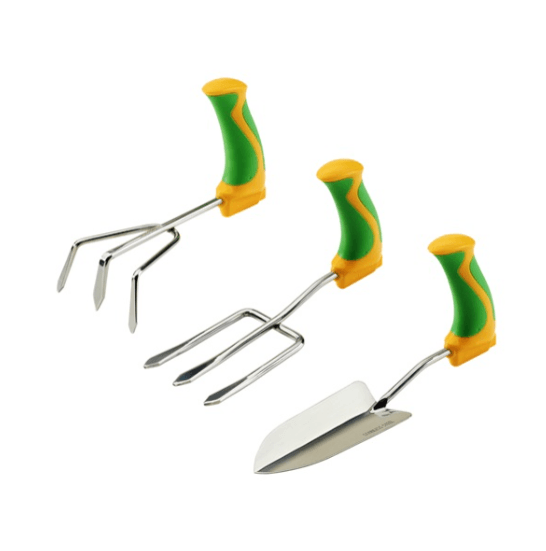 $59.95Buy Now
Upright handle, ergonomic hand tools set
Set of 3 adapted gardening tools with patented handle design.
We earn a commission if you make a purchase, at no additional cost to you.
-
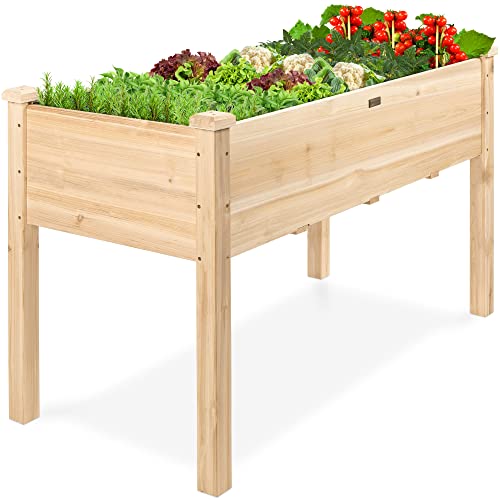 $99.99Buy Now
for Backyard, Patio, Balcony with Bed Liner, 200 Pound Capacity - Natural
We earn a commission if you make a purchase, at no additional cost to you.
09/27/2026 09:52 pm GMT

Why This Matters
Gardening isn’t about how far you can walk or how much you can lift.
It’s about the joy of watching something grow because of the care you gave it.
Whether your mobility changed because of age, surgery, an injury, or a medical condition, you can still experience that joy.
The secret is learning to work smarter instead of harder.
Simple changes like raised beds, wider pathways, lightweight tools, rolling carts, and drip irrigation allow you to spend less energy on chores and more time enjoying your plants.
Your garden should welcome you, not wear you out.
With a little planning and a willingness to work differently, you can continue growing flowers, herbs, and vegetables for many seasons to come.
🌱 Continue the Gardening without Pain Series
Every gardener faces different physical challenges, but that doesn’t mean giving up a hobby you love.
Explore the rest of the Gardening without Pain series for practical tips on adapting your garden, protecting your joints, and staying active for years to come.
Articles in the Series
- 🌱 Raised Bed Gardening for Seniors
- 💪 Gardening with Shoulder Pain
- 🪴 Gardening with Back Pain
- 🦵 Gardening with Knee Pain
- 🚶 Gardening with Hip Pain
- ✋ Gardening with Weak Hands
- 🩹 Gardening with Arthritis
- 🌼 Gardening after a Stroke
- ♿ Gardening with Limited Mobility
- 🌿 Gardening with Parkinson’s Disease
- ♿ Best Ergonomic Gardening Tools for Seniors
- 🌱 Planning Your First Senior-Friendly Vegetable Garden
👉 Visit the Smart Gardening for Seniors Hub
Part of the Smart Gardening for Seniors: Growing More. Hurting Less. Series
Discover more practical gardening tips for shoulder pain, back pain, knee pain, hip pain, arthritis, and other challenges that affect senior gardeners.
FAQs
Can I still garden if I use a walker or wheelchair?
Absolutely. Raised beds, container gardens, wide pathways, and accessible layouts make gardening possible for many people who use mobility aids.
What is the best height for raised garden beds?
For many seated gardeners or wheelchair users, raised beds around 34 to 36 inches high provide comfortable access. Standing gardeners often prefer beds around waist height.
How can I avoid getting tired while gardening?
Work in shorter sessions, take regular breaks, stay hydrated, and organize your tools so everything is within easy reach.
What tools help gardeners with limited mobility?
Ergonomic hand tools, long-handled tools, rolling garden carts, lightweight hoses, battery-powered pruners, and drip irrigation systems can all reduce physical effort.
Is container gardening a good option?
Yes. Containers placed on sturdy stands or rolling plant caddies bring plants closer to you and reduce bending, lifting, and walking.
Should I ask for help with heavy gardening jobs?
Definitely. Save your energy for planting, pruning, and harvesting. Let someone else help with moving soil, spreading mulch, or lifting heavy containers.
🌱 Helpful Online Gardening Resources
If you’d like to learn more about adaptive gardening, healthy aging, and fall prevention, these trusted organizations offer excellent free information.
🌼CDC STEADI Fall Prevention Program
🌼National Institute on Aging
🌼American Horticultural Society
🌼National Garden Bureau
🌼USDA Cooperative Extension System
Join the Conversation
Has limited mobility changed the way you garden? I’d love to hear what’s working for you. Have you built raised beds, switched to container gardening, found an adaptive tool you can’t live without, or discovered another creative solution? Share your experiences in the comments below. Your ideas may inspire another gardener to keep growing with confidence. Happy gardening! 🌱