
Container Gardening Made Easy for Seniors: Grow More with Less Work
This post may contain affiliate links. If you buy through them, I may earn a small commission at no extra cost to you.
🌱 From My Garden
I’ve learned that gardening doesn’t have to happen in long rows across the backyard.
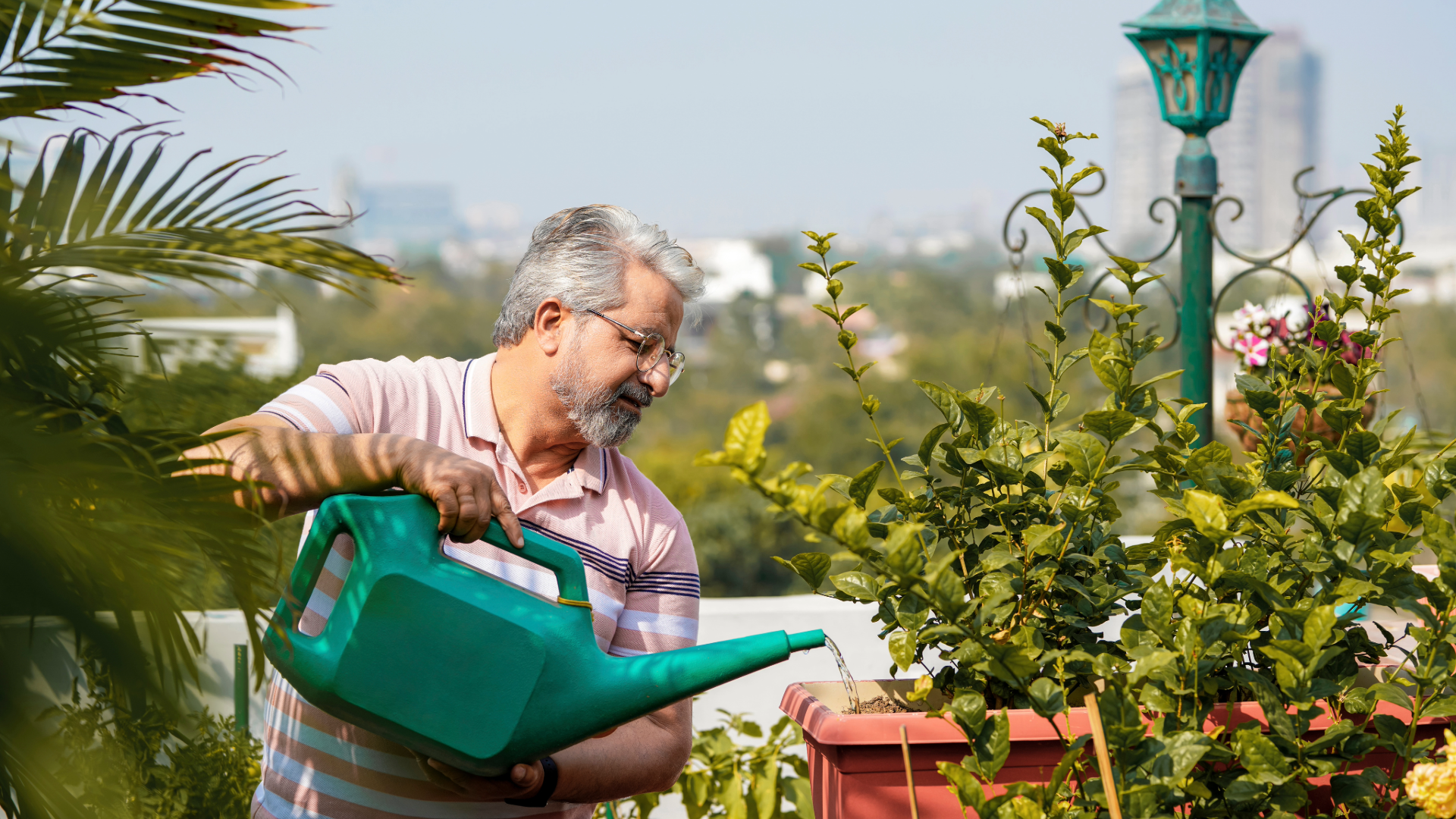
Some of my favorite vegetables and herbs grow just a few steps from my back door in containers. They’re easier to reach, easier to maintain, and much kinder to my back and knees than working at ground level.
Container gardening has become one of my favorite ways to keep growing food without wearing myself out. Whether you have five acres, a small backyard, or only a sunny patio, containers can help you grow fresh food while making gardening more enjoyable.
Sometimes the smartest garden isn’t the biggest one. It’s the one that fits your life.
Container Gardening Makes Growing Food Easier Than Ever
Have you ever looked at your yard and thought, “I wish I could still have a vegetable garden, but it just seems like too much work?”
You’re not alone.
Many seniors give up gardening because digging, bending, kneeling, and hauling heavy tools become difficult over time.
The good news is that you don’t have to stop gardening.
Container gardening makes it possible to grow fresh vegetables, herbs, flowers, and even small fruits without maintaining a traditional garden plot. By bringing plants closer to a comfortable working height, containers reduce many of the physical demands that make gardening harder as we age.
Whether you have a deck, porch, patio, driveway, or sunny corner of the yard, you can create a productive garden that looks beautiful and is easy to care for.
TL;DR for Seniors: Container Gardening Made Easy
Container gardening is one of the simplest ways to keep enjoying gardening as you get older. It reduces bending, kneeling, and unnecessary walking while making vegetables, herbs, and flowers easier to reach and care for.
🌿 Key Points:
✅ Containers bring plants closer to a comfortable working height.
✅ They work well on patios, porches, balconies, and small yards.
✅ Lightweight containers are easier to move.
✅ Self-watering planters reduce maintenance.
✅ Most vegetables, herbs, and flowers grow well in containers.
✅ Use quality potting mix instead of garden soil.
✅ Group containers together to simplify watering.
✅ Rolling plant caddies make heavy pots easy to move.
🌻 Takeaway: Container gardening helps you grow more while working less. It’s one of the easiest ways to continue gardening safely for years to come.
Continue reading for detailed tips, helpful tools, and practical techniques that can help you garden more comfortably and confidently.
Why More Seniors Are Choosing Containers
Gardening should be relaxing.
It shouldn’t leave you exhausted before lunch.
That’s one reason container gardening has become so popular with older adults. Instead of adapting your body to the garden, you adapt the garden to your body.
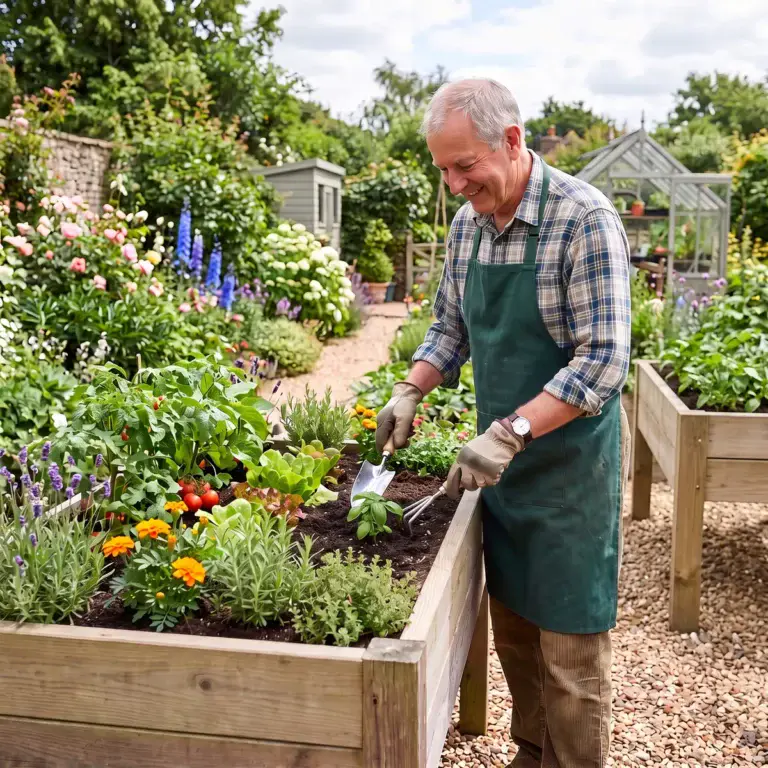
Large pots, elevated planters, and grow bags allow you to garden from a standing position or while sitting comfortably in a chair.
Many gardeners are surprised to discover they spend less time maintaining their plants and more time simply enjoying them.
You Don’t Need a Big Yard
One of the biggest myths about gardening is that you need a large piece of land to grow fresh food.
You don’t.
A handful of well-placed containers can produce an impressive harvest throughout the growing season.
Many vegetables actually perform better in containers because you control the soil, moisture, and drainage.
Even if you only have a small patio or apartment balcony, you can still grow:
- Tomatoes
- Peppers
- Lettuce
- Spinach
- Bush beans
- Cucumbers
- Strawberries
- Basil
- Parsley
- Chives
- Mint
- Flowers for pollinators
Fresh food doesn’t require a large garden. It simply requires a little planning.
Grow Where It’s Convenient
One of the greatest advantages of container gardening is flexibility.
Instead of walking across the yard every time you want fresh herbs or tomatoes, place your containers where you’ll use them most.
Good locations include:
- Beside the back door
- On the patio
- Along a deck
- Near the kitchen
- On a sunny porch
- Along a walkway
- In a courtyard
- On a balcony
Having plants nearby means you’ll notice when they need water, harvest vegetables more often, and spend more time enjoying your garden.
Choosing the Right Container
Almost anything can become a planter if it drains properly.
The best containers for seniors are lightweight, durable, and easy to maintain.
Plastic Pots
Plastic containers remain one of the most practical choices.
They’re inexpensive, lightweight, and available in almost every size.
They also retain moisture well, which means less frequent watering during hot weather.
Resin Planters
Resin containers have the appearance of ceramic pots without the extra weight.
They’re durable, weather resistant, and much easier to move around the patio.
If you like decorative containers, resin is an excellent choice.
Fabric Grow Bags
Grow bags have become one of my favorite options for vegetables.
They’re lightweight, affordable, and easy to store during the off season.
The fabric also encourages healthy root growth by allowing excess moisture to drain away while letting air reach the roots.
Tomatoes, peppers, potatoes, and herbs all grow exceptionally well in fabric containers. I just harvested 3 grow bags of potatoes!
Self-Watering Planters
If watering every day sounds like too much work, self-watering containers may become your new best friend.
A built-in water reservoir supplies moisture to the roots as the plant needs it.
These containers help reduce watering chores while keeping plants healthier during hot summer weather.
They’re especially useful if you travel occasionally or simply forget to water every now and then.
Bigger Really Is Better
One of the most common mistakes new container gardeners make is buying containers that are too small or not planting in the correct proportions as are stated on the package (I did this…)
Tiny pots dry out quickly and limit root growth.
Larger containers hold more moisture, provide better insulation from heat, and give vegetables plenty of room to develop strong root systems.
In most cases, it’s better to have six large containers than twenty small ones.
Your plants will be healthier, and you’ll spend less time watering.
Always Check for Drainage
Healthy roots need both water and air.
Every container should have drainage holes that allow excess water to escape.
Without proper drainage, roots sit in soggy soil and eventually rot.
If you fall in love with a decorative pot that doesn’t have drainage holes, simply place a plastic nursery pot inside it or carefully drill drainage holes before planting.
Healthy roots lead to healthy plants.
Use Potting Mix, Not Garden Soil
This is one lesson almost every gardener learns the hard way.
Garden soil works beautifully in the ground, but not inside containers.
It becomes compacted, drains poorly, and prevents roots from getting enough oxygen.
Instead, invest in a quality potting mix.
A good potting mix stays light, drains well, holds moisture, and gives your plants the healthy environment they need to thrive.
Think of it as giving your vegetables the best possible home from the day they’re planted.
The Best Vegetables for Container Gardening
You may be surprised by just how much food you can grow in containers.
Some vegetables actually thrive in pots because you can control the soil, drainage, and moisture more easily than in a traditional garden.
Some of my favorites include:
- Tomatoes
- Peppers
- Bush beans
- Lettuce
- Spinach
- Radishes
- Carrots (short varieties)
- Green onions
- Cucumbers (with a trellis)
- Eggplant
Many gardeners produce enough fresh vegetables for daily meals using only containers.
Herbs Are Perfect for Pots
Herbs are some of the easiest plants you’ll ever grow.
They’re productive, attractive, and you’ll use them often in the kitchen.
Excellent choices include:
- Basil
- Parsley
- Chives
- Oregano
- Thyme
- Sage
- Rosemary
- Dill
- Mint (always keep mint in its own container because it spreads aggressively – I can attest to that!.)
Place herb containers close to your kitchen door and you’ll be much more likely to snip fresh herbs while cooking.
Don’t Forget the Flowers
Flowers do more than make your patio beautiful.
Many attract bees, butterflies, and other pollinators that help nearby vegetables produce larger harvests.
Consider growing:
- Marigolds
- Zinnias
- Petunias
- Nasturtiums
- Salvia
- Coneflowers
- Alyssum
Mixing flowers with vegetables creates a colorful garden that’s enjoyable to spend time in.
Watering Made Simple
Containers dry out faster than garden beds, especially during hot weather.
The easiest solution is to make watering part of your daily routine.
Check the soil with your finger.
If the top inch feels dry, it’s usually time to water.
Water deeply until it begins draining from the bottom of the container.
Deep watering encourages stronger roots than frequent shallow watering.
Grouping containers together also saves time because you can water several plants at once.
If watering every day becomes difficult, consider self-watering planters or a simple drip irrigation system connected to a timer.
Feed Your Plants Regularly
Because watering slowly washes nutrients from containers, vegetables need regular feeding.
A balanced slow-release fertilizer at planting time, followed by occasional liquid fertilizer during the growing season, usually keeps plants healthy and productive.
Healthy plants reward you with stronger growth and larger harvests.
Raise Containers to a Comfortable Height
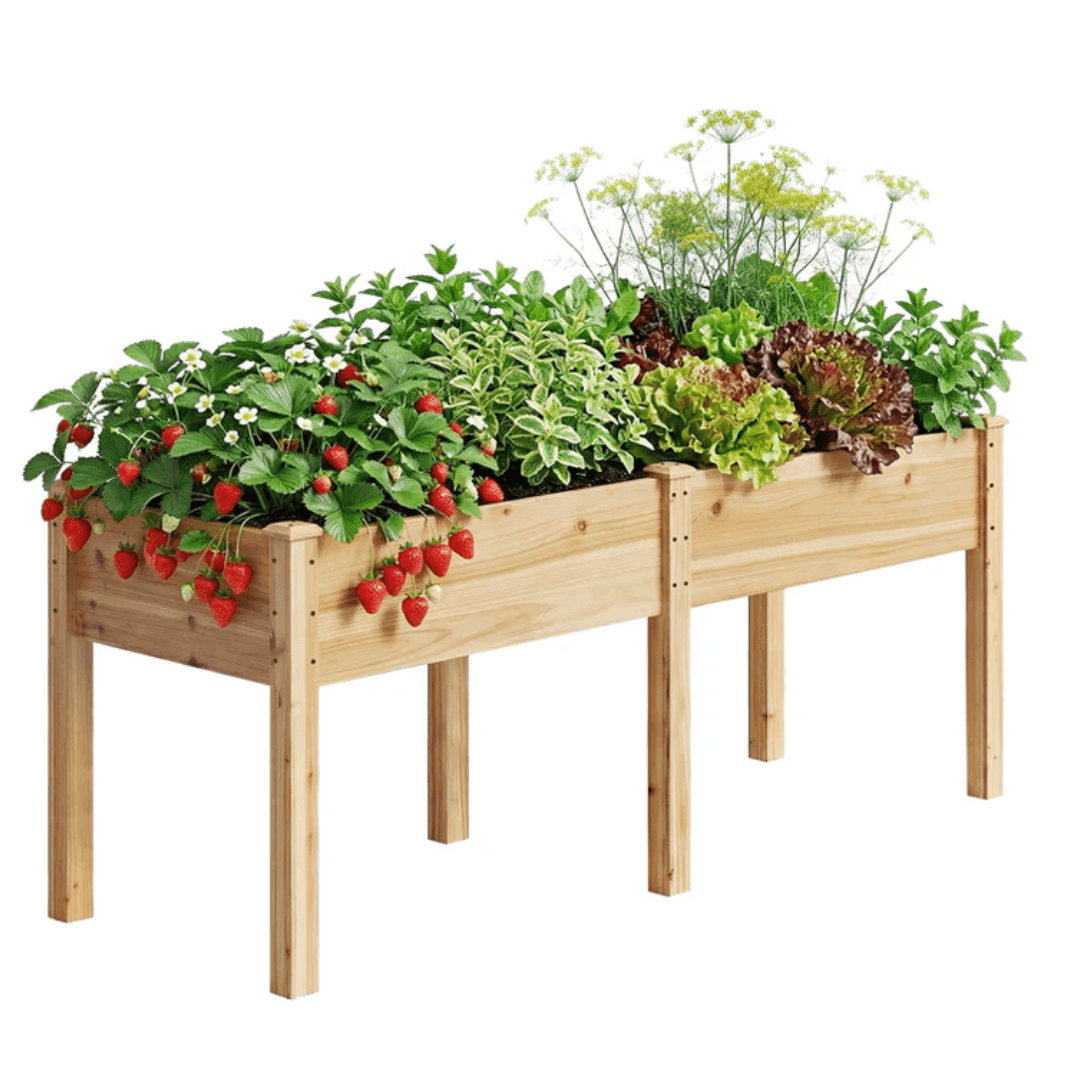
One of the easiest ways to make container gardening more enjoyable is to raise your pots.
Consider placing containers on:
- Plant stands
- Sturdy benches
- Potting tables
- Decorative blocks
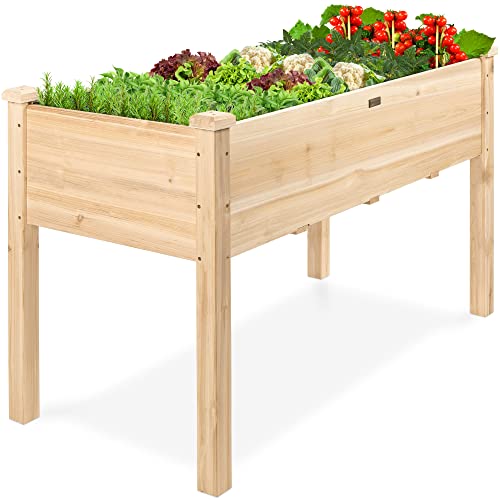
- Raised planter boxes
The less you bend, the longer you’ll enjoy working in your garden.
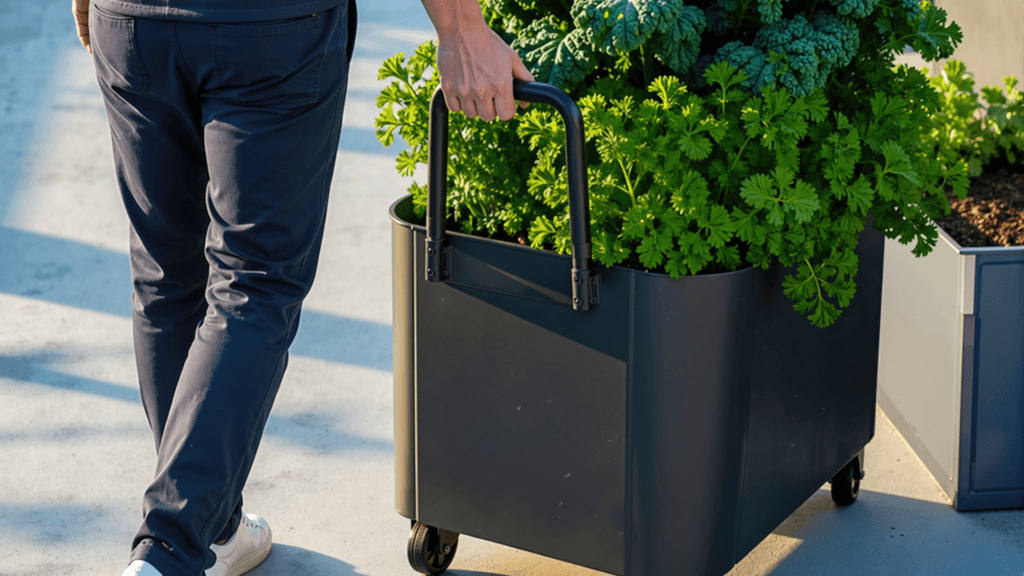
Make Heavy Containers Easy to Move
Large containers can become surprisingly heavy after watering.
Fortunately, you don’t have to lift them.
Rolling plant caddies allow you to move heavy pots with very little effort.
This makes it easy to:
- Rotate plants toward the sun.
- Move plants before a storm.
- Protect tender plants during cold weather.
- Rearrange your patio whenever you like.
It’s one of those small purchases that makes a big difference.
Organize Your Garden for Less Work
A little planning saves a lot of effort.
Try grouping plants with similar watering needs together.
Keep frequently harvested vegetables closest to your back door.
Place taller containers behind shorter ones so every plant receives plenty of sunlight.
Store your watering can, gloves, pruners, and hand tools in one convenient location.
The fewer trips you make across the yard, the easier gardening becomes.
Common Container Gardening Mistakes
Even experienced gardeners make mistakes.
Fortunately, most are easy to avoid.
Common problems include:
- Using containers that are too small.
- Forgetting drainage holes.
- Using garden soil instead of potting mix.
- Allowing containers to dry out completely.
- Overwatering.
- Crowding too many plants into one pot.
- Placing sun-loving vegetables in too much shade.
Learning from these simple mistakes will help your garden thrive.
Container Gardening Fits Every Lifestyle
One of the greatest advantages of container gardening is how adaptable it is.
Whether you live on several acres, in a neighborhood with a small yard, or in an apartment with only a balcony, containers allow you to continue growing fresh food.
You don’t have to maintain a large garden to enjoy fresh tomatoes, herbs, colorful flowers, or crisp lettuce.
You simply need a sunny spot and a few well-chosen containers.
As we get older, gardening isn’t about proving how much work we can do.
It’s about finding smarter ways to keep doing what we love.
Container gardening makes that possible.
🌿 Trusted Gardening Resources
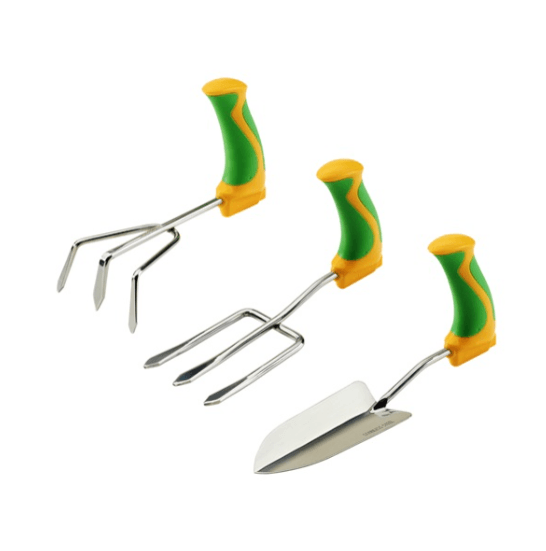
Enjoying your garden is easier when you have the right tools. These trusted gardening products can help reduce strain on your shoulders, protect your joints, and make everyday gardening tasks safer and more comfortable.
Whether you’re dealing with arthritis, recovering from surgery, or simply looking for easier ways to garden, these are products worth considering.
My Favorite Tools for Easier, Safer Gardening
Gardening should not leave you hurting for days.
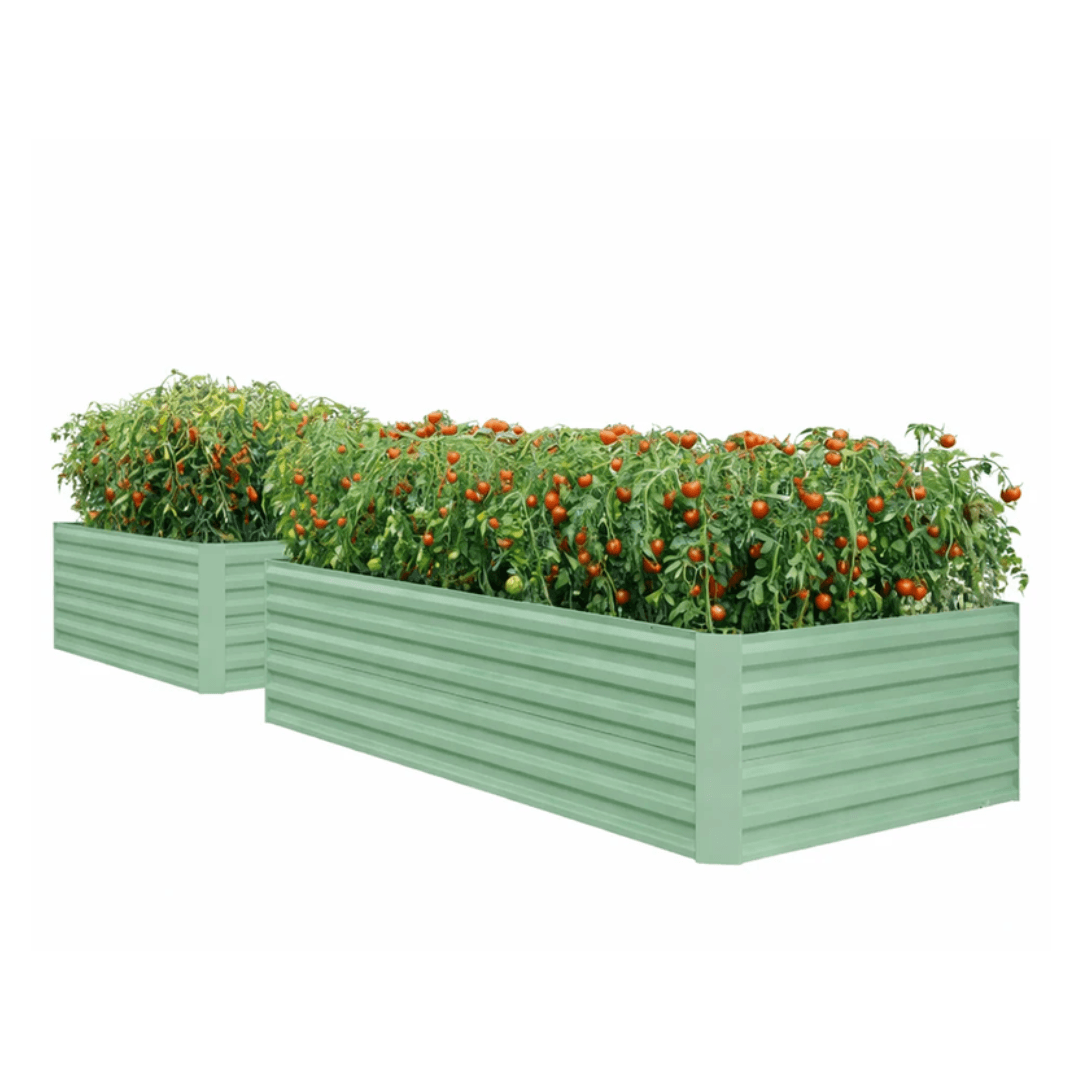
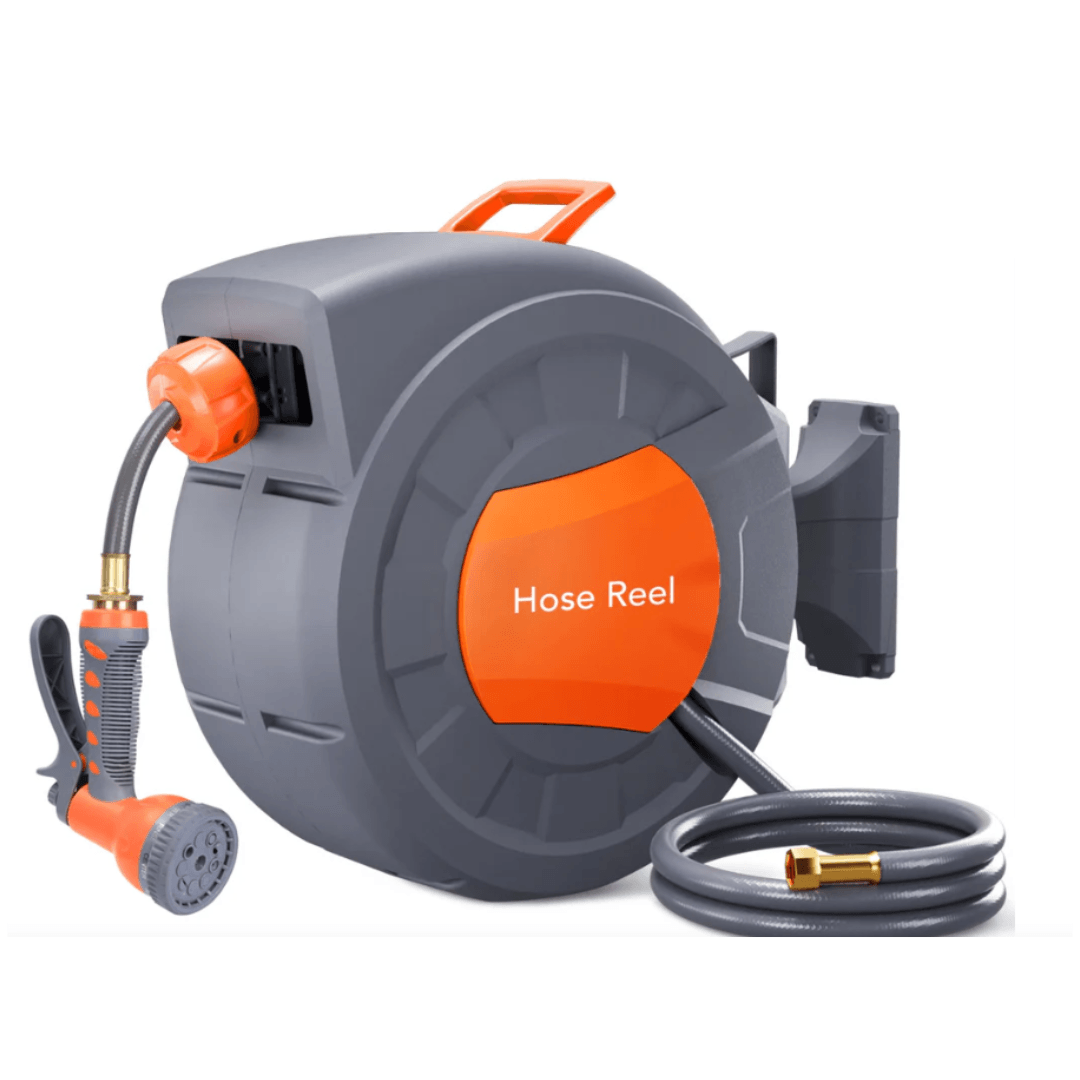
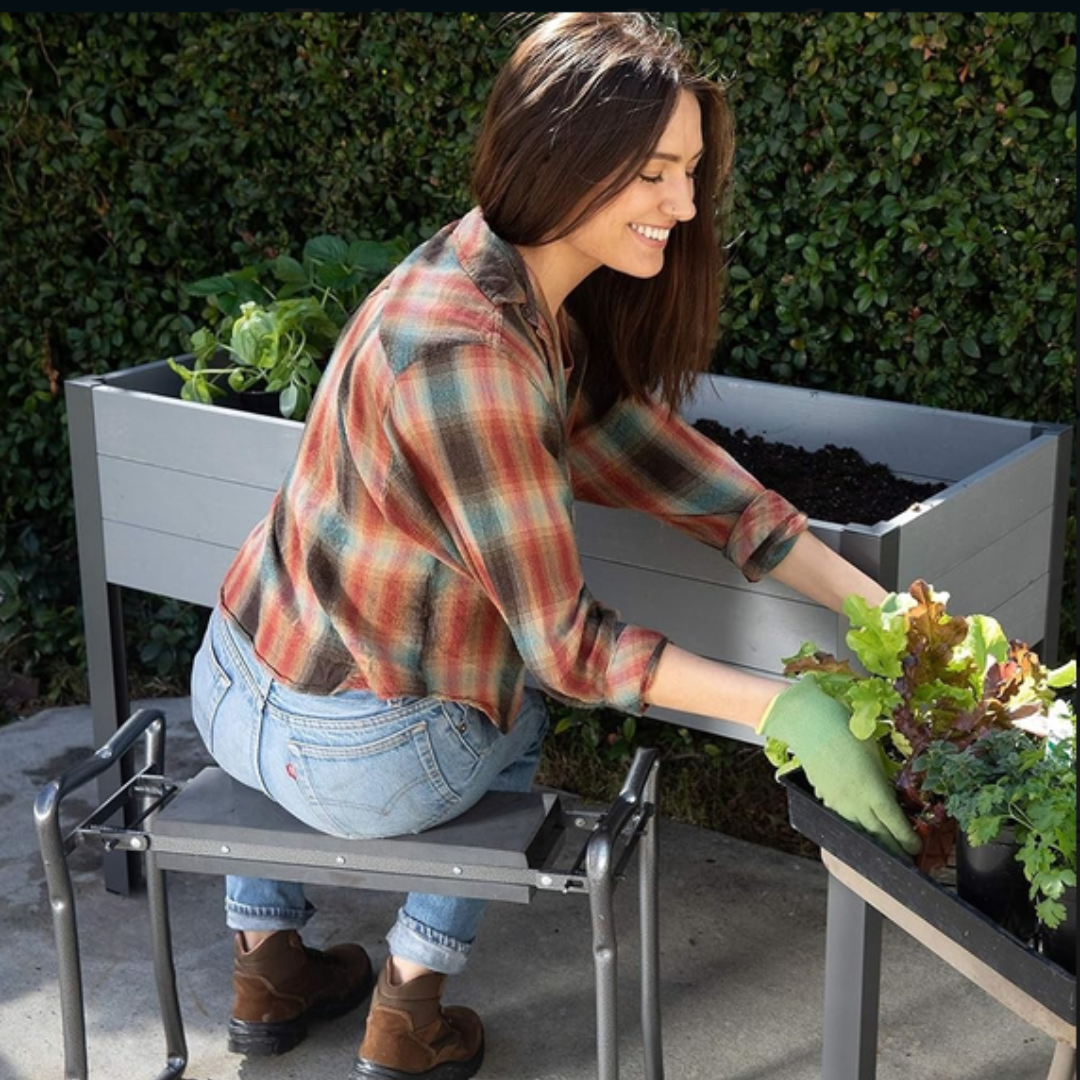
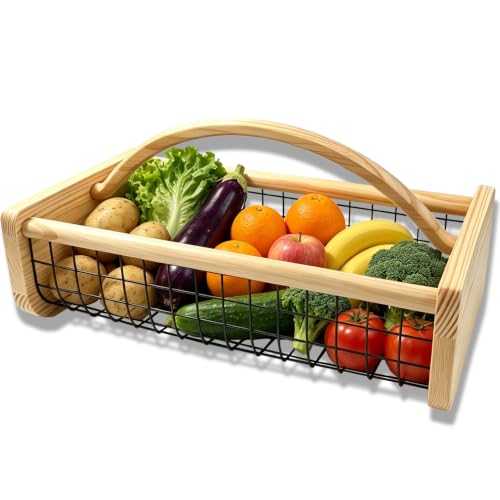
I put together this collection of senior-friendly gardening tools, raised planters, rolling plant caddies, self-watering containers, and helpful accessories. I own and use several of them myself. Others were chosen because they may reduce bending, lifting, gripping, and reaching.
Select any image below to see product details and current pricing.






Why This Matters
Gardening offers so much more than fresh vegetables.
It keeps us active, encourages time outdoors, reduces stress, and gives us the satisfaction of growing something with our own hands.
Container gardening removes many of the physical barriers that cause people to give up gardening too soon.
By making a few smart changes, you can continue enjoying your garden for many years while putting less strain on your body.
Growing older doesn’t mean giving up the garden.
It simply means gardening smarter.
🌱Continue the Smart Gardening Series
Every gardener faces different challenges. These practical guides can help you reduce pain, conserve energy, and grow more with less work.
Popular Guides
🌱 Raised Bed Gardening for Seniors
🌼 Planning a Low-Maintenance Garden
🧰 Best Ergonomic Gardening Tools for Seniors
🪶 Choosing Lightweight Garden Equipment
🛒 Garden Carts, Kneelers, and Rolling Seats
🥕 Best Vegetables to Grow for Survival
👉 See Every Smart Gardening for Seniors Article
Discover practical gardening tips that make growing vegetables, herbs, and flowers easier, safer, and more enjoyable for older adults.
FAQs
What vegetables grow best in containers?
Tomatoes, peppers, lettuce, spinach, bush beans, cucumbers, carrots, radishes, herbs, and strawberries all grow very well in containers with enough sunlight.
How often should I water container plants?
Most containers need watering when the top inch of potting mix feels dry. During hot summer weather, this may be every day.
Can I use garden soil in containers?
No. Garden soil becomes compacted and drains poorly. Always use a quality potting mix designed for containers.
What size container should I buy?
Larger containers usually perform better because they hold more moisture and allow roots to grow properly.
Are self-watering containers worth it?
Yes. They reduce watering chores, help maintain consistent moisture, and are especially helpful during hot weather or when you’re away from home.
Can I grow vegetables on a patio?
Absolutely. As long as the area receives enough sunlight, a patio can become a productive vegetable garden using containers.
🌱 Continue the Gardening without Pain Series
Every gardener faces different physical challenges, but that doesn’t mean giving up a hobby you love.
Explore the rest of the Gardening without Pain series for practical tips on adapting your garden, protecting your joints, and staying active for years to come.
Articles in the Series
- 🌱 Raised Bed Gardening for Seniors
- 💪 Gardening with Shoulder Pain
- 🪴 Gardening with Back Pain
- 🦵 Gardening with Knee Pain
- 🚶 Gardening with Hip Pain
- ✋ Gardening with Weak Hands
- 🩹 Gardening with Arthritis
- 🌼 Gardening after a Stroke
- ♿ Gardening with Limited Mobility
- 🌿 Gardening with Parkinson’s Disease
- ♿ Best Ergonomic Gardening Tools for Seniors
- 🌱 Planning Your First Senior-Friendly Vegetable Garden
👉 Visit the Smart Gardening for Seniors Hub
Part of the Smart Gardening for Seniors: Growing More. Hurting Less. Series
Discover more practical gardening tips for shoulder pain, back pain, knee pain, hip pain, arthritis, and other challenges that affect senior gardeners.
What about You?
Do you grow vegetables or flowers in containers? Have you discovered a favorite container, planter, or gardening trick that makes growing easier? Share your ideas in the comments. Your experience may encourage another gardener to keep growing.