
Volcano Survival Planning for Seniors: Preparing for Ash, Lava, and Air Hazards
This post may contain affiliate links. If you buy through them, I may earn a small commission at no extra cost to you.
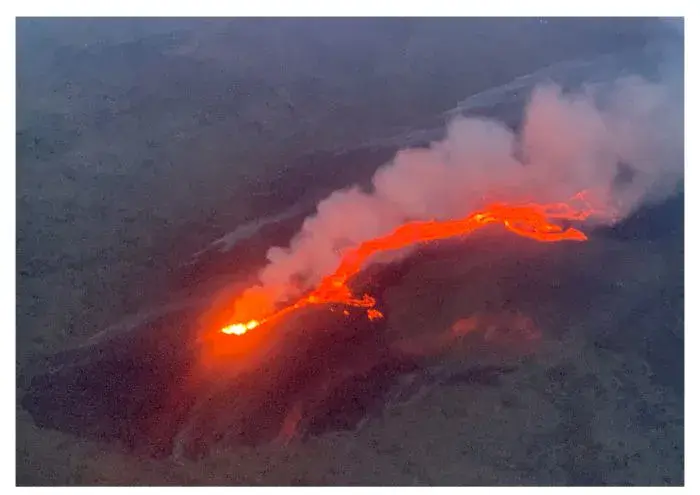
Volcanoes are the earth’s pressure valves—when they blow, they spew lava, ash, and toxic gas with a fury that reshapes landscapes and chokes the unprepared. Eruptions can melt roads, bury towns, and turn day into night in hours.
We don’t have volcanoes in Florida, but this is good to know if I travel where there are ones. Also, you never know what is going to happen in a disaster. A volcano could rise up in the southeast. It could block roads exiting the state of Florida and we have nowhere to go being surrounded by water. Better be safe and learn all ways to prepare!
How Can Seniors Prepare for a Volcanic Eruption?
Volcanic eruptions can produce lava flows, ash fall, mud flows, earthquakes, dangerous gases, and widespread disruptions. While most people will never experience a major eruption, those who live near active volcanic regions should understand the risks and have a preparedness plan in place.
The good news is that volcanoes often provide warning signs before a major eruption. By recognizing those signs, preparing emergency supplies, and knowing when to evacuate, you can greatly improve your safety and reduce stress during an emergency.
Step 1: Understand Your Volcanic Risk
Preparation begins with understanding the hazards in your area.
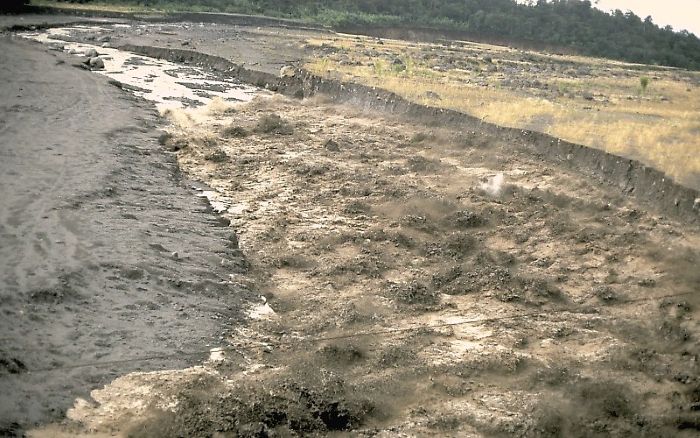
If you live near an active or potentially active volcano, learn whether your property could be affected by lava flows, ash fall, volcanic gases, or lahars (volcanic mud flows). Local emergency management agencies and the U.S. Geological Survey (USGS) provide hazard maps and monitoring information for many volcanic regions.
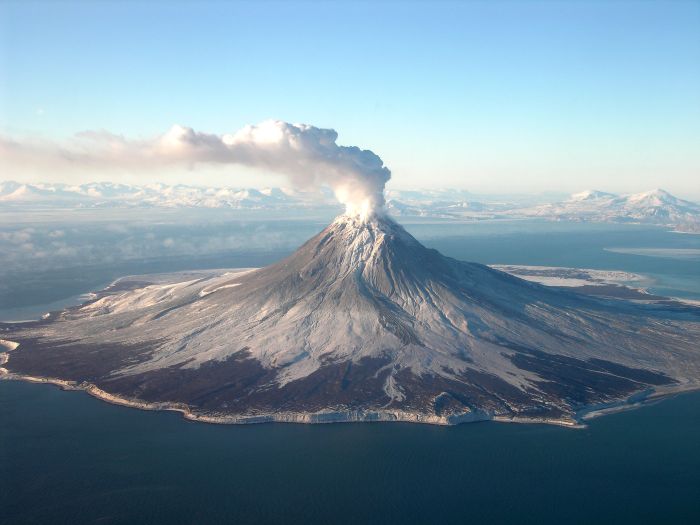
Pay attention to warning signs such as increased earthquake activity, steam vents, unusual odors, ash emissions, or official alerts from authorities. Keep a battery-powered weather radio or emergency radio available so you can receive updates if power or communication systems fail.
The more you understand your local risks, the easier it will be to make informed decisions during an emergency.
Step 2: Create an Evacuation and Shelter Plan
A volcanic emergency may require either evacuation or sheltering in place, depending on your location and the type of hazard involved.
If you live in an evacuation zone, identify multiple evacuation routes and know where you will go if officials recommend leaving the area. Roads can become congested or blocked during an emergency, so having backup routes is important.
If sheltering in place is recommended, choose an interior room where you can reduce exposure to ash and airborne particles. Make sure doors and windows seal properly and have supplies available to remain indoors for several days if necessary.
Discuss emergency plans with family members and caregivers.
Include arrangements for pets, medications, mobility equipment, and transportation needs. Having a plan before an emergency occurs can help reduce confusion and improve response times.
Step 3: Build an Emergency Kit for Volcanic Events
Volcanic eruptions can disrupt transportation, utilities, and supply chains for days or even weeks. A well-stocked emergency kit can help you remain safe and self-sufficient.
Consider including:
• One gallon of water per person per day
• Shelf-stable foods that require little or no preparation
• N95 masks or similar respiratory protection
• Protective goggles
• Flashlights and extra batteries
• A battery-powered or hand-crank radio
• A first-aid kit
• Prescription medications
• Wet wipes and sanitation supplies
• Important documents stored in waterproof containers
Store supplies in an easily accessible location and inspect them regularly. Replacing expired items and updating medications helps ensure your kit is ready when needed.
Trusted Disaster Preparedness Resources
Whether you’re preparing for hurricanes, floods, power outages, food shortages, or other emergencies, having reliable preparedness resources can make planning easier. These trusted companies offer emergency food, water storage, and preparedness supplies to help you build resilience before disaster strikes.
✅ My Patriot Supply
✅ Emergency Essentials / BePrepared
Step 4: Protect Your Property and Home
While you cannot stop a volcanic eruption, you can reduce some of the dangers that come with it.
Clear dry vegetation, brush, and other combustible materials away from your home. Remove woodpiles and outdoor items that could catch fire from falling embers or hot ash.
If possible, use fire-resistant roofing materials such as metal or tile. Check doors, windows, and vents for gaps where ash can enter your home. Weather stripping, caulk, and temporary coverings can help reduce ash infiltration during an eruption.
If you live near rivers, streams, or drainage areas, understand your risk from lahars.
These fast-moving mud flows can travel far from a volcano and are often more dangerous than lava itself. Follow local guidance regarding evacuation routes and hazard zones.
Inside your home, secure heavy furniture, shelving, and appliances to help prevent injuries during volcanic earthquakes. Store emergency water and supplies in a protected location, and make sure everyone in the household knows how to shut off gas, water, and electricity if necessary.
Small preparedness steps can help reduce damage and improve safety when volcanic activity threatens your area.
Step 5: Monitor Conditions and Stay Safe
Volcanic conditions can change quickly. An eruption may produce lava, ash, earthquakes, mud flows, or dangerous gases. Stay informed by monitoring alerts from local emergency management agencies and the U.S. Geological Survey (USGS).
Pay attention to evacuation orders and warnings. If officials recommend leaving, do so early. Roads can become dangerous or impassable due to ash, mud flows, poor visibility, or damaged bridges.
If you are advised to shelter in place, stay indoors and keep windows and doors closed. Use damp towels or other materials to help reduce ash entering your home. Wear an N95 mask or similar respiratory protection when ash is present, and avoid unnecessary outdoor activity.
After an eruption, use caution when moving around damaged areas.
Volcanic ash can hide hazards, make surfaces slippery, and damage vehicles and equipment. Be alert for ongoing dangers such as poor air quality, unstable ground, and contaminated water supplies.
Volcanic emergencies can last for days or even weeks. Staying informed, following official guidance, and remaining flexible will help you protect yourself and your family throughout the event.
Final Thoughts
Volcanic activity can create a wide range of hazards, from ash fall and poor air quality to mud flows, earthquakes, and evacuations.
The best defense is preparation. Understanding the risks, maintaining emergency supplies, and having a clear plan can help you stay safe and make informed decisions during a volcanic emergency.
Every step you take today helps strengthen your preparedness for tomorrow.
Comment Section
Are you prepared for a volcano? Is anybody, not within a volcano zone, prepared for a volcano? Volcanoes are such an unusual occurrence in my neck of the woods and in this hemisphere. Drop your thoughts below—your experience could help someone else prepare before the next emergency.