
Overlooked Clothing and Wearables: Section 7
This post may contain affiliate links. If you buy through them, I may earn a small commission at no extra cost to you.
I’m a clothes horse. I love clothes. That’s counterintuitive to survival prepping, so I’ll have to suck it up and pack light. Most people think they’ve got clothing covered in a survival situation. They picture themselves in a hoodie, maybe a pair of boots, a coat if it’s winter. It’s just clothes, right? As long as you’re not naked, what’s the problem?
That mindset gets people into trouble fast. Clothing isn’t just about modesty or protection from the cold. It’s your barrier between skin and everything else—the wind, the wet, the dirt, the blisters, the sunburn, the fire sparks, the thorns.
Being the clothes lover that I am, I do have clothes made for survival, not for looks. I have multiple pairs of jeans and t-shirts that are good in a survival situation, plus boots and shoes, socks, underclothes, etc. I can double-pack.
In survival situations, you’re moving more, working more, sweating more, and exposing yourself to a thousand small hazards every day. What you wear and how you maintain it can decide whether you function well or break down piece by piece.
A torn sock that gets ignored turns into a bleeding heel that turns into an infection. A pair of jeans soaked through from rain can chill your body and drop your core temperature fast. Gloves that tear while you’re chopping wood can lead to splinters, blisters, or worse.
It’s not about having trendy tactical outfits or gear that looks like you walked off a catalog page (I hear that!). It’s about clothing that holds up, protects you, adapts to weather shifts, and prevents injury. And the most commonly overlooked items aren’t the main pieces. They’re the little things that make or break the system.
Heat-retaining accessories tend to get forgotten because they aren’t part of the “main outfit.” You remember your coat. Maybe even your boots. But your head, neck, and hands? Those go neglected until it’s too late.
A balaclava does more than keep your face warm. It protects against windburn, shields you from blowing dust, and provides insulation for your ears and cheeks during freezing nights. You lose a massive amount of body heat through your head and neck. If they’re exposed, your entire system starts working harder just to stay warm.
Gaiters protect your neck and throat but also act as headbands, emergency bandages, and filters for blowing sand. They’re light, compact, and useful in both hot and cold conditions.
When the wind kicks up or temperatures dip, pulling a gaiter over your nose and ears gives you another hour of comfort before you need to find shelter. And glove liners aren’t just about insulation.
They give you flexibility. Thick gloves are great for chopping wood or dragging branches, but they’re too bulky for finer tasks. Take off your outer gloves, and you’re barehanded in the cold. With liners, you keep some protection, some warmth, and can still tie a knot, use a tool, or manage gear without freezing your fingers off.
Cold-weather layering is where people make dangerous mistakes. They’ll pack a big coat and think they’re set. But survival warmth comes from layers, not bulk.
Wool socks are non-negotiable.
Cotton gets wet and stays wet. Wool insulates even when damp. One pair is never enough. You need several so you can rotate and dry them out between uses. Cold feet make for miserable, immobile people. And when your feet stop functioning, you stop moving. That puts you at risk.
I’m a retired sailboat racer. I raced on friends’ boats and my husband’s and my J-30 racing sailboat. As crew on a racing sailboat, you tend to get wet when the boat is brought about (turned) quickly. I had good foul-weather gear – tops and bottoms, but I wore layers underneath—a wool sweater and socks. I wore jeans, but there wasn’t that much to choose from for a female back then. As long as my feet and trunk were dry, I was ok.
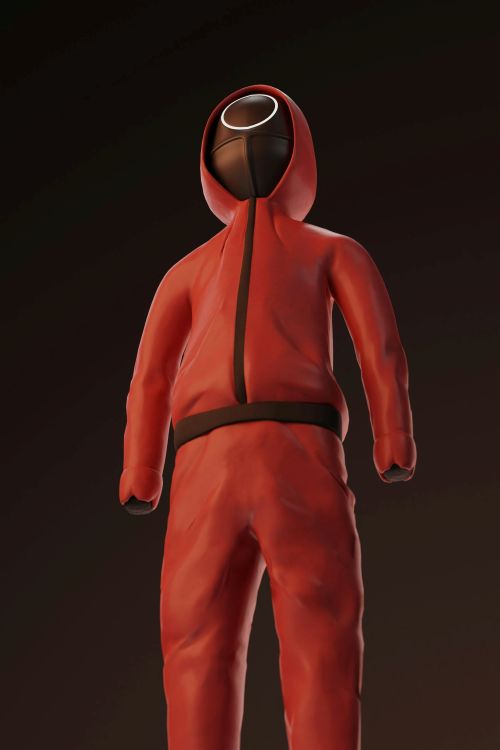
Base layers matter just as much. They’re your first line of warmth. Thin, moisture-wicking materials pull sweat away from your body, keeping you dry. Dry equals warm. You can wear cheap thermals or high-end synthetics, but you need something that sits close to the skin and keeps body heat in without making you sweat. I have summer and winter thermals that dry quickly, and I don’t feel like a Squid 😏
Thermal underwear isn’t about looking stylish. It’s about giving your coat and outer layers a fighting chance. Without a solid base layer, outer gear can’t compensate for the cold that creeps in underneath. And base layers aren’t just for snowstorms. Even in cool fall weather, desert nights, or a sailboat race, that extra layer can keep your body from dipping below safe thresholds.
Footwear maintenance is one of the most underprepared areas in survival. People get the boots but skip everything else. Spare laces are so obvious they’re forgotten. But laces snap under strain. They get wet, stretch out, dry stiff, or wear through when you’re tightening for the fifth time that day. No laces, no boots. Your shoes become flip-flops.
That’s not something you want when you’re hiking terrain or working in brush. Keep extras. Keep different lengths. Paracord works in a pinch but isn’t ideal long term. Get a woven paracord bracelet.
Waterproofing wax is another one that people skip.
Boots aren’t magic. Leather and canvas soak through if you don’t protect them. Waxing your boots extends their life, keeps your feet dry, and helps maintain the structure of the material. It also prevents cracking.
You want to prep your gear before the storm, not after it. Applying wax during downtime keeps your boots field-ready. Make it part of your maintenance routine, not something you try once water is already seeping in.
Blister kits don’t get nearly enough attention. A blister seems minor until you’ve walked ten miles on uneven ground with a raw heel. Then it’s debilitating. Pre-cut moleskin, antiseptic wipes, padded bandages, and even duct tape can stop a hotspot from turning into a wound.
Prevention is easier than treatment. The second you feel a warm spot forming on your foot, stop and fix it. Waiting turns a small problem into a limp, and a limp into an immobilizing injury. When movement is your lifeline, blisters become serious.
Workwear isn’t glamorous, but it’s what keeps you safe when you’re not sitting still. Aprons protect your core and thighs when handling dirty, sharp, or messy tasks. (I had not thought about aprons until now.) Cooking over a fire, cleaning fish, skinning animals, even working on equipment—an apron keeps your clothes intact and your skin safe. It doesn’t have to be heavy canvas, though that’s ideal. Even a leather or rubber kitchen apron gives you a defensive layer that stops injury, stains, or burns.
Thick gloves should be part of every kit. Not the stretchy kind that barely covers your fingers. Real work gloves. Leather palms. Reinforced stitching. You’ll use them when clearing debris, hauling wood, setting up shelter, or protecting your hands during any repetitive task.
Blisters from rope. Splinters from wood. Cuts from metal. It all happens fast. Gloves stop it. Keep more than one pair. They wear down or get lost. If they get soaked, you want a backup that’s dry and ready.
Knee pads seem like overkill until you spend your fifth hour kneeling on rocks, concrete, or wet ground. Survival isn’t gentle. You’ll kneel to build fires, tend wounds, dig holes, repair gear, or crawl into small spaces. Your knees take the hit. Without padding, it’s just bone against hard surfaces.
You’ll bruise, strain, or end up unable to move fluidly. Cheap foam knee pads are better than nothing. Even folded cloth works temporarily. But if you plan to move, work, and endure—protect your joints.
Clothing is gear. It needs to be chosen, tested, and maintained in the same way. You don’t just pack jeans and hope they’ll work. Denim holds water and restricts movement. You don’t just pack a hoodie and hope it’ll stay warm.
Cotton chills fast and dries slowly. You don’t wait until your coat tears to think about how to patch it. You don’t ignore the way your gear fits and rubs and pinches until your skin tells you that you made a mistake.
Wear what you’ll pack. Test it in bad weather. Move in it. Sweat in it. See what breaks down first.
You can’t control the weather, but you can control how your body handles it. The right clothes regulate temperature. The right footwear prevents injury. The right gloves save your hands.
The proper maintenance tools give everything a longer life. That’s not an afterthought. That’s the foundation of sustainable survival. You’re not prepping for one day out in the woods. You’re prepping for weeks, months, maybe longer. Your gear needs to last. So does your skin.
Most people won’t fail because they forgot food. They’ll fail because they can’t move. Because their hands are shredded. Their feet are blistered. Their clothes are soaked. Their joints ache. Their boots fell apart.
They’ll sit down “just for a second” and never get back up because the pain becomes bigger than the mission. Don’t let that be you. Dress like you plan to survive because the right gear isn’t about fashion. It’s about function. And survival favors the prepared.
What’s your take on this? Do you feel like you have the correct clothes and accessories on hand for survival after reading this? Do you have more tips, tools, or stories that could help fellow Golden Survivalists? Drop a comment below—your insight might be precisely what someone else needs. I read every comment and reply when I can. Let’s learn from each other 🙂