Checklist for Senior-Friendly Prepping
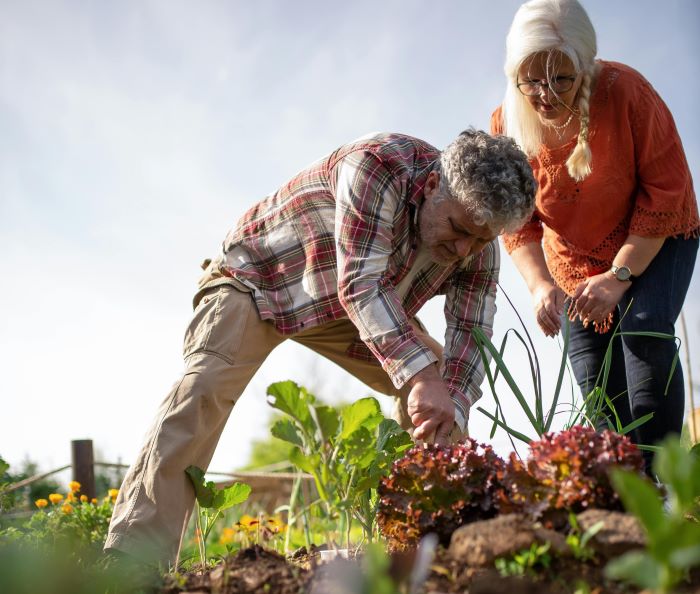
Preparing for the unexpected is crucial at any age, but the stakes can be exceptionally high for us seniors. I know my brain can do the work for survival, but can my body do the work?
If you are like me, a 75-year-old woman who is in pretty good shape but has a few chronic medical problems, including a new diagnosis of breast cancer. I just had a left breast mastectomy. I’m waiting on the oncologist’s reports to see if I need chemo. After I get the left side done, I do the right mastectomy in August or September.
Emergencies such as natural disasters or power outages present unique challenges that can significantly impact the well-being of us older adults. How do we incorporate survival processes when chemotherapy is needed?
Tailoring a disaster plan to accommodate the distinct needs of seniors ensures that in times of crisis, we have quick access to essentials like medication, can navigate our homes safely, and maintain contact with emergency services and loved centers.
It’s not just about stocking up; it’s about strategic preparation that acknowledges the importance of personalized and accessible emergency responses. With thoughtful planning, we seniors can feel confident handling unexpected situations effectively.
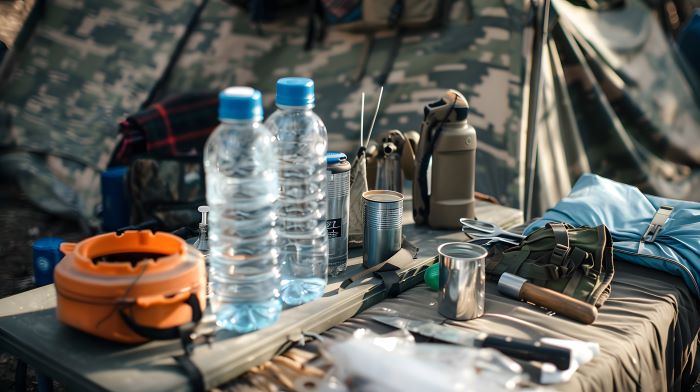
I’ll guide you through compiling an emergency kit, which forms the backbone of any solid preparedness strategy—especially for seniors who may have special requirements.
Essential Items for a Senior’s Emergency Kit
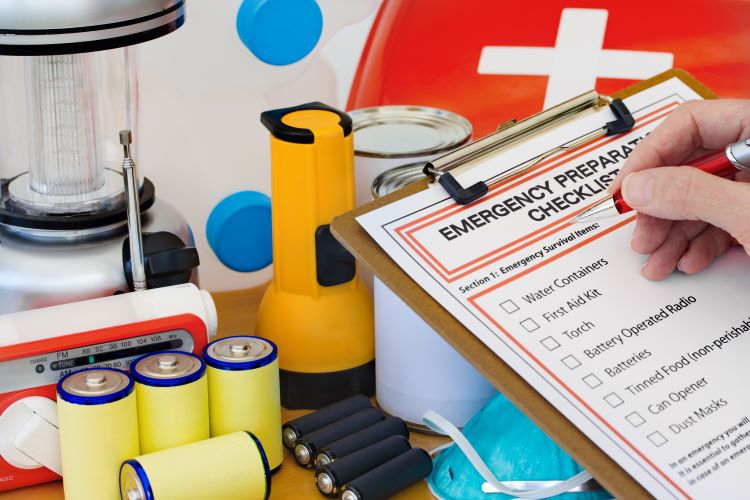
When preparing for a disaster, seniors have specific considerations to keep in mind, especially regarding health and mobility. A well-thought-out emergency kit is crucial, as it ensures immediate access to necessities during an uncertain time.
Details:
- Long shelf life - The Survival Food included has up to a 25-year shelf life
- Made in the USA - All foods are manufactured here in the USA
- Try out our best selling Survival Food - Survival Fresh Canned Meat
- Gear to prepare the food - This kit includes over $100 worth of Survival Gear to help prepare the food. Including a Pocket Stove, 12 Extra Hexamine Tablets, A can opener, A spork, A camping cup, and a Tough Tesla Lighter.
- Dry Bag for Storage: Includes a 20-liter Dry Bag to keep all of your gear and food dry.
- $150 Value for $99.97: If purchased separately, value is over $150. That's a savings of over $50!
This Bundle Includes:
1x - Beef Canned Meat by Survival Fresh
Nutritional Facts: (8 servings, 80 calories, or 2 oz. per serving) - Ingredients: Beef, Sea Salt Total Calories Per Can: 640 Per Serving, Calories 80, Total Fat 3g, Sodium 120mg, Carbs 0, Protein 14g
1x - Triple Mac & Cheese by Backpackers Pantry
Nutritional Facts: Serving Size: 1/2 package, Servings Per Container 2, Calories Per Serving: 260 (Fat 9g, Carbs 32g, Protein 12g). Contains: Egg, Milk, and Wheat—mixes right in the pouch. Just add hot water and let sit for 15-20 minutes.
1x - Tough Tesla Lighter Orange
1x - Pocket Stove & 12 Hexamine Fuel Tablets
1x - Camping Cup
1x - Spork
1x - Emergency Can Opener
BONUS - 1x Blue Dry Bag 20 Liters
Don't know which of our survival meals and gear you want to stock up on? We understand - that’s why we have created this bundle of the week. Try it out and save big for a limited time only!
Survival Frog is a small business living in the big world of Amazon. Everyone at Survival Frog is dedicated and passionate (borderline obsessed) about creating an amazing buying experience for our customers. We carry the largest selection of survival food and hundreds of cool outdoor and preparedness products - shipped directly from our warehouse in Denver.

Medications are often the lifeline for many of us seniors, so having a surplus supply of prescriptions and over-the-counter medicines is essential. This reserve should be regularly rotated to avoid expiration. Additionally, our list of medications, dosages, and any allergic reactions should be readily available in case of emergency medical care.
Outdoor Gear Emergency Kit and Trauma Bag for Camping, Boating, Hunting, Hiking, Home, Car, Earthquake, and Adventures
About this item:
- ✅【250 PCS First Aid Survival Kit, Meaningful and Cool Gifts Ideas for Families and Outdoorsman】Designed by army veterans and survivalists, the most compact and robust survival first aid kit.
- ✅【Be Prepared for the Unexpected, Complete Comprehensive First Aid Essentials Exceeds OSHA Guidelines】The product includes more than enough medical supplies to treat a single family under emergency circumstances.
- ✅【Molle EMT Pouch, Durable, Portable, and Water-Resistant】The military grade bag was made from 1000D water-resistant nylon. It offers three large compartments and many MOLLE straps to get your supplies organized.
- ✅【Top Quality Survival Gears Safeguard Your Next Adventure】Stuffed with the most essential survival gadgets: mylar space blanket, 3-mode tactical flashlight, multi-function paracord bracelet (compass, whistle), flintstone, knife, saber card, two 12 hour glow sticks and emergency rain poncho.
- ✅【All Weather, All Age, Multi-Purpose Survival Kit】From outdoor actions to general home and office needs, for the outdoorsman, preppers to boy scouts.


Water, water, water! Hydration and adequate nutrition are paramount in a crisis. Seniors should pack non-perishable food items rich in nutrients and easy to consume, such as no-sodium canned vegetables, fruits, and protein-packed snacks. I recommend including a manual can opener in the kit to ensure easy access.
Water Purifier Survival
Brand Survivor Filter
Special Feature Portable
Product Dimensions 3.4"L x 2.05"W x 6.75"H
Installation Type Freestanding
Power Source Hand
Item Weight 12.8 Ounces
Model Name PRO
Maximum Flow Rate 0.5 Liters Per Minute
Upper Temperature Rating 120 Degrees Celsius

Communication tools can be life-saving in emergencies. Seniors should keep a list of emergency contacts, a fully charged cell phone, and a power bank. A battery-operated radio can also be a valuable addition to staying informed on the latest developments if power is out or cell service is unavailable.
Home Safety and Accessibility Preparations
Seniors face particular challenges during emergencies, especially regarding home safety and mobility. Changes to the home layout can significantly reduce risks and provide peace of mind. Consider the spaces a senior occupies most frequently and ensure clear paths free from tripping hazards. Popular areas like hallways and bathrooms benefit from grab bars and wider doorways to accommodate mobility aids.
Prioritize illumination and stability. Install emergency lighting in key areas to prevent falls during a power outage. Areas like the bedroom, bathroom, and kitchen should have backup lighting that’s easily accessible. Also, focus on flooring. Slip-resistant mats and secure rugs can make a substantial difference in preventing falls.
Features:
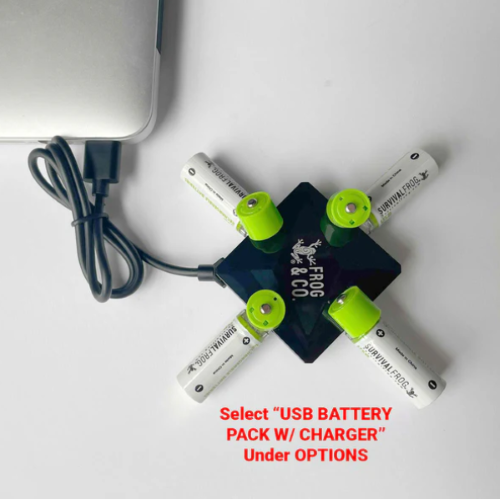
- Easy to Recharge: Simply open the cap on the battery, and plug into any USB port.
- Charge Anywhere: Charging cords are not needed, just plug directly into an USB computer port, wall block, battery pack, etc.
- Charging Light: Red light indicates battery is charging, Blue light when its fully charged.
- Save Money: Each battery gives you over 500 charges, saving hundreds of dollars.
MAKE IT EASIER:
- Add a 4-Port USB Charger to your order, and you can charge 4 batteries at once!
Don’t waste your money on single-use batteries that could let you down during an emergency. Pick up a few packs of durable and long-lasting EasyPower USB Rechargeable Batteries today.
Functional smoke detectors and carbon monoxide alarms are non-negotiables. Conduct regular checks to ensure they’re working properly. Remember, alarms equipped with strobe lights or bed shakers are available for those with hearing limitations, providing an extra layer of safety.
These enhancements provide safe navigation during an emergency and support everyday living, making them a smart investment for senior-friendly homes.
Developing an Actionable Emergency Plan
I stress the importance of having a straightforward emergency plan, especially for seniors facing additional challenges during stressful situations. First, it’s essential to establish clear and easy-to-navigate evacuation routes. If mobility is a concern, consider pathways that avoid stairs and opt for gentle slopes whenever possible.
Support networks are invaluable in times of crisis. I recommend seniors reach out to local resources such as community centers, which often have programs for elderly residents. It’s also a good idea to connect with neighbors and discuss how you can support each other in an emergency.
Practice might not make perfect, but it certainly builds confidence. Seniors should regularly walk through their emergency plan, ensuring each step is familiar and manageable. This can be as simple as rehearsing the exit route or ensuring all emergency supplies are within easy reach. Regular drills can significantly reduce anxiety and increase response efficiency when it matters.
Staying Informed and Connected
For seniors, staying informed and connecting with the community can be the lifeline during emergencies. Keeping abreast of potential hazards through weather alerts or community updates ensures readiness. Modern technology offers easy access to information, but it’s essential to have a backup, like a battery-powered radio, in case of power outages.
Building a network is crucial. I recommend seniors engage with their neighbors, local community centers, and family to establish a support system. A network can assist and ensure someone checks in during critical times. Involvement in community training programs or workshops on disaster preparedness can also be beneficial, empowering seniors with knowledge and resources.

Remember, preparation is your best defense. Regularly update your emergency plan and kit, stay informed, and maintain your network. This proactive approach gives seniors the best chance at safety and resilience when disasters strike.
Do you have an emergency plan in place? How long have you been prepping? What is the most important thing in your emergency plan? Please leave us a comment below so it can be of assistance to others.