Extreme Heat Survival Planning for Seniors: Staying Safe During Dangerous Heatwaves
This post may contain affiliate links. If you buy through them, I may earn a small commission at no extra cost to you.
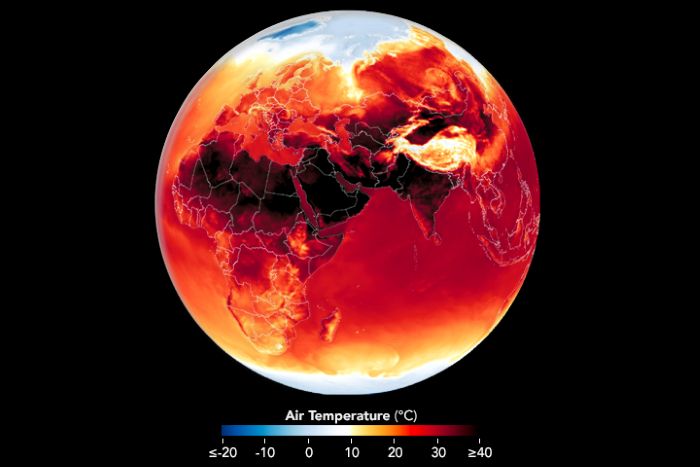
Heatwaves can last for days or even weeks, bringing high temperatures and humidity that put serious stress on the body. Extended heat can lead to dehydration, heat exhaustion, and heatstroke.
Every Summer, we have what feels like a heatwave in Florida. August can get to the high 90s and more. We have enough ocean winds to keep it from getting hotter, so it’s not like in Arizona, where it gets to the 100s.
I am mowing our 5 acres then. Mowing season starts in late March or sooner and goes to late October. I get wet in my pool, and my hair is in a wet ponytail that hangs down my back to cool me off. Keep the head cool!
This guide is part of the Ultimate Disaster Survival Guide, where you can explore 29+ emergency scenarios seniors should prepare for to protect their safety, independence, and home. Water contamination survival planning ensures you always have safe drinking water available—even when the system fails.
Common Heatwave Risks for Seniors
Extreme heat can affect multiple areas of daily life:
- Increased risk of dehydration
- Heat exhaustion or heatstroke
- Power outages from high energy demand
- Limited access to cooling systems
- Worsening of existing medical conditions
Preparation helps reduce these risks.
Extreme heat can also strain power systems. See our Power Grid Failure Survival Planning for Seniors to prepare for outages during dangerous temperatures.
For seniors, the goal is simple: stay cool, stay hydrated, and avoid heat-related illness. This guide gives you a clear plan.
Step 1: Monitor Weather and Heat Alerts
Heatwaves are usually forecast in advance.
Watch for:
- High temperature forecasts over multiple days
- Heat index above 100°F
- High humidity and warm nighttime temperatures
- Official heat advisories or warnings
Early awareness allows you to prepare before conditions worsen.
Step 2: Create a Cooling Plan
Plan where and how you will stay cool.
- Use air conditioning if available
- Identify a backup cooling location (friend, family member, or public space)
- Close blinds or curtains during the day
- Use fans to circulate air
If your home becomes too hot:
Relocate early to a cooler environment.
If relocation becomes necessary, review Evacuation Planning for Seniors to prepare transportation, supplies, and safe destinations.
Step 3: Extreme Heat Survival Planning for Seniors — Staying Hydrated
Hydration is critical during extreme heat.
- Drink water consistently throughout the day
- Avoid waiting until you feel thirsty
- Limit alcohol and excessive caffeine
- Use electrolyte drinks if needed
Dehydration can happen quickly in high heat.
Heatwaves often overlap with drought conditions. See Drought Survival Planning for Seniors for additional water-saving and storage strategies.
Step 4: Adjust Daily Activities
Reduce heat exposure whenever possible.
- Avoid outdoor activity during peak heat hours
- Wear lightweight, light-colored clothing
- Take frequent breaks if you must be outside
- Schedule necessary tasks for early morning or evening
Small adjustments can prevent serious illness.
Step 5: Recognize Heat-Related Illness
Know the warning signs.
Heat exhaustion symptoms:
- Heavy sweating
- Weakness or dizziness
- Nausea or headache
Heatstroke symptoms (medical emergency):
- High body temperature
- Confusion or disorientation
- Lack of sweating
- Rapid pulse
If heatstroke is suspected:
Seek emergency medical help immediately.
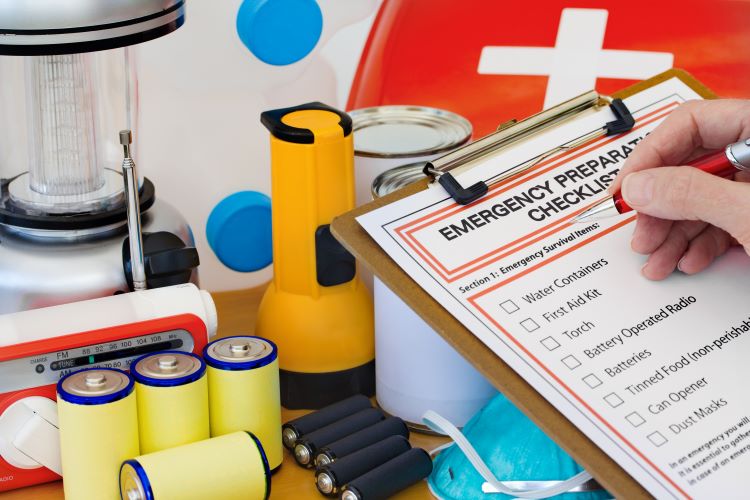
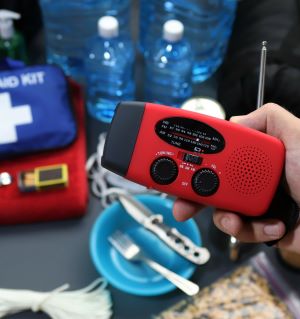
Step 6: Prepare an Emergency Kit
Have supplies ready for several days:
- Water (at least one to two gallons per person per day)
- Shelf-stable food
- Battery-powered fan or cooling devices
- Electrolyte drinks or supplements
- Medications and a basic first aid kit
Keep supplies in an easily accessible place.
Clean water is critical during extreme heat. Review Water Contamination Survival Planning for Seniors to ensure your stored water remains safe.
Step 7: Stay Informed
Conditions can change quickly.
- Follow local weather updates
- Listen to emergency alerts
- Check on neighbors or family members
Staying informed helps you respond quickly.
FAQs
Why are heatwaves dangerous for seniors?
Seniors are more vulnerable to heat because the body becomes less efficient at regulating temperature and dehydration can occur more quickly.
How much water should seniors drink during a heatwave?
Water needs vary, but drinking consistently throughout the day is important. Many seniors benefit from at least one to two gallons daily in extreme heat.
What is the difference between heat exhaustion and heatstroke?
Heat exhaustion involves symptoms like sweating and fatigue, while heatstroke is more severe and includes confusion, high body temperature, and requires emergency care.
Is it safe to use fans during extreme heat?
Fans can help circulate air, but in very high temperatures they may not be enough. Combining fans with hydration and cooling strategies is important.
When should seniors seek medical help during a heatwave?
Seek help immediately if symptoms of heatstroke appear, including confusion, high body temperature, or loss of consciousness.
What if there is a power outage during a heatwave?
Move to a cooler location if possible, stay hydrated, and use alternative cooling methods such as wet cloths or shaded areas.
Final Thoughts
Heatwaves can become dangerous quickly, but preparation makes a difference.
- Stay cool
- Stay hydrated
- Adjust your routine
- Act early when conditions change
Simple steps help protect your health.
Many of these same strategies apply to power outages and drought conditions, where heat and water access can become serious concerns.
Heatwaves don’t happen in isolation.
This is just one of many emergencies seniors should prepare for. Build your full plan with our complete disaster guide.
See All Disaster Plans →Comment Section
How do you usually stay cool during extreme heat? Do you have a backup plan if your air conditioning stops working? How much water do you keep on hand during the summer months? Have you ever experienced heat exhaustion or extreme dehydration? Share your thoughts below—your experience could help someone else stay safe during a heatwave.