How to Plan for a Dam Failure: Your Wall Against the Deluge
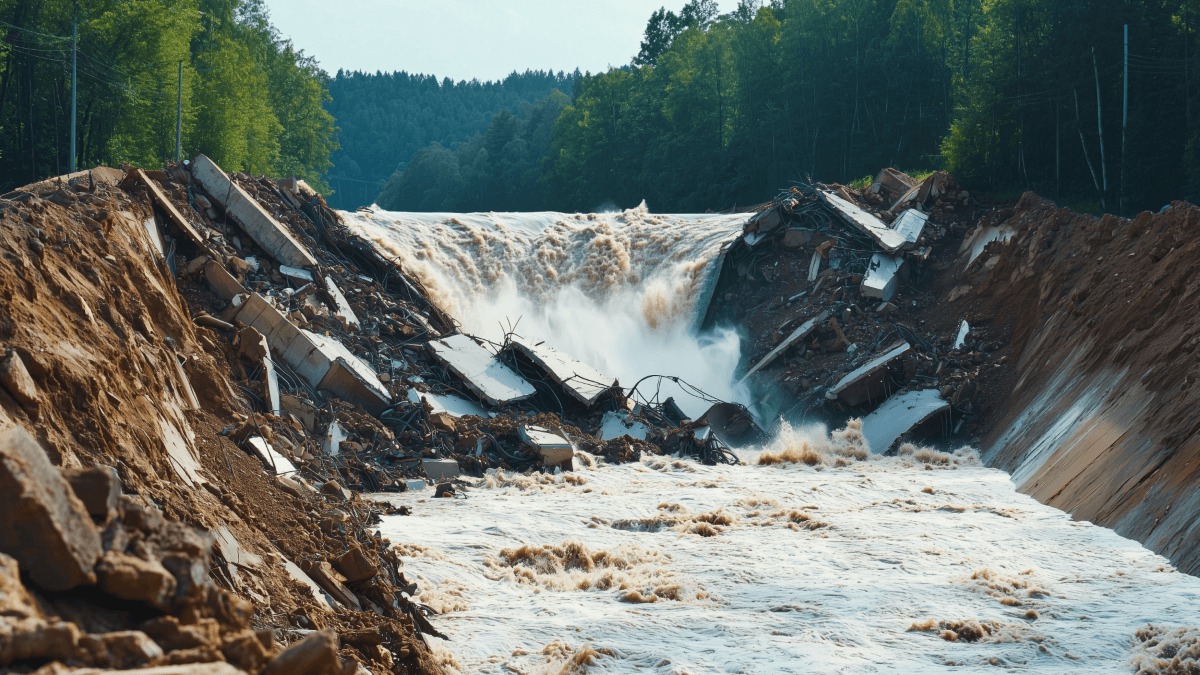
Dam failures are rare, but when they occur, the results can be devastating. A large volume of water can surge downstream quickly, creating severe flooding that damages homes, roads, and infrastructure. Communities located below dams or reservoirs may have only a short time to react if a breach occurs. Understanding evacuation routes and preparing in advance can help protect your safety.
I once lived in an area where the soil had been enriched by sediment from a historic dam break. The land was incredibly fertile—my tomatoes and green beans grew beautifully. Even difficult events can leave unexpected benefits, but preparation is still essential. If you live downstream from a dam, make sure your go-kit or bug-out bag is ready in case evacuation becomes necessary.
This guide is part of the Ultimate Disaster Survival Guide, where you can explore 29+ emergency scenarios seniors should prepare for to protect their safety, independence, and home. It will help you build a practical plan to survive an economic collapse — especially for those of us navigating our golden years.
Step 1: Understand Your Local Dam Risk
The first step in preparing for a dam failure is understanding whether you live in a potential flood zone.
Heavy rainfall, structural problems, earthquakes, or extreme water pressure can strain dams and reservoirs. Local authorities usually monitor these structures and issue warnings if conditions become dangerous.
You can prepare by:
• learning whether your home lies in a downstream flood zone
• signing up for local emergency alerts
• monitoring weather conditions during heavy storms
• reviewing evacuation guidance from local authorities
Knowing the potential risk in your area allows you to act quickly if a warning is issued.
Step 2: Create an Evacuation Plan
If a dam failure occurs, evacuation to higher ground is often the safest response.
Water released from a dam can travel quickly through valleys and low-lying areas. Having a plan in place before an emergency allows you to leave safely and without confusion.
Your evacuation plan should include:
• identifying nearby high ground or safe zones
• mapping at least two evacuation routes
• practicing leaving your home quickly
• choosing a safe meeting location for family members
Practicing a quick departure plan helps ensure everyone knows what to do if evacuation becomes necessary.
Step 3: Prepare an Emergency Supply Kit
Flooding from a dam failure can disrupt utilities and transportation for several days. Preparing an emergency supply kit helps you remain safe if evacuation or temporary displacement occurs.
Aim to maintain at least five to seven days of basic supplies.
Important items include:
• drinking water (about one gallon per person per day)
• shelf-stable food
• flashlights and extra batteries
• a battery-powered or hand-crank radio
• first-aid supplies
• sturdy boots and protective clothing
Store emergency supplies in a location that can be accessed quickly if evacuation becomes necessary.
Step 4: Protect Your Home When Possible
While evacuation should always come first during a dam emergency, some basic precautions may help reduce flood damage.
Consider steps such as:
• elevating important items above floor level
• storing valuables and documents in waterproof containers
• clearing nearby drainage areas
• knowing how to safely shut off electricity and gas if flooding threatens
These precautions can reduce risk if water reaches your property.
Step 5: Stay Safe During and After Flooding
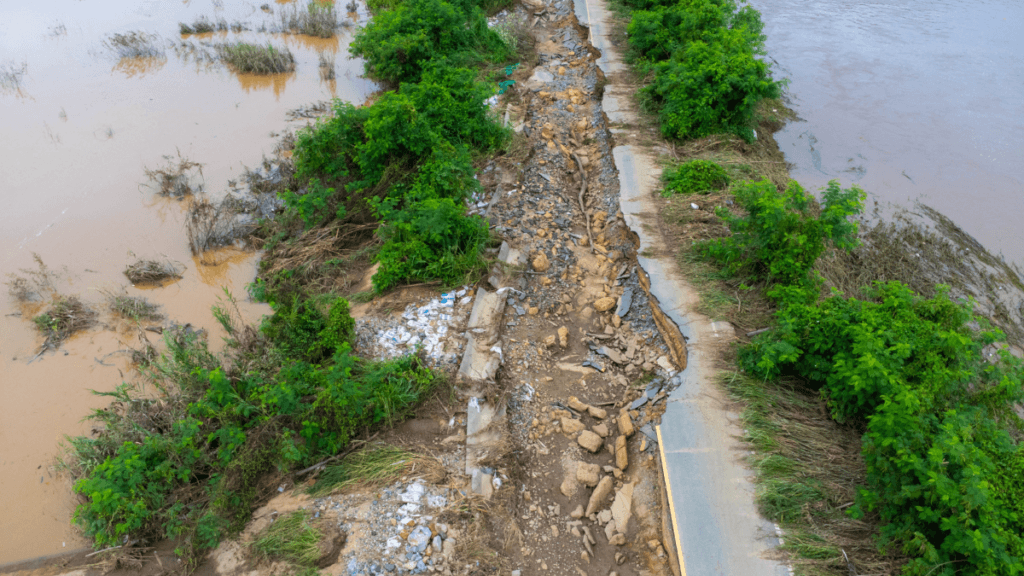
If a dam breach occurs, follow evacuation instructions immediately. Floodwaters can move quickly and may carry debris that makes travel dangerous.
During a flood emergency:
• move to higher ground as quickly as possible
• avoid walking or driving through moving water
• listen to emergency broadcasts for updates
• remain cautious of damaged roads, power lines, and contaminated water
After flooding, allow emergency officials to confirm that the area is safe before returning home.
Final Thoughts:
Dam failures are uncommon, but their impact can be severe for communities located downstream.
Preparedness focuses on understanding your local risk, planning evacuation routes, and keeping emergency supplies ready.
When warnings appear, the goal is simple: move quickly to higher ground and stay informed.
Preparation today helps ensure that you and your household can respond calmly and safely if a dam emergency ever occurs.
Comment Section
Have you ever experienced flooding caused by a dam failure or severe water release? If you have tips, lessons learned, or preparedness advice that could help fellow Golden Survivalists, please share your experience in the comments below. Your story could help someone else prepare more effectively.