How to Plan for an Avalanche: Your Fight Above the Snowline
Threat:
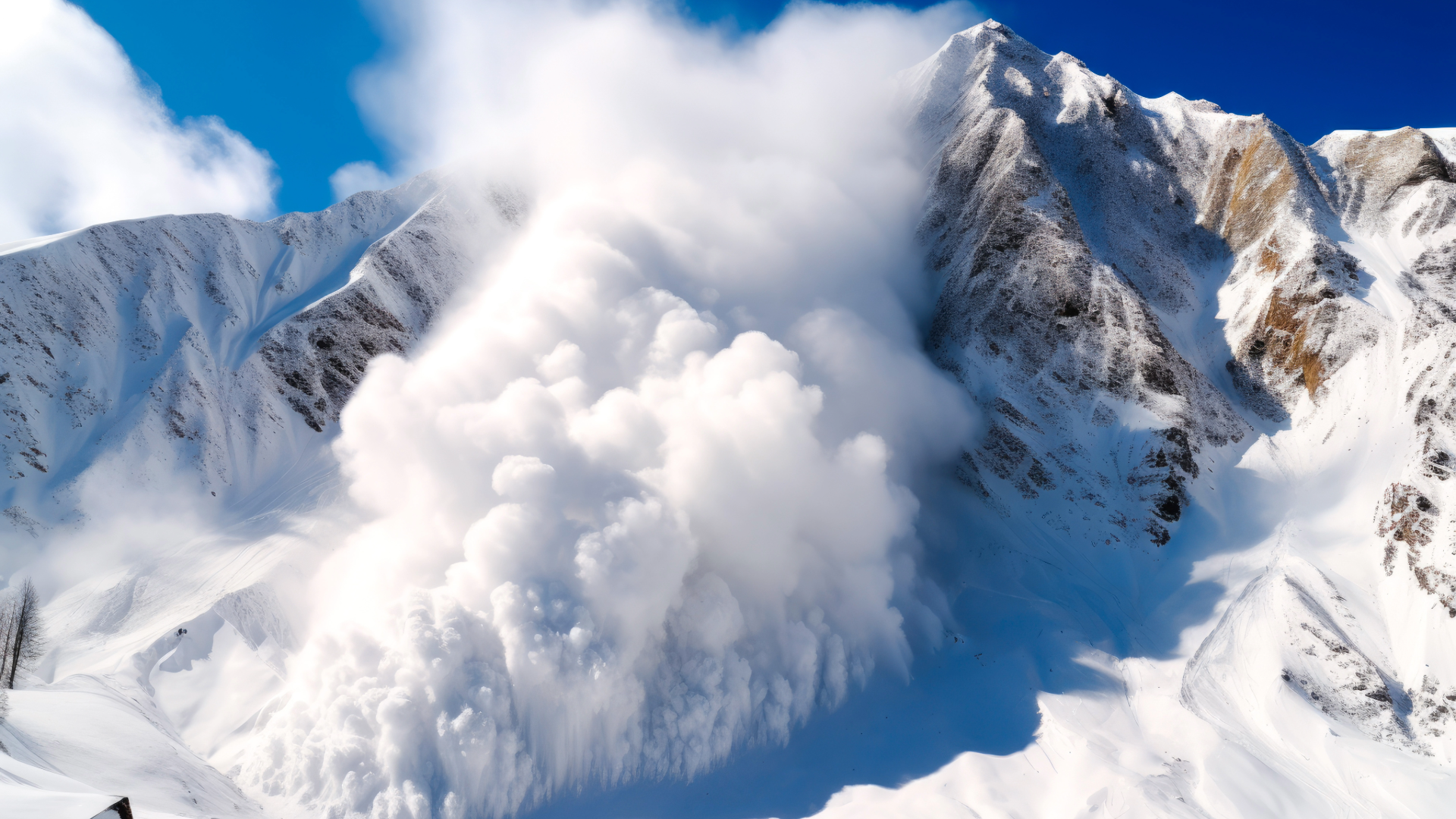
Avalanches occur when unstable snow breaks loose and rushes down steep mountain slopes, burying anything in its path.
Guide:
Learn how to recognize avalanche conditions, plan safer routes, and carry the gear needed to survive in snow-covered mountain terrain.
Avalanches are powerful natural events that can move thousands of tons of snow downhill in seconds. Anyone traveling in mountainous winter terrain—skiers, hikers, snowmobilers, or backcountry explorers—should understand the risks.
Most avalanche accidents happen when unstable snow breaks loose on steep slopes and quickly buries the area below. The danger is often invisible. Layers of snow may appear solid, but can collapse suddenly when conditions change.
Preparation is the key to staying safe.
Learning how to read avalanche warnings, travel smart in mountain terrain, and carry the right safety equipment can greatly reduce your risk.
This guide explains how to recognize avalanche conditions, prepare before entering avalanche terrain, and respond if a slide occurs.
This guide is part of the Ultimate Disaster Survival Guide, where you can explore 29+ emergency scenarios seniors should prepare for to protect their safety, independence, and home. It will help you build a practical plan to survive an economic collapse — especially for those of us navigating our golden years.
Step 1: Recognize the Warning Signs
Avalanches usually happen when snow layers lose stability. Several conditions increase the risk.
Watch for these warning signs:
• Heavy snowfall within the last 24–48 hours
• Strong winds are building snow drifts
• Rapid warming or rain on snow
• Cracking snow or collapsing sounds underfoot
• Recent avalanches in the area
Always check the local avalanche forecast before heading into mountain terrain. A forecast rating of Level 3 (Considerable) or higher means conditions are dangerous and require extreme caution.
Pay attention to the terrain around you. Snow conditions can change quickly.
Step 2: Plan Your Route Carefully
Good planning reduces your exposure to avalanche terrain.
Before traveling in the mountains:
• Study maps and slope angles
• Avoid slopes between 30° and 45°, where most avalanches occur
• Identify safer routes along ridges or dense tree cover
• Establish meeting points with your group
• Tell someone your travel plan and expected return time
If conditions appear unstable, the safest choice is often to turn back or choose a different route.
Experience and caution matter more than speed.
Step 3: Carry Essential Avalanche Safety Gear
Anyone entering avalanche terrain should carry basic rescue equipment. These tools allow companions to locate and rescue someone buried in snow.
Essential gear includes:
• Avalanche beacon (transceiver) – sends a signal that rescuers can locate
• Probe – helps pinpoint a buried person under the snow
• Shovel – used to dig quickly during a rescue
Additional helpful items include:
• Extra warm clothing
• Energy snacks and water
• A whistle or emergency signal device
• A compact first-aid kit
Keep safety gear on your body, not in a backpack that could be torn off during a slide.
Practice using avalanche equipment before entering the backcountry.
About This Item
- Includes the BCA Tracker S Avalanche Beacon Transceiver, Made by Backcountry Access. The "S" Stands for Simple, which is what you want in an avalanche rescue situation.
- Includes the SnowBigDeal 260-centimeter Avalanche Probe. Made from Aluminum with depth markings in centimeters. A probe helps to pinpoint a buried person under the snow.
- The Avalanche Transceiver includes a carrying harness to store the beacon safely against your body.
- Avalanche Beacons operate in Transmit and Receive modes to search for and be found by a partner.
- Don't travel in the backcountry without proper rescue gear. This kit includes two of the three essential items: Beacon and Probe (Shovel not included).


Step 4: Understand Mountain Terrain
Avalanches are strongly influenced by terrain.
The most dangerous slopes are typically 30 to 45 degrees. These slopes are steep enough for snow to slide but not steep enough for snow to shed naturally.
Be cautious around:
• Cornices (overhanging snow ridges)
• Wind-loaded slopes
• Areas below steep cliffs
• Fresh snow deposits on leeward slopes
Travel one at a time across risky areas so that only one person is exposed if a slide occurs.
Careful observation can help you avoid dangerous terrain.
Step 5: If an Avalanche Occurs
If an avalanche starts moving toward you, act immediately.
Try to move sideways out of the slide path. If escape is not possible:
• Drop heavy equipment if you can
• Use swimming motions to stay near the surface
• Protect your face and create space to breathe
When the snow stops moving, it can harden quickly. Creating an air pocket around your face may improve your chances of survival until rescue arrives.
If someone in your group is buried, begin rescue immediately using beacon signals, probes, and shovels. Survival chances decrease rapidly after the first 15 minutes.
FAQs
Are avalanches a risk for seniors traveling in winter mountains?
Yes. Avalanches can affect anyone in mountain terrain. Older adults should take extra care by checking avalanche forecasts, avoiding steep slopes, and traveling with experienced partners.
What slopes are most dangerous for avalanches?
Most avalanches occur on slopes between 30 and 45 degrees. Seniors should avoid these slopes during unstable snow conditions and stay on safer routes such as ridgelines or well-traveled trails.
What equipment should seniors carry in avalanche terrain?
Basic avalanche safety equipment includes:
• Avalanche beacon (transceiver)
• Probe
• Shovel
Many seniors also carry trekking poles, communication devices, and extra insulation layers to reduce physical strain and stay warm.
How can seniors reduce avalanche risk?
Older adults can reduce risk by:
• Checking avalanche forecasts before traveling
• Avoiding steep slopes after heavy snowfall
• Traveling with a partner or group
• Choosing well-marked winter routes
Good planning and conservative decisions make winter travel safer.
What should you do if an avalanche starts?
Move sideways out of the slide path if possible. If escape is not possible, try to stay near the surface and protect your airway as the snow settles.
Why is quick rescue important in avalanches?
Avalanche debris hardens quickly. Survival chances drop significantly after about 15 minutes, so immediate rescue by companions is critical.
Final Thoughts
Avalanches are one of the most serious hazards in mountain environments, but they are often predictable with the right knowledge.
Understanding snow conditions, choosing safe routes, and carrying proper rescue gear can significantly improve your safety.
Preparation and awareness allow you to enjoy winter mountain travel while reducing unnecessary risk.
When you respect the terrain and plan carefully, the mountains remain a place of adventure—not disaster.
Join the Conversation
Many seniors continue to explore mountains, ski, snowshoe, and hike well into their later years. Experience often leads to better judgment in the outdoors.
Do you still enjoy winter hiking or snow travel in retirement? What safety precautions do you take now that you didn’t think about when you were younger?
Share your thoughts or experiences in the comments below. Your advice may help other readers prepare wisely and enjoy the outdoors safely.