Economic Collapse Planning for Seniors: Protecting Finances and Essential Supplies

Introduction
An economic collapse doesn’t roar in like a hurricane or shake the ground like an earthquake. It creeps in quietly.
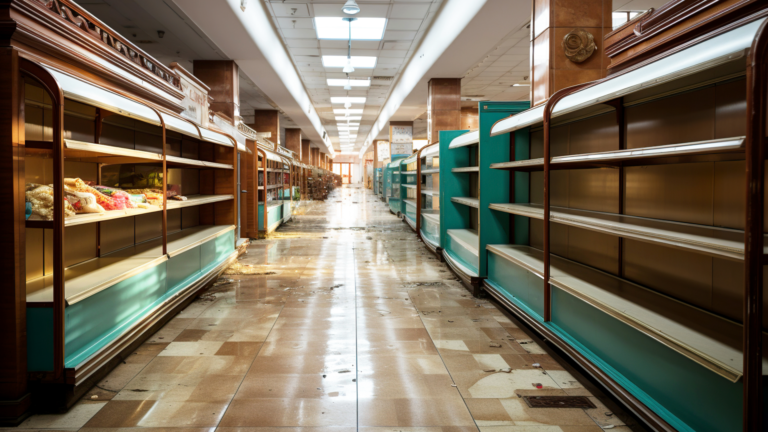
One week, the shelves are stocked.
The next week, prices double.
Then banks restrict withdrawals, supply chains stall, and people begin to panic.
When money loses trust, the entire system begins to fracture.
An economic collapse can trigger shortages, unemployment, civil unrest, and the breakdown of everyday services people depend on. Seniors are often hit hardest because retirement savings, pensions, and fixed incomes can evaporate quickly during financial instability.
But with preparation, you can soften the blow and maintain independence when others are scrambling.
This guide is part of the Ultimate Disaster Survival Guide, where you can explore 29+ emergency scenarios seniors should prepare for to protect their safety, independence, and home. It will help you build a practical plan to survive an economic collapse — especially for those of us navigating our golden years.
Understanding the Threat
Economic collapse rarely happens overnight. It builds through a series of failures:
• banking instability
• runaway inflation
• massive debt defaults
• government financial crises
• supply chain disruptions
History shows what can happen when financial systems unravel.
During the Great Depression, thousands of banks failed, and stock markets lost most of their value before recovering decades later. (AARP)
When confidence in money disappears, people begin hoarding food, fuel, and supplies.
Stores empty quickly.
Communities that prepared early remain stable.
Those who didn’t struggle to keep up.

Why Economic Collapse Hits Seniors Hard
Older adults face several unique risks during economic turmoil.
• retirement savings may shrink rapidly
• fixed incomes cannot keep up with inflation
• medical expenses remain constant or increase
• mobility issues can limit access to supplies
For seniors, preparation isn’t about stockpiling luxury goods.
It’s about stability and independence.
The goal is simple:
Stay comfortable.
Stay fed.
Stay medically supported.
Stay financially flexible.
Step 1: Strengthen Your Financial Resilience
Your first line of defense is financial flexibility.
When banks limit withdrawals or markets fall, having diversified access to resources can help you stay afloat.
Consider preparing with:
• emergency cash stored securely at home
• multiple bank accounts or credit unions
• low-debt living whenever possible
• essential bills automated or prepaid
• physical assets that hold value
Even government emergency guidance suggests keeping cash on hand during disasters in case electronic payments fail. (Ready.gov)
Think of it as fuel for your survival engine.
Without liquidity, every other plan becomes harder.
Recognizing the Early Warning Signs
Economic collapse rarely appears suddenly. In most cases, it develops through warning signs that build gradually over time.
Prices may begin rising faster than wages. Banks may place temporary limits on withdrawals during financial stress. Supply chains may slow, leaving fewer goods available on store shelves.
Watch for early indicators such as:
• rapidly rising food or fuel prices
• banks limiting withdrawals or delaying transfers
• shortages of common household goods
• sudden changes in government financial policies
Recognizing these signals early allows you to adjust your preparations calmly instead of reacting during a crisis.

Step 2: Build a Practical Supply Buffer
During economic collapse, shortages often become common.
Transportation costs rise.
Manufacturing slows.
Distribution systems struggle to keep shelves stocked.
We are smack-dab in the middle of a supposed “war with Iran” that President Trump and his allies are trying to say it isn’t a war, even though they keep calling it a war. Gas has almost doubled. Supply chains are cut off at the Strait of Hormuz. I hope I’m ready…
Instead of panic buying, focus on building a steady reserve over time.
A practical starting goal is to maintain two weeks’ worth of essential supplies. If possible, gradually expand that reserve toward 30 days of household necessities.
Begin with the basics:
Food
Water
Medicine
Hygiene supplies
Basic tools
Preparedness experts often recommend storing enough supplies to sustain a household for extended periods if supply chains are disrupted. (The Provident Prepper)
For seniors, the most important items include:
• prescription medications
• shelf-stable food
• medical supplies
• batteries and lighting
• mobility aids and backup equipment
Step 3: Develop Barter and Trade Options
If currency loses value during severe economic instability, communities often rely more heavily on barter and informal trade.
Certain goods tend to retain value during difficult economic periods:
• canned foods
• medical supplies
• batteries
• seeds and gardening supplies
• tools
• fuel
• hygiene products
Skills can be just as valuable.
Gardening
basic repair work
medical knowledge
food preservation
animal care
Barter systems do not replace money entirely. Instead, they provide an additional way communities can support one another when financial systems become strained.
Think of barter as a backup form of exchange built on practical usefulness.
I can offer cooking, sewing, light gardening and animal care, plus I’m a techy. My husband is a techy, plus he can build things, fix cars and we both have boating knowledge. My husnand also is a professor of automotive technology so he can offer teaching skills and automotive repair. He’s also a published author and editor for college automotive textbooks.
Step 4: Reduce Dependence on Fragile Systems
Modern life depends on complex systems that can become unstable during financial crises.
Electric grids
banking systems
transportation networks
global supply chains
Economic stress can strain all of them.
Strengthening basic self-reliance improves stability during uncertain times.
Consider learning practical resilience skills such as:
• food preservation
• gardening
• basic home repairs
• cooking from scratch
• water purification
These skills reduce dependence on fragile systems and give you greater control over your daily needs.
Step 5: Protect Your Home and Resources
Periods of economic stress can sometimes increase theft, scams, and fraud. Protecting your home and personal information becomes more important during unstable times.
Consider simple protective steps such as:
• securing doors and windows
• avoiding public discussion of stored supplies
• monitoring financial accounts regularly
• protecting important documents and identification
Preparedness works best when it remains calm, organized, and discreet.
Step 6: Build Community
Isolation can make any disaster harder to manage. Economic collapse is no different.
Communities that cooperate and support one another tend to remain more stable during difficult periods.
Neighbors may share tools.
Families may combine resources.
Different skills spread across a community.
Consider strengthening connections with:
• preparedness groups
• church communities
• gardening or homesteading groups
• trusted neighbors
• local farmers and food producers
A strong network often becomes the most reliable safety net during uncertain times.
FAQs
What causes economic collapse?
Economic collapse can be triggered by banking failures, runaway inflation, massive debt crises, supply chain disruptions, or government instability.
How should seniors prepare for economic collapse?
Focus on emergency cash, essential supply storage, medical preparedness, and reducing financial vulnerabilities.
What items are valuable during economic collapse?
Food, medical supplies, fuel, hygiene items, tools, and seeds often become useful barter goods.
Can economic collapse affect food availability?
Yes. Supply chain disruptions and panic buying can lead to shortages and price spikes.
Related Disaster Preparedness Guides
Economic instability often triggers other emergencies. Strengthen your preparedness by exploring these guides:
Solar Flare Preparedness
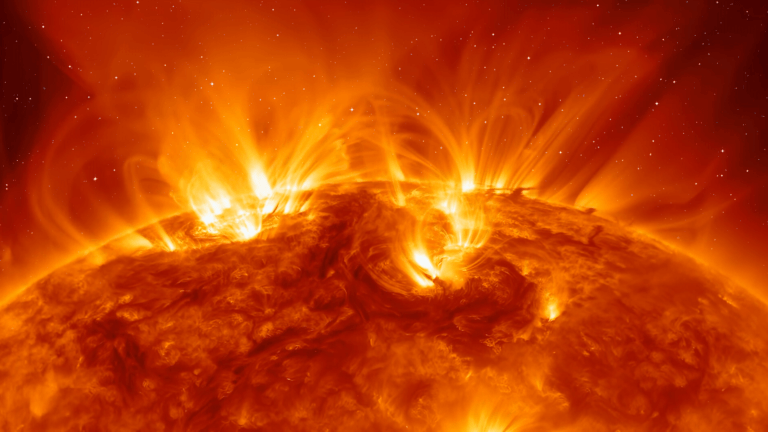
A severe solar storm can disable power grids and financial systems overnight. Learn how to protect electronics and maintain communication.
Cybersecurity Threats
Digital banking failures and cyberattacks can freeze accounts and disrupt access to funds.
EMP Preparedness
Electromagnetic pulses could disable vehicles, power grids, and banking infrastructure.
Power Outage Survival
Economic crises often lead to infrastructure failures that cause extended blackouts.
Supply Chain Disruption Planning
When transportation and manufacturing slow down, shortages spread quickly.
Final Thoughts
Economic collapse is not simply a financial event.
It represents a breakdown of systems people depend on every day.
When banks tighten withdrawals, supply chains slow, or prices rise rapidly, preparation allows you to remain steady while others struggle to adjust.
Preparedness is not about predicting the future.
It is about building stability so that no matter what happens—recession, inflation, or financial crisis—you can protect your safety, independence, and peace of mind.
Every small step taken today strengthens your resilience tomorrow.
Comment Section
What’s the first thing you would secure if the economy suddenly crashed tomorrow — food, cash, or community? Please share your thoughts below. We learn the most from each other.