Florida Wildlife Safety Planning for Seniors: Avoiding Dangerous Animal Encounters
This post may contain affiliate links. If you buy through them, I may earn a small commission at no extra cost to you.
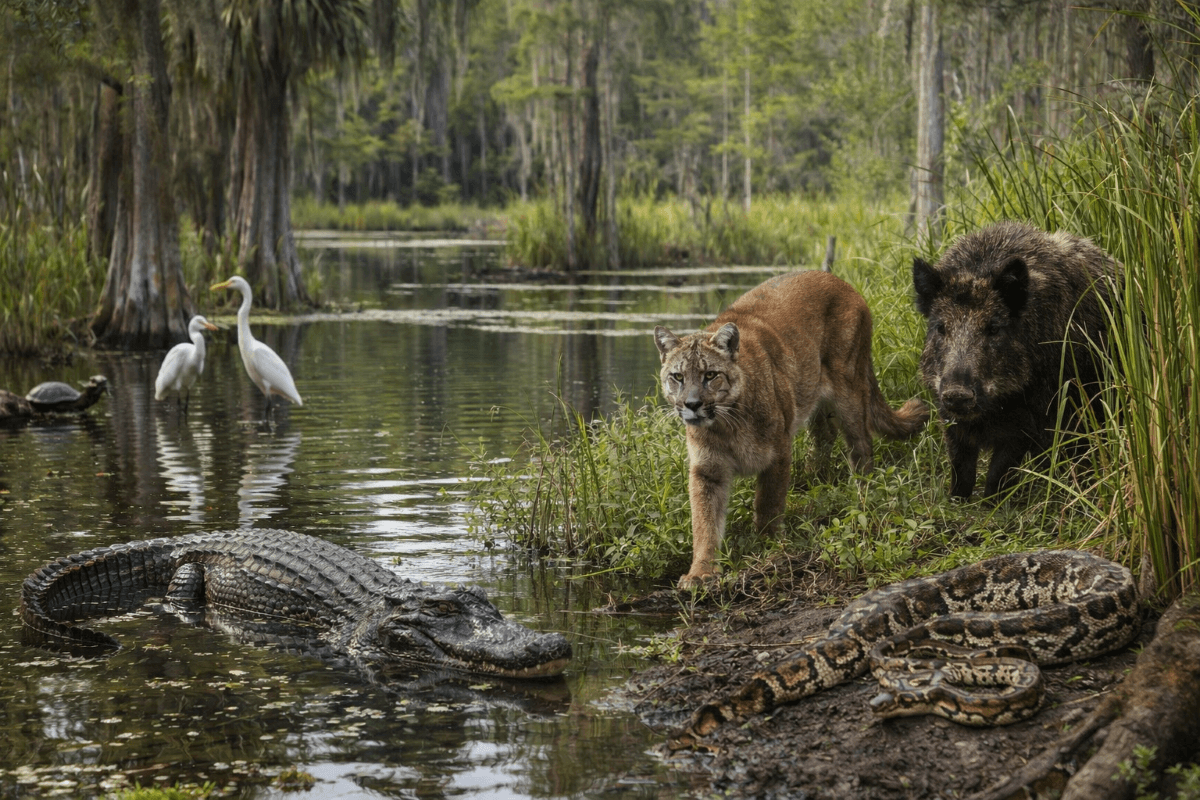
Florida is home to a wide range of wildlife. Alligators, venomous snakes, wild hogs, and other animals share the same environments where people live, garden, hike, and boat. While most wildlife avoids human contact, encounters can happen unexpectedly in backyards, parks, or rural areas. Understanding how to recognize wildlife risks and respond safely can help prevent injuries and keep both people and animals out of danger.
I’m a Floridian—born and raised here—so I’ve spent a lifetime around most of these animals. I lived in Nashville, Tennessee, from 1970 to 1980 during my first marriage. My husband was the first drummer in gospel music and toured for 10 years with the Oak Ridge Boys after they invited him to join them after a one-weekend gig.
Life takes interesting turns, and I’ve certainly had a few of those along the way. But Florida has always been home, and living here teaches you quickly that respecting wildlife is part of everyday life.
This guide is part of the Ultimate Disaster Survival Guide, where you can explore 29+ emergency scenarios seniors should prepare for to protect their safety, independence, and home. It will help you build a practical plan to survive an economic collapse — especially for those of us navigating our golden years.
Step 1: Learn to Recognize Wildlife Activity
Many wildlife encounters can be avoided simply by learning to recognize the signs that animals are nearby.
- Alligators may leave ripples or movement in the water along ponds and canals.
- Snakes often hide in tall grass, brush piles, or near water sources.
- Wild hogs leave tracks and root through soil while searching for food.
- Panthers and other large predators are rarely seen but may leave tracks or signs along wooded trails.
Staying aware of your surroundings is one of the best ways to avoid dangerous encounters. Pay attention to posted wildlife warnings in parks and natural areas. The Florida Fish and Wildlife Conservation Commission (FWC) also provides updates and guidance when wildlife activity increases in certain regions. Knowing the environments where animals commonly live—wetlands, wooded areas, canals, and even golf courses—helps you stay alert and prepared.
Step 2: Plan Safe Movement Outdoors
If you spend time outdoors gardening, walking, or enjoying nature, it helps to plan how you will move safely through areas where wildlife may be present. Stick to clear paths and avoid walking through thick vegetation where animals may be hidden. Keep pets leashed and avoid approaching wildlife, even if the animal appears calm.
If you encounter an animal unexpectedly, remain calm and slowly create distance between yourself and the animal. Most wildlife will retreat when people move away slowly and avoid sudden movements. It is important not to run blindly into brush or water, as this could lead to additional hazards.
Step 3: Carry Basic Outdoor Safety Supplies
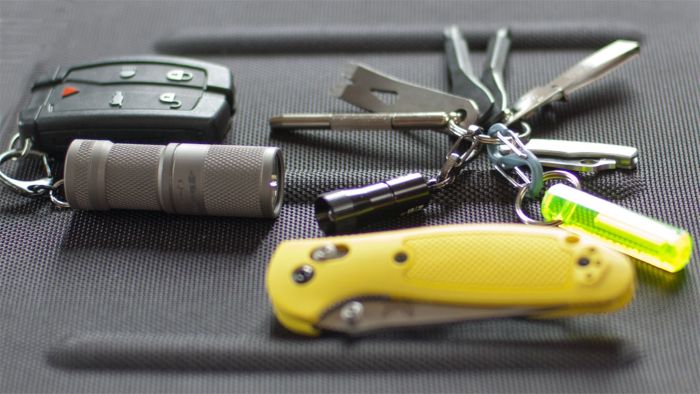
When spending time outdoors in areas where wildlife may be present, it is helpful to carry a few simple safety items. These supplies are not meant for confrontation but can assist during unexpected situations.
Useful items may include:
- a flashlight for low-light visibility
- a whistle to signal for help if needed
- a small first-aid kit
- a charged mobile phone
- sturdy footwear for outdoor terrain
When hiking or exploring more remote areas, it may also be useful to carry a radio or communication device that can receive weather and emergency updates.
Step 4: Make Your Property Less Attractive to Wildlife
Many wildlife encounters happen close to home. Simple property management can reduce the likelihood of animals wandering into your yard.
Helpful steps include securing trash containers, removing food scraps or pet food left outdoors, clearing dense brush where snakes may hide, and maintaining fences or barriers around gardens and livestock areas. Standing water and overgrown vegetation can attract animals searching for food or shelter, so keeping outdoor spaces clean and well-maintained can discourage wildlife from settling nearby.
Step 5: Know How to Respond During an Encounter
Even with preparation, wildlife encounters can still happen. The key is to stay calm and avoid sudden actions that may startle the animal.
If you see an alligator, keep a safe distance and move away slowly from the water’s edge, or run in a zig-zag. If you encounter a snake, step back carefully and give the animal space to move away. Wild hogs should also be avoided by slowly retreating and creating distance. Most wildlife prefer to avoid human contact and will leave the area if given the opportunity.
If an injury occurs from a bite or encounter, seek medical attention as soon as possible. Even small wounds can become serious if left untreated, especially in warm and humid environments.
Final Thoughts
Living in Florida means sharing the landscape with wildlife. While encounters with animals can sometimes be surprising, most situations can be handled safely with awareness and preparation. Learning how to recognize wildlife activity, planning safe outdoor habits, and keeping your property well-maintained can significantly reduce the risk of dangerous encounters.
Respecting wildlife and understanding their behavior helps create a safer environment for both people and animals. With a little preparation and awareness, Floridians can enjoy the outdoors while staying safe in the environments we share.
Comment Section
Do you have tips, tools, or stories that could help fellow Golden Survivalists who live in Florida or other wildlife-rich areas? Share your experiences in the comments below. Your insight could help someone else stay safe during an unexpected encounter.