
Shark Attack Survival Planning for Seniors: Ocean Safety and Awareness
This post may contain affiliate links. If you buy through them, I may earn a small commission at no extra cost to you.
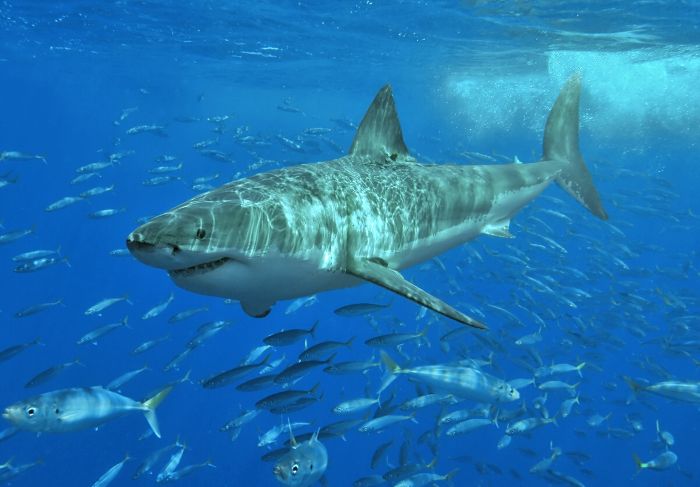
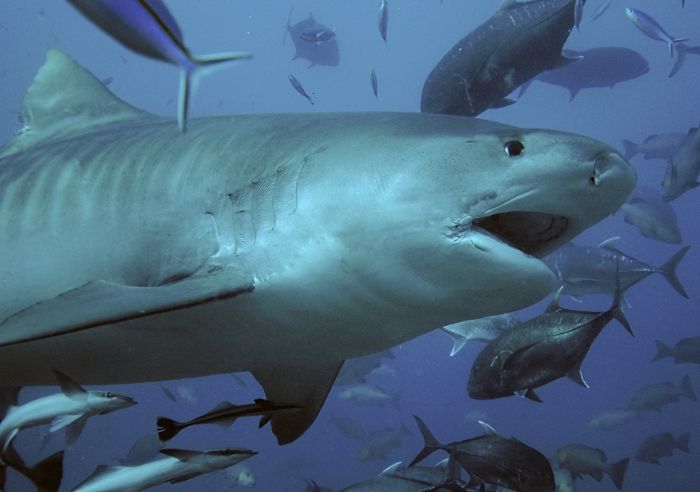
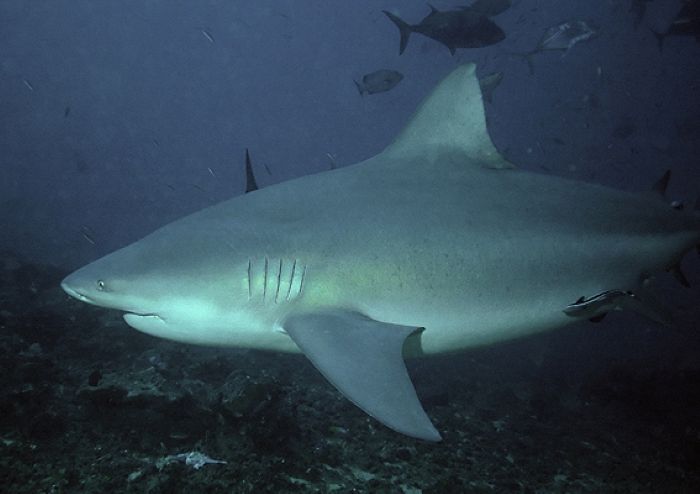
The first shark image above is of the great white shark. It is involved in the most fatal unprovoked attacks.
Shark attacks are rare, but they can happen in coastal waters where people swim, fish, or wade. Most incidents occur because of mistaken identity or poor visibility in the water. Shark attack survival planning for seniors focuses on ocean awareness, avoiding high-risk conditions, and knowing how to respond safely.
I’m a fish. I love to swim, and I was a competitive swimmer in high school. However, a car accident left me with a crooked arm, which curtailed my swimming career. I’ve never seen a shark in the ocean near me, but I rarely go to the beach. We don’t have clear oceans in North Florida like in South Florida. Plus, I hate the sand.
I rarely swim in the ocean or in too dark water where I can’t see. I’m chicken because I need to see below myself when in the water. I love to swim underwater. Florida boasts clear waters throughout and is home to numerous freshwater springs. We had a large, clear, artesian water-filled pool for me to practice becoming a fish.
For seniors, the goal is simple: reduce risk, stay aware, and respond calmly if something happens.
This guide gives you a clear plan.
Common Shark Risk Situations
Certain conditions increase the chance of a shark encounter:
- Swimming at dawn or dusk
- Murky or low-visibility water
- Areas with active fishing or bait fish
- Swimming alone
- Wearing shiny jewelry or high-contrast clothing
Awareness helps you avoid unnecessary risk.
Step 1: Recognize Risk Conditions Before Entering the Water
Prevention starts before you swim.
Avoid entering the water if:
- Visibility is poor or water is murky
- Fish are actively feeding nearby
- You see seabirds diving into the water
- There are posted warnings or recent sightings
If conditions are uncertain:
Wait until it is safer.
Step 2: Shark Attack Survival Planning for Seniors — Safe Swimming Habits
Safe habits reduce risk significantly.
- Swim in groups rather than alone
- Stay close to shore
- Avoid wearing shiny jewelry
- Keep movements smooth and controlled
- Stay aware of your surroundings
Simple awareness helps prevent most encounters.
Step 3: Know What to Do If You See a Shark
If you spot a shark:
- Stay calm and avoid sudden movements
- Keep the shark in sight
- Slowly move toward shore or a safe exit
- Avoid splashing or panicking
Do not turn your back or swim away quickly unless necessary.
Step 4: Defend Yourself Only If Necessary
If a shark approaches closely or makes contact:
- Maintain eye contact if possible
- Use any available object to create distance
- Aim for sensitive areas such as the eyes or gills if forced to defend yourself
Your goal is to create an opportunity to escape.
Step 5: Respond Quickly to Injury
If a bite occurs:
- Exit the water as quickly and calmly as possible
- Apply firm pressure to control bleeding
- Use a tourniquet if trained and necessary
- Signal for help immediately
Quick response can save your life.
Step 6: Stay Safe After the Incident
After leaving the water:
- Seek medical attention immediately
- Report the incident to local authorities
- Avoid re-entering the water until it is declared safe
Recovery and safety come first.
FAQs
How common are shark attacks?
Shark attacks are rare, especially compared to other water-related risks. Most people who swim in the ocean will never encounter a shark.
What should seniors do if they see a shark while swimming?
Remain calm, keep the shark in sight, and slowly move toward shore. Avoid splashing or making sudden movements.
Is it safer to swim in groups?
Yes. Sharks are less likely to approach groups than individuals, making group swimming a safer option.
What time of day are shark attacks more likely?
Shark activity is often higher at dawn and dusk, when visibility is lower and feeding activity increases.
What should you do if bitten by a shark?
Exit the water immediately, apply pressure to stop bleeding, and seek emergency medical help as quickly as possible.
Can you prevent shark attacks completely?
There is no guaranteed way to prevent shark encounters, but avoiding high-risk conditions and staying aware greatly reduces the chance.
Final Thoughts
Shark attacks are uncommon, but awareness and preparation make a difference.
- Choose safe conditions
- Stay aware in the water
- Remain calm if something happens
- Act quickly if injured
Simple decisions help you stay safe.
Some of the same awareness principles apply to coastal hazards like rip currents and storm surges, where conditions can change quickly.
Shark attacks don’t happen in isolation.
This is just one of many emergencies seniors should prepare for. Build your full plan with our complete disaster guide.
See All Disaster Plans →Comment Section
Do you feel comfortable swimming in the ocean, or do you prefer to stay closer to shore? Have you ever encountered marine wildlife while swimming? Do you check water conditions before entering the ocean? What safety steps do you take when swimming in coastal areas? Share your thoughts below—your experience could help someone else stay safe in the water.