Sinkhole Survival Planning for Seniors: Recognizing and Escaping Ground Collapse

This post may contain affiliate links. If you buy through them, I may earn a small commission at no extra cost to you.
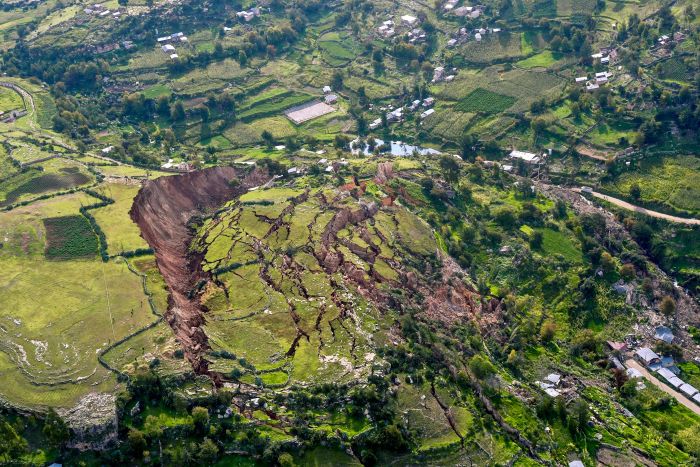
Sinkholes can form without much warning and cause sudden ground collapse. They may damage homes, roads, and infrastructure, especially in areas with unstable soil or underground erosion. Sinkhole survival planning for seniors is essential in areas where ground collapse can happen suddenly due to erosion or unstable soil.
Sinkholes abound in Florida. We have so much limestone and dolomite here. There are more sinkholes in Florida than in any other state. They have been formed naturally and human-caused from too much development. Like an earthquake, the ground suddenly gives away. Most of the clear springs in Florida are from sinkholes. Those are beautiful.
For seniors, the goal is simple: recognize early warning signs, leave unsafe areas quickly, and avoid unstable ground.
This guide gives you a clear plan.
Common Causes of Sinkholes
Sinkholes often develop over time before collapsing suddenly.
Common causes include:
- Underground water erosion (common in Florida and karst regions)
- Heavy rainfall or flooding
- Broken water or sewer pipes
- Construction or land development
- Abandoned mines or underground voids
Understanding your environment helps reduce risk.
![How to Plan for a Sinkhole: Your Grip on Falling Ground By Stewart Tomlinson, Florida - USGS Surface Water Photo Gallery[1], item 14 01., Public Domain, https://commons.wikimedia.org/w/index.php?curid=19505309 The entire surface water flow of the Alapaha River near Jennings, Florida goes into a sinkhole leading to the Floridan Aquifer groundwater](https://goldensurvivalist.com/wp-content/uploads/2025/03/700SINKHOLEAlapahaRiver2002.jpg)
Step 1: Sinkhole Survival Planning for Seniors — Recognizing Warning Signs
Sinkholes often give clues before collapse.
Watch for:
- Cracks in walls, floors, or driveways
- Sinking or uneven ground
- Doors or windows that suddenly stick
- Pooled water in unusual areas
- Leaning trees or fence posts
If you notice these signs:
Do not ignore them—act early.
Step 2: Evacuate Unsafe Areas Quickly
If a sinkhole is forming or expanding:
- Leave the area immediately
- Move to stable ground away from the collapse
- Avoid roads or areas that may also be unstable
- Warn others nearby if possible
Early evacuation reduces risk of injury.
Step 3: Create a Simple Emergency Plan
Preparation helps you act quickly.
- Identify safe areas away from your home
- Plan at least one evacuation route
- Keep emergency contacts written down
- Choose a meeting location if separated
Simple plans reduce confusion during sudden events.
Step 4: Prepare a Basic Emergency Kit
Keep supplies ready in case you need to leave quickly.
For 3–5 days:
- Water (one gallon per person per day)
- Non-perishable food
- Flashlight and batteries
- First aid kit
- Sturdy shoes or boots
- Whistle or signaling device
Store your kit where it is easy to access.
Step 5: Protect Your Property When Possible
While you cannot stop a sinkhole, you can reduce contributing factors.
- Avoid over-watering your yard
- Repair leaking pipes promptly
- Monitor drainage around your home
- Address small ground changes early
Preventive steps may reduce risk over time.
Step 6: Stay Safe After a Collapse
After a sinkhole forms:
- Stay away from the edges—they may collapse further
- Do not attempt to enter the hole
- Report the sinkhole to local authorities
- Follow guidance from emergency services
Additional collapses can happen without warning.
FAQs
What causes sinkholes to form?
Sinkholes are usually caused by underground erosion, often from water dissolving soil or rock, creating empty spaces that eventually collapse.
Are there warning signs before a sinkhole forms?
Yes. Cracks in structures, sinking ground, and unusual water pooling are common early warning signs.
What should seniors do if a sinkhole appears near their home?
Leave the area immediately, avoid the unstable ground, and report the issue to local authorities.
Can sinkholes be prevented?
Not always, but proper drainage, avoiding over-watering, and fixing leaks can help reduce the risk.
Is it safe to go near a sinkhole after it forms?
No. The edges may still be unstable and can collapse further without warning.
Where are sinkholes most commonly found?
Sinkholes are more common in areas with limestone or karst terrain, such as parts of Florida.
Final Thoughts
Sinkholes can develop quietly but collapse suddenly.
- Watch for warning signs
- Leave early if conditions change
- Stay clear of unstable ground
- Follow official guidance
Simple awareness and quick action improve safety.
Some of the same planning steps apply to earthquakes and flooding, where ground stability can also be affected.
Sinkholes don’t happen in isolation.
This is just one of many emergencies seniors should prepare for. Build your full plan with our complete disaster guide.
See All Disaster Plans →Comment Section
Have you ever seen signs of ground shifting or possible sinkhole activity? Do you know if your area is prone to sinkholes? Would you recognize the early warning signs around your home? What steps have you taken to monitor or protect your property? Share your thoughts below—your experience could help someone else stay safe.