Terrorist Attack Survival Planning for Seniors: Responding to Sudden Threats
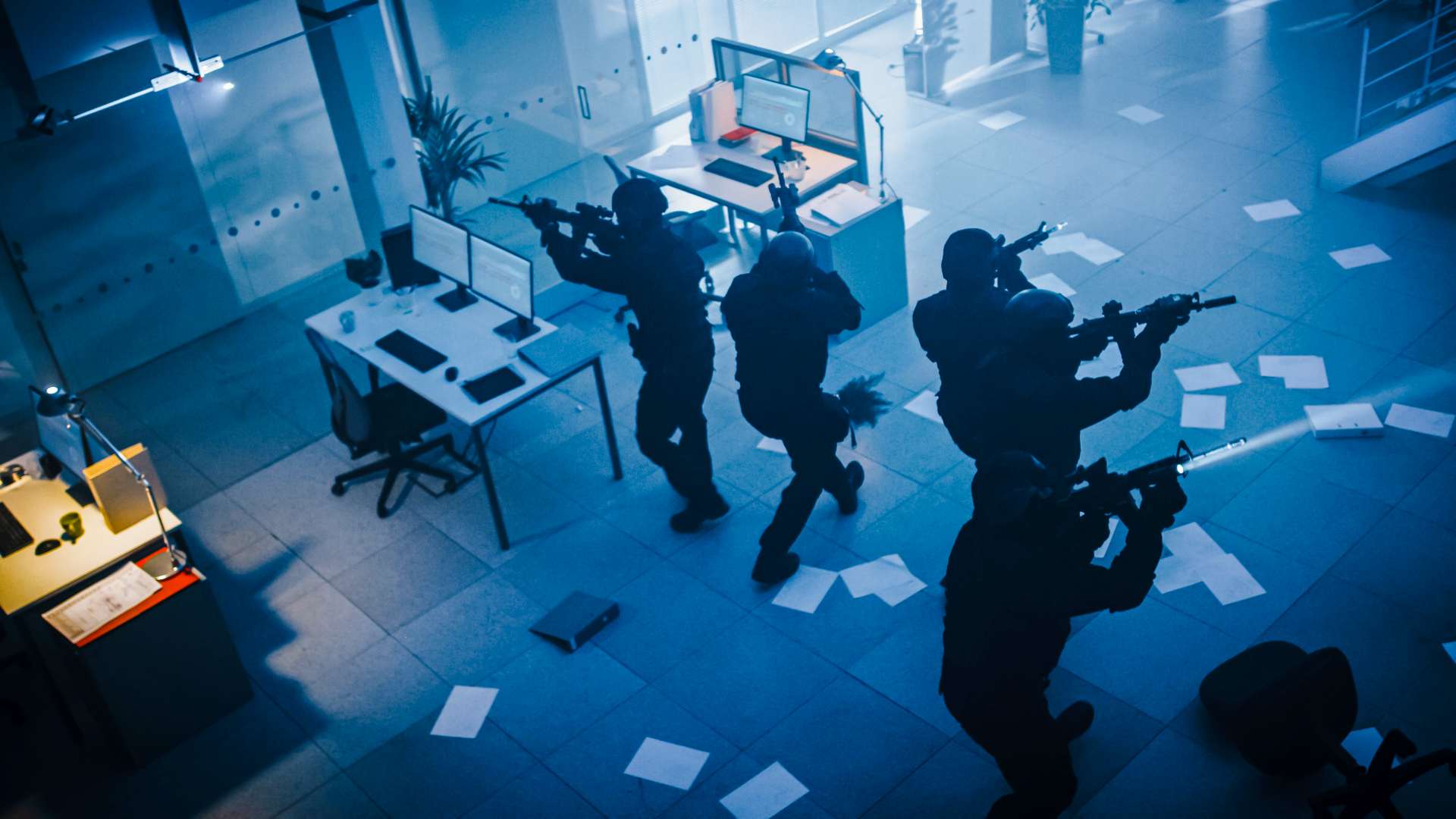
Terrorist attacks are sudden, chaotic, and unpredictable. One moment everything feels normal—the next, there is noise, confusion, and people reacting fast.
These events can happen in everyday places such as shopping areas, highways, public events, or transportation hubs.
For seniors, the goal is simple: create distance from danger, protect yourself from immediate harm, and make calm decisions.
This guide gives you a clear plan.
Sudden threats don’t happen alone.
Terrorist attacks are just one of many emergencies seniors should prepare for. Build your full plan with our complete disaster guide.
Explore the Ultimate Disaster Survival GuideWhile attacks can happen anywhere, some locations carry a higher risk:
- Crowded public spaces (malls, events, transit stations)
- Major highways and bridges
- Ports and shipping areas
- Tourist destinations
- Government or infrastructure buildings
In Florida, high-traffic and tourist-heavy areas require extra awareness.
Step 1: Recognize the Warning Signs Early
You may not always get a clear warning, but there are often signs:
- Sounds of gunfire, explosions, or sudden panic
- People running or reacting suddenly
- Emergency alerts on your phone
- Heavy or fast-moving police presence
- Road closures or traffic stopping without explanation
If something feels wrong, don’t wait for confirmation. Assume it’s serious and act.
Step 2: Move to Safety — Distance or Cover
Your first decision is immediate: get away or take cover.
If You Can Leave Safely
- Move away from the source of danger
- Avoid crowds and bottlenecks
- Do not follow large groups blindly
- Put as much distance as possible between you and the threat
If You Cannot Leave
- Get behind solid cover (concrete walls, large barriers)
- Stay low and protect your head
- Avoid windows, glass, and open spaces
Simple rule:
Distance first. Cover if you must.
Step 3: Have a Basic Emergency Plan
You won’t have time to think through a plan during the event.
Prepare ahead:
- Know at least two exit routes from places you visit often
- Plan to be self-sufficient for at least 48 hours
- Have a contact plan with family or neighbors
- Identify safe locations along your regular routes
Keep your plan simple enough to act on without hesitation.
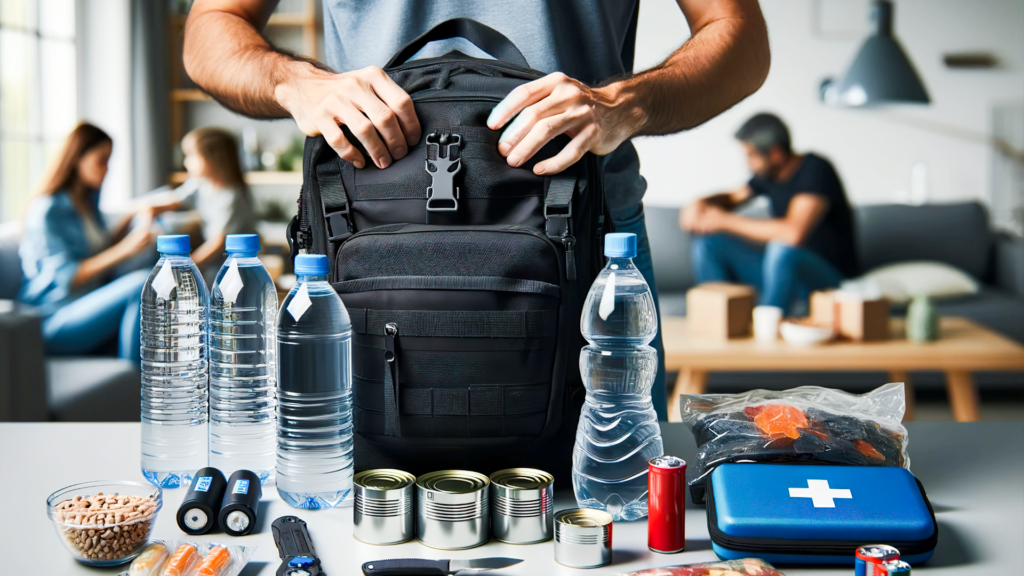
Step 4: Carry a Small, Practical Emergency Kit
A lightweight kit can make a big difference.
For 3–5 days:
- Water (small bottles if mobile)
- Non-perishable, easy-to-carry food
- N95 mask (for dust or smoke)
- Flashlight
- Battery-powered radio
- Medications and copies of prescriptions
- Basic first aid kit
Keep it light. If it slows you down, it works against you.
Step 5: Avoid Secondary Risks
Danger doesn’t always end with the first event.
- Avoid crowded gathering points after an incident
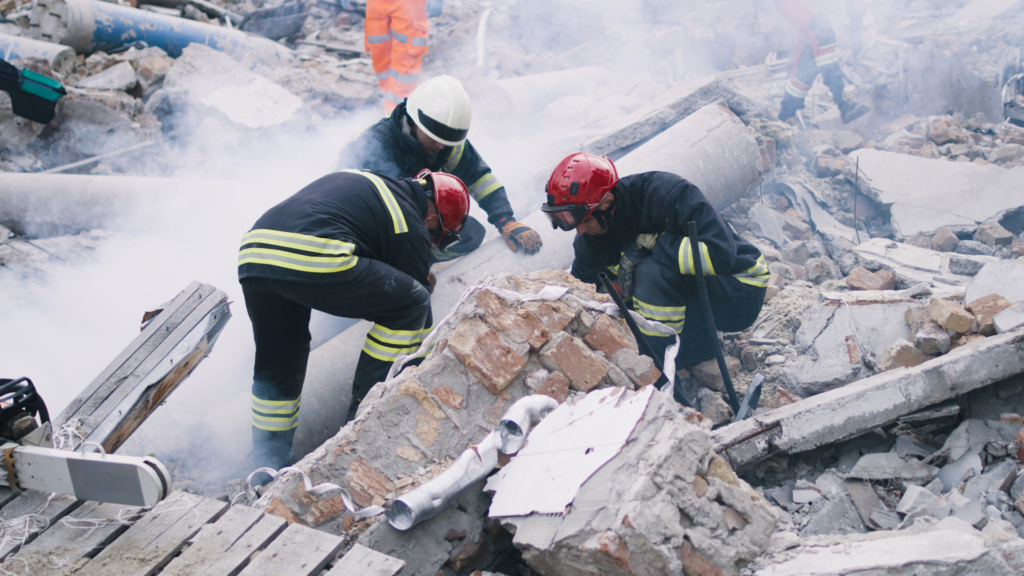
- Watch for debris, broken glass, or structural damage
- Stay clear of vehicles, wires, or unstable areas
- Be cautious of confined spaces
Move carefully and stay aware.
Step 6: Stay Informed and Wait for Clearance
- Follow official alerts and emergency instructions
- Do not return to the area too soon
- Check in with family or emergency contacts
- Stay sheltered if advised
Even when things seem calm, risks may still be present.
FAQs
What should seniors do during a terrorist attack?
Seniors should move away from danger as quickly as possible, avoiding crowds and confusion. If escape is not possible, take cover behind solid objects and stay low. Once safe, follow official instructions and avoid returning too soon.
Is it better to run or hide during an attack?
If a safe escape path is available, leaving the area is usually the best option. If not, taking cover behind solid protection is critical. Avoid open areas and anything made of glass.
What kind of emergency kit is useful in an attack situation?
A small, portable kit with water, food, medications, a flashlight, radio, and a basic first aid kit is most useful. Lightweight gear is important so you can move quickly.
How can seniors prepare ahead of time?
Preparation includes knowing exit routes, having a communication plan, keeping emergency supplies ready, and staying aware of surroundings when in public.
Are crowded places more dangerous during attacks?
Crowded areas can become dangerous quickly due to panic and limited movement. They may also be targets, so it’s important to stay aware and avoid congestion during emergencies.
How long should you stay away after an attack?
Stay away until authorities confirm the area is safe. Secondary risks or ongoing investigations may keep areas unsafe longer than expected.
Final Thoughts
Terrorist attacks are unpredictable, but your response doesn’t have to be.
- Stay aware
- Move with purpose
- Keep your plan simple
- Protect yourself first
Calm, steady decisions make the difference.
Some of the same response principles apply to active shooter situations and large-scale emergency events, where awareness and movement can save your life.
Comment Section
What steps have you taken to prepare for sudden emergencies in public places? Do you feel confident in your ability to react quickly if needed? Have you experienced a terrorist attack. If so, what was your reaction? Share your thoughts below—your experience could help someone else stay prepared.