
Supply Chain Collapse Planning for Seniors: Preparing for Empty Shelves and Shortages
This post may contain affiliate links. If you buy through them, I may earn a small commission at no extra cost to you.
Introduction
How to Plan for a Supply Chain Collapse: Your Strategy for Empty Shelves
Senior Preparedness Guide for Food, Medicine, and Supply Shortages
This guide is part of the Ultimate Disaster Survival Guide, where you can explore 29+ emergency scenarios seniors should prepare for to protect their safety, independence, and home.
Modern life runs on an invisible network most people rarely think about: supply chains.
Food travels hundreds or even thousands of miles before reaching grocery shelves. Medications move through manufacturers, distributors, and pharmacies. Fuel, medical supplies, and household goods travel constantly across highways, rail lines, and shipping routes.
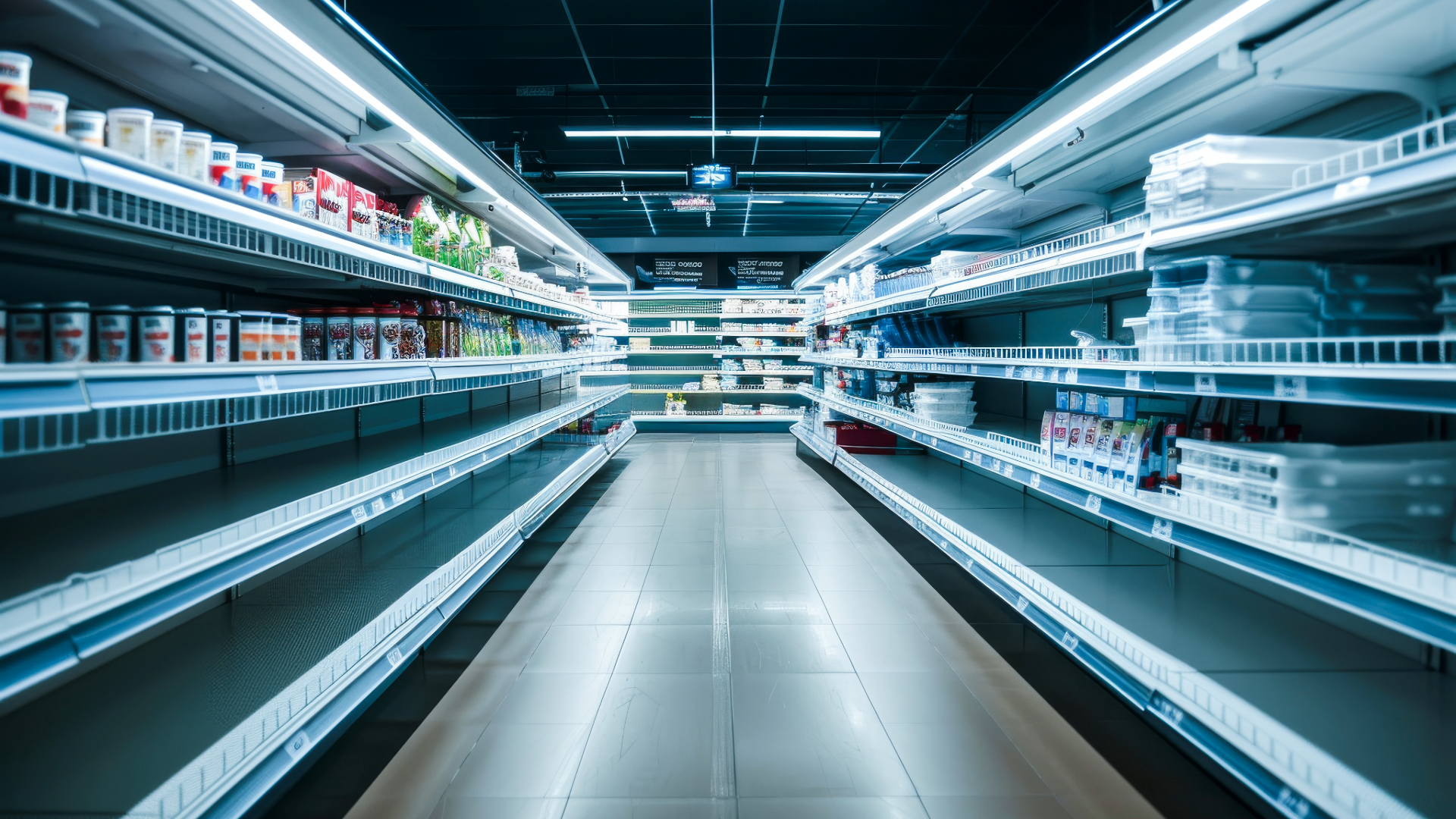
How have you prepared for a supply chain collapse? Did you know that when that system slows or breaks, the effects appear quickly? Shelves empty. Prices rise. Deliveries stall. For seniors living on fixed incomes or relying on regular medications, these disruptions can become serious challenges.
Preparing in advance for supply chain interruptions helps ensure stability and independence, even when stores struggle to restock essential items.
Understanding the Threat
A supply chain collapse occurs when the transportation, manufacturing, or distribution systems that deliver goods begin to fail.
Sometimes the disruption is sudden. Natural disasters, strikes, fuel shortages, or political instability can halt shipments overnight. In other cases, the collapse develops slowly as small problems accumulate across the system.
When this happens, shortages begin appearing in stores. Certain products disappear first, and prices for remaining goods rise rapidly.
Supply chain disruptions often occur alongside broader financial instability. When transportation slows and manufacturing declines, shortages can appear quickly during an economic collapse.
During recent global disruptions, people saw firsthand how quickly store shelves could empty when transportation or production slowed.
Items that once seemed ordinary suddenly became difficult to find.
Common shortages during supply chain failures may include food products, medications, fuel, and everyday household goods.

Why Supply Chain Disruptions Hit Seniors Hard
Older adults face unique challenges during supply disruptions.
Many seniors depend on consistent access to medications, medical supplies, and stable food prices. Mobility limitations can also make it harder to travel between multiple stores searching for needed items.
Fixed retirement incomes may struggle to keep up with rapidly rising prices during shortages.
Preparation helps reduce these vulnerabilities and allows seniors to maintain independence even during extended disruptions.
Step 1: Build a Practical Food Reserve
Food shortages are often the first visible sign of supply chain disruptions.
Maintaining a small food reserve allows you to rely less on frequent shopping trips and protects you from temporary shortages.
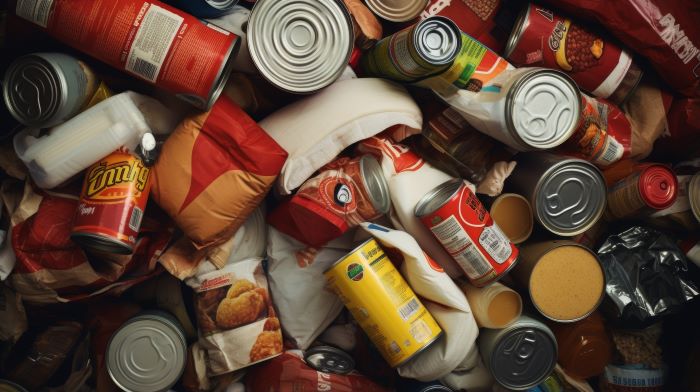
Focus on simple, shelf-stable foods that store well and require minimal preparation.
Examples include canned vegetables, soups, dried beans, rice, pasta, shelf-stable sauces, powdered milk, and canned meats.
Even a two- to four-week reserve can significantly reduce stress during temporary shortages.
Step 2: Protect Your Medical Needs
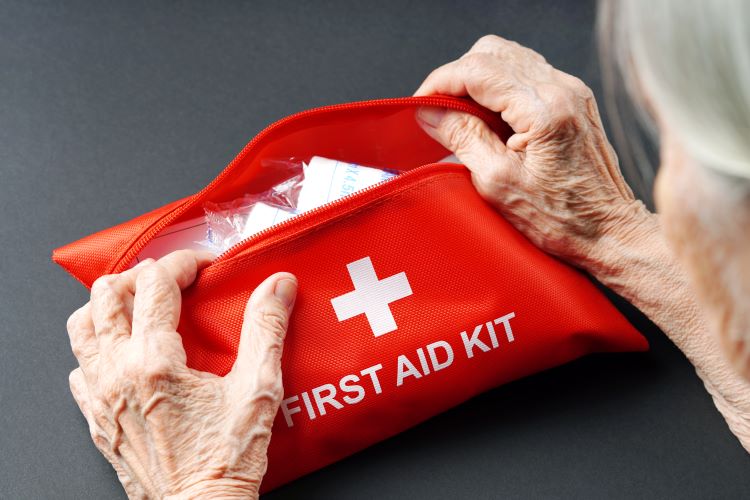
Prescription medications are one of the most critical preparedness concerns for seniors.
Global health emergencies can slow manufacturing and transportation across entire regions. During a pandemic, shortages of medical supplies, medications, and everyday goods can appear quickly.
Pharmaceutical supply chains are complex, and shortages can occur when manufacturing or transportation disruptions affect distribution.
Preparation strategies include keeping extra medication when possible, discussing refill flexibility with your doctor, maintaining a written list of prescriptions and dosages, and identifying backup pharmacies in nearby communities.
Prescription medications are one of the most critical preparedness concerns for seniors.
Global health emergencies can slow manufacturing and transportation across entire regions. During a pandemic, shortages of medical supplies, medications, and everyday goods can appear quickly.
Pharmaceutical supply chains are complex, and shortages can occur when manufacturing or transportation disruptions affect distribution.
Preparation strategies include keeping extra medication when possible, discussing refill flexibility with your doctor, maintaining a written list of prescriptions and dosages, and identifying backup pharmacies in nearby communities.
Step 3: Reduce Dependence on Just-in-Time Delivery
Many modern retail systems rely on “just-in-time” delivery.
This means stores keep minimal inventory and depend on constant shipments from warehouses.
When transportation slows, store shelves may empty quickly because backup inventory is unavailable.
Large distribution centers depend on electricity for refrigeration, inventory systems, and shipping coordination. A prolonged power grid failure can quickly disrupt supply chains and lead to food shortages.
Preparing a small reserve of everyday items helps reduce this risk.
Consider storing extra batteries, hygiene products, cleaning supplies, paper goods, and pet food.
These everyday items can become difficult to find during shortages.
Step 4: Strengthen Local Connections
Local resources become extremely valuable when large supply systems fail.
Farmers’ markets, local farms, and community gardens may provide alternatives when major retailers struggle to restock.
Building relationships with neighbors, preparedness groups, or community organizations also creates a support network during difficult times.
Communities that cooperate and share resources tend to recover faster from supply disruptions than individuals acting alone.
Final Thoughts
Supply chains are one of the quiet foundations of modern life.
When they work properly, goods appear effortlessly on store shelves. When they falter, shortages can develop quickly and disrupt everyday routines.
Preparation helps transform uncertainty into stability.
By storing essential supplies, protecting medical needs, and building strong community connections, seniors can remain resilient even when supply chains slow or temporarily fail.
Trusted Disaster Preparedness Resources
Whether you’re preparing for hurricanes, floods, power outages, food shortages, or other emergencies, having reliable preparedness resources can make planning easier. These trusted companies offer emergency food, water storage, and preparedness supplies to help you build resilience before disaster strikes.
✅ My Patriot Supply
✅ Emergency Essentials / BePrepared
Comment Section
Have you experienced supply shortages in your area before? What items disappeared first from your local stores? Please share your experience in the comments. Your insight may help another reader prepare more effectively.
Supply chain collapse doesn’t happen in isolation.
This is just one of many emergencies seniors should prepare for. Build your full plan with our complete disaster guide.
See All Disaster Plans →FAQs
What causes a supply chain collapse?
Supply chain disruptions can occur when transportation systems fail, manufacturing slows, labor shortages develop, or major disasters interrupt production and shipping.
How long do supply shortages usually last?
Some shortages last only a few days, while others may continue for weeks or months, depending on the severity of the disruption and how quickly systems recover.
How should seniors prepare for supply chain disruptions?
Seniors can prepare by storing extra food and medications, maintaining emergency cash, reducing dependence on frequent shopping trips, and building strong local community connections.
What items become scarce first during supply disruptions?
Food staples, medications, fuel, and hygiene products are often among the first items to become scarce during supply chain failure.