
Evacuation Planning for Seniors: How to Leave Quickly and Safely in an Emergency
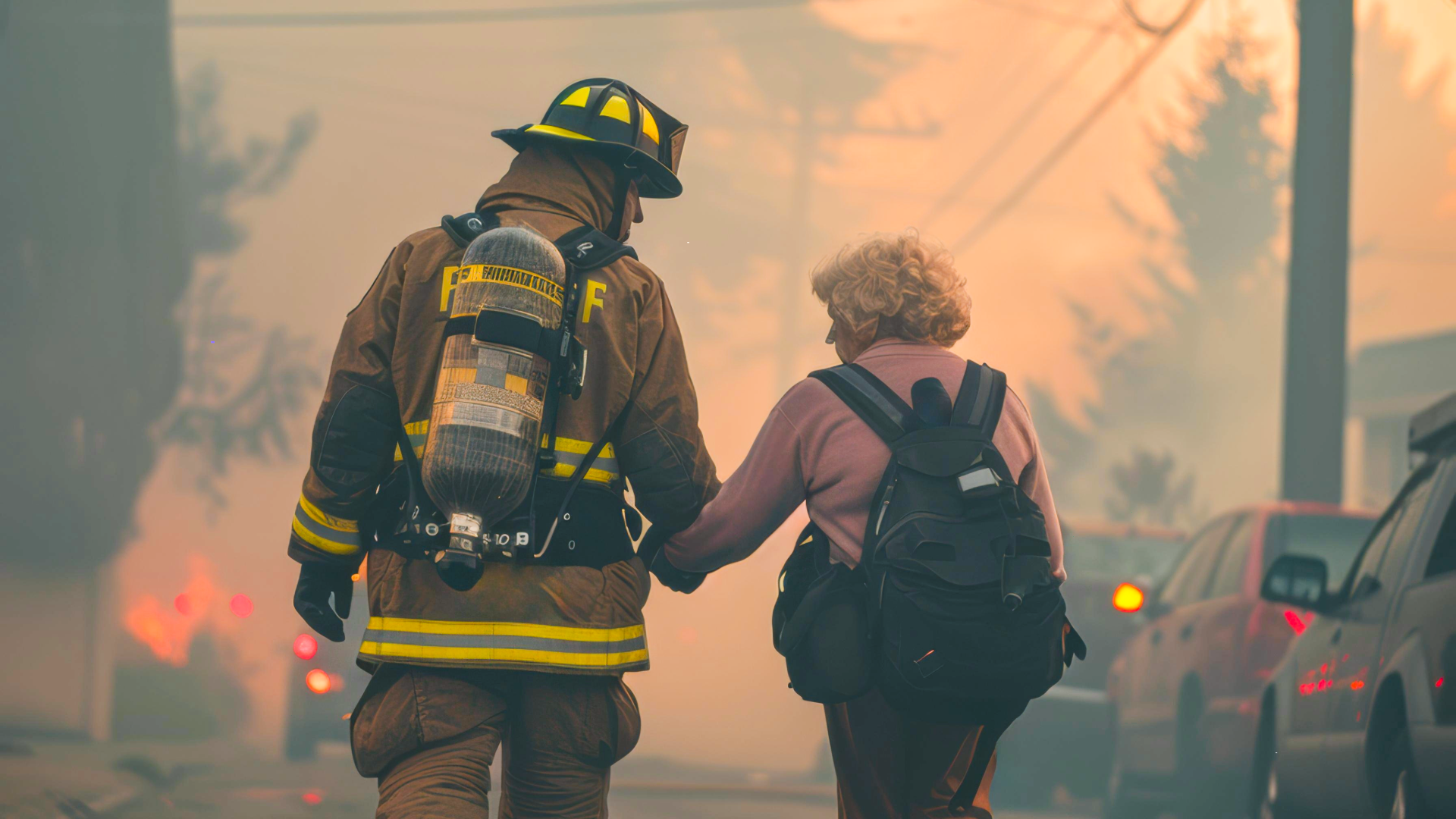
Leaving your home during an emergency is one of the hardest decisions you’ll make. But waiting too long can trap you.
This guide helps you decide early—and leave safely before conditions turn dangerous.
Step 1: Know When to Leave
The biggest mistake is waiting.
Leave if:
- Authorities issue an evacuation order
- You are in a flood, a fire, or storm surge risk area
- Conditions are worsening quickly
- You feel unsafe staying in your home
Do not wait for confirmation when danger is obvious.
Early evacuation gives you time, space, and options.
Step 2: Choose Your Destination
Have at least two safe places planned.
- Family or friends outside the risk zone
- Hotels in safer areas
- Emergency shelters as a backup
Call ahead if possible. Know how long it takes to get there.
Write the address down. Do not rely only on your phone.
Step 3: Plan Your Routes
Roads can become blocked or dangerous very quickly.
- Map at least two evacuation routes
- Avoid flood-prone roads and heavy traffic areas
- Keep a paper map in your vehicle
Practice your route once if you can. Familiar roads reduce stress.
Step 4: Pack a Go-Bag
Keep it simple. Keep it ready.
- ID, copies of important documents, and cash
- Medications and a list of prescriptions
- Water and easy-to-eat food
- Flashlight and phone charger
- Clothing, hygiene items, and basic supplies
Keep your go-bag near the door so you can leave fast.
Step 5: Plan for Mobility and Health
This step matters more for seniors than anything else.
- Pack mobility aids (walker, cane, wheelchair)
- Bring extra medications for several days
- Include glasses, hearing aids, and backup batteries
- Add comfort items for longer travel
If you need help, arrange it ahead of time. Do not assume help will be available during an emergency.
Step 6: Prepare Your Home Before Leaving
If you have time:
- Shut off utilities if advised
- Lock doors and windows
- Bring essential valuables and documents
Do not delay leaving just to finish everything. Safety comes first.
Step 7: Stay Safe on the Road
Evacuation does not end when you leave your driveway.
- Leave early to avoid traffic congestion
- Keep your gas tank at least half full at all times
- Listen to local emergency updates
- Avoid shortcuts that may be unsafe
If conditions worsen, stop and reassess.
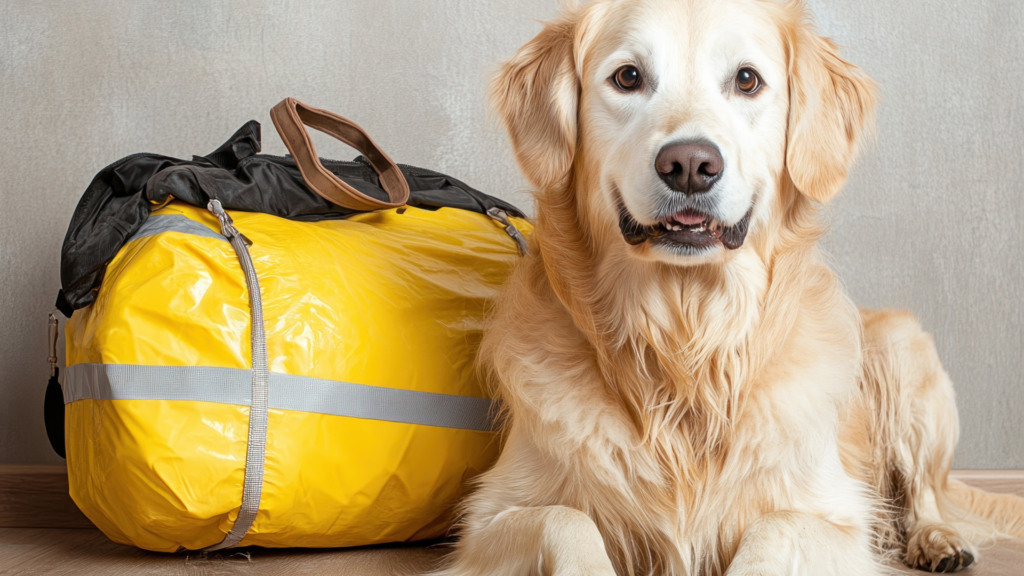
Step 8: Plan for Pets
Do not forget your animals.
- Bring food, water, and medications
- Have a leash, carrier, or crate ready
- Keep vaccination records if possible
Not all shelters accept pets. Know your options ahead of time.
Step 9: Stay Connected
Communication can fail during disasters.
- Carry a fully charged phone and backup charger
- Write down important phone numbers
- Let someone know where you are going
Even a simple message can help others find you.
FAQs
When should seniors evacuate during a disaster?
Seniors should evacuate when ordered or when conditions become unsafe, especially in flood, fire, or storm surge zones.
What should be in a senior evacuation kit?
Medications, ID, water, food, medical supplies, and essential personal items.
How far should you evacuate?
Far enough to be outside the danger zone, but not farther than necessary.
What if you don’t have transportation?
Contact local emergency services, neighbors, or community groups in advance. Plan this before an emergency.
Should you wait until the last minute to evacuate?
No. Leaving early reduces risk and avoids traffic delays.
Final Thoughts
Evacuation is not failure. It is strategy.
Leaving early protects your life and gives you time to think clearly and move safely.
If you wait too long, your options disappear.
Your Next Step
Not sure where to start with overall preparedness?
Explore all disaster scenarios in my Ultimate Disaster Survival Guide for Seniors.
Comment Section
Do you have an evacuation plan in place right now? Where would you go—and how would you get there? Is your go-bag packed, or still on your to-do list? Have you ever had to evacuate before? What worked—and what would you do differently? Share your thoughts below. Your experience could help someone else when time matters most.