Power Outage Survival Planning for Seniors: Living Safely During Extended Blackouts
This post may contain affiliate links. If you buy through them, I may earn a small commission at no extra cost to you.
Power outage survival planning for seniors is essential when extended blackouts disrupt lighting, heating, food storage, and medical needs.
For seniors, the goal is simple: stay safe, stay comfortable, and maintain essential routines.
This guide gives you a clear plan.
Common Causes of Power Outages
Power failures can happen for many reasons:
- Severe weather such as storms or hurricanes
- Equipment failure or aging infrastructure
- High demand on the power grid
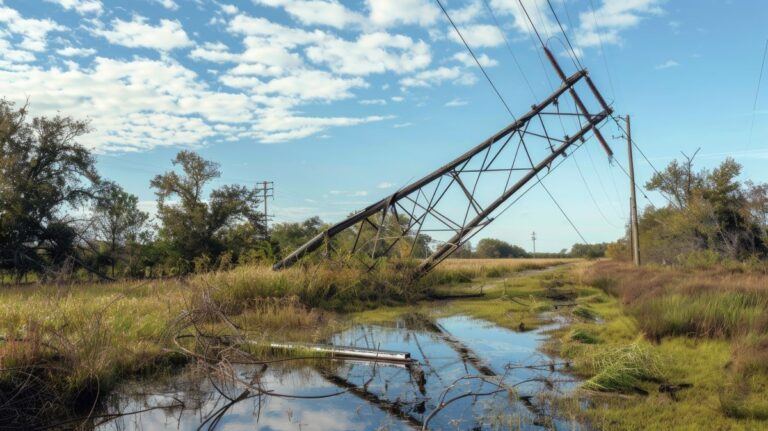
- Accidents or downed power lines
Some outages last only hours. Others can last days or longer.
Preparation makes the difference.
Step 1: Recognize When an Outage May Occur
Some outages happen without warning, but others give signs:
- Severe weather forecasts
- Flickering lights or brief outages
- Reports of grid strain or rolling blackouts
- Downed lines or nearby accidents
If conditions suggest a possible outage:
Prepare early rather than react later.
Step 2: Have a Simple Plan in Place
During an outage, confusion wastes time.
- Plan to stay at home if it is safe
- Identify a backup location if conditions become unsafe
- Keep emergency contacts written down
- Decide how you will receive updates (radio, not just phone or internet)
Simple plans are easier to follow when the lights go out.
Step 3: Power Outage Survival Planning for Seniors — Emergency Supplies
Plan for 7–14 days if possible:
- Flashlights, lanterns, and extra batteries
- Battery-powered or hand-crank radio
- Shelf-stable food that does not require refrigeration
- Water (at least one gallon per person per day)
- Medications and a basic first aid kit
- Portable phone chargers or solar chargers
Check supplies regularly to make sure everything works.
Step 4: Protect Food and Household Systems
During an outage:
- Keep refrigerator and freezer doors closed
- Use coolers and ice if available
- Unplug sensitive electronics to avoid surge damage
- Freeze water containers ahead of storms to extend cooling time
Small steps help preserve what you have.
Step 5: Prepare for Temperature Changes
Loss of heating or cooling can become dangerous.
In hot weather:
- Stay hydrated
- Close blinds and limit sun exposure
- Use battery-powered fans
In cold weather:
- Layer clothing
- Use blankets and sleeping bags
- Close off unused rooms
If conditions become unsafe:
Relocate early if possible.
Step 6: Plan for Medical Needs
This is critical for seniors.
- Keep extra medications on hand
- Store a written list of prescriptions and dosages
- Plan backup power for medical devices
- Speak with your doctor about emergency options if needed
Do not wait until an outage happens to plan this.
Step 7: Use Backup Power Safely
Alternative power sources can help, but safety matters.
- Never use generators indoors
- Keep generators away from doors and windows
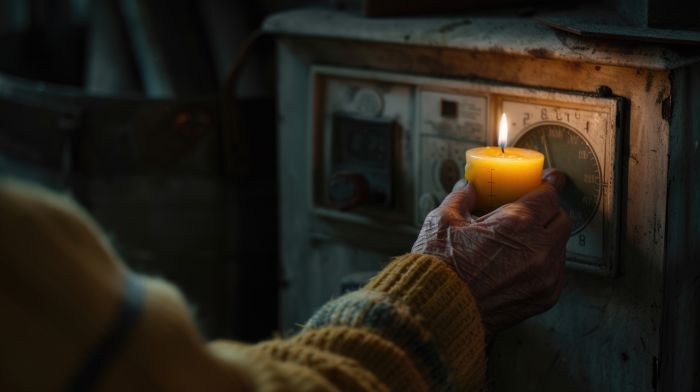
- Use flashlights instead of candles when possible
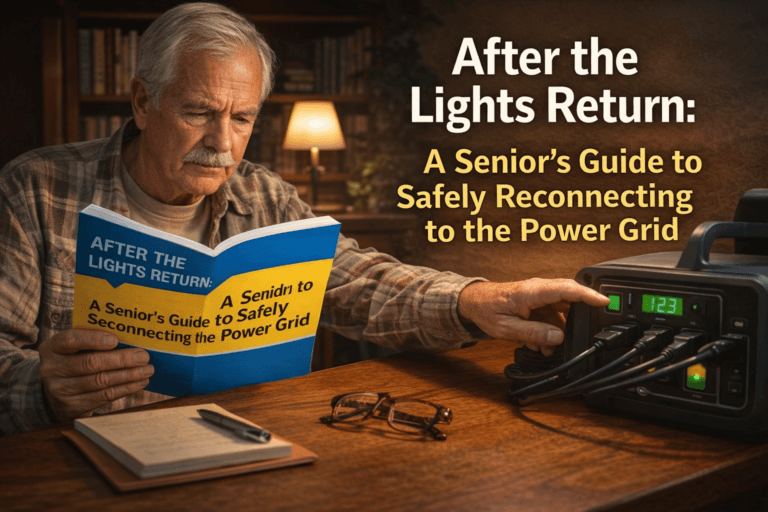
- Be cautious when power returns—surges can damage equipment
Safe use prevents additional risks.
Step 8: Stay Informed During the Outage
Information may be limited.
- Use a battery-powered or hand-crank radio
- Conserve phone battery for essential use
- Follow updates from local authorities
Stay patient—restoration can take time.
FAQs
What should seniors do during a long power outage?
Seniors should focus on staying safe, maintaining temperature control, and preserving food and water. Having a clear plan and emergency supplies is essential.
How long can a power outage last?
Outages can last from a few hours to several days or longer, depending on the cause and severity of the damage.
How can you keep food safe during a blackout?
Keep refrigerator and freezer doors closed as much as possible. Use coolers and ice to extend food safety if the outage continues.
What are the biggest risks during a power outage for seniors?
The biggest risks include extreme temperatures, food spoilage, limited communication, and medical equipment failure.
Is it safe to use generators during a power outage?
Generators are safe only when used outdoors and away from doors or windows. Indoor use can lead to carbon monoxide poisoning.
How can seniors prepare ahead of time for outages?
Preparation includes storing food and water, maintaining backup lighting and power sources, and having a clear emergency plan.
Final Thoughts
Power outages can disrupt daily life quickly, but preparation keeps you in control.
- Plan ahead
- Keep supplies ready
- Stay aware of conditions
- Act early when needed
Simple preparation turns a blackout into a manageable situation.
Some of the same preparation steps also apply to power grid failures and severe storms, where outages can last longer and affect larger areas.
Power outages don’t happen in isolation.
This is just one of many emergencies seniors should prepare for. Build your full plan with our complete disaster guide.
See All Disaster Plans →Comment Section
How prepared are you for a power outage that lasts several days? Do you have enough supplies to stay comfortable without electricity? Have you experienced a long blackout before? What worked—and what would you change? Are your medical and communication needs covered if the power goes out? Share your thoughts below—your experience could help someone else stay safe during an extended outage.