Tsunami Survival Planning for Seniors: Evacuating Quickly from Coastal Flooding
This post may contain affiliate links. If you buy through them, I may earn a small commission at no extra cost to you.
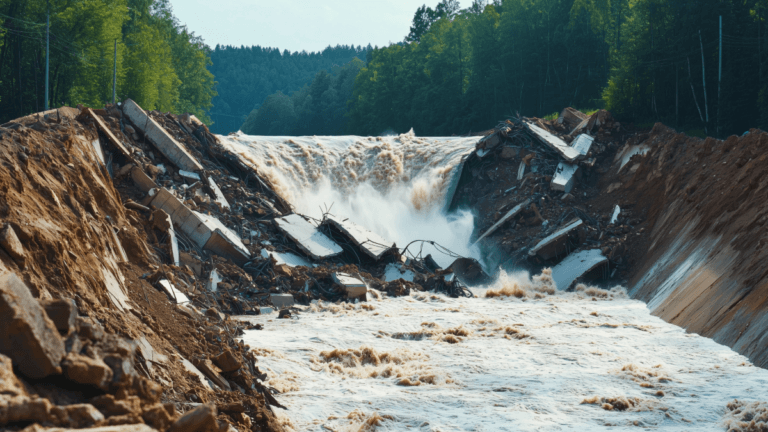
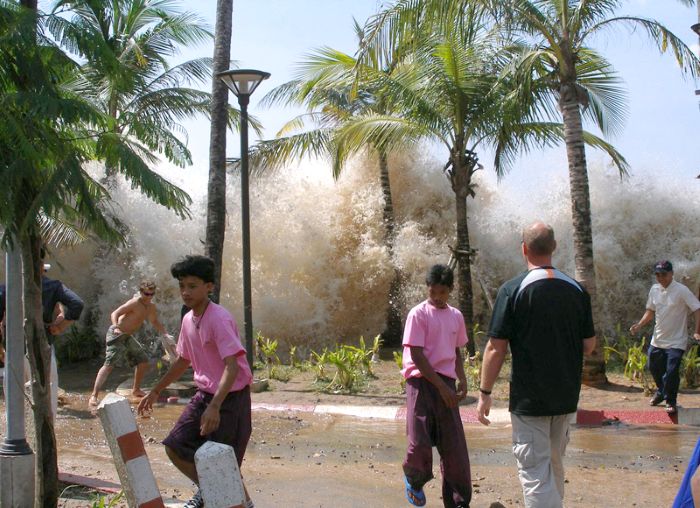
Tsunamis are fast-moving coastal floods usually caused by earthquakes, landslides, or volcanic activity. They can reach shore with little warning and quickly overwhelm low-lying areas.
For seniors, the goal is simple: move to higher ground early and avoid being trapped.
This guide gives you a clear plan.
This guide is part of the Ultimate Disaster Survival Guide, where you can explore 29+ emergency scenarios seniors should prepare for to protect their safety, independence, and home. Water contamination survival planning ensures you always have safe drinking water available—even when the system fails.
Common Tsunami Risk Areas
Tsunamis primarily affect coastal regions, but the impact can extend inland through rivers and bays.
Higher-risk areas include:
- Coastal communities and beachfront properties
- Low-lying areas near bays and inlets
- River channels connected to the ocean
- Ports and harbors
Even areas a mile inland can be affected, depending on terrain.
Step 1: Recognize the Natural Warning Signs
Tsunamis often come with early warning signs:
- A strong or long-lasting earthquake (20 seconds or more)
- The ocean suddenly pulling back from shore
- A loud roaring sound from the water
- Official alerts, sirens, or emergency notifications
If you notice any of these:
Do not wait. Move immediately.
Read this: S.M.A.R.T. Plans for Survival Preppers, Part I
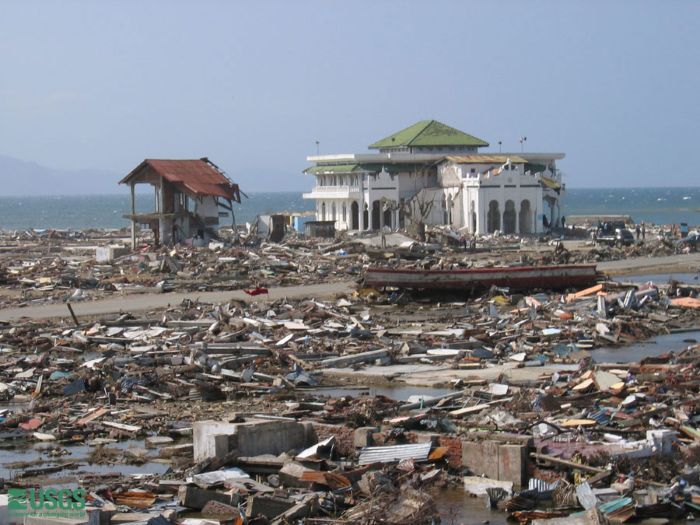
Step 2: Tsunami Evacuation for Seniors — Move to Higher Ground
Your priority is simple: get high and get away.
- Move at least 100 feet above sea level if possible
- Or travel at least one mile inland
- Use pre-planned evacuation routes—roads may become blocked quickly
- Avoid rivers, bridges, and low areas
If you cannot travel far:
- Go to the highest level of a strong, concrete building
- Avoid wooden structures, which are more likely to fail
Early evacuation is your best protection.
Related: Emergency Scenarios Seniors Need To Prepare For
Step 3: Plan Your Route Before You Need It
You will not have time to plan during the event.
Prepare ahead:
- Identify at least two evacuation routes
- Walk your route if possible to understand the terrain
- Choose a safe meeting location for family
- Keep a written contact list in case phones fail
Practice your plan mentally so you can act without hesitation.
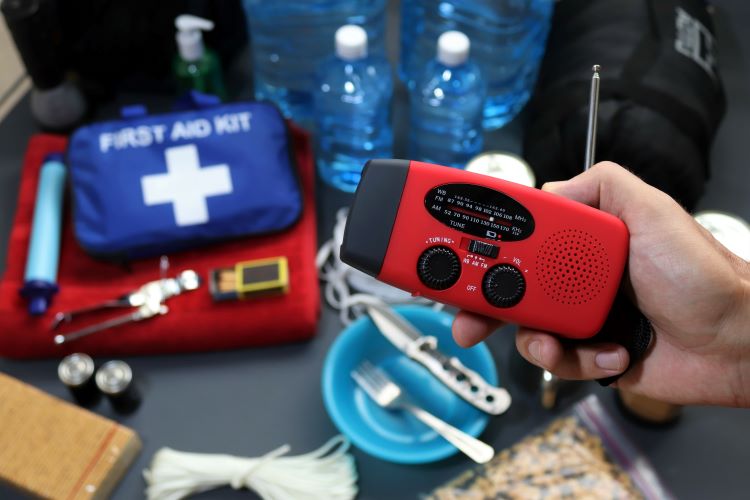
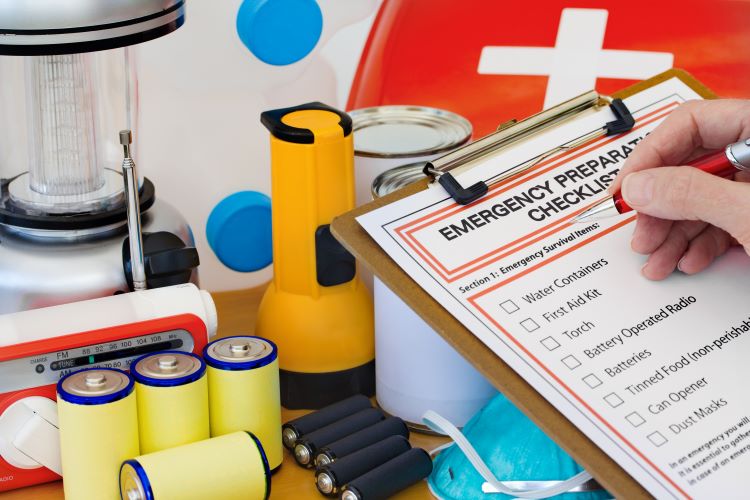
Step 4: Prepare a Lightweight Emergency Kit
Tsunamis can disrupt roads, water systems, and communication.
Prepare for 5–7 days:
- Water (one gallon per person per day)
- Shelf-stable, easy-to-carry food
- Flashlight and extra batteries
- Battery-powered or hand-crank radio
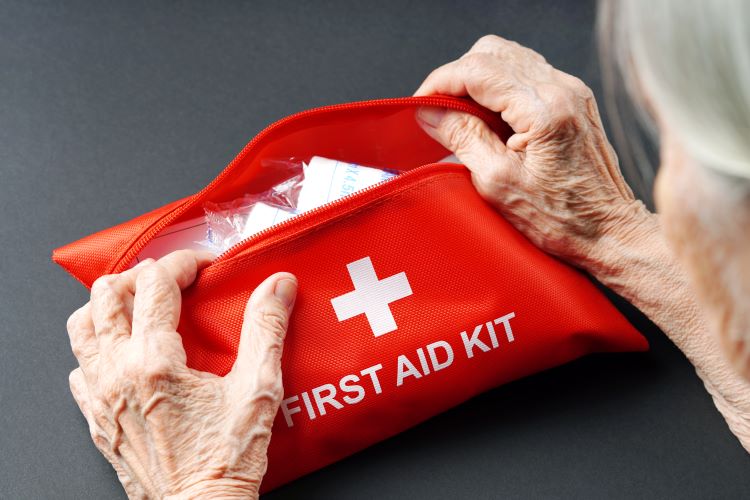
- First aid kit and medications
- Important documents in a waterproof bag
Keep your kit light enough to carry quickly.
Step 5: Protect Your Home When Possible
If you have time before evacuating:
- Move important items to higher levels
- Secure loose outdoor objects
- Shut off utilities if instructed
Do not delay evacuation to protect property.
Your safety comes first.
Step 6: Stay Safe During and After the Waves
Tsunamis often come in multiple waves.
- Do not return after the first wave
- Stay on high ground until officials say it is safe
- Avoid floodwater—it may contain debris, chemicals, and hazards
- Watch for damaged structures and downed power lines
Conditions can remain dangerous for hours.
FAQs
What should seniors do during a tsunami warning?
Seniors should evacuate immediately to higher ground or inland areas. Do not wait for additional confirmation if warning signs are clear.
How far inland should you go during a tsunami?
Move at least one mile inland or 100 feet above sea level if possible. Follow local evacuation guidance when available.
Can you survive a tsunami by staying inside your home?
Most homes are not built to withstand tsunami forces. Evacuation to higher ground is the safest option whenever possible.
What are the first signs of a tsunami?
Common signs include a strong earthquake, the ocean pulling back suddenly, or a loud roaring sound from the water.
How long should you stay away after a tsunami?
Stay away until authorities issue an official all-clear. Several waves can arrive hours after the first.
What should be in a tsunami emergency kit?
Water, non-perishable food, medications, a flashlight, radio, and important documents are essential for short-term survival.
Final Thoughts
Tsunamis move fast, but preparation gives you an advantage.
- Recognize the signs
- Move early
- Get to higher ground
- Stay there until it is safe
Simple actions, taken quickly, can save your life.
Some of the same evacuation principles apply to flood emergencies and coastal storm surges, where rising water can quickly cut off escape routes.
Tsunamis don’t happen in isolation.
This is just one of many emergencies seniors should prepare for. Build your full plan with our complete disaster guide.
See All Disaster Plans →Comment Section
Do you live in a coastal or flood-prone area? Do you know how quickly you could reach higher ground if needed? Have you ever experienced a tsunami warning or coastal evacuation? Is your emergency kit ready to grab if you had to leave immediately? Share your thoughts below—your experience could help someone else act faster when it matters most.