Ultimate Disaster Survival Guide: 33 Disasters Seniors Should Prepare For
Explore the Disaster Preparedness Plans Included in This Guide
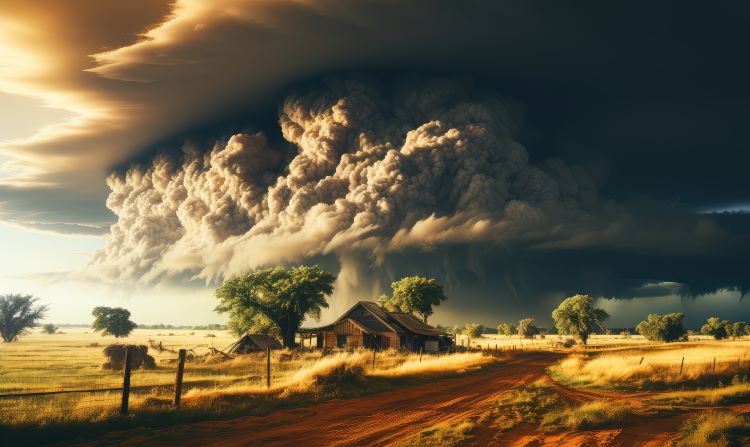
Storms. Blackouts. Economic collapse. Nuclear accidents. Grid failures. Most people plan for one disaster. Real preparedness means thinking wider. I’ve been watching the huge swath of bad weather spawning many devastating tornadoes across the central and southern US. I felt you needed an easy-to-find overview of all the natural and other disasters I could imagine.
Start here: If you’re new to preparedness, begin with infrastructure failures and evacuation planning. These affect nearly every emergency scenario.
Now Expanded: 33 Essential Disaster Scenarios for Seniors
Preparedness isn’t static. As new risks emerge, this guide grows with them—covering both large-scale disasters and everyday breakdowns that can impact your safety and independence.
This guide organizes the major emergency scenarios seniors should prepare for. Each section links to a practical planning guide designed to help you stay safe, protect your home, and maintain independence during uncertain times.
Master Every Threat with Golden Survivalist
This guide brings together 33 real-world disaster scenarios seniors should understand and prepare for. Each section below links to a detailed survival planning guide that explains warning signs, practical preparedness steps, and strategies to help you stay safe during emergencies.
Rather than focusing on fear or extreme situations, these guides emphasize steady, practical planning. By recognizing risks early and preparing in advance, you can protect your home, gather essential supplies, and respond calmly when challenges arise.
Think of this page as your preparedness roadmap. This disaster-preparedness guide explains how seniors can recognize warning signs, prepare emergency supplies, protect their homes, and stay safe in 33 disaster scenarios.
Every disaster guide includes:
• warning signs to watch for
• senior-friendly preparedness steps
• supply planning tips
• safety strategies during the event
Jump to a disaster below to begin your preparedness plan. Start with the threats most likely in your region.
Types of Disasters Seniors Should Prepare For
Disasters come in many forms, and preparation often means planning for more than just storms. Natural disasters, infrastructure failures, economic disruptions, and health emergencies can all affect daily life and access to essential resources.
This guide explores more than 33 disaster scenarios, including hurricanes, wildfires, power outages, civil unrest, and supply chain disruptions. Each section links to a detailed preparedness guide designed to help seniors understand risks, build emergency plans, and maintain independence during difficult situations.
Disaster Survival Plans in This Guide
• Natural disasters
• Climate threats
• Infrastructure failures
• Health emergencies
• Security threats
• Situational threats
Do You Have Your Evacuation Plans in Place? Here ‘Ya Go!
The disaster guides below explain warning signs, safety decisions, emergency supplies, and practical preparation steps seniors can take before a crisis begins.
Trusted Disaster Preparedness Resources
Whether you’re preparing for hurricanes, floods, power outages, food shortages, or other emergencies, having reliable preparedness resources can make planning easier. These trusted companies offer emergency food, water storage, and preparedness supplies to help you build resilience before disaster strikes.
✅ My Patriot Supply
✅ Emergency Essentials / BePrepared
Natural Disaster Survival Guides
Natural disasters strike suddenly and can cause severe damage to homes, infrastructure, and communities. Events such as hurricanes, tornadoes, floods, earthquakes, and wildfires often develop quickly and require immediate safety decisions. Preparing for these threats helps seniors maintain mobility, access essential supplies, and stay safe during rapidly changing conditions.
Jump to a Natural Disaster Plan
1. Tornado Survival Planning for Seniors: Staying Safe During Violent Storms
Tornadoes can develop quickly and produce powerful winds that can destroy homes and infrastructure. This guide explains shelter planning, warning alerts, and emergency preparation steps.
Learn how to recognize tornado warning signs, choose safe shelter locations, and prepare emergency supplies before severe storms strike.
Climate and Environmental Survival Guides
Environmental threats often develop slowly but can have long-lasting consequences. Droughts and extreme heat can strain water systems, agriculture, and personal health. Seniors are especially vulnerable to dehydration and temperature stress, making preparation for these climate risks essential.
Infrastructure Failure Survival Guides
Modern life depends on complex systems that deliver electricity, water, transportation, and goods. When these systems fail, everyday routines can break down quickly. Preparing for infrastructure disruptions such as power grid failures, supply chain collapse, and communication outages helps households remain stable when essential services slow or stop.
Now Expanded: Scenarios 30–33 Added to Cover Modern System Failures
Jump to an Infrastructure Failure Plan
Health and Social Disruptions
Some disasters affect society rather than the physical environment. Pandemics, civil unrest, and economic instability can disrupt healthcare, supply chains, and daily life. Seniors who plan ahead with stored supplies and community support can maintain stability during these uncertain periods.
Jump to a Social Disruption Plan
Security Threats and Hazard Events
Security threats and hazardous incidents can occur with little warning. Terrorist attacks, chemical spills, and identity theft can disrupt communities and personal safety. Preparation focuses on awareness, protective actions, and safeguarding critical personal information.
Jump to a Security Threat Plan
Regional Hazard Survival Guides
Certain threats are tied to specific environments or activities. Sinkholes, wildlife encounters, boating accidents, and coastal hazards may occur depending on location and lifestyle. Understanding local risks helps seniors prepare for the emergencies most likely to occur in their region.
Jump to a Regional Hazard Plan
Space Weather and Rare Disaster Guides
Some threats originate beyond Earth or involve rare scenarios that still test preparedness planning. Solar flares can disrupt power grids and communications worldwide. Even unlikely scenarios encourage flexible thinking and resilience when facing the unexpected.
Jump to a Space Weather Plan
Your Survival Starts Here
This isn’t just a list—it’s your preparedness roadmap. Each guide explains how to recognize warning signs, make a clear plan, gather essential supplies, protect your home, and stay steady when an emergency happens.
Preparedness Builds Confidence
Preparing for disasters isn’t about fear—it’s about resilience. By understanding different threats and strengthening your readiness one step at a time, you build the confidence to face whatever crisis comes next.
Use the guides above to strengthen your preparedness plan one step at a time. Every small step today helps protect your safety, independence, and peace of mind tomorrow.
Ready to Build Your Preparedness Plan?
Reading about disasters is only the first step. The 12 Months of Survival Prepper Challenges provide a step-by-step roadmap to help seniors and families build practical preparedness skills without feeling overwhelmed.
Explore the full challenge series here:
This really got me thinking about how easy it is to focus on just one type of disaster and overlook everything else. Most people (myself included at one point) tend to think in terms of storms or weather events, but your breakdown shows how much broader preparedness really is.
The part that hit home for me was the idea of infrastructure failures—especially power outages and supply chain issues. I recently went through a winter storm where the biggest challenge wasn’t the storm itself, but what came after when the power was out for days. It definitely changed how I look at preparedness.
I also like how you approached this in a calm, practical way instead of making it feel overwhelming. Having everything organized like a roadmap makes it feel more doable, especially when you can just start with what’s most likely in your area.
Out of curiosity, which of these disaster categories do you think people tend to underestimate the most?
Hi Jason! Thanks for your insightful comment 🙂 Actually, I think it may be the disaster I just posted, but I don’t have the link in the disaster list yet. It will be the start of going beyond the 29 disasters. I have at least 4 more to add to the list. This is the new link. It’s for water contamination. Basically, anything about water needs in disasters is very important. https://goldensurvivalist.com/…
Teri
As a single mom, my biggest fear is not being prepared to protect my kids in an emergency, so having a comprehensive guide like this truly eases my mind. I’m already starting to build our “go-bags” based on your checklists, focusing on items that are easy for me to carry while still keeping the little ones comfortable. It’s a huge relief to have a clear plan in place so I can stay calm and focused if we ever face a real crisis!
Hi Leah! It’s so good to hear that you are in the midst of survival planning. I agree that it feels good to know that you have me as a resource to help you with your needs.
Let me know if I can help you further in your planning.
Thank you so much for the comment 🙂
Good luck,
Teri
What a great and thorough breakdown and guide. Basically an all-encompassing guide and will help me get prepared for any disaster. Always looking for how to prepare, especially with what is going on in the world today! You never know and it’s always better to be prepared. This covers more disasters than I could ever imagine, I don’t think I could ever be completely prepared. You never think about the more common disasters, which could become serious very quickly (infrastructure and social). Like the breakdown by region as well. Good points that preperation is about resilience and confidence.
Thank you so much for your thoughtful reply, John! I admit, I’ve been reworking this post and all of the associated post for a while. And, adding Pinterest pins point to it. My Pinterest traffic has grown by leaps and bounds since i studied all of the WA training on it.
I appreciate you 🙂
Teri