
Flood Survival Planning for Seniors: Protecting Homes and Evacuating Safely
This post may contain affiliate links. If you buy through them, I may earn a small commission at no extra cost to you.
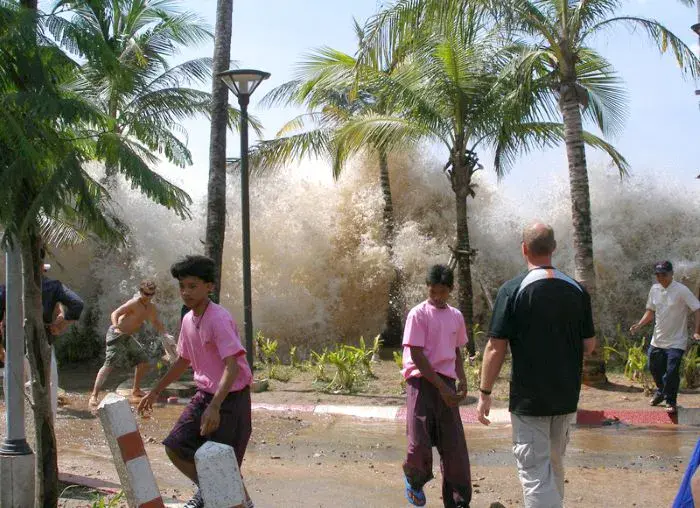
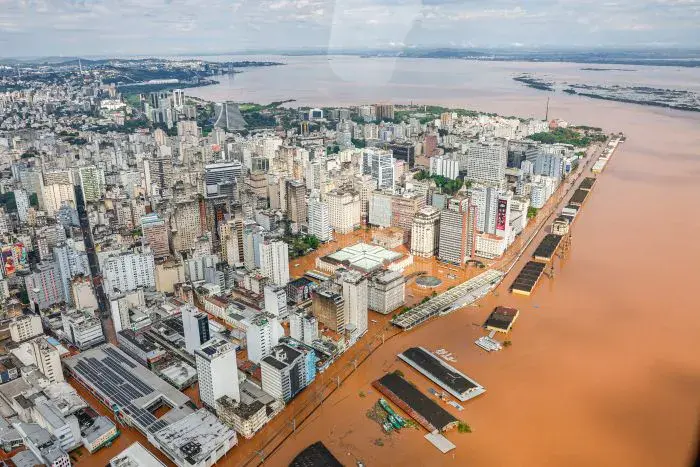
Floods are among the most common and costly natural disasters. They can result from heavy rainfall, hurricanes, overflowing rivers, storm surge, or dam failures. Rising water can damage homes, disrupt transportation, cut off essential services, and create dangerous conditions for entire communities.
While some floods develop gradually, others can occur with little warning. Understanding your flood risk and preparing in advance can help protect your home, your family, and your safety during a flooding emergency.
I had to evacuate an oncoming flood when Hurricane Dora hit Florida in 1964. We were renting a cabin next to the Suwanee River. The river was 20 feet below where our cabin was. My father, ever the survivalist in making things work, made a winch-type device that would lower us IN the boat down to the water, and it would winch us back up when we got back from our boat trip.
It was known by the locals that the Suwanee would flood. It sure did! The river rose 20 feet overnight and flooded all around, including Suwanee Springs, within walking distance to our cabin. We had moved as much as we could up to another cabin on higher ground. I also had to move my horse, which was stabled a bit down the road from us, to an open cow pasture nearby.
A few days later, when the water had subsided considerably, I decided to ride my horse, Scottie, to see what had happened. I rode down the submerged road, trying to get to the higher ground I could see, but the water was still deep enough that my horse had to swim a bit. That was the first scary moment.
On my way back, I rode further down the road, where I knew an open area was cleared for huge electric lines. This would have been a shortcut to get back to the pasture where my horse was staying. It was also flooded, but being an idiot teenager, I thought I could ride through it. I had no idea how deep it was. The clearing was surrounded by trees and brambles on both sides.
As we went further into the flooded area, it dropped off into deep water. My horse was swimming again, and I had no control of him. He decided to veer off to the left into the trees and brambles. He got stuck and tangled in the huge brambles with big thorns. I was riding bareback so I could slide off of him and untangle his legs. Another really scary instance.
As I freed his rear legs, he lunged forward toward land. I grabbed his long tail, and he pulled me to dry land with him. Luckily, my horse only had minor cuts on his legs, but I had deep cuts from the thorns on my hands. I rode him home the long way, about a mile down the side of the highway. The long ride gave me time to process all of these scary occurrences.
What Would You Do in a Flood?
At GoldenSurvivalist, we don’t sink—we swim. Whether you’re by a creek or in a flash-flood alley, here’s your hard-earned guide to planning for a flood and keeping your head above water.
Step 1: Understand Your Flood Risk
Flood preparedness starts with knowing how flooding could affect your area.
Floods can develop after heavy rainfall, hurricanes, storm surge, overflowing rivers, or dam failures. Some floods build slowly over several days, while flash floods can occur within hours and leave little time to react.
Learn whether your home is located in a flood-prone area by reviewing FEMA flood maps and local hazard information. Pay special attention to low-lying areas, riverbanks, coastal regions, and locations with poor drainage.
Watch for warning signs such as rising water levels, rapidly flowing streams, flooded roadways, or prolonged periods of heavy rain. Monitor weather forecasts and emergency alerts through NOAA Weather Radio, FEMA, local emergency management agencies, and trusted weather apps like FloodWatch.
Understanding your flood risk is the first step toward making informed decisions and protecting your home and family during a flooding emergency.

Step 2: Create a Flood Response Plan
When flooding threatens your area, you may need to evacuate quickly or shelter safely until conditions improve.
If you live in a flood-prone area, identify multiple evacuation routes ahead of time. Roads can become flooded or blocked with little warning, so having alternate routes is important. Practice your evacuation plan with family members, and make arrangements for pets, medications, and mobility equipment.
Know where you will go if evacuation becomes necessary. Staying with family, friends, or at a designated shelter can provide a safer option than waiting until conditions worsen.
If sheltering in place is recommended, move important supplies to higher levels of your home and avoid basements or low-lying areas where water can collect. Learn how to safely shut off electricity, gas, and water if local officials recommend doing so.
Discuss communication plans with family members and establish an out-of-area contact who can help relay information if local communication systems are disrupted.
A clear plan can help you respond quickly and confidently when floodwaters begin to rise.
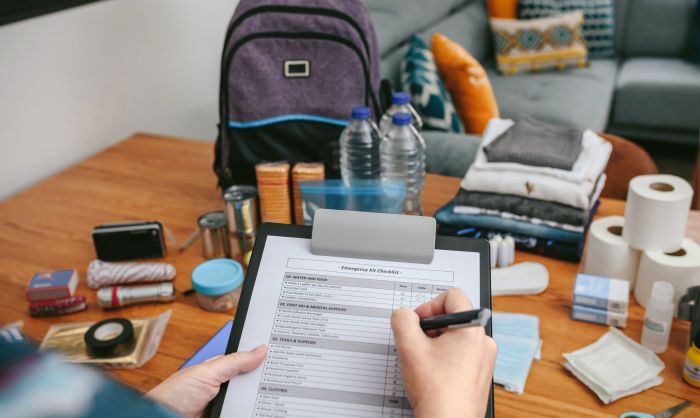
Step 3: Build an Emergency Kit for Flooding
Floods can disrupt power, transportation, clean water supplies, and emergency services for days. A well-stocked emergency kit can help you remain safe and self-sufficient until conditions improve.
Consider including:
• One gallon of water per person per day
• Shelf-stable foods that require little or no preparation
• Flashlights and extra batteries
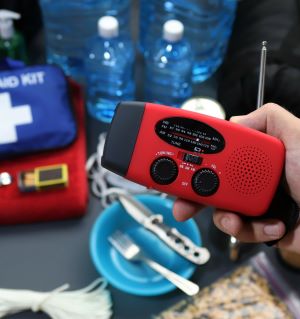
• A battery-powered or hand-crank radio
• A first-aid kit
• Prescription medications
• Water purification tablets or filtration supplies
• Personal hygiene items
• Important documents stored in waterproof containers
• Cell phone chargers and backup power banks
Because floodwaters can contaminate drinking water and damage essential services, maintaining adequate water and food supplies is especially important.
Store your emergency kit in an easily accessible location above potential flood levels whenever possible. Review supplies regularly and replace expired items as needed to ensure your kit remains ready for emergencies.
Trusted Disaster Preparedness Resources
Whether you’re preparing for hurricanes, floods, power outages, food shortages, or other emergencies, having reliable preparedness resources can make planning easier. These trusted companies offer emergency food, water storage, and preparedness supplies to help you build resilience before disaster strikes.
✅ My Patriot Supply
✅ Emergency Essentials / BePrepared
Step 4: Protect Your Home from Flood Damage
While you cannot stop a flood, you can take steps to reduce potential damage to your home and property.
Move valuable items, important documents, and essential supplies to higher levels whenever possible. Consider elevating appliances, electrical equipment, and other expensive items if your property is located in a flood-prone area.
Keep gutters, downspouts, and drainage areas clear so water can flow away from your home. If flooding is a recurring concern, sandbags, flood barriers, and waterproofing measures may provide additional protection.
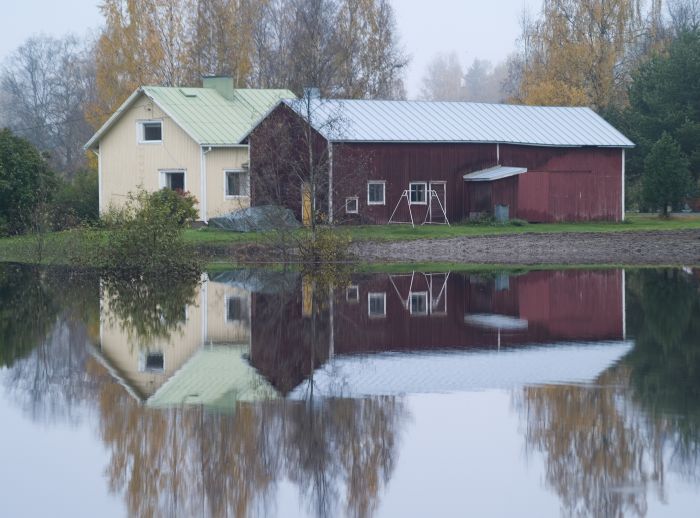
Inspect your property for areas where water could enter and make repairs as needed. Improving drainage around your home and directing water away from the foundation can help reduce flooding risks.
Everyone in the household should know how to safely shut off electricity, natural gas, and water if conditions require it. Taking these steps before a flood occurs can help reduce damage and improve safety during an emergency.
Step 5: Stay Safe During and After Flooding
Flood conditions can change quickly. Continue monitoring weather forecasts, flood watches, warnings, and emergency alerts throughout the event.
If local officials recommend evacuation, leave as soon as possible. Never attempt to drive through flooded roadways. Floodwaters may be deeper or moving faster than they appear, and road surfaces can be damaged or washed away.
If you become trapped by rising water, move to the highest safe location available and call for assistance if needed. Avoid walking or wading through floodwaters whenever possible, as they may contain debris, contaminants, downed power lines, or hidden hazards.
After floodwaters begin to recede, remain cautious. Flood damage can weaken structures, create electrical hazards, and increase the risk of mold growth. Inspect your property carefully and follow local guidance regarding cleanup and safety.
Flooding can continue or return if additional rainfall occurs. Staying informed and following official recommendations will help protect you and your family throughout the recovery process.
Final Thoughts
Floods can develop quickly and cause significant damage, but preparation can help reduce risks and improve your ability to respond safely.
Understanding your flood risk, creating an evacuation plan, building emergency supplies, and protecting your home are important steps that can make a difference during a flooding emergency.
Pay attention to weather forecasts and flood warnings, and never underestimate the dangers of moving water. Taking action early is often the best way to protect yourself, your family, and your property.
Preparedness is not about fear. It is about making practical decisions that help you stay safe, independent, and confident when emergencies occur.
Comment Section
Have you ever experienced a flood or flash flood? Is your home located in a flood-prone area? Do you have an evacuation plan and emergency supplies ready if rising water threatens your community? Share your experiences, tips, and preparedness strategies in the comments below. Your insights may help other Golden Survivalists prepare for future flooding emergencies.
FAQs
What causes most floods?
Floods can be caused by heavy rainfall, hurricanes, storm surge, overflowing rivers, snowmelt, or dam failures. Some floods develop slowly, while flash floods can occur with little warning.
What is the safest action during a flood warning?
Follow instructions from local authorities. If evacuation is recommended, leave as soon as possible and avoid flooded roads and low-lying areas.
How much water does it take to move a vehicle?
Even a small amount of moving water can be dangerous. Floodwaters can wash away vehicles, damage roads, and create life-threatening conditions.
Should I walk through floodwater?
No. Floodwater may contain debris, sewage, chemicals, downed power lines, or hidden hazards. Avoid walking or driving through flooded areas whenever possible.
What supplies should I keep for flood preparedness?
Store emergency water, food, medications, flashlights, batteries, first-aid supplies, important documents, and a battery-powered or hand-crank radio.
How can I protect my home from flood damage?
Keep gutters and drains clear, improve drainage around your property, move valuables to higher levels, and consider using flood barriers or sandbags if flooding is a recurring concern.