Blizzard Survival Planning for Seniors: Staying Warm During Severe Winter Storms
This post may contain affiliate links. If you buy through them, I may earn a small commission at no extra cost to you.
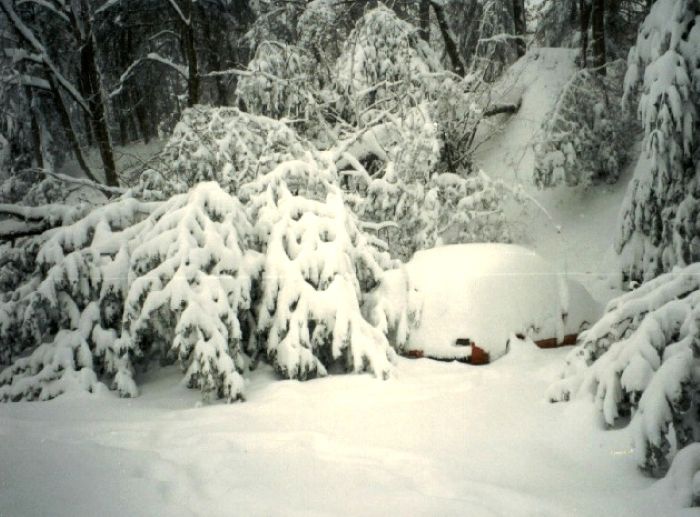
Blizzards are severe winter storms that combine heavy snow, strong winds, and dangerous cold. They can shut down power, block roads, and make travel impossible for days.
I’ve never been in an actual blizzard that had white-out effects. I’ve lived most of my life in Florida, except for 10 years in Nashville, Tennessee. Nashville didn’t have that much snow.
The worst it got was when we had a frozen rain blizzard, and a fire started in my son’s room. A cardboard toy box caught fire and went up the curtains. I grabbed a fire extinguisher and put it out. Otherwise, our house would have burned down with us in the cold because fire trucks couldn’t make it in from too slick, iced roads.
This guide is part of the Ultimate Disaster Survival Guide, where you can explore 29+ emergency scenarios seniors should prepare for to protect their safety, independence, and home. Water contamination survival planning ensures you always have safe drinking water available—even when the system fails.
Common Blizzard Risks for Seniors
Blizzards create multiple hazards at once:
- Power outages that remove heat
- Dangerous cold temperatures and wind chill
- Limited mobility due to snow and ice
- Increased risk of falls and injury
- Isolation from emergency services
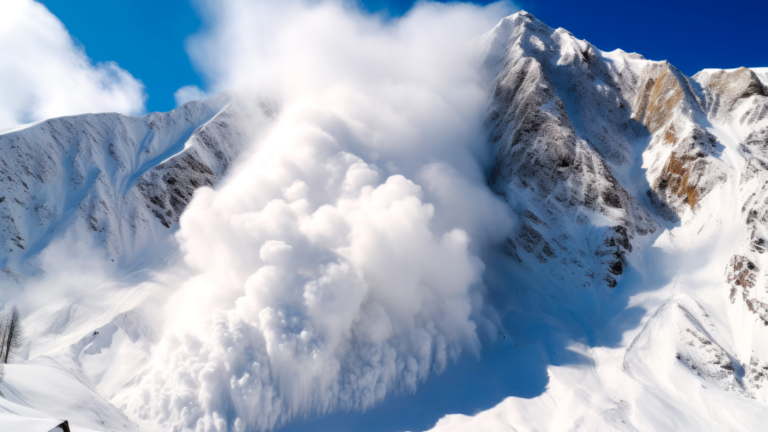
- an avalanche that buries the area
Preparation reduces these risks significantly.
For seniors, the goal is simple: stay warm, stay safe, and avoid unnecessary risk. This guide gives you a clear plan.
Step 1: Monitor Weather and Act Early
Blizzards are usually forecast ahead of time.
Watch for:
- Heavy snowfall predictions
- Winds over 35 mph
- Rapid temperature drops
- Blizzard warnings or winter storm alerts
If a storm is coming:
Prepare early and avoid last-minute travel.
Step 2: Decide to Stay or Travel Early
Most of the time, staying home is the safest choice.
- Avoid travel during a blizzard whenever possible
- If you must travel, leave early before conditions worsen
- If stranded in a vehicle, stay inside and conserve heat
Simple rule:
If you don’t have to go out, don’t.
This post may contain affiliate links. If you buy through them, I may earn a small commission at no extra cost to you.
Step 3: Blizzard Survival Planning for Seniors — Preparing for Heat Loss
Loss of heat is one of the biggest dangers.
- Close off unused rooms to retain warmth
- Layer clothing and use blankets or sleeping bags
- Use safe backup heating sources if available
- Keep doors and windows sealed
If temperatures inside become unsafe, relocate early if possible.
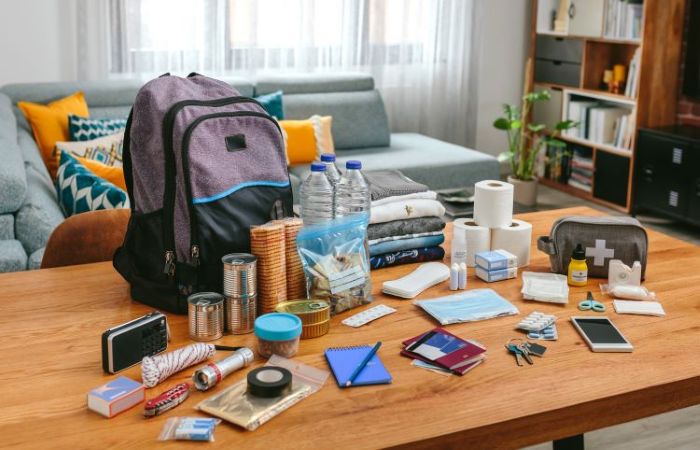
Step 4: Stock Food, Water, and Essentials
Plan for at least 5–7 days:
- Water (one gallon per person per day)
- Shelf-stable, easy-to-prepare food
- Flashlights and extra batteries
- Battery-powered or hand-crank radio
- Medications and basic first aid supplies
Keep supplies in an easy-to-access location.
Food shortages can happen quickly when supply chains are disrupted.
Step 5: Prepare Your Home and Vehicle
Before the storm arrives:
- Insulate exposed pipes to prevent freezing
- Charge phones and backup batteries
- Keep your vehicle fueled and ready
- Store a winter car kit:
- blanket,
- shovel,
- sand,
- or kitty litter
Small preparations make a big difference during long outages.
Step 6: Use Heat and Equipment Safely
Improper heating can be dangerous.
- Never use generators or propane heaters indoors without ventilation
- Keep heaters away from flammable materials
- Use flashlights instead of candles when possible
Safety matters as much as warmth.
Step 7: Stay Safe During and After the Storm
Blizzard conditions can remain dangerous even after snowfall stops.
- Avoid overexertion when shoveling snow
- Watch for ice and slippery surfaces
- Check on neighbors if it is safe to do so
- Listen for updates from local authorities
Take your time—conditions improve gradually.
FAQs
What should seniors do during a blizzard?
Seniors should stay indoors, keep warm, and avoid travel. Preparing ahead with food, water, and backup heat sources is essential.
How can you stay warm during a power outage in winter?
Layer clothing, use blankets, close off unused rooms, and use safe backup heating sources. Staying in a smaller, insulated space helps retain heat.
Is it safe to travel during a blizzard?
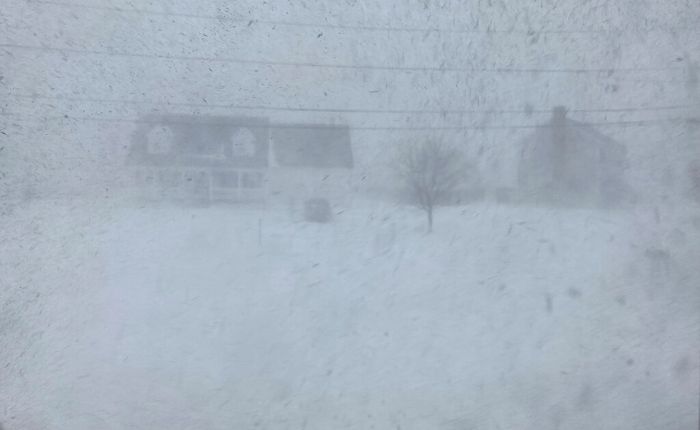
Travel is not recommended during a blizzard due to poor visibility and dangerous road conditions. If travel is unavoidable, leave early and be prepared.
What should be in a winter emergency kit?
A winter kit should include blankets, food, water, a flashlight, batteries, medications, and basic first aid supplies. A car kit should also include a shovel and extra warm clothing.
Why are blizzards especially dangerous for seniors?
Seniors are more vulnerable to cold temperatures, falls, and isolation during storms. Power outages and limited mobility can increase risk.
What should you do if stranded in a car during a blizzard?
Stay inside the vehicle, conserve heat, and signal for help if needed. Running the engine occasionally for warmth can help, but ensure the exhaust pipe is clear.
Final Thoughts
Blizzards can disrupt daily life quickly, but preparation keeps you in control.
- Stay inside when possible
- Keep warm and conserve energy
- Prepare for power outages
- Avoid unnecessary risks
Simple steps, taken early, make winter storms safer to manage.
Some of the same preparation steps also apply to power grid failures, where loss of heat and electricity can quickly become dangerous.
Blizzards don’t happen in isolation.
This is just one of many emergencies seniors should prepare for. Build your full plan with our complete disaster guide.
See All Disaster Plans →Comment Section
How prepared are you for a winter storm that lasts several days? Do you have a reliable way to stay warm if the power goes out? Have you ever been stranded during a blizzard? What worked—and what would you do differently? Is your home and vehicle ready for severe winter conditions? Share your thoughts below—your experience could help someone else stay safe this winter.