Drought Survival Planning for Seniors: Managing Water Shortages and Food Supply Risks
This post may contain affiliate links. If you buy through them, I may earn a small commission at no extra cost to you.
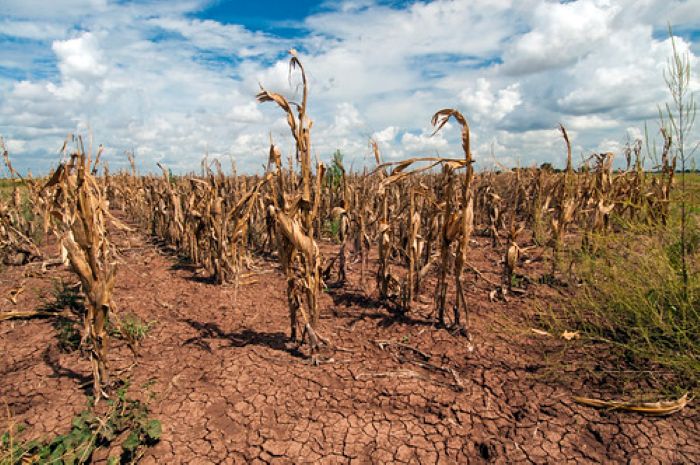
Droughts develop slowly but can have long-lasting effects on water availability, food supply, and daily life. Extended dry conditions can strain water systems, increase costs, and create health risks.
Drought survival planning for seniors focuses on managing water shortages, maintaining food supplies, and staying healthy during extended dry conditions.
I had written a paragraph earlier stating that we only had a couple months of drought and that droughts cause wildfires. Now we have had months (6 or more) of drought. The grass is fried. Everything is flammable.
Then, on January 2nd, a new neighbor that was burning logs while cleaning up his property directly behind us. It was quite windy and he looked away for a second and the wind blew sparks into the trees. It caught immediately and traveled up next to our fence and into the back of my next door neighbor’s property (on 5 acres).
Next thing you know, fire trucks were asking to go through our property to spray the water jets to extinguish the fire. The firefighters extinguished most of the fire, but they were here that night and into the next day. At least we didn’t have to evacuate.
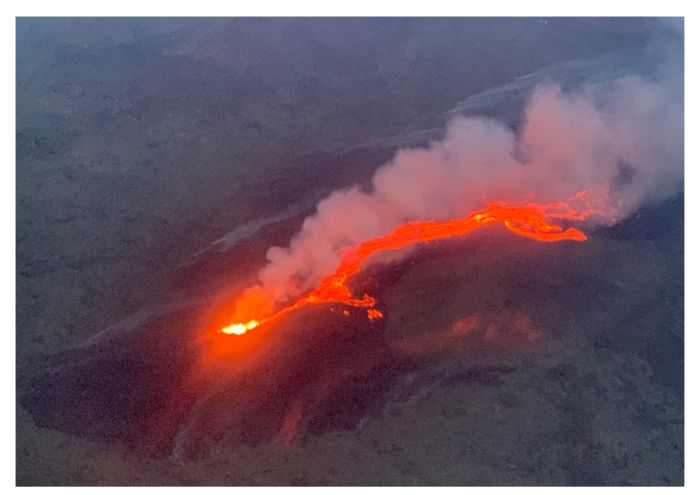
Last month (March), as I was walking out to yard work, I see a big plume of smoke from another wildfire that was in the protected forest area close behind our property.
Once again, fire trucks are going down our road to get to the forest via the back entrance. After a couple hours, I worried and called my nail tech whose husband is a firefighter to see if she knew anything. It was on a Saturday. Her husband’s fire company from an adjoining county had just been called up. That fire went on for 2 nights and days.
A nor’easter is coming through Florida this week, but so far, we haven’t had any rain.
Related: How to Create a Fire Safety Plan to Support Seniors
For seniors, the goal is simple: conserve water, maintain reliable supplies, and plan for long-term shortages. This guide gives you a clear plan.
Common Effects of Drought
Drought conditions can impact several essential systems:
- Reduced water supply from wells or municipal systems
- Higher food prices and limited availability
- Increased risk of wildfires
- Heat-related health risks
- Restrictions on water use
Understanding these effects helps you prepare early.
Step 1: Recognize Early Signs of Drought
Droughts often build gradually.
Watch for:
- Long periods without rainfall
- Declining water levels in lakes, rivers, or wells
- Dry or cracking soil
- Local water use restrictions
- Increased heat and dry conditions
Early awareness allows you to act before shortages become severe.
Step 2: Create a Water Conservation Plan
Water becomes your most important resource.
- Limit unnecessary water use
- Take shorter showers or use alternative cleaning methods
- Run appliances only when full
- Reuse water when safe (for example, for plants)
- Monitor daily usage
Even small reductions can make a difference over time.
Step 3: Drought Survival Planning for Seniors — Water Storage
Plan for extended shortages.
- Store at least one gallon per person per day
- Aim for several weeks of supply if possible
- Use food-grade containers
- Store water in a cool, dark place
- Rotate stored water regularly
Gradual storage makes the process manageable.
Step 4: Prepare for Food Supply Changes
Drought can affect food availability and cost.
- Keep a supply of non-perishable foods
- Focus on items that require little or no water to prepare
- Store shelf-stable staples like rice, beans, and canned goods
- Rotate your food supply to avoid waste
Planning ahead reduces stress during shortages.
Step 5: Protect Your Health in Dry Conditions
Drought often brings heat and dry air.
- Stay hydrated throughout the day
- Use sunscreen and protective clothing
- Limit time outdoors during extreme heat
- Watch for signs of dehydration
Seniors are more vulnerable to heat-related illness.
Step 6: Manage Your Home Environment
Small changes can help conserve water and reduce risk.
- Fix leaks promptly
- Use water-efficient fixtures if possible
- Reduce lawn watering or switch to low-water landscaping
- Collect rainwater where allowed
These steps help extend available resources.
Step 7: Stay Informed
Conditions can change over time.
- Follow local water restrictions and advisories
- Monitor weather and drought updates
- Adjust your plan as needed
Staying informed helps you make better decisions.
FAQs
What causes drought conditions?
Droughts are typically caused by extended periods of low rainfall, combined with high temperatures and increased water demand.
How much water should seniors store during a drought?
At least one gallon per person per day is recommended, but storing additional water is helpful for longer shortages.
How can seniors conserve water during a drought?
Reducing water use, fixing leaks, and reusing water when possible are effective ways to conserve.
Does drought affect food supply?
Yes. Drought can reduce crop yields, leading to higher prices and limited availability of certain foods.
What health risks do droughts pose for seniors?
Dehydration and heat-related illness are the biggest concerns, especially during extended dry and hot conditions.
Is it safe to collect rainwater during a drought?
In many areas, yes—but always follow local regulations and ensure proper storage and treatment.
Final Thoughts
Droughts develop slowly but can last a long time.
- Conserve water early
- Build a reliable supply
- Prepare for food and heat challenges
- Stay informed and adapt
Preparation helps you stay comfortable and safe during extended dry periods.
Some of the same planning steps apply to water contamination and supply chain disruptions, where access to basic resources can also be affected.
Droughts don’t happen in isolation.
This is just one of many emergencies seniors should prepare for. Build your full plan with our complete disaster guide.
See All Disaster Plans →Comment Section
Have you ever experienced water restrictions during a drought? How much water do you currently store at home? What steps have you taken to reduce water usage? Do you have a plan if water supplies become limited for several weeks? Share your thoughts below—your experience could help someone else prepare for long-term water shortages.