
Gardening without Pain: Raised Bed Gardening for Seniors
This post may contain affiliate links. If you buy through them, I may earn a small commission at no extra cost to you.

🌱 From My Garden
I know how frustrating it is when gardening leaves you sore for days.
I don’t write these articles because I read about them. I write them because I’ve lived them. Between multiple shoulder surgeries, including two left shoulder replacements, chronic back pain, knee surgery, and surgeries on my right hand for carpal tunnel syndrome and Dupuytren’s contracture, and most recently, breast cancer surgeries, I’ve had to learn how to keep gardening without making my pain worse.
The tips I share come from real experience, along with research and current gardening best practices. My goal is simple: help you keep gardening safely, comfortably, and for many years to come.
Introduction
Gardening should be enjoyable, not painful.
Many people give up growing their own food because bending, kneeling, lifting, and weeding become harder with age. The good news is you do not have to stop gardening. With a few simple changes, you can continue growing fresh vegetables, herbs, and fruits for many years.
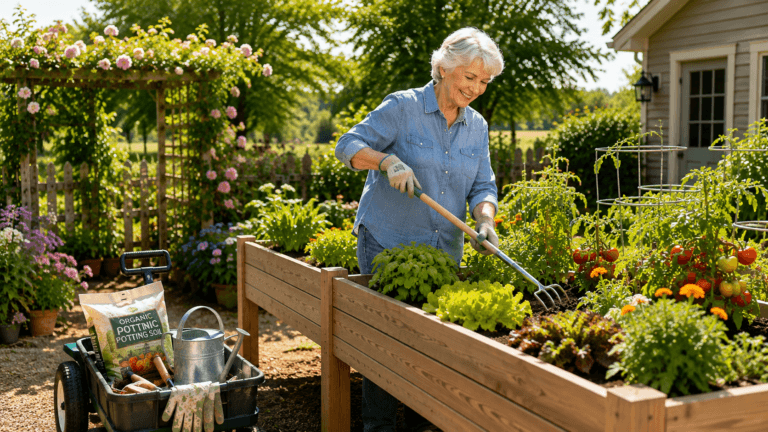
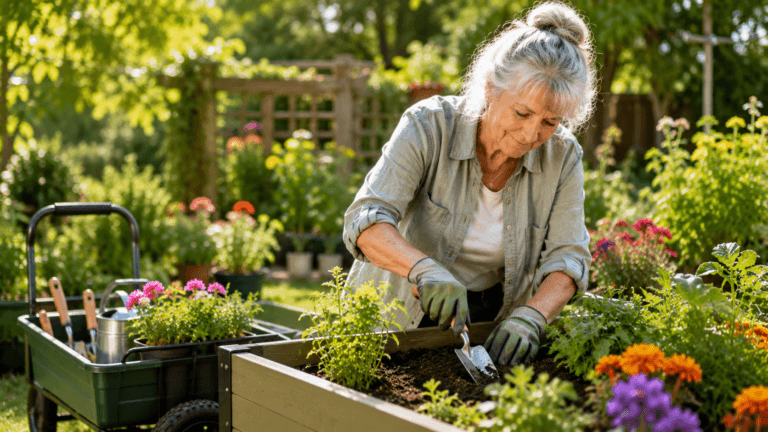
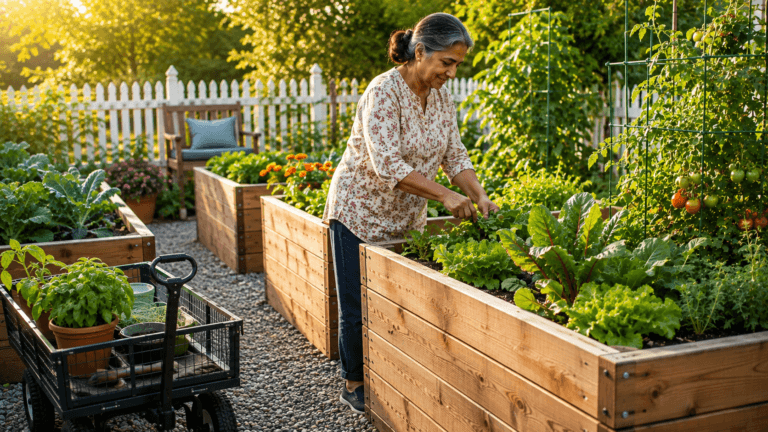
Raised bed gardening makes gardening easier on your back, knees, shoulders, and joints. It also helps reduce weeds, improves drainage, and makes your garden easier to manage during every season.
Whether your goal is emergency preparedness, saving money on groceries, or simply enjoying fresh homegrown food, raised beds are one of the best investments you can make.
For seniors, they provide a comfortable way to stay active while building greater food security and self-sufficiency.
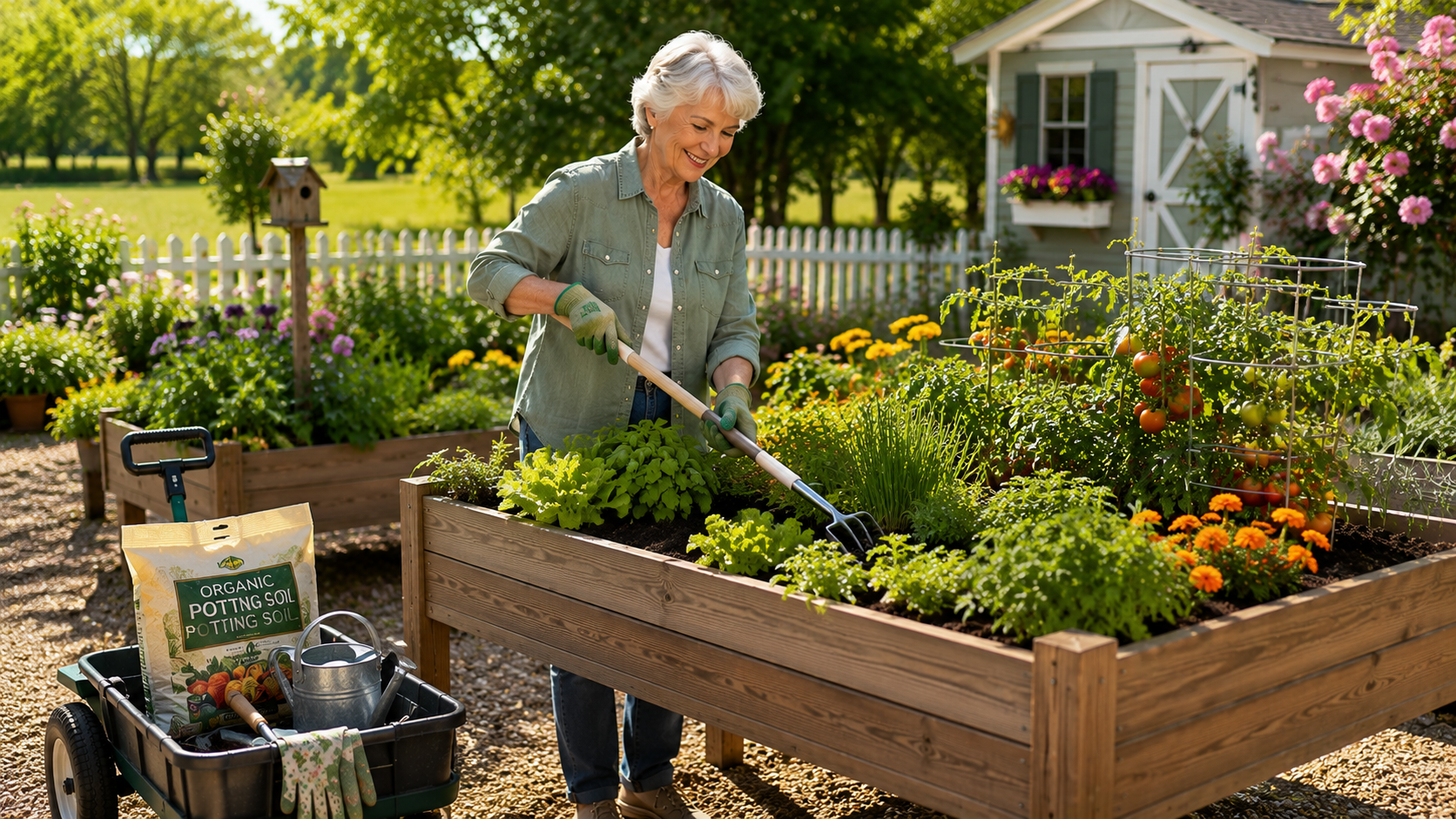
I gotta admit, I’m right there with you all with back pain. I’ve been under pain management since 2013. I have injections at least once a year, too. It hurts just to lean over the tall raised bed I have. The rest of them are normal height of 12-18 inches. I usually sit to work on these beds. Sure beats sitting on the ground. Getting in the pool helps, too.
Why Raised Beds Are Perfect for Seniors
One of the biggest reasons people stop gardening is physical discomfort.
Traditional gardens often require constant bending, kneeling, squatting, and heavy lifting. These repetitive movements can aggravate arthritis, back pain, knee problems, and limited mobility.
Raised beds solve many of these challenges by bringing the garden closer to you.
Instead of working at ground level, you can tend plants from a comfortable standing position or while sitting on a sturdy garden stool.
Many gardeners find they can work longer with less fatigue and enjoy gardening again.
Raised beds also make it easier to organize your growing space. Because the beds stay defined, there is less walking through planting areas and less soil compaction.
For seniors who want to remain independent and active, raised bed gardening can make a tremendous difference.
Choosing the Right Height
Not all raised beds are created equal.
The height of your garden bed plays a major role in comfort.
General guidelines include:
6 to 8 inches
Good for younger gardeners or areas with excellent soil underneath.
12 to 18 inches
Comfortable for most gardeners while providing plenty of room for vegetables. This seems to be your standard size you will find for sale online, at home stores, and garden centers.
24 to 36 inches
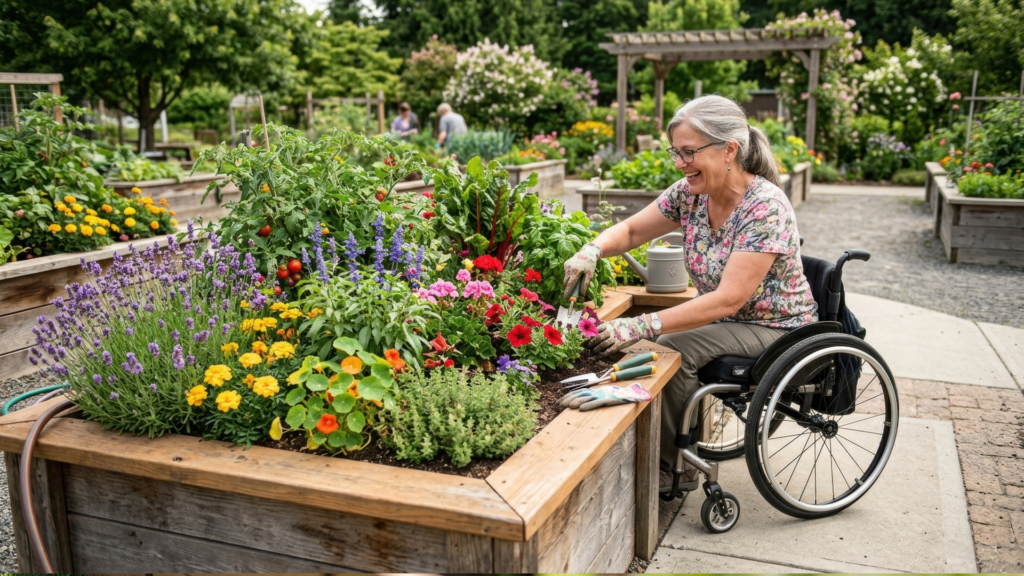
Excellent for seniors who want to minimize bending or who garden from a chair or mobility device. I started with one bed this size. It has ended up being for my many mint plants.
If you use a wheelchair or walker, consider leaving enough space between beds to move comfortably and safely.
Building taller beds may require more soil initially, but many gardeners find the improved comfort well worth the investment.
Pick the Best Location
A successful garden starts with choosing the right location.
Most vegetables need six to eight hours of sunlight each day.
Look for an area that:
• Receives full sun
• Drains well after rain
• Is close to your house
• Has easy access to water
• Allows room to walk safely around the beds
Avoid placing raised beds where you must carry heavy watering cans long distances.
The easier your garden is to reach, the more likely you are to enjoy caring for it throughout the growing season.
Build or Buy?
One of the first decisions you’ll make is whether to build your own raised beds or purchase premade kits.
Building your own beds allows you to customize the size, height, and materials while often saving money.
Popular materials include:
• Cedar
• Redwood
• Composite lumber
• Galvanized steel
• Concrete blocks
If you prefer a quicker solution, many raised bed kits assemble in less than an hour using basic tools.
Choose durable materials that will last for many growing seasons and require little maintenance.
Remember, this is an investment in both your garden and your comfort.
The Best Soil Makes All the Difference
One of the greatest advantages of raised bed gardening is complete control over your soil.
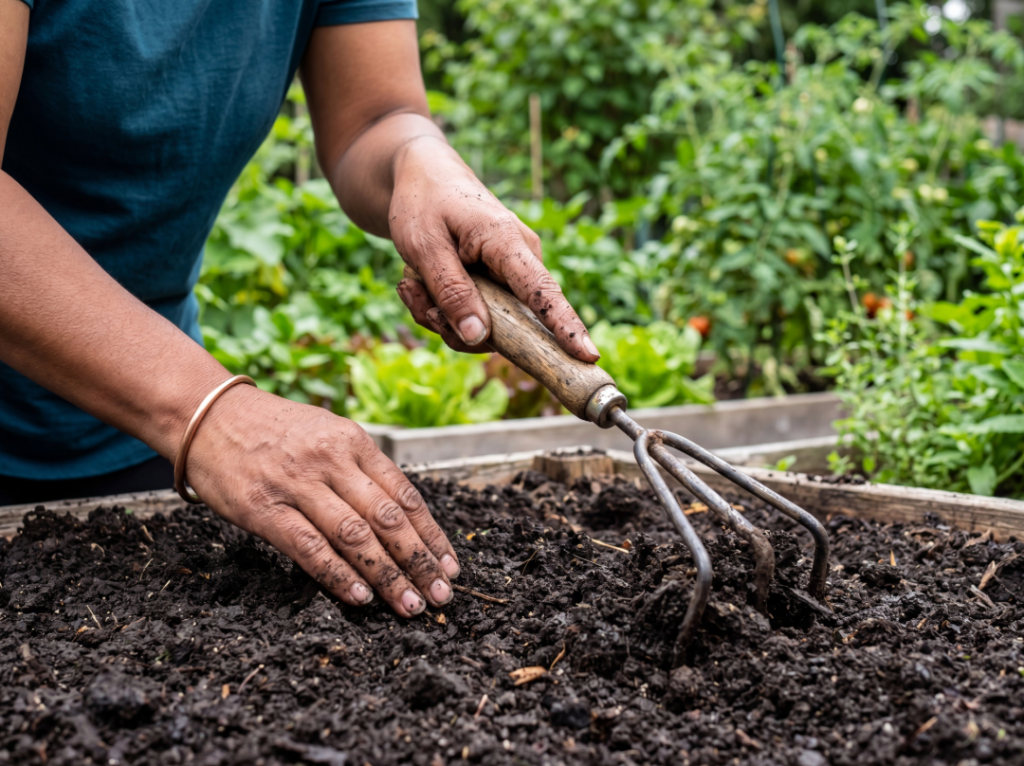
Instead of struggling with poor native soil, you can build an ideal growing environment from the beginning.
A quality raised bed mix often includes:
• Compost
• Topsoil
• Coconut coir or peat moss
• Perlite or vermiculite
Healthy soil improves drainage, supports stronger root systems, and helps plants produce larger harvests.
Adding compost each year keeps the soil healthy and reduces the need for chemical fertilizers.
Your soil is the foundation of your garden. Investing in good soil often produces better results than buying expensive plants.
Final Thoughts
Growing your own food should improve your quality of life, not leave you sore and exhausted. Raised bed gardening makes it easier to enjoy gardening by reducing bending, kneeling, and heavy lifting while creating a healthier environment for your plants.
You do not need a large property or years of gardening experience to get started. Even one raised bed can provide fresh vegetables, herbs, and confidence that you’re becoming more self-sufficient.
Whether you’re preparing for emergencies or simply want healthier food and a rewarding hobby, raised bed gardening is an investment in your health, independence, and food security. Start small, learn as you grow, and enjoy the satisfaction of harvesting food you’ve grown yourself.
Every seed you plant today helps grow a more prepared tomorrow.
🌿 Trusted Gardening Resources
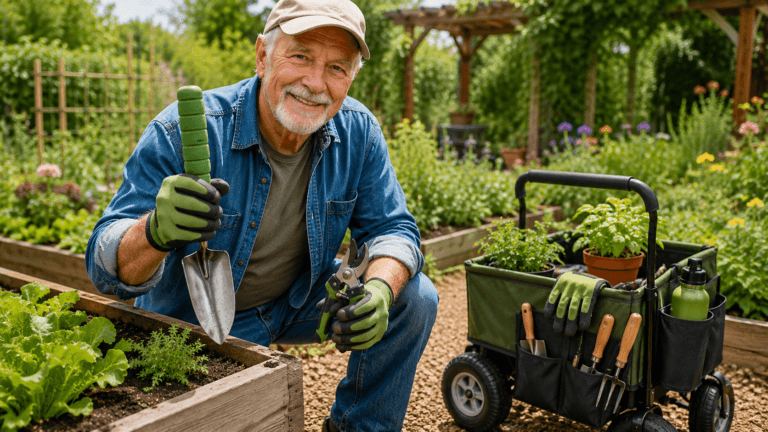
Enjoying your garden is easier when you have the right tools. These trusted gardening products can help reduce strain on your shoulders, protect your joints, and make everyday gardening tasks safer and more comfortable.
Whether you’re dealing with arthritis, recovering from surgery, or simply looking for easier ways to garden, these are products worth considering.
My Favorite Tools for Easier, Safer Gardening
Gardening should not leave you hurting for days.
I put together this collection of senior-friendly gardening tools, raised planters, ergonomic hand tools, and helpful accessories. I own and use several of them myself. Others were chosen because they may reduce bending, lifting, gripping, and reaching while helping you enjoy gardening with greater comfort.
-
 Buy Now
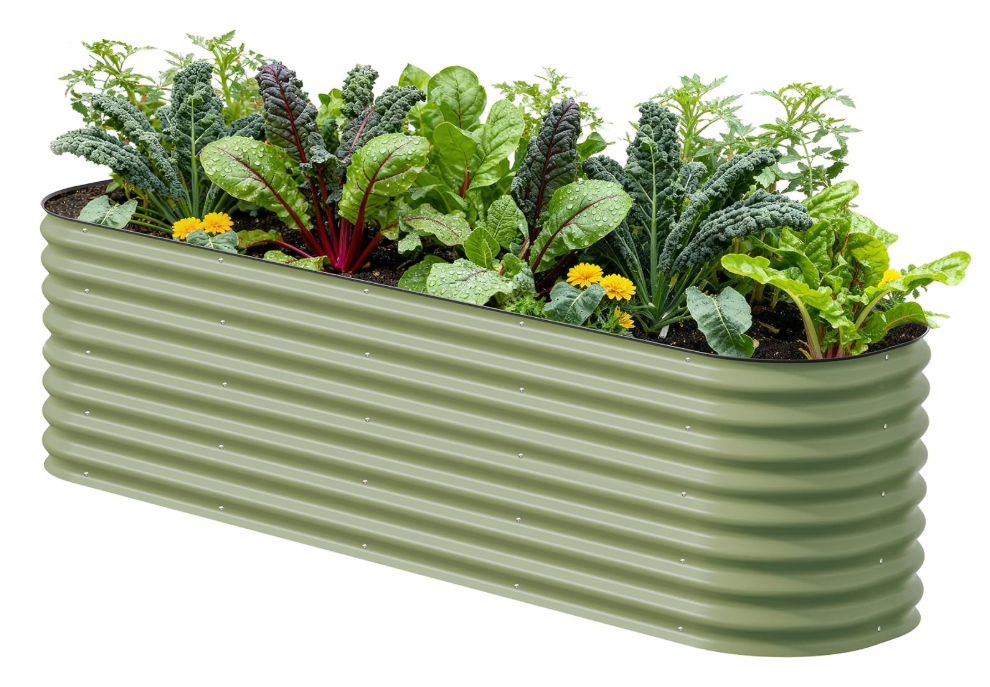
Raised garden beds
We earn a commission if you make a purchase, at no additional cost to you.
-
 $15.69Buy Now
With Ultra Sharp Japanese Steel Titanium Blade, Arthritis Friendly
We earn a commission if you make a purchase, at no additional cost to you.
08/25/2026 10:30 pm GMT -
 Buy Now
LifeFone Medical Alert System
We earn a commission if you make a purchase, at no additional cost to you.
-
 $109.99Buy Now
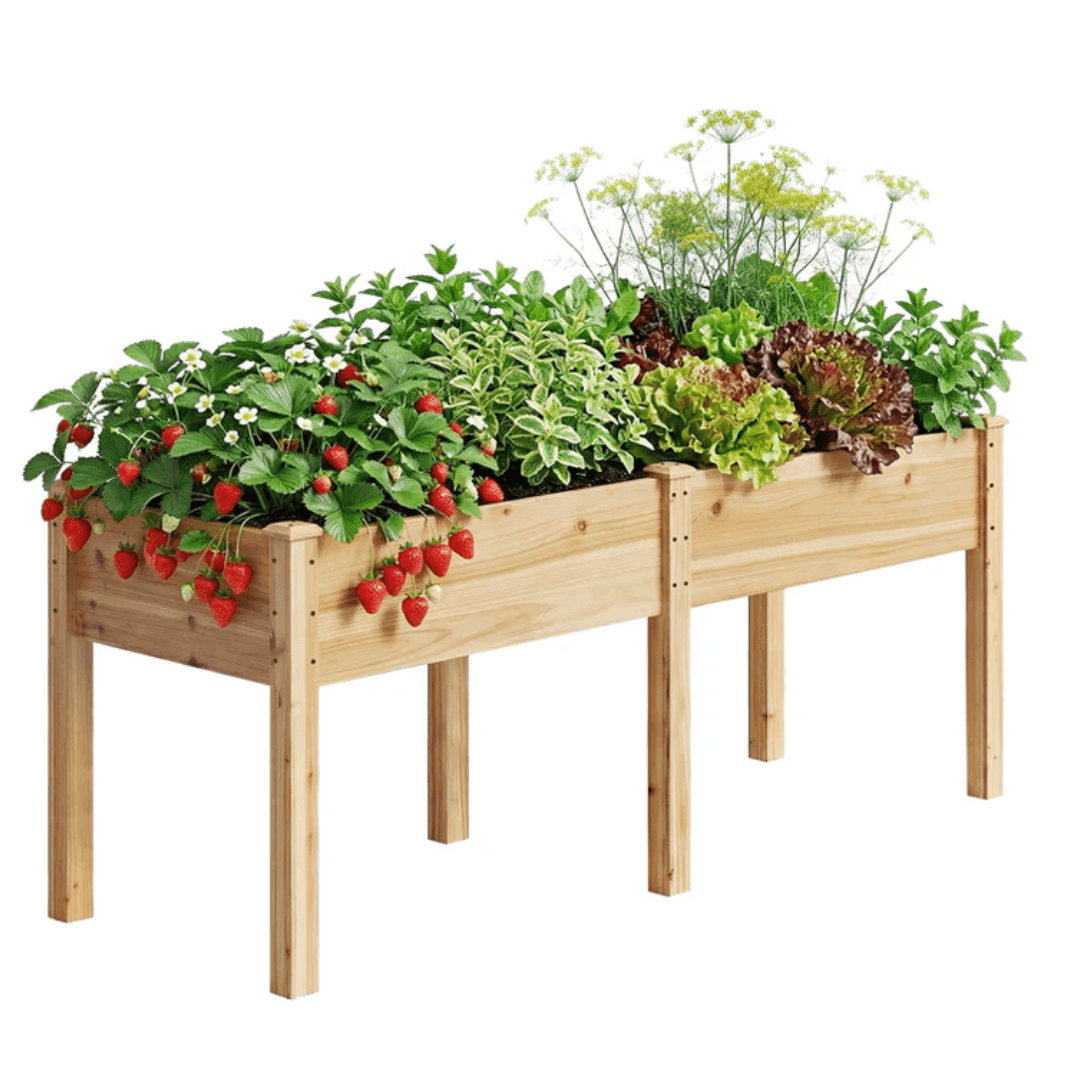
72" x 26 X 30" Wooden Raised Garden Bed with Legs, Elevated Reinforced Planter Box with Divider Panel & Drainage Holes, Natural Fir Wood Garden Planter for Vegetables, Herbs, Flowers, Patio, Balcony & Backyard
We earn a commission if you make a purchase, at no additional cost to you.
-
 $157.99Buy Now
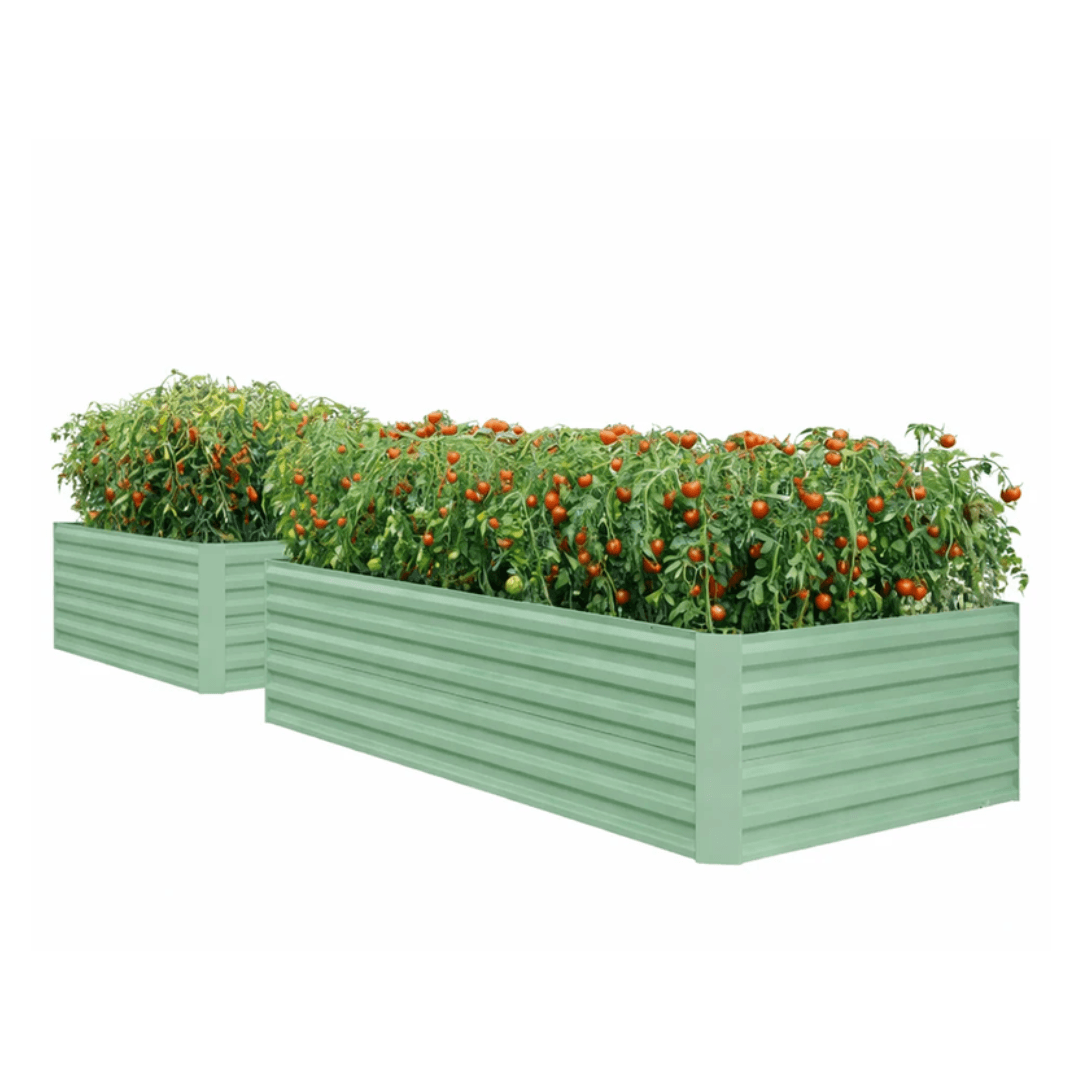
Garvee 2-Pack 8' × 4' × 2' Metal Raised Garden Beds, 24-Inch Deep Open-Bottom Planter Boxes for Vegetables, Herbs & Flowers
We earn a commission if you make a purchase, at no additional cost to you.
-
 $89.99Buy Now
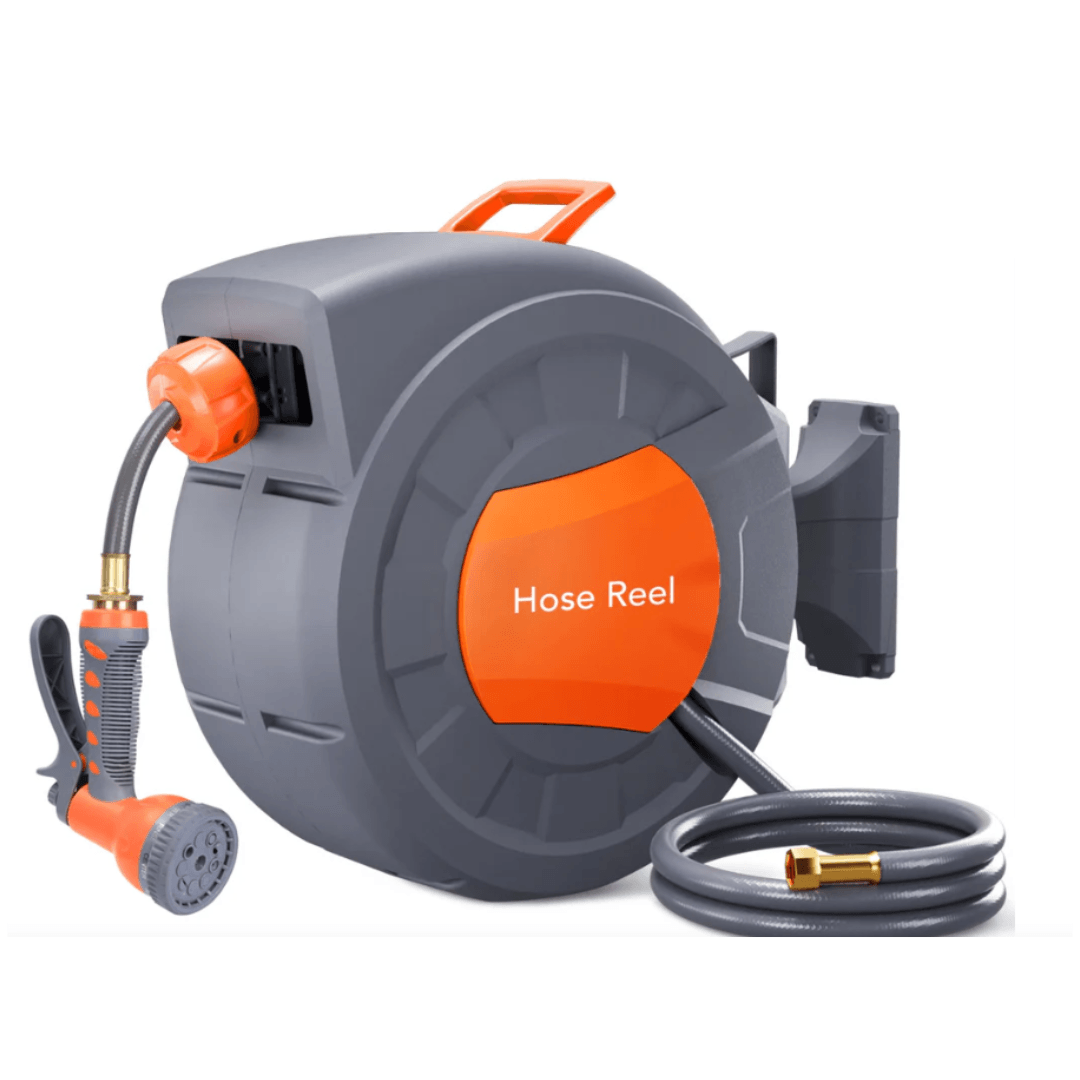
Garvee 1/2 in × 100 ft Retractable Garden Hose Reel, Wall Mount Auto Rewind, 9-Pattern Nozzle
We earn a commission if you make a purchase, at no additional cost to you.
-
 Buy Now
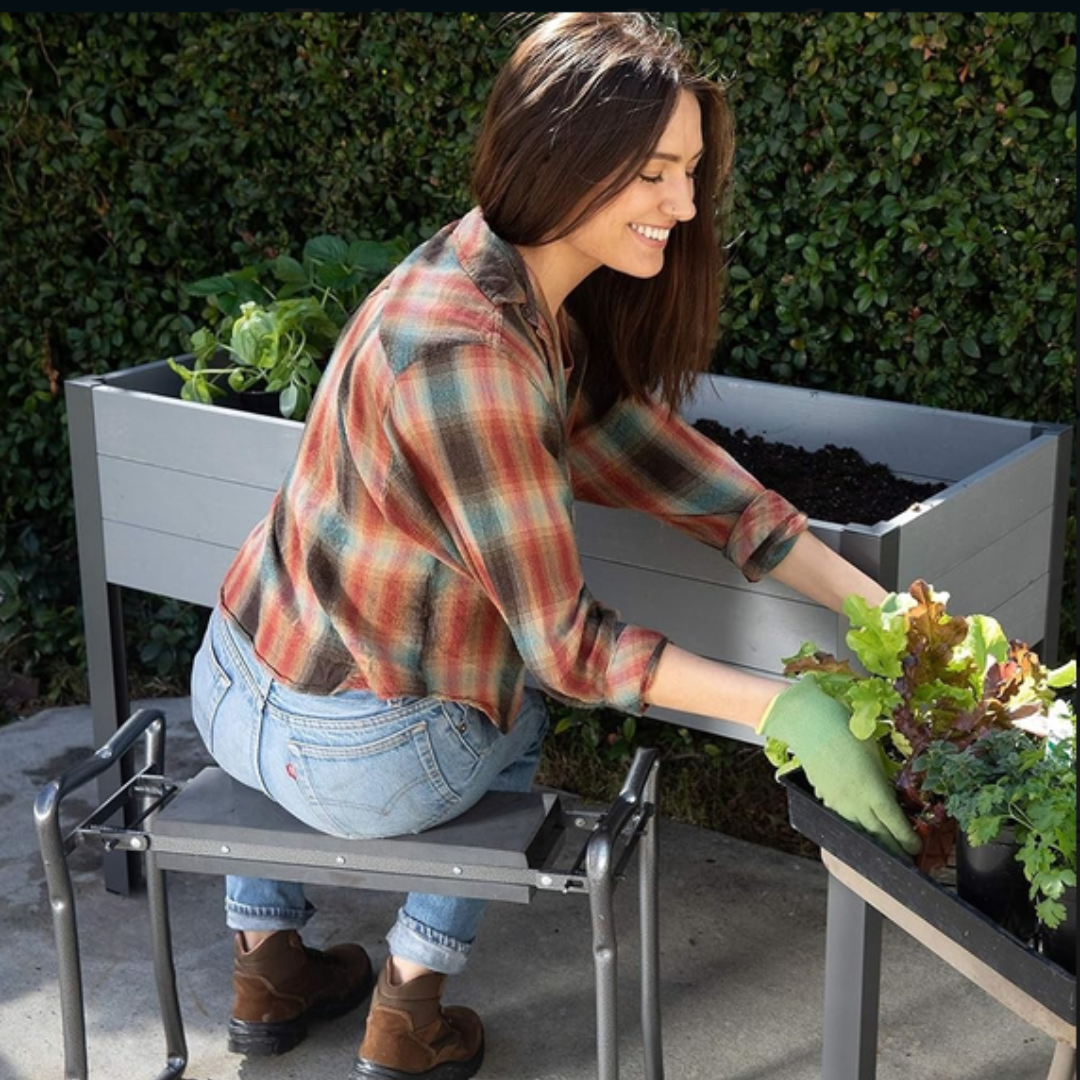
Converts from a comfortable bench for sitting to a cushioned kneeler by simply flipping it over.
We earn a commission if you make a purchase, at no additional cost to you.
-
 $14.99Buy Now
Beach Hiking Summer Wide Brim UPF 50+ Outdoor Protection Foldable Bucket Hat Beige, One Size
I own 2 of these! I even wear it in the pool.
We earn a commission if you make a purchase, at no additional cost to you.
08/25/2026 10:30 pm GMT -
 $38.99Buy Now
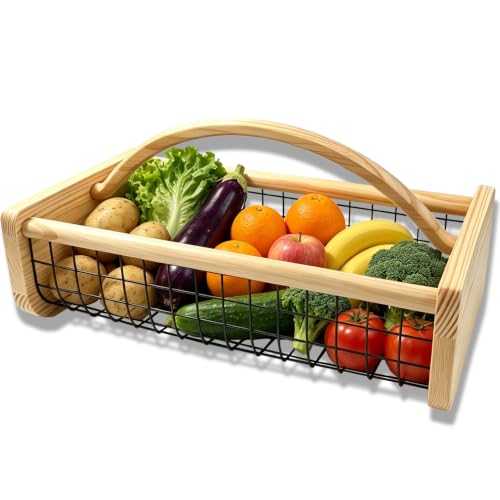
With Bent Solid Handle and Coated Mesh, Rinse & Deain Fresh Produce Easily for Kitchen and Outdoor Pick...
We earn a commission if you make a purchase, at no additional cost to you.
08/25/2026 10:26 pm GMT -
 $6.99Buy Now
Super-sharp. Orange 1-Pack
I own 2 of these, 'cuz I use them everywhere!
We earn a commission if you make a purchase, at no additional cost to you.
08/25/2026 10:30 pm GMT -
 $62.83Buy Now
Heavy-Duty Tree Trimmer for Thick, Dry, Dead Branches, Ratchet Design Compounds Force for Easy Use, Low-Friction Steel Blades
We earn a commission if you make a purchase, at no additional cost to you.
08/25/2026 10:30 pm GMT -
 $28.99Buy Now
I LOVE THIS!: Fiskars 15-Inch Anvil PowerGear Super Pruner glides through branches up to 1.25" thick for easy cuts on dry, dead growth; trim tree branches to maintain your yard and garden and maintain overall plant health and appearance.
This is so light to carry around while you work.
We earn a commission if you make a purchase, at no additional cost to you.
08/25/2026 10:32 pm GMT -
 $12.99Buy Now
I OWN 2 PAIR OF THESE! Hand Protection with Touch Screen for Gardeners, Farmers, Landscapers and Movers
We earn a commission if you make a purchase, at no additional cost to you.
08/25/2026 10:31 pm GMT -
 $109.90Buy Now
400lbs Weight Capacity, Gardening Cart Bench, Ergonomic Backrest & Tool Storage, for Yard, Patio
We earn a commission if you make a purchase, at no additional cost to you.
08/25/2026 10:31 pm GMT -
 $59.95Buy Now
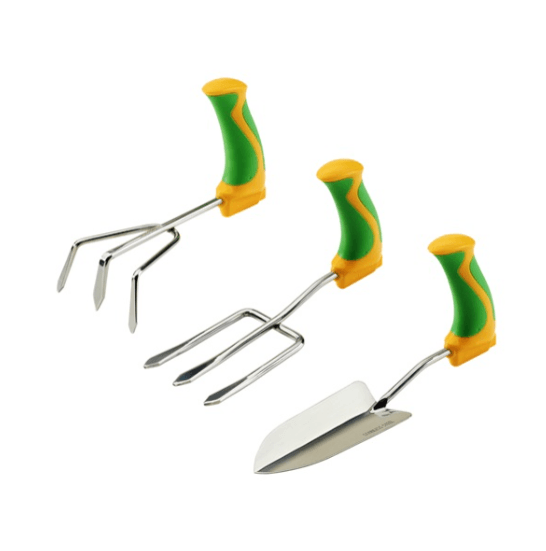
Upright handle, ergonomic hand tools set
Set of 3 adapted gardening tools with patented handle design.
We earn a commission if you make a purchase, at no additional cost to you.

Comment Section
Have you tried raised bed gardening? What changes have helped make gardening easier on your back, knees, or joints? If you’re just getting started, what vegetables are you planning to grow first? Share your gardening experiences, tips, or questions in the comments below. Your ideas may inspire another Golden Survivalist to start growing their own food with greater comfort and confidence.
FAQs
What is the best height for a raised garden bed?
Most seniors find raised beds between 24 and 36 inches high the most comfortable because they reduce bending and kneeling while making plants easier to reach.
What vegetables grow best in raised beds?
Tomatoes, lettuce, peppers, beans, carrots, spinach, cucumbers, radishes, and herbs all grow well in raised beds when given healthy soil and plenty of sunlight. Rosemary will take up a whole bed to themselves and seems to live through anything. Mine has two beds!
Are raised beds easier to maintain than traditional gardens?
Yes. Raised beds usually have fewer weeds, better drainage, improved soil quality, and are easier to reach, making gardening more comfortable and less physically demanding.
What is the best soil for a raised garden bed?
A mixture of quality topsoil, compost, coconut coir or peat moss, and perlite or vermiculite creates excellent growing conditions for most vegetables. Keep it light. The soil will condense after a while.
Can I start with just one raised bed?
Absolutely. Many gardeners begin with a single raised bed and expand over time as they gain confidence and experience. I started out with just one when I started about 10 years ago.
Is raised bed gardening good for emergency preparedness?
Yes. Raised beds make it easier to grow fresh food at home, helping improve food security and self-sufficiency while reducing dependence on grocery stores.
Related Articles
I recommend linking to:
- Survival Gardening Basics for Growing Your Own Food
- Foraging for Beginners: A Senior’s Guide to Finding Safe Wild Edible Plants
- Emergency Food Storage Basics for Long-Term Preparedness
- Month 1: The Food Security Challenge
- Advanced Survival Gardening Techniques – eBook
- Seed Saving for Beginners: Preserve Your Garden Year After Year